WE SHIP NATIONWIDE ACROSS THE UNITED STATES AND CANADA.
Furnace Ignitors
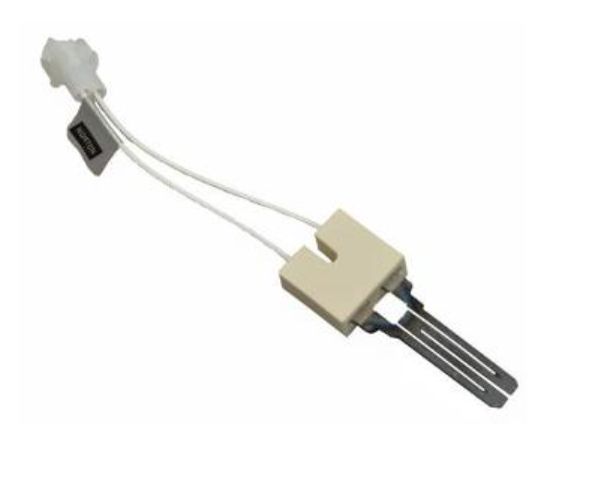
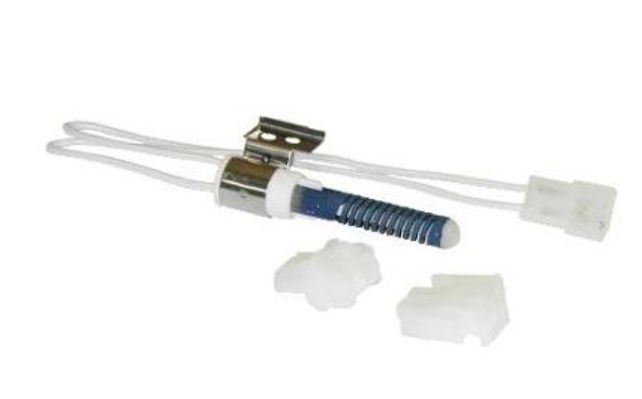
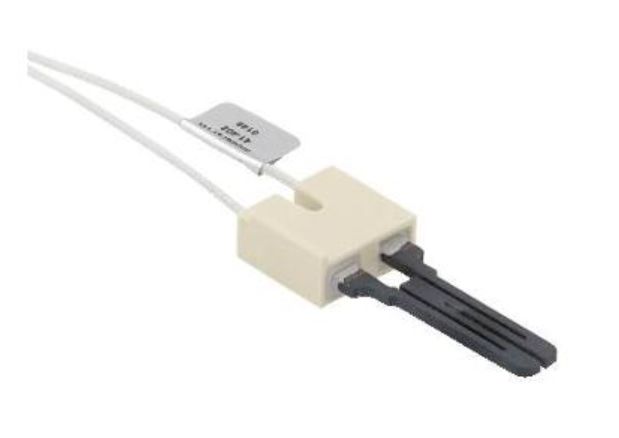
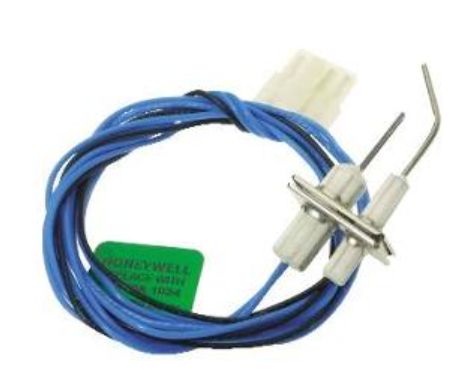
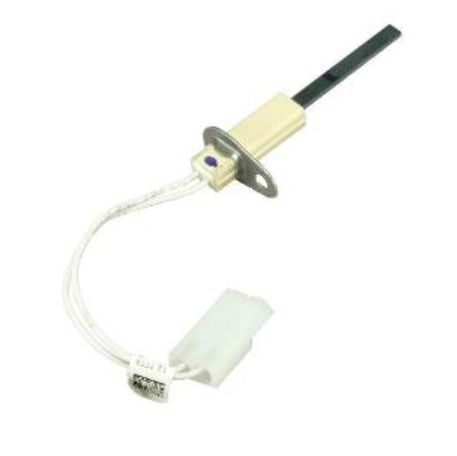
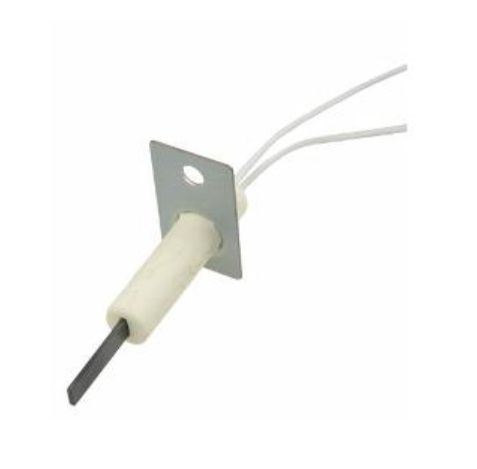
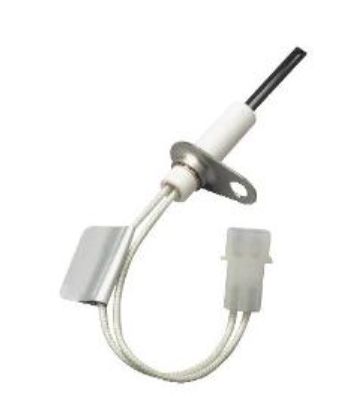
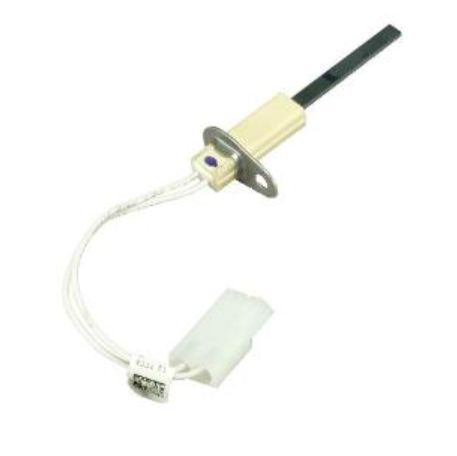
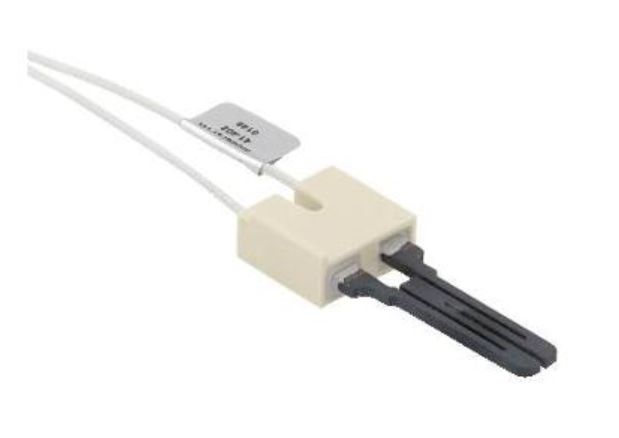
Shop furnace ignitors for gas-fired heating equipment, including hot surface ignitors, silicon nitride ignitors, OEM-style replacements, and universal replacement options. Public HVAC Solutions carries ignition parts for contractors, technicians, property owners, and other buyers repairing furnace heating systems. Because furnace ignitors vary by model, voltage, mounting style, connector, lead configuration, and physical dimensions, it is important to match the replacement part to the equipment before ordering.
Furnace Ignitors for Heating System Repairs
Many modern gas furnaces use electronic ignition instead of a continuously burning pilot. In furnaces equipped with a hot surface ignitor, the furnace control energizes the ignitor during startup. The heated element then provides the ignition source for the burner gas.
Furnace ignitors may look similar, but they are not automatically interchangeable. Differences in shape, mounting position, electrical requirements, lead length, connectors, and element design can affect whether a replacement will work with a particular furnace.
Public HVAC Solutions carries model-specific ignitors as well as universal replacement products designed to replace multiple original part numbers. Check the product specifications, furnace model, and original component number before selecting a replacement.
Hot Surface Ignitors and Silicon Nitride Options
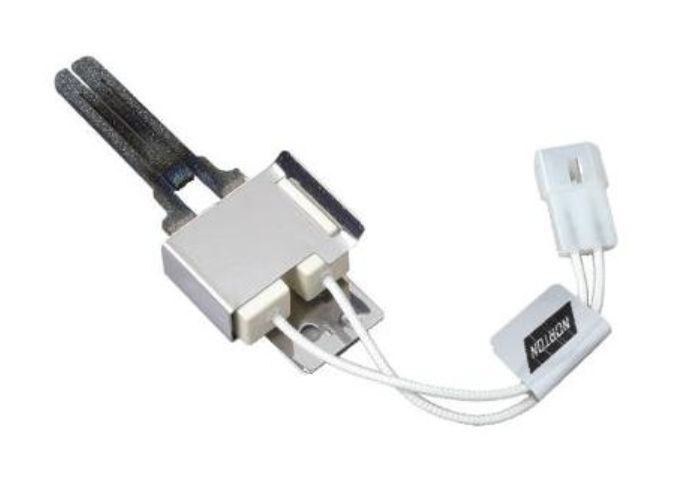
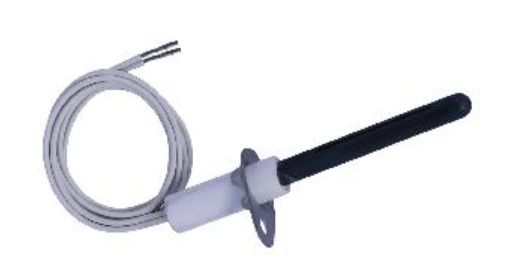
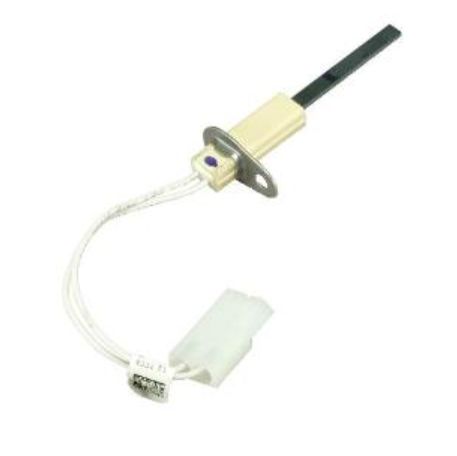
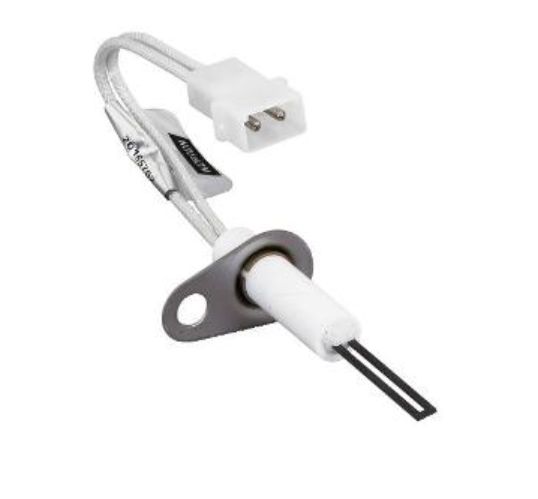
Hot surface ignitors are commonly used in gas furnaces and other gas-fired heating equipment. During the ignition cycle, the element heats to the temperature needed to ignite the burner gas without using a standing pilot.
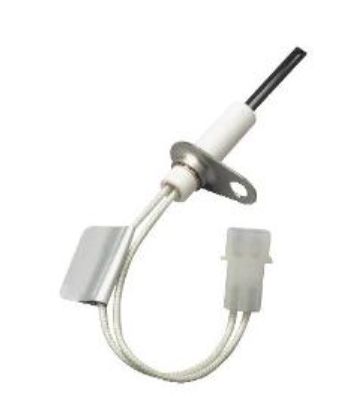
Depending on the equipment and replacement design, hot surface ignitors may use silicon carbide or silicon nitride elements. Some silicon nitride products are made as replacement or upgrade options for compatible silicon carbide ignitors.
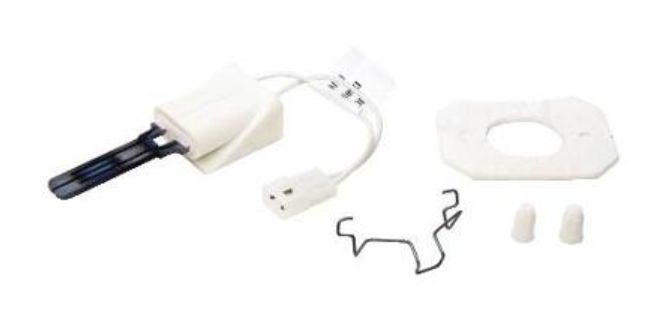
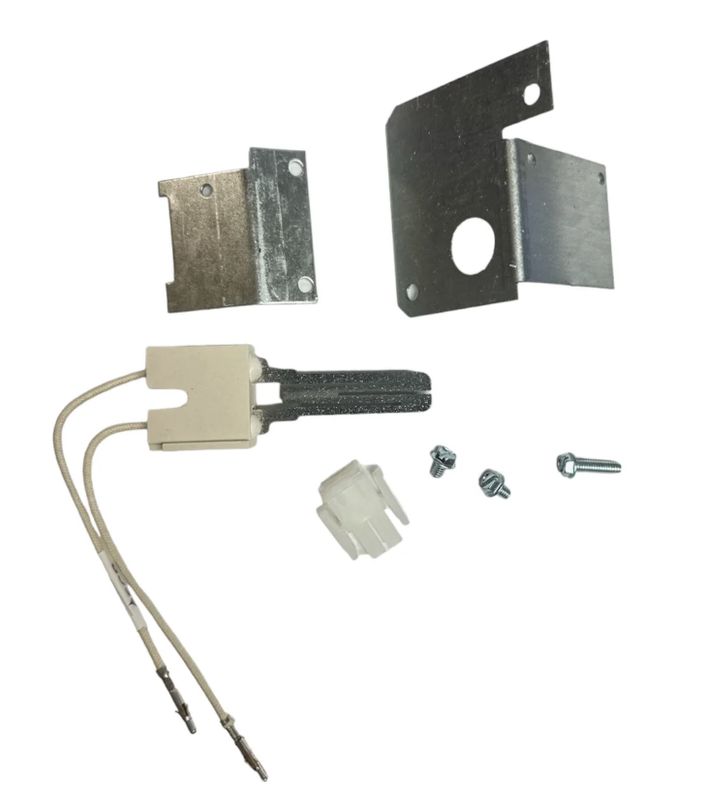
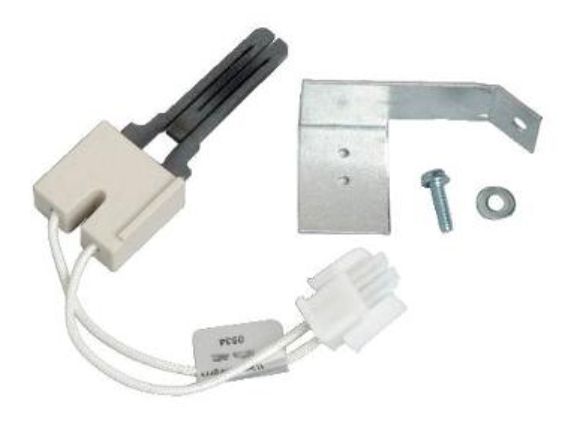
Direct replacement ignitors are generally intended for specific furnace models or original part numbers. Universal furnace ignitors may include adaptable mounting hardware or wiring components that allow one kit to work with several approved applications.
A universal label does not mean the ignitor fits every furnace. Voltage, mounting position, element location, connector requirements, and the manufacturer's replacement information still need to match the equipment.
What to Check Before Buying a Furnace Ignitor
The furnace model number and the part number on the existing ignitor are usually the best places to start. Two ignitors can look nearly identical while having different electrical or installation requirements.
- Original part number: Compare the existing component number with the replacement manufacturer's application or cross-reference information.
- Operating voltage: Make sure the replacement matches the voltage requirements of the furnace ignition system.
- Element type: Confirm whether the furnace uses silicon carbide, silicon nitride, or another manufacturer-specified design.
- Mounting configuration: Check the bracket, mounting position, and location of the element in relation to the burner.
- Connector and leads: Compare the plug style, wiring arrangement, and lead length with the original part.
- Physical dimensions: Verify that the replacement will fit and position the element correctly within the furnace.
Replacement should be based on the furnace manufacturer's specifications or a verified cross-reference rather than appearance alone. When the original part number or application is unclear, a qualified HVAC technician can help confirm the proper replacement.
Choosing Between Direct and Universal Replacement Ignitors
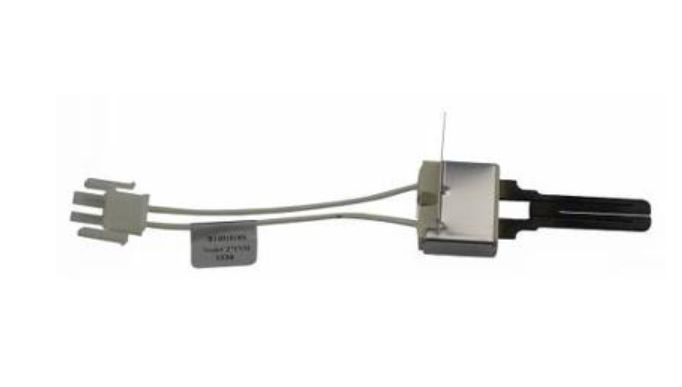
A direct replacement furnace ignitor is typically selected by matching the original equipment or component number to an approved replacement. This is often the simplest approach when an exact replacement is readily available.
Universal hot surface ignitors provide another option for applications listed by the replacement manufacturer. Depending on the kit, they may include mounting or wiring components that allow the ignitor to fit several furnace designs.
The better choice depends on the equipment being repaired. A verified direct replacement provides a straightforward match, while a universal ignitor can be useful when the manufacturer's cross-reference confirms that the furnace is an approved application.
A no-heat or ignition problem is not always caused by the ignitor itself. An ignition control, gas valve, pressure switch, flame sensor, or another furnace component can produce similar symptoms. Diagnosis should identify the failed component before parts are replaced.
Furnace Ignitors Shipped Nationwide
Public HVAC Solutions supplies furnace ignitors and other HVACR replacement parts to contractors, technicians, property owners, and other buyers throughout the United States and Canada.
Inventory changes as individual models and replacement parts become available. Review each product listing for manufacturer information, replacement numbers, specifications, and current availability before ordering. If you are comparing similar furnace ignition parts, Public HVAC Solutions can help you review the available options.
Furnace Ignitor FAQs
What are the signs of a bad furnace ignitor?
A failed furnace ignitor can keep the burners from lighting, but a furnace that will not ignite does not automatically have a bad ignitor. Depending on the furnace and ignitor type, a technician may find a cracked or damaged element, an ignitor that does not heat during startup, or a component that fails electrical testing.
Other components can cause similar problems, including ignition controls, pressure switches, flame sensors, gas valves, and other HVAC controls. Proper testing helps avoid replacing an ignitor when another part is actually causing the ignition failure.
Can I replace a silicon carbide ignitor with a silicon nitride ignitor?
In some applications, yes. Manufacturers offer silicon nitride replacement kits for certain furnaces that originally used silicon carbide hot surface ignitors. Compatibility needs to be confirmed using the replacement manufacturer's application or cross-reference information.
The new ignitor still has to meet the furnace's electrical and installation requirements. Similar shape or mounting alone is not enough to establish compatibility.
How long does a furnace ignitor last?
There is no single service-life number that applies to every furnace ignitor. Ignitor life can vary based on the furnace, element construction, number of heating cycles, operating conditions, and how often the system runs.
A furnace that starts and stops frequently can put more cycles on the ignitor than a system that operates for longer periods. Rather than replacing an ignitor strictly because of its age, it should be inspected and tested when ignition problems develop or during appropriate furnace service.