Featured Products
Sold out
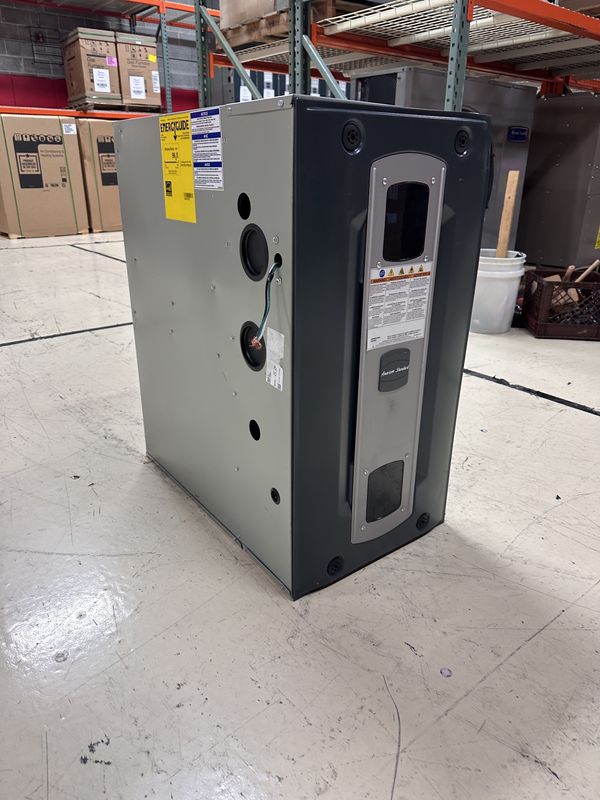
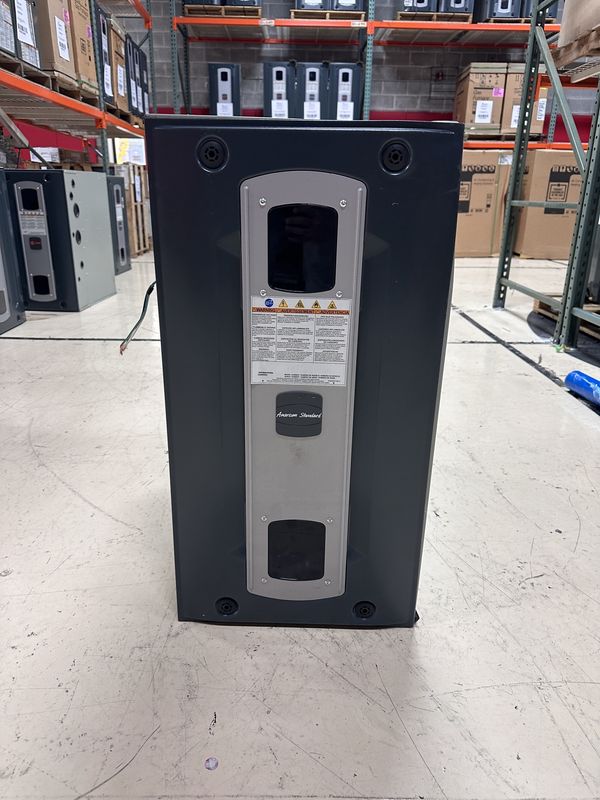
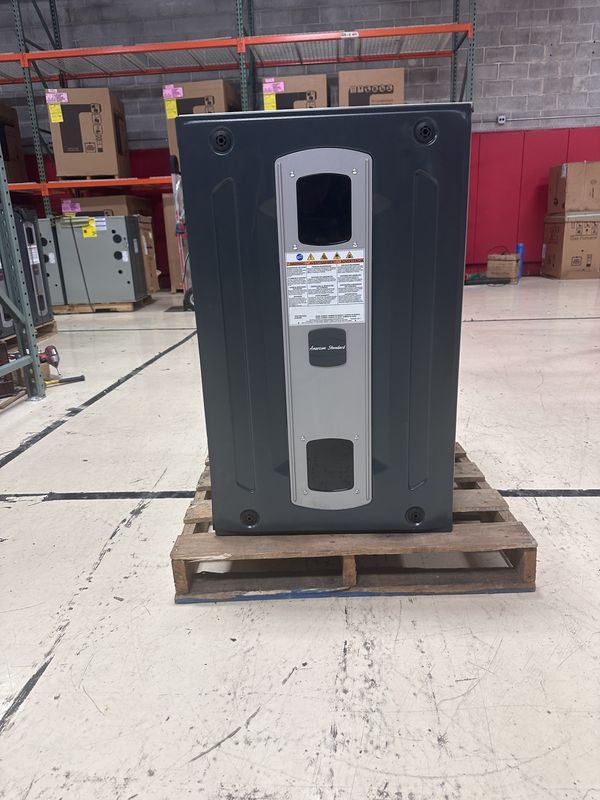
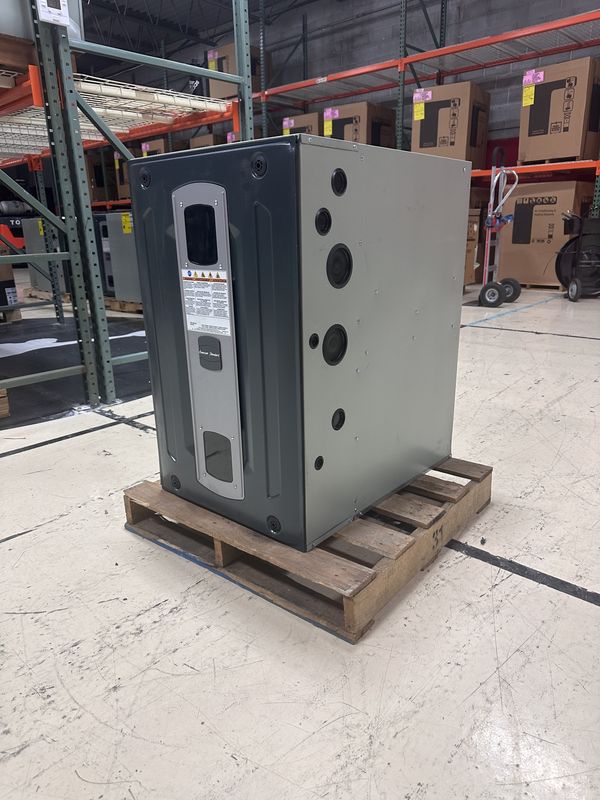
Trane AS 80K BTU 2 STAGE V SPEED MODEL S9V2B080U4PSBD Furance
Trane AS 80K BTU 2 STAGE V SPEED MODEL S9V2B080U4PSBD Furance
SKU PHS100204
$2 384.25
Out of stock
Sold out
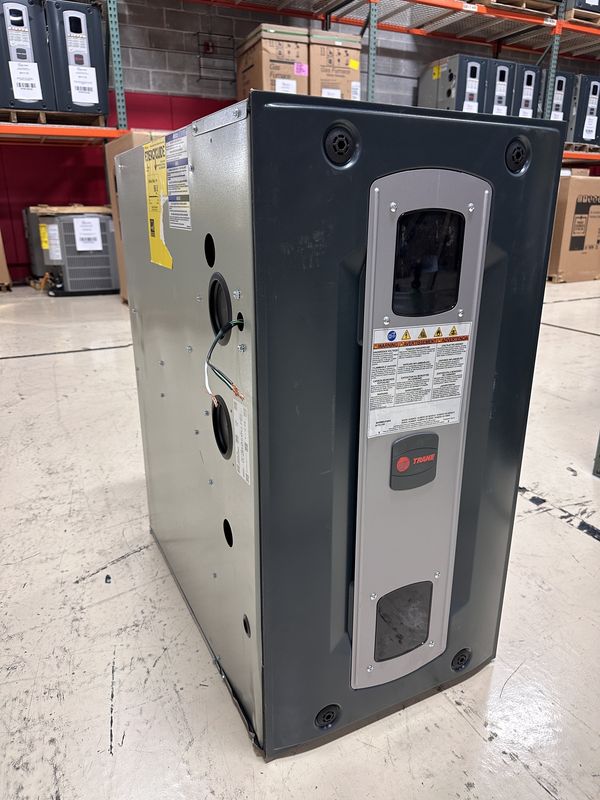
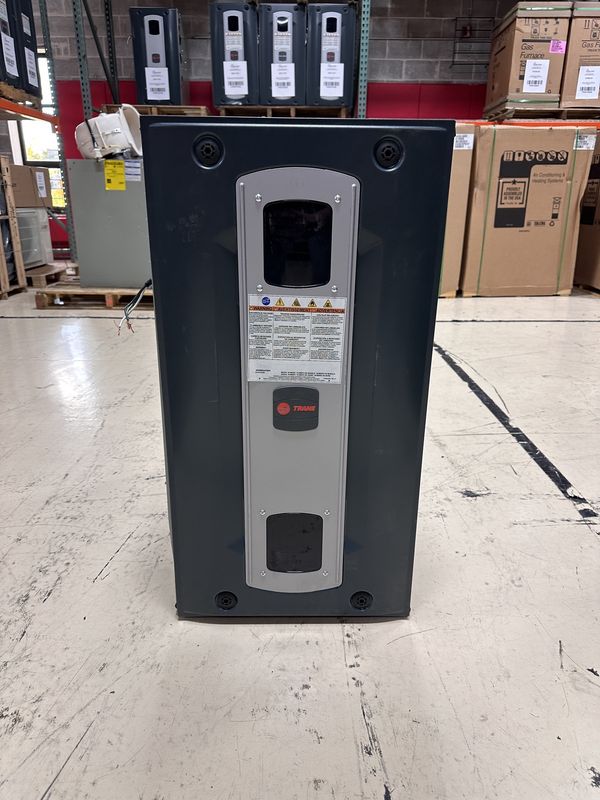
Trane AS 60K BTU 2 STAGE V SPEED Model S9V2B060U4PSB Furance
Trane AS 60K BTU 2 STAGE V SPEED Model S9V2B060U4PSB Furance
SKU PHS100207
$2 304.50
Out of stock
On Sale
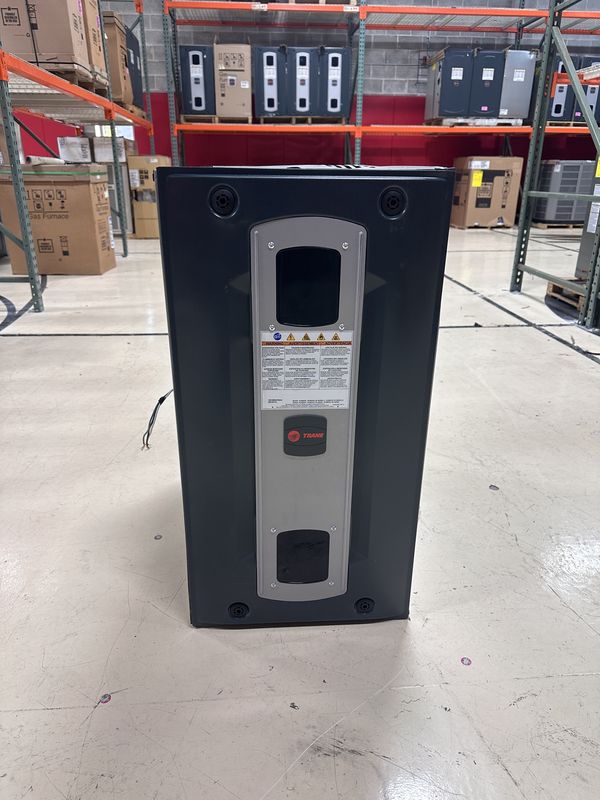
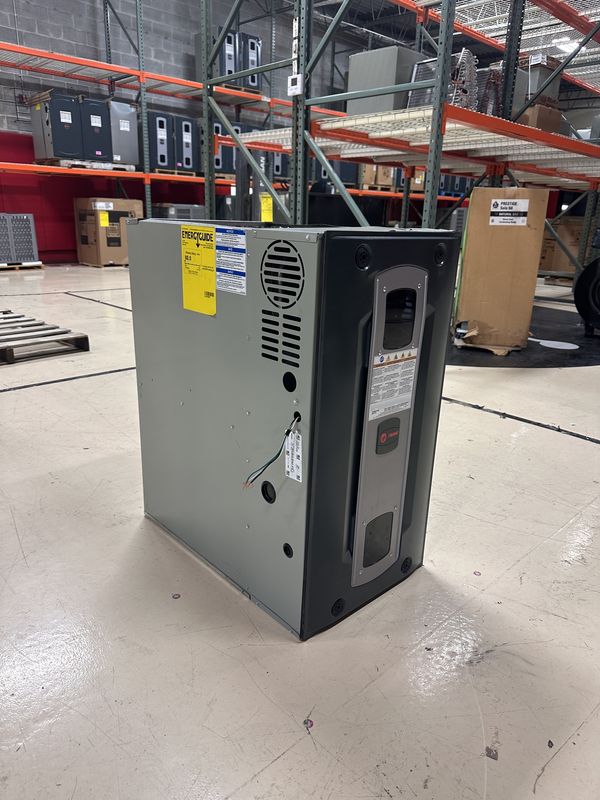
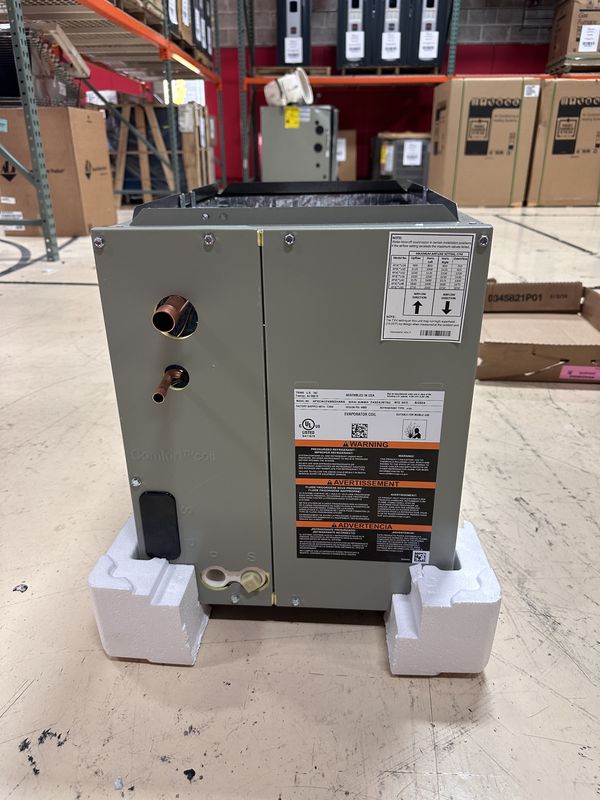
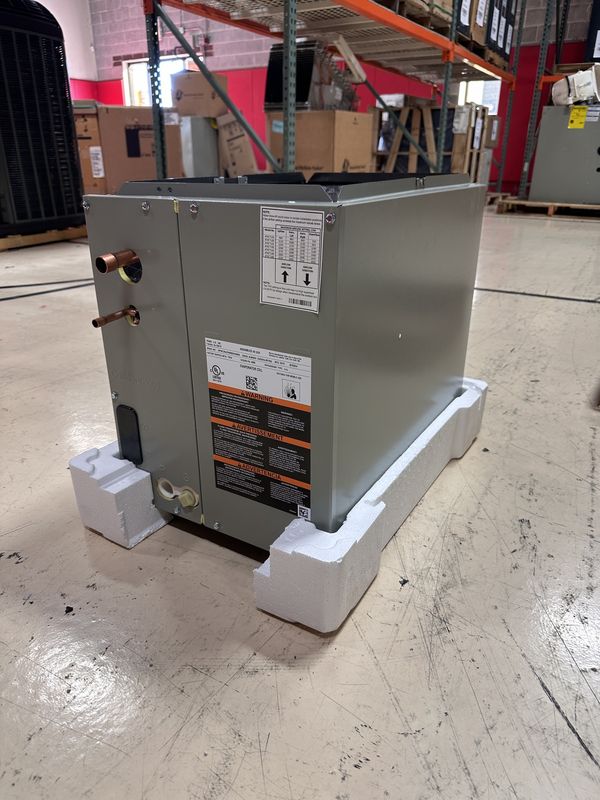
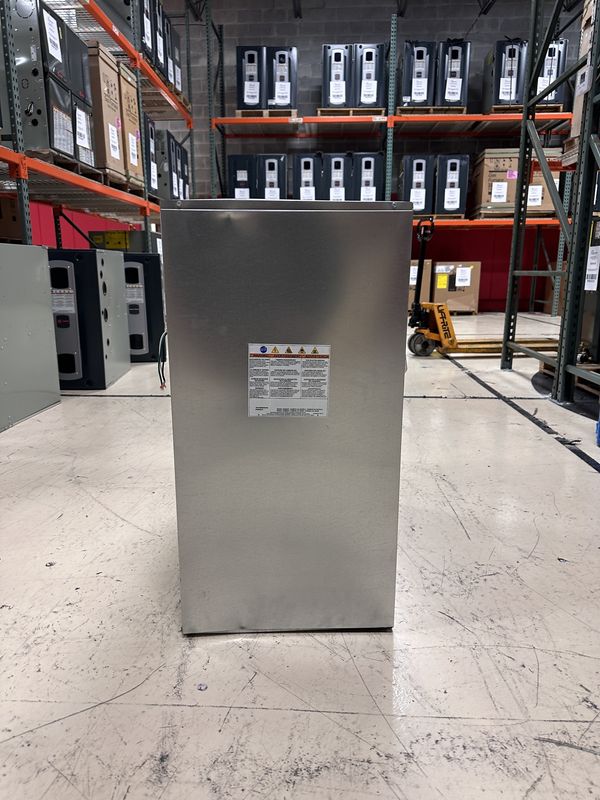
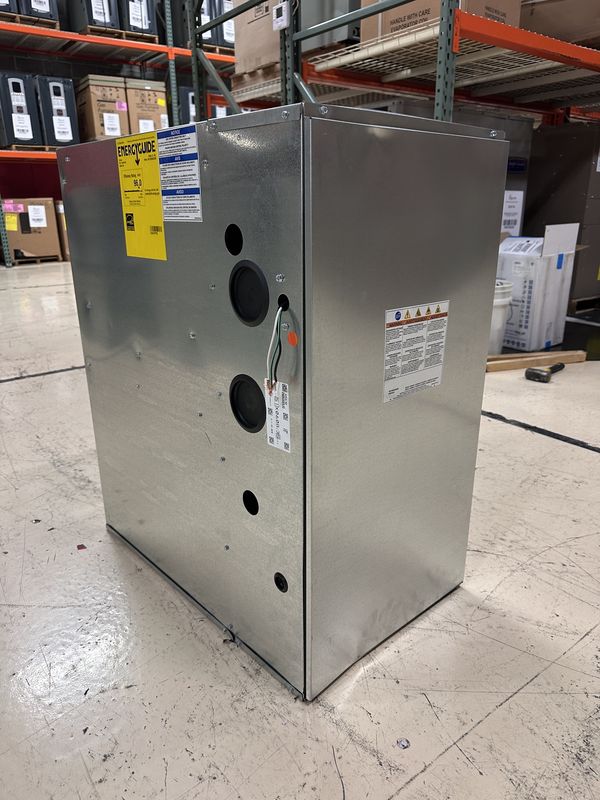
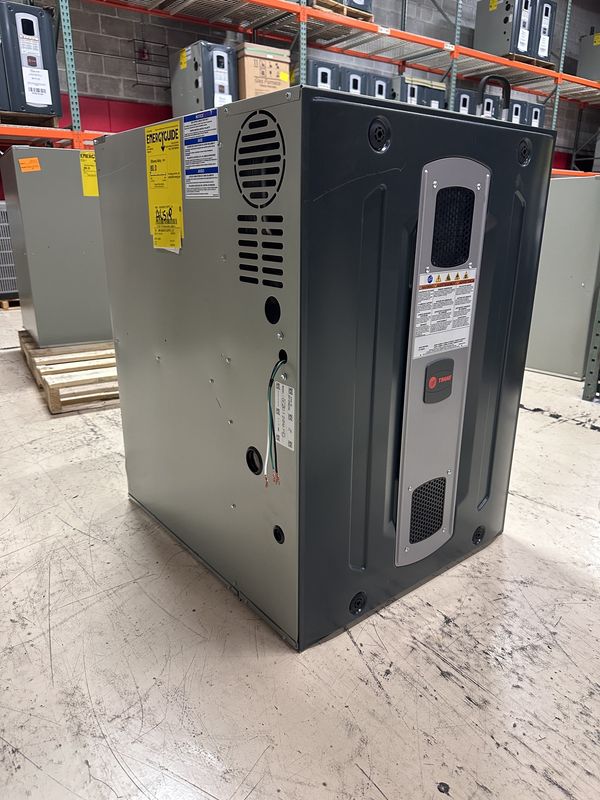
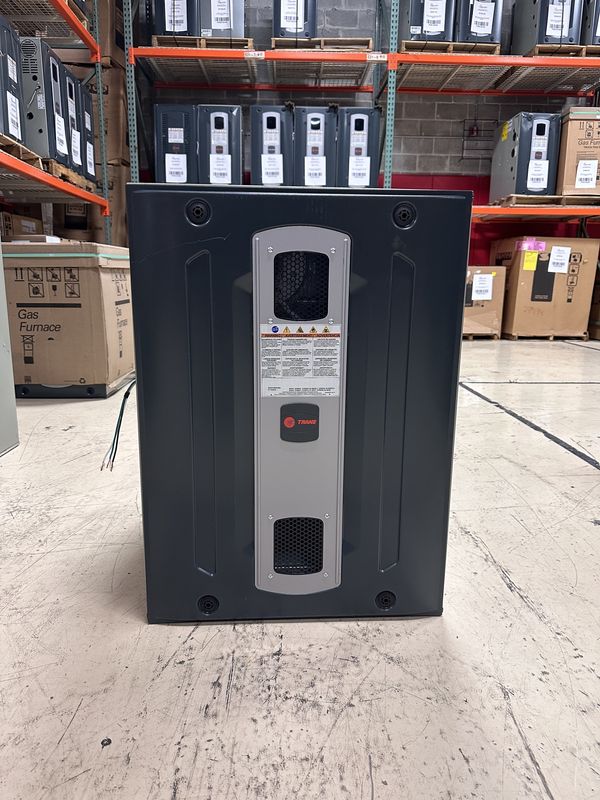
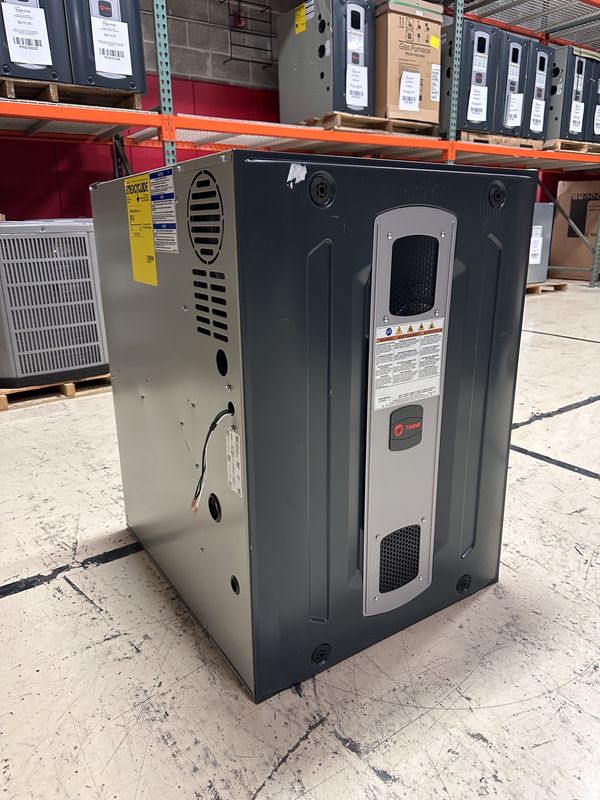
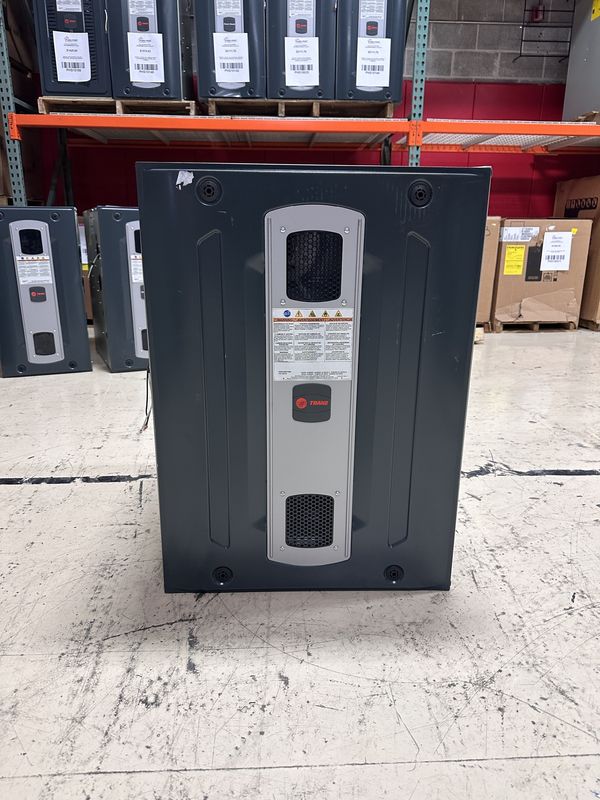
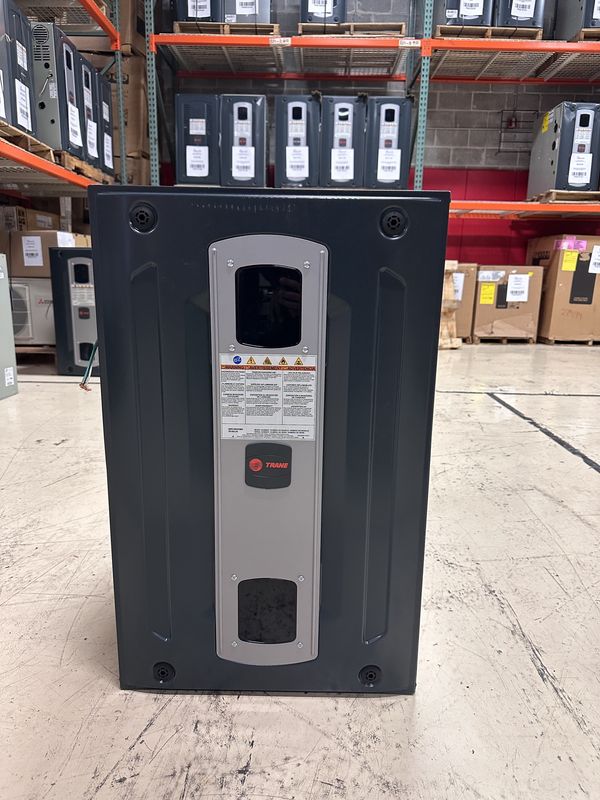
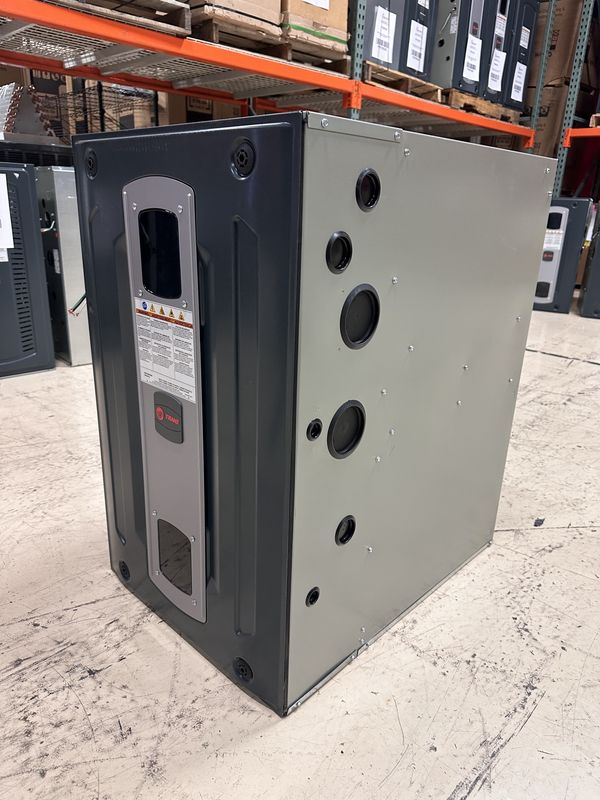
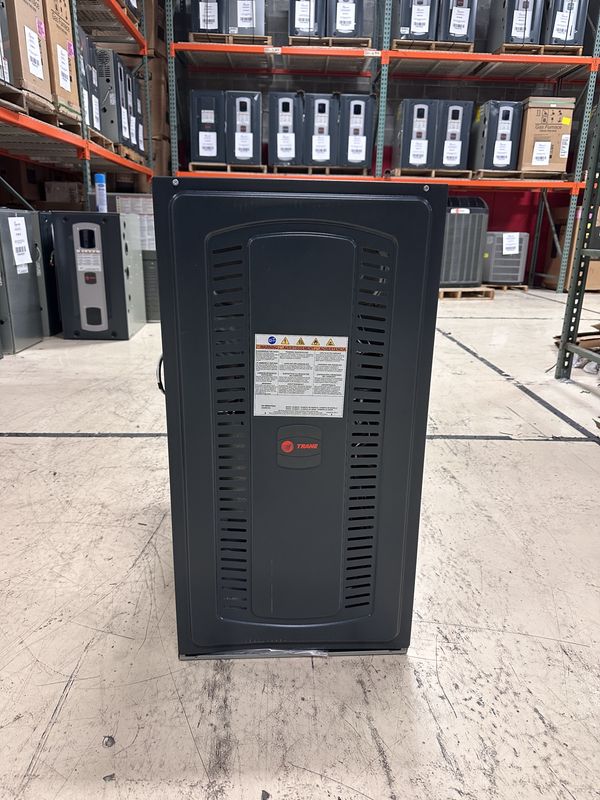
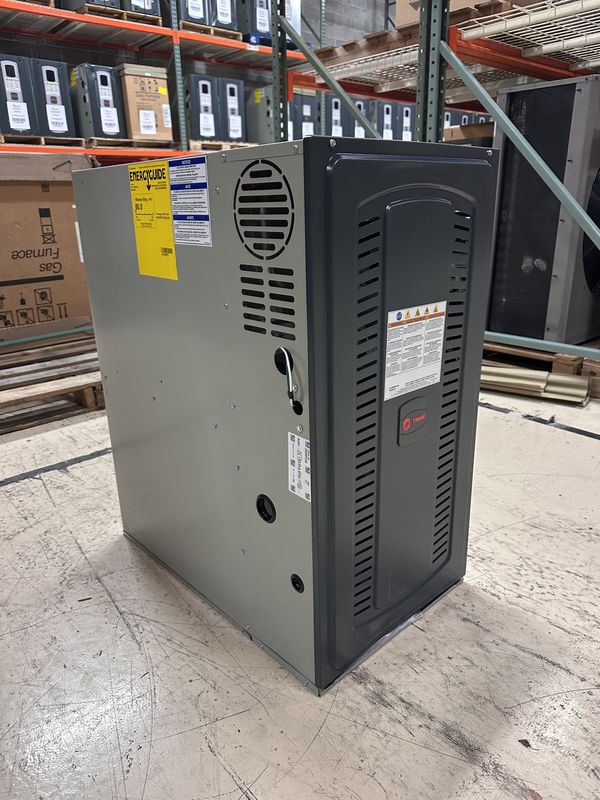
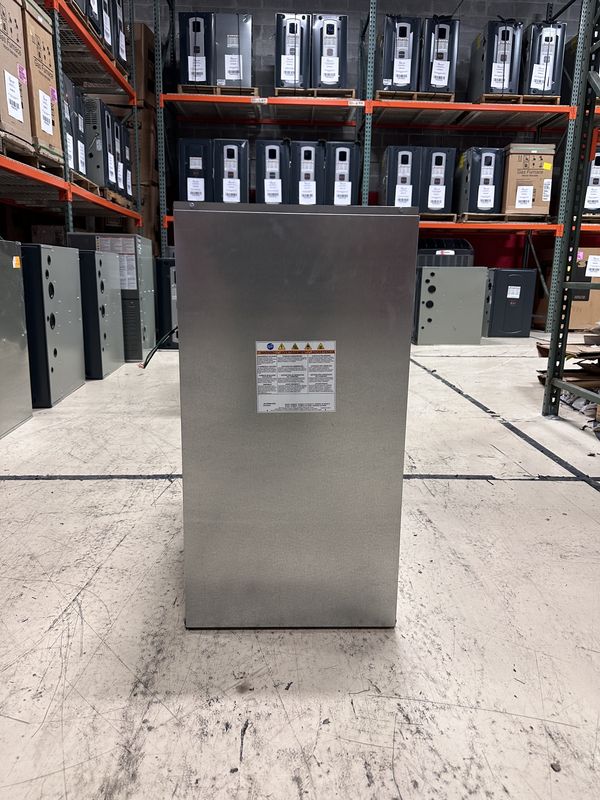
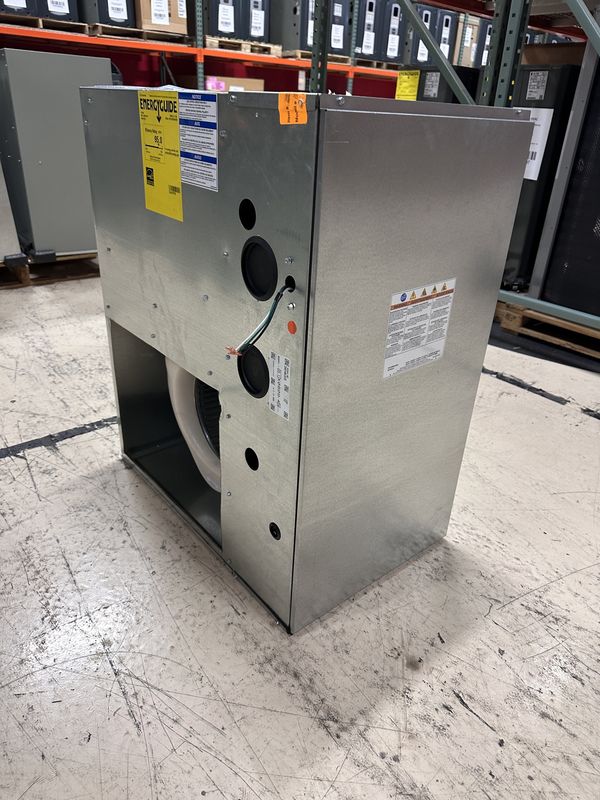
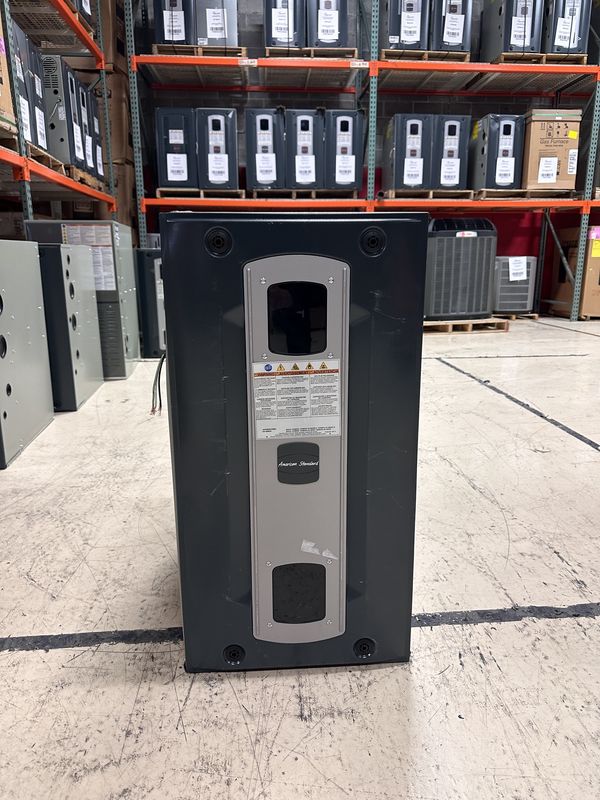
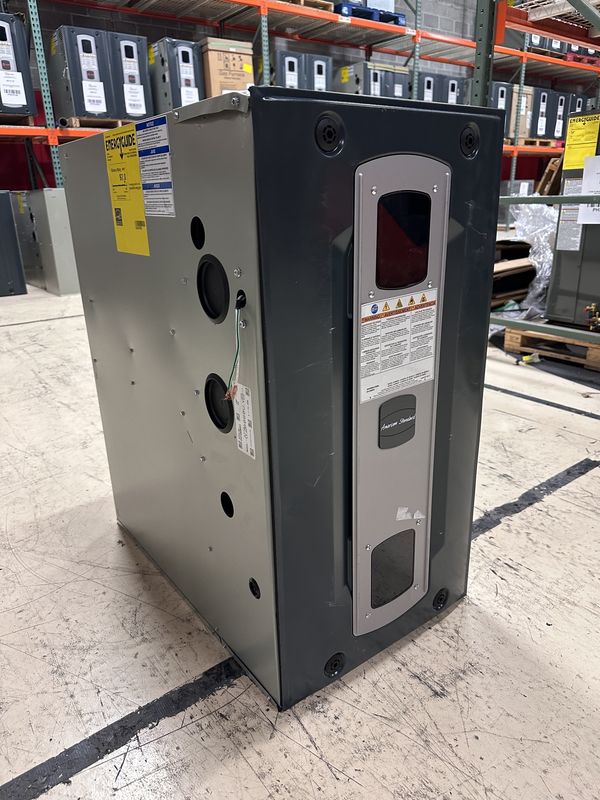
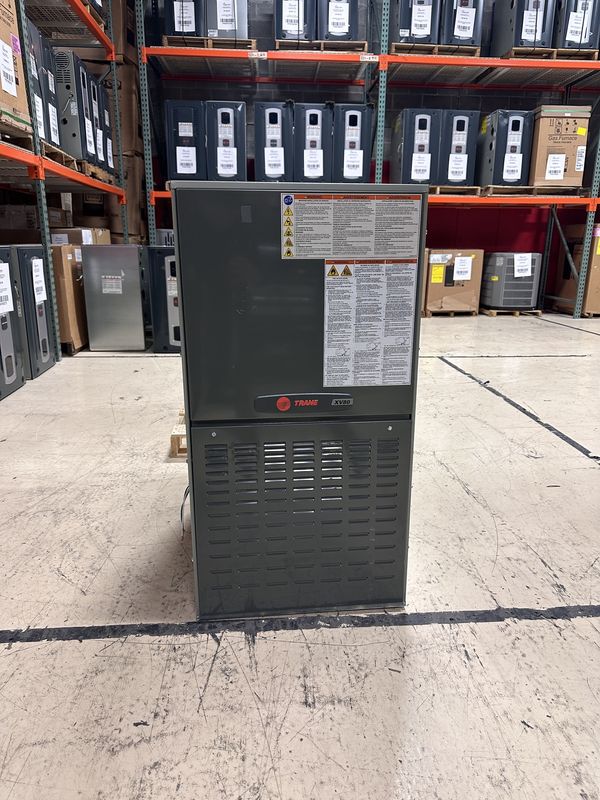
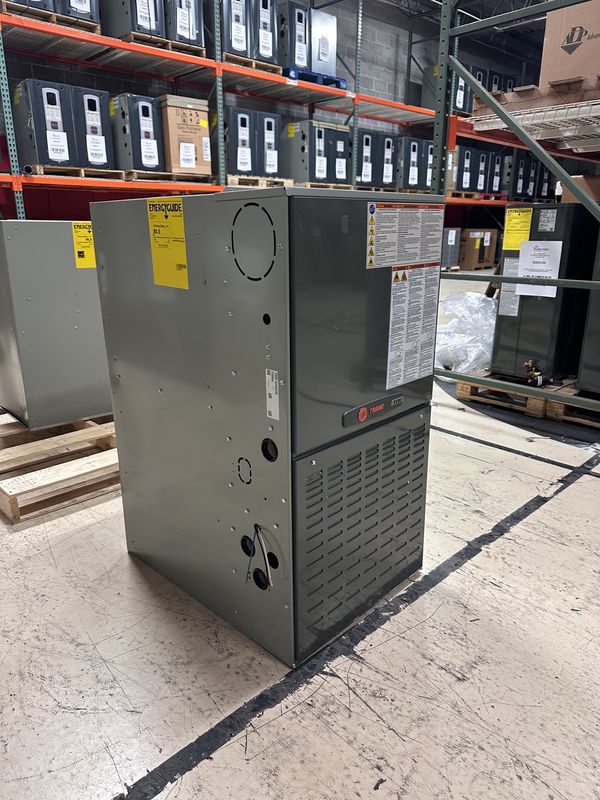
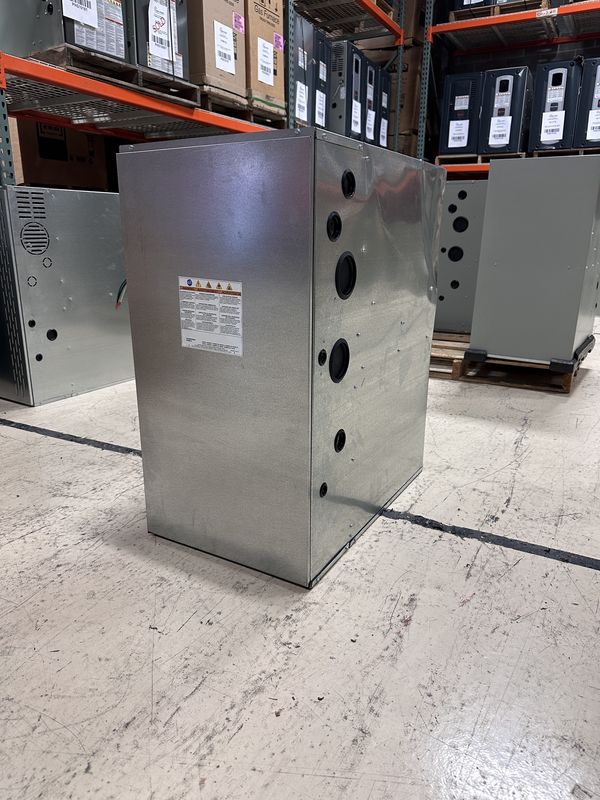
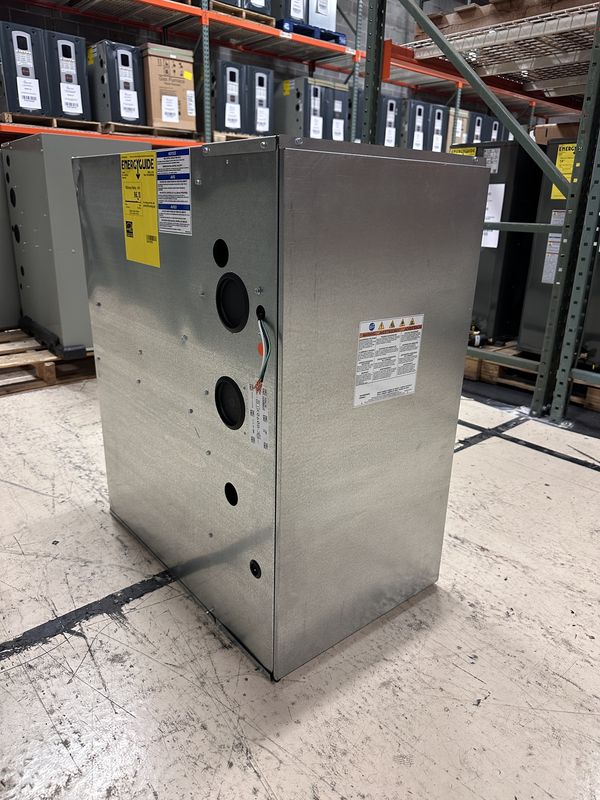
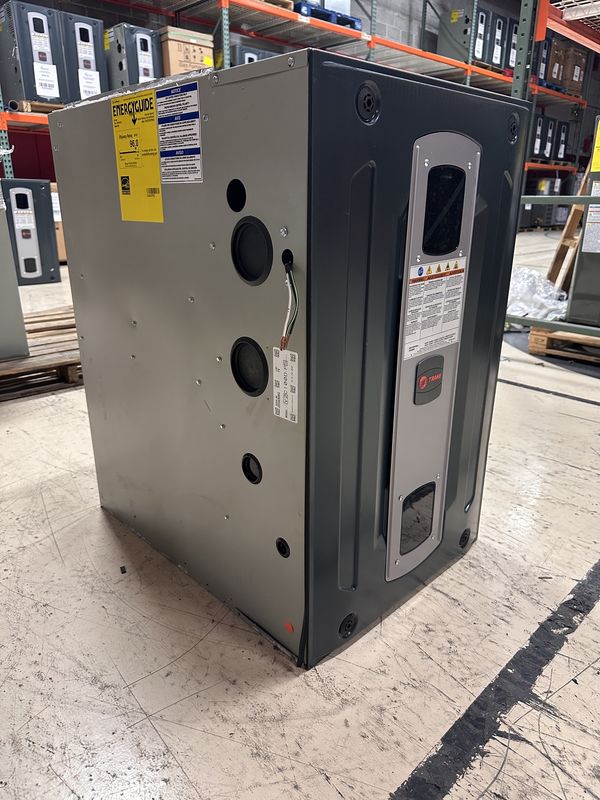
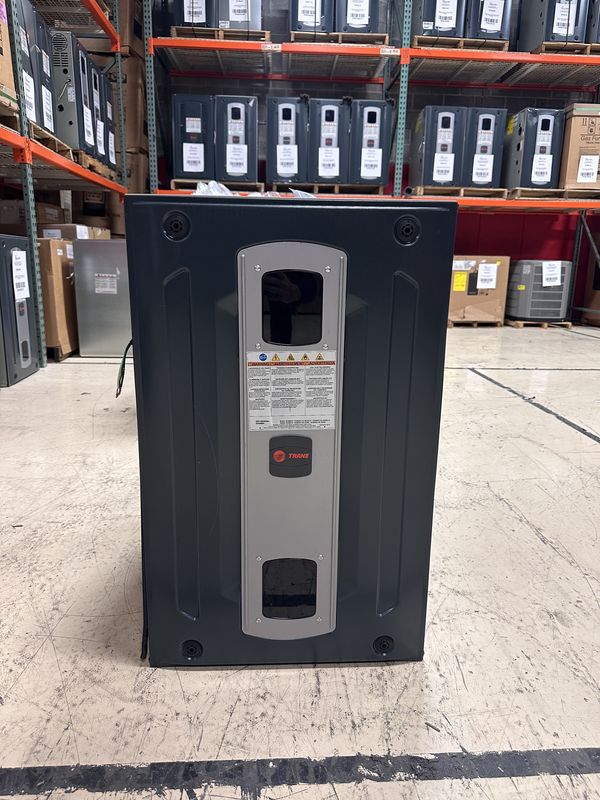
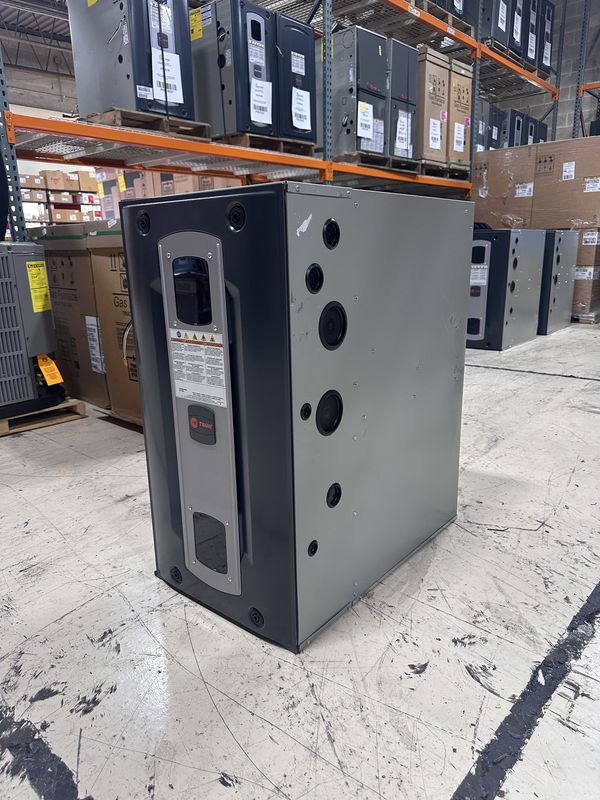
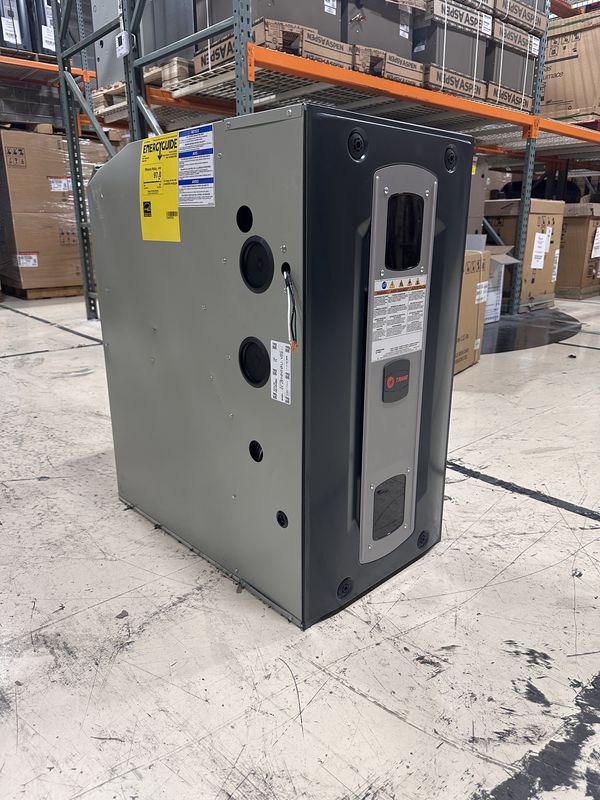
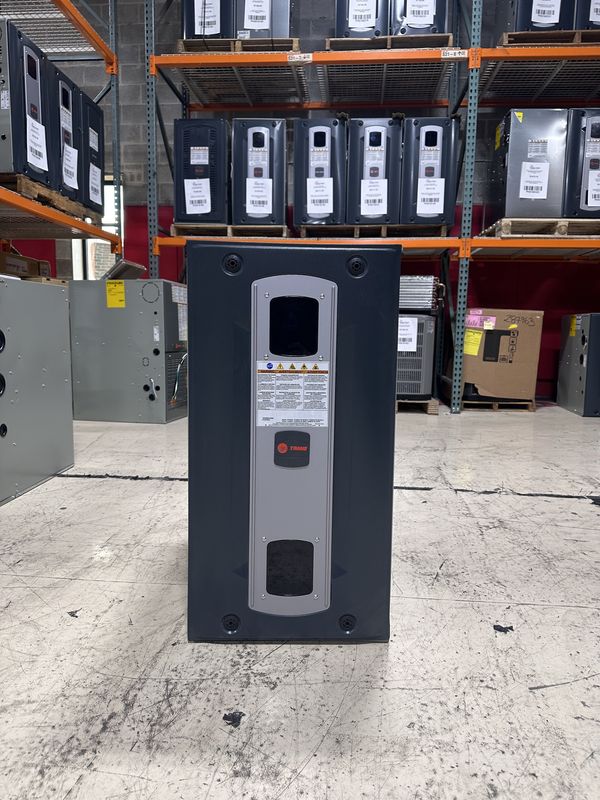
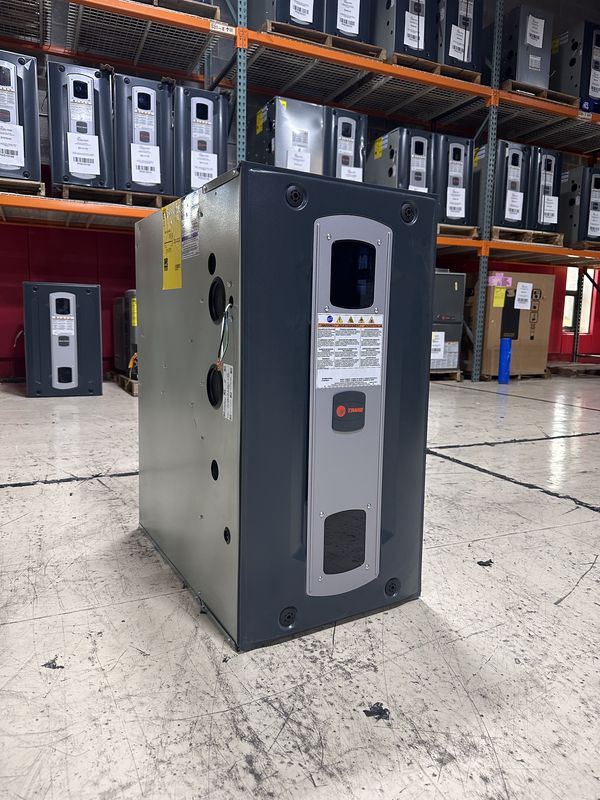
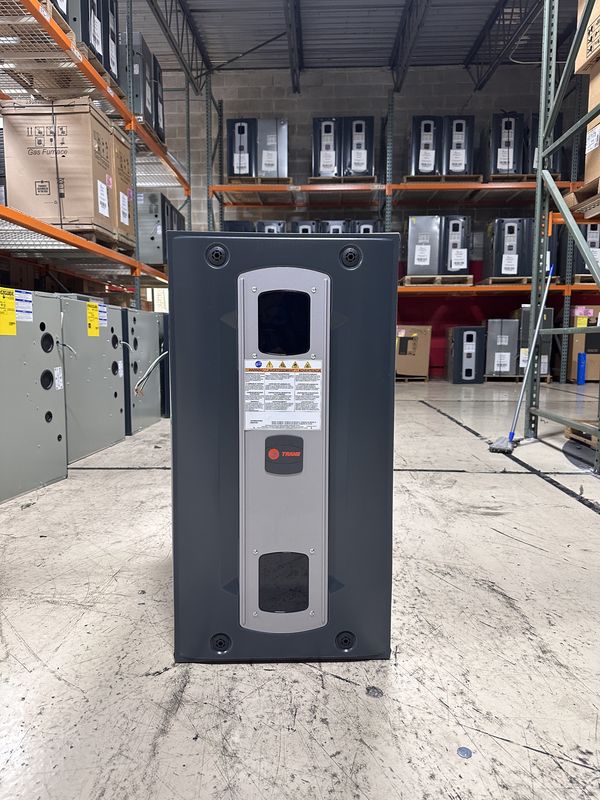
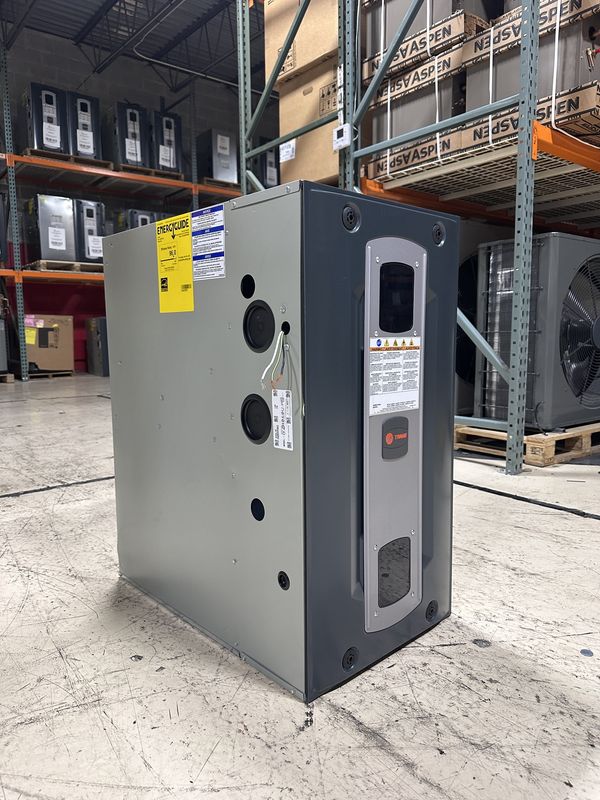
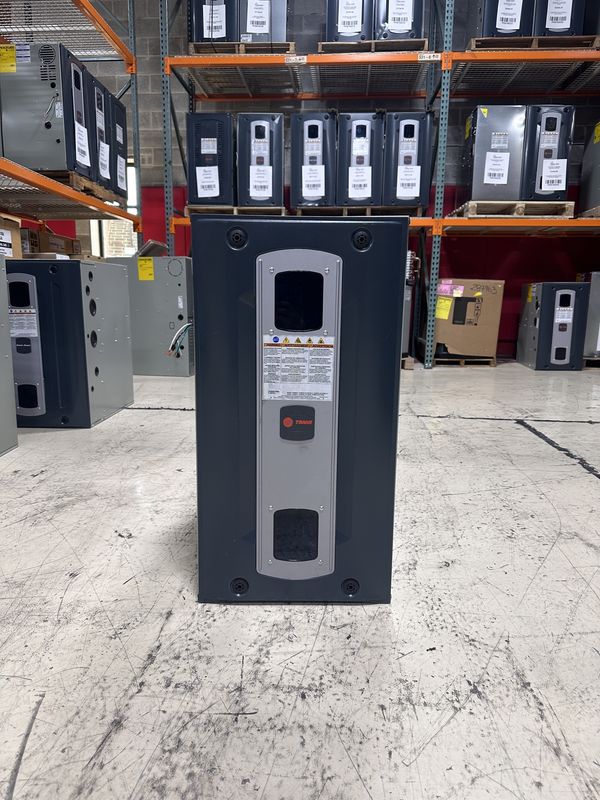
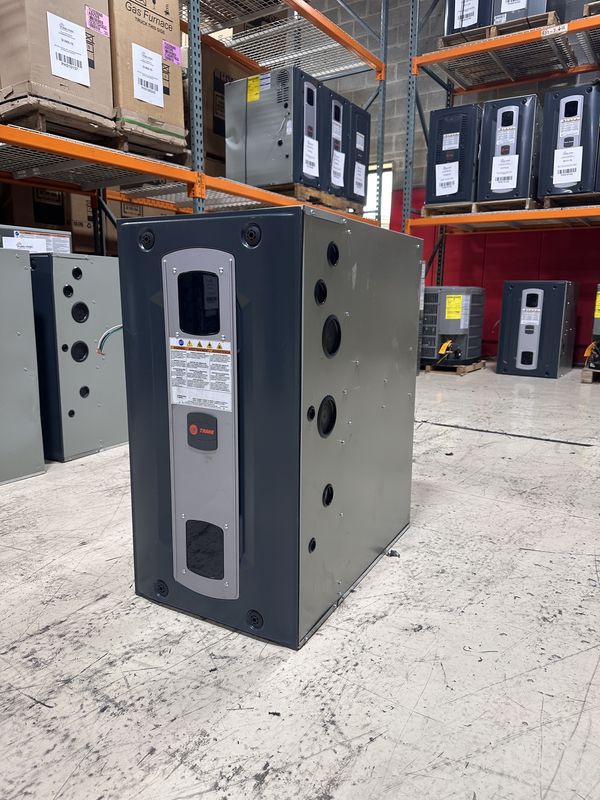
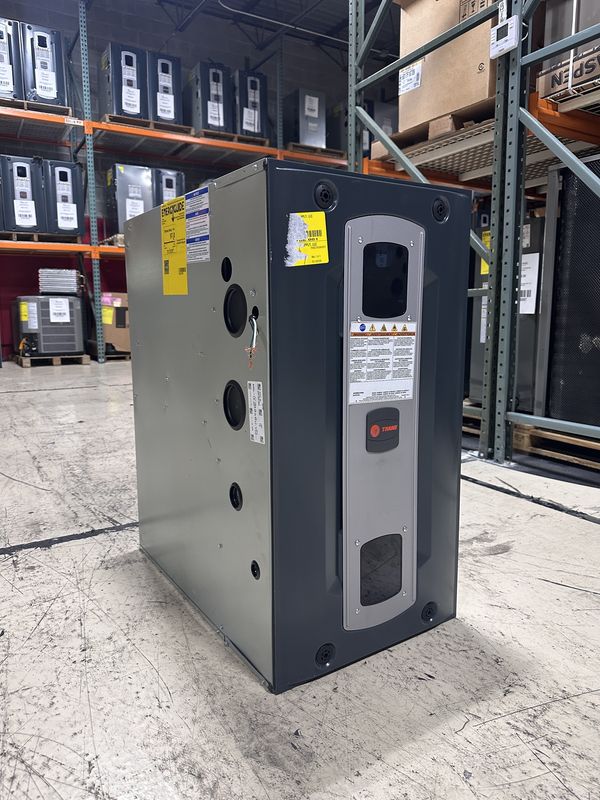
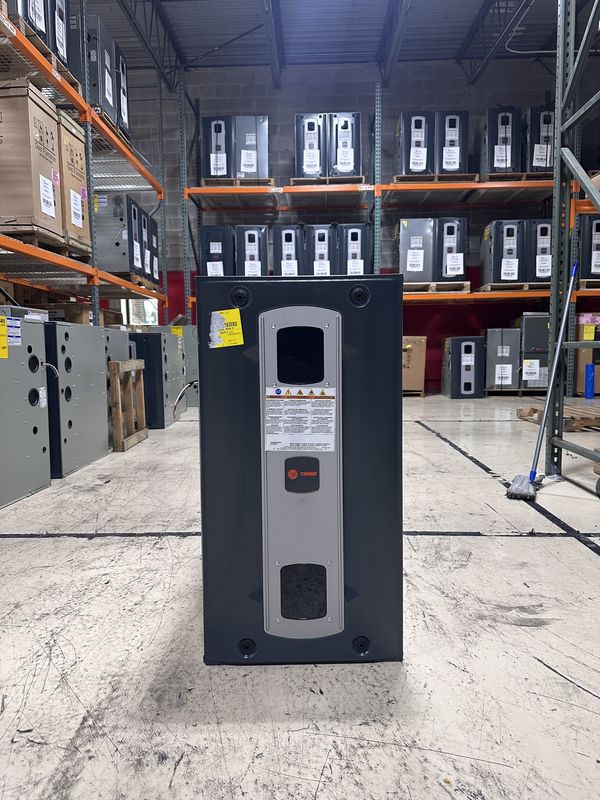
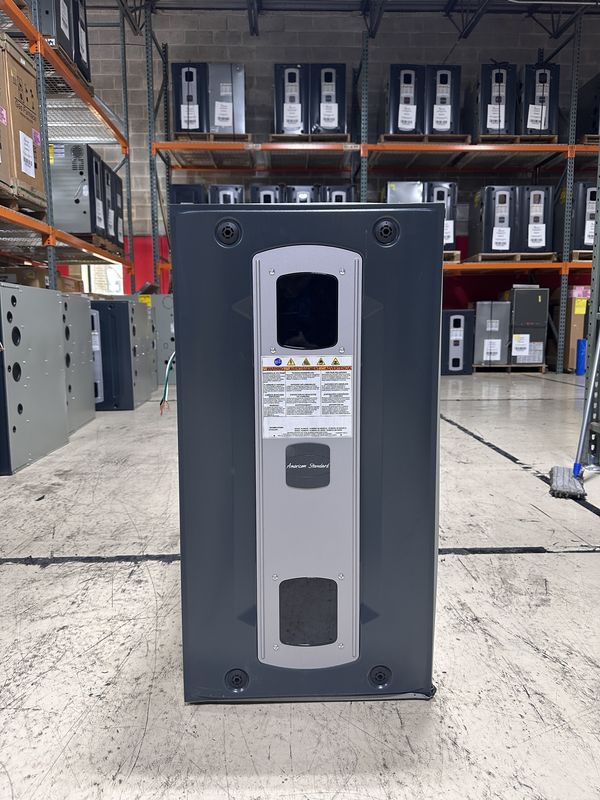
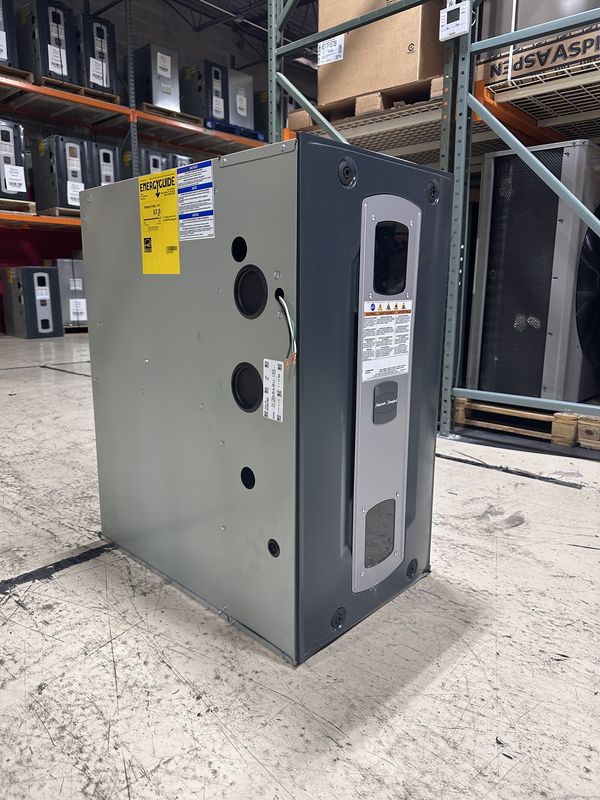
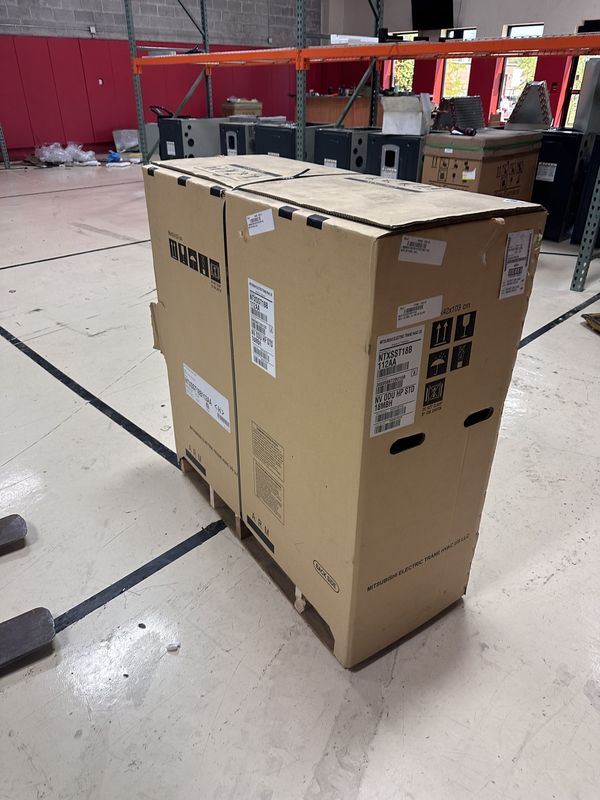
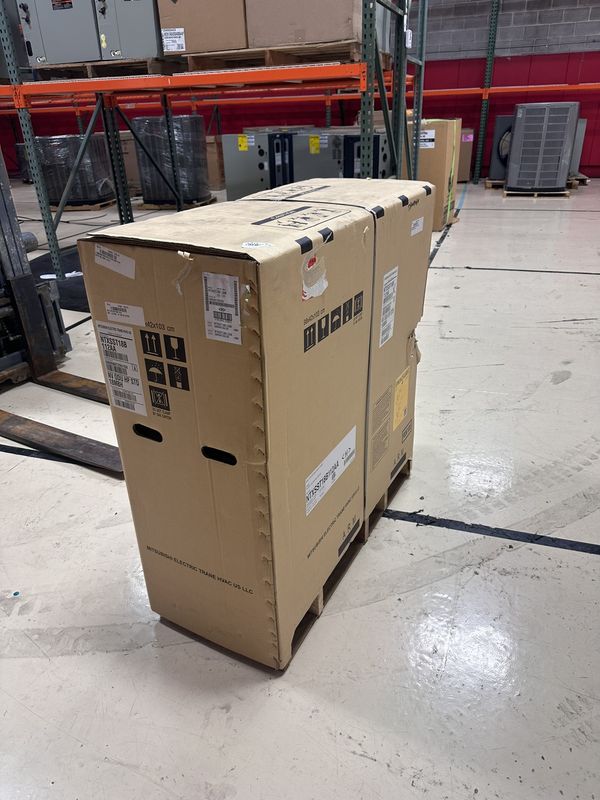
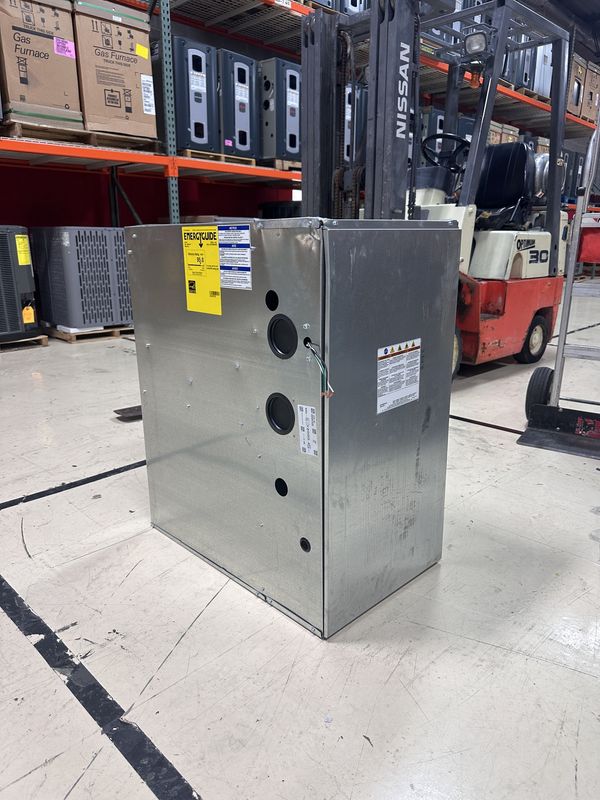
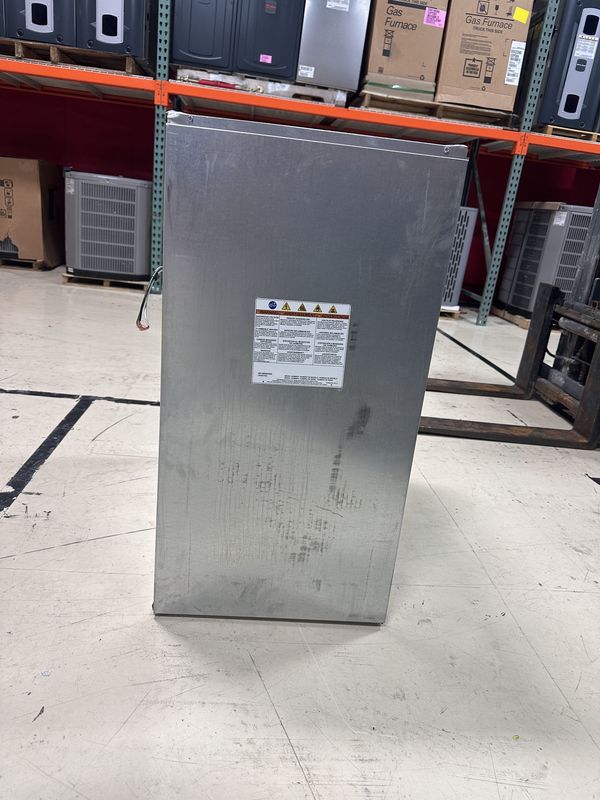
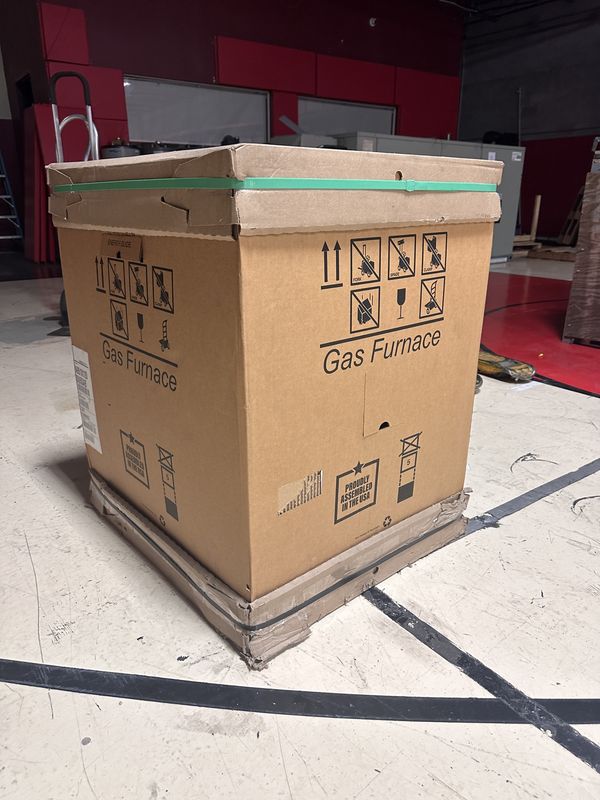
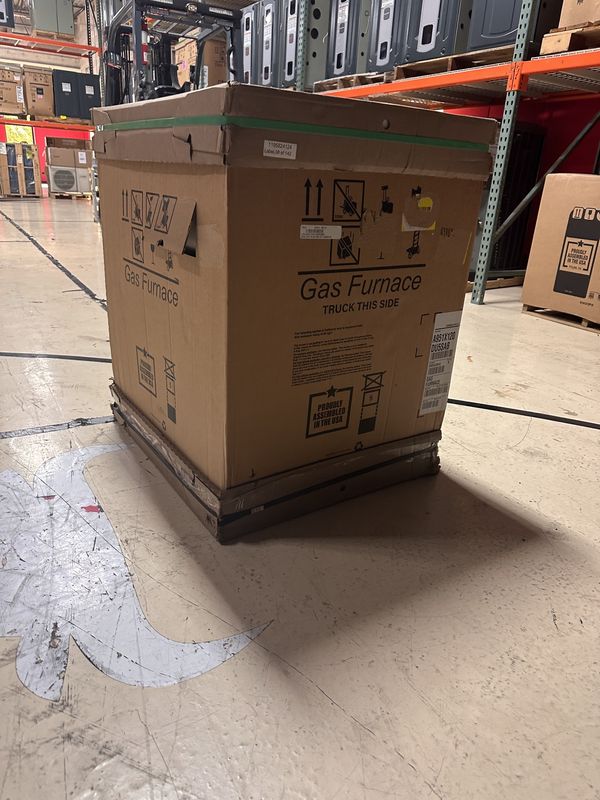
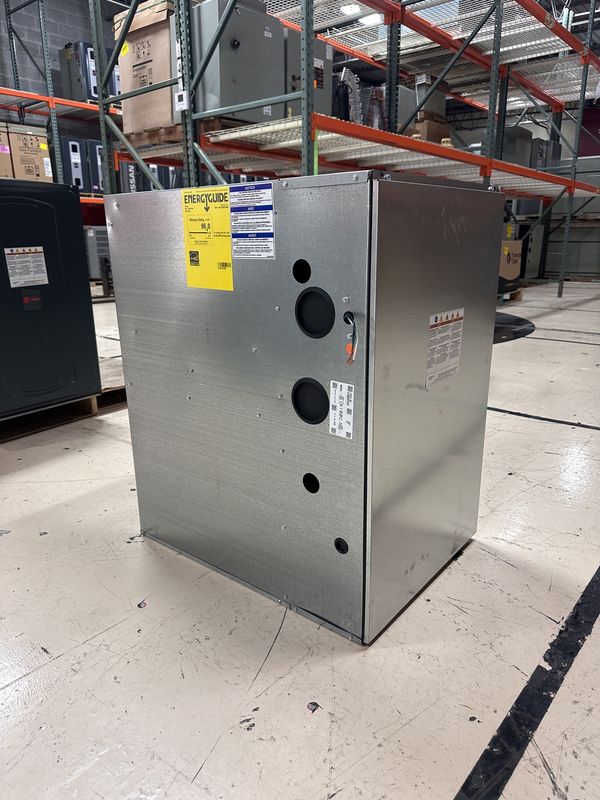
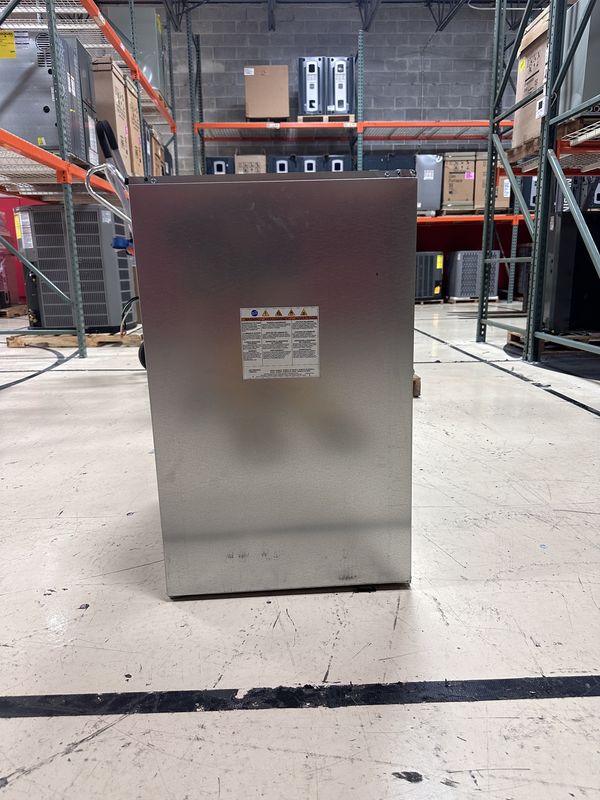
Trane 60K BTU 2 STAGE V SPEED- S8V2B060M4PCBAA Furnace
Trane 60K BTU 2 STAGE V SPEED- S8V2B060M4PCBAA Furnace
SKU PHS10057
was $2 950.00
Save 27%
$2 150.00
Sold out
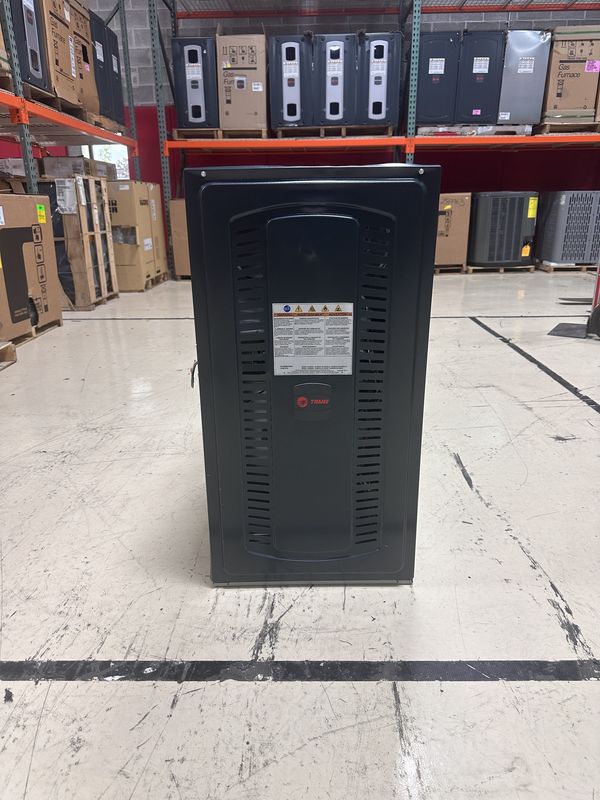
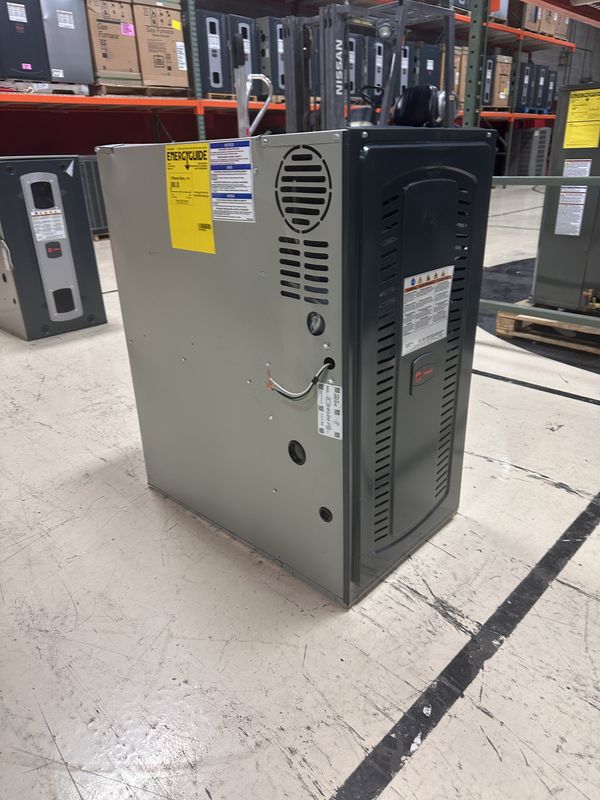
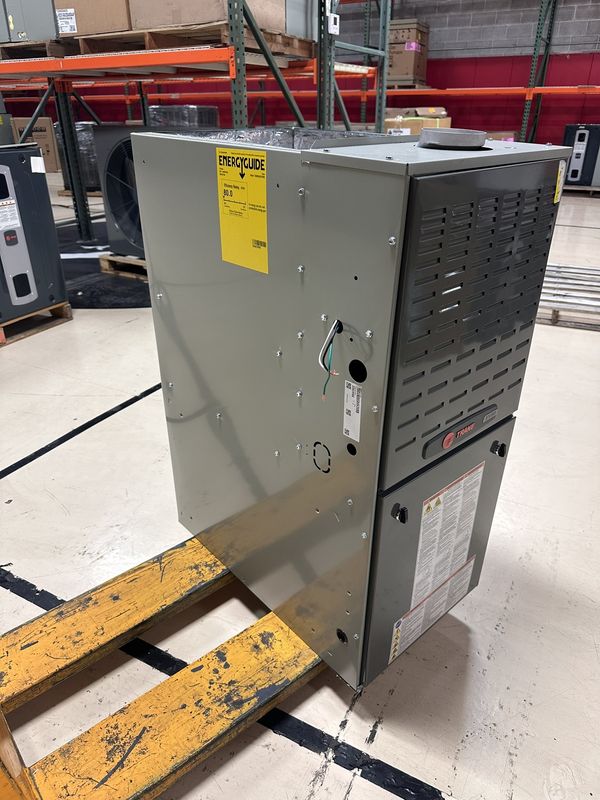
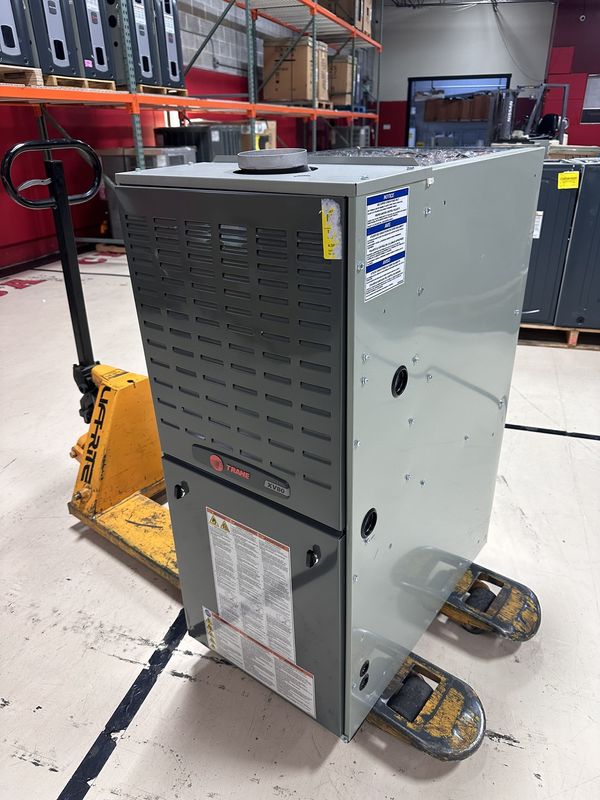
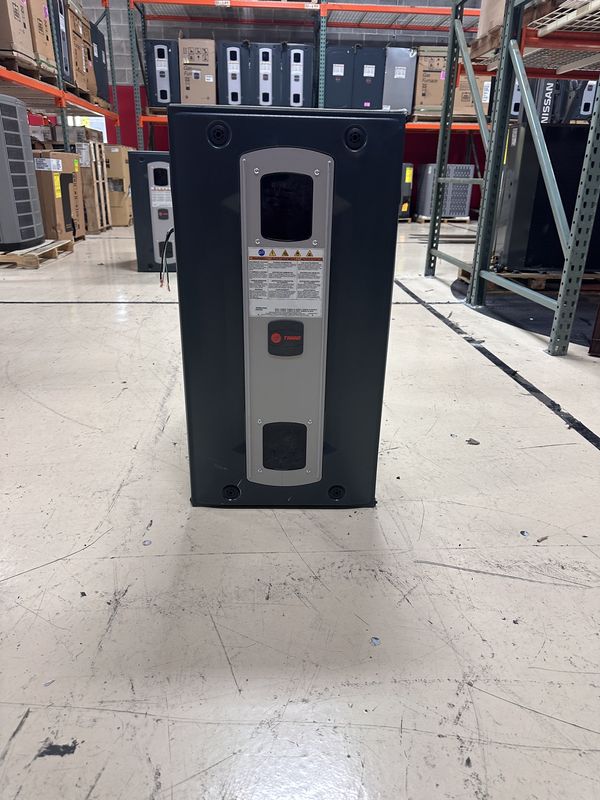
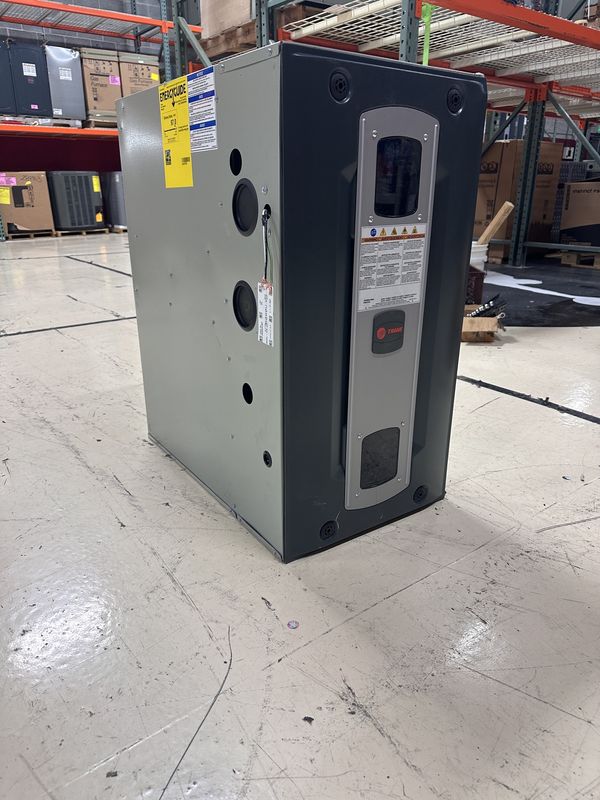
Trane AS 60K BTU 80% - S8X1B060M4PSCB Furnace
Trane AS 60K BTU 80% - S8X1B060M4PSCB Furnace
SKU PHS10186
$1 425.60
Out of stock
On Sale
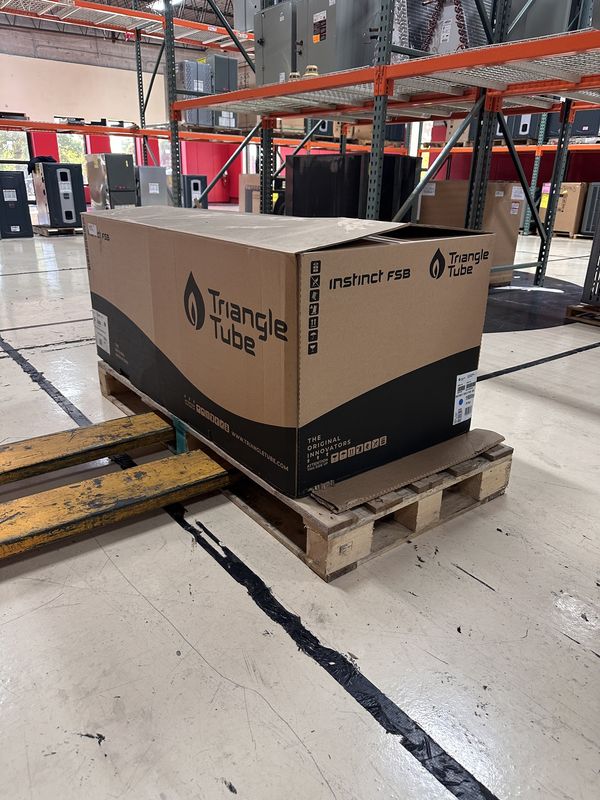
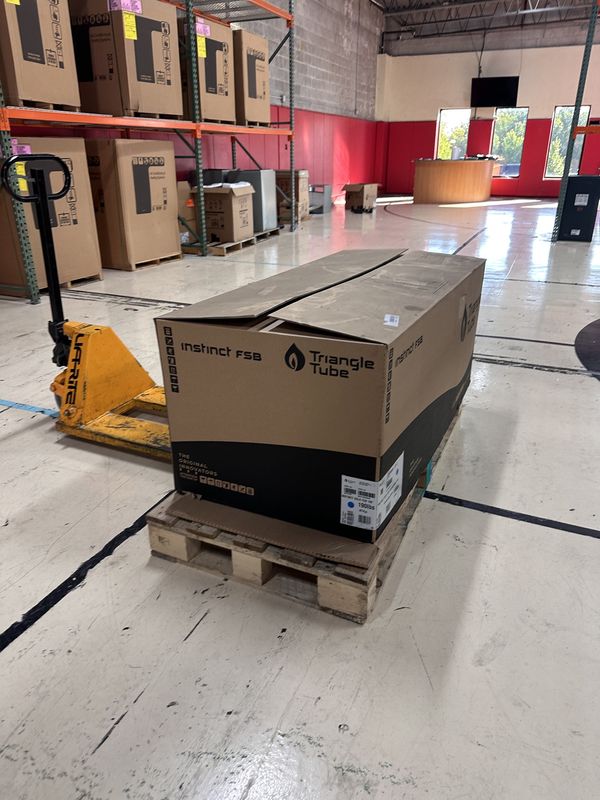
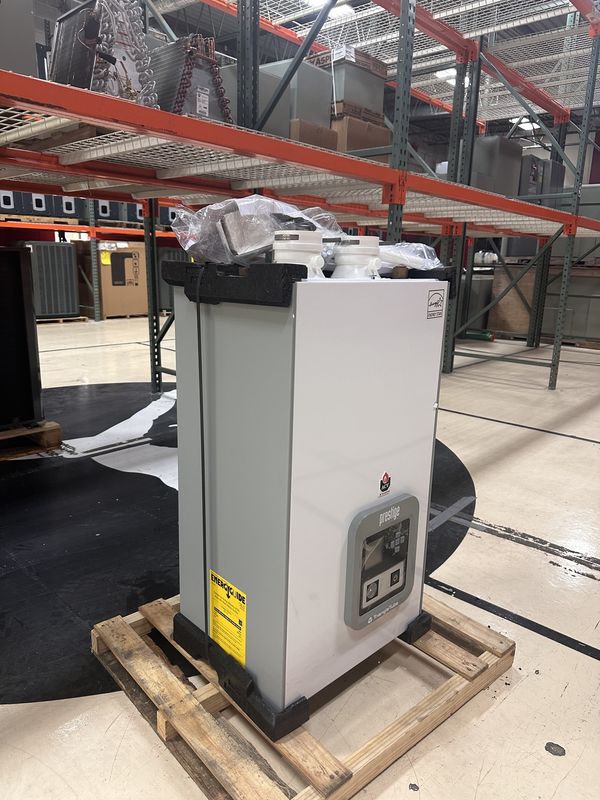
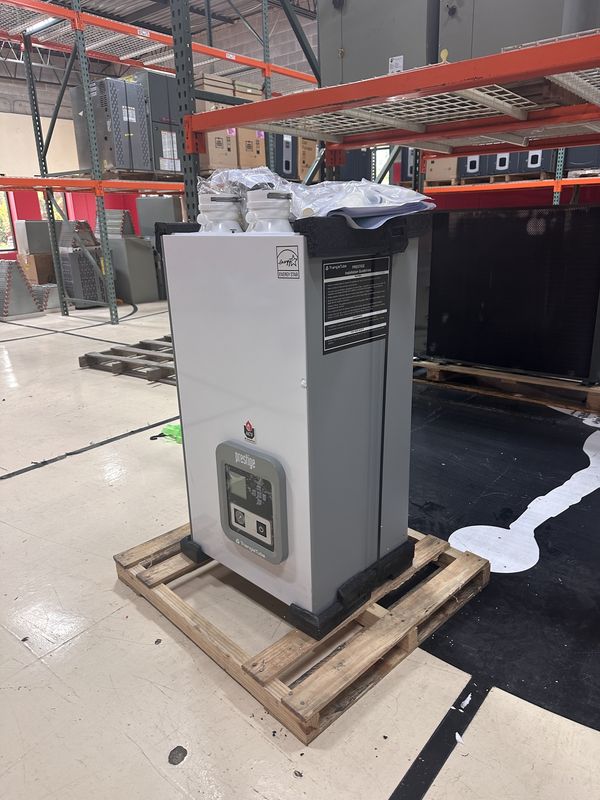
Triangle Tube 199K BTR HR - INSFS199S
Triangle Tube 199K BTR HR - INSFS199S
SKU PHS10188
was $5 450.00
Save 22%
$4 250.00
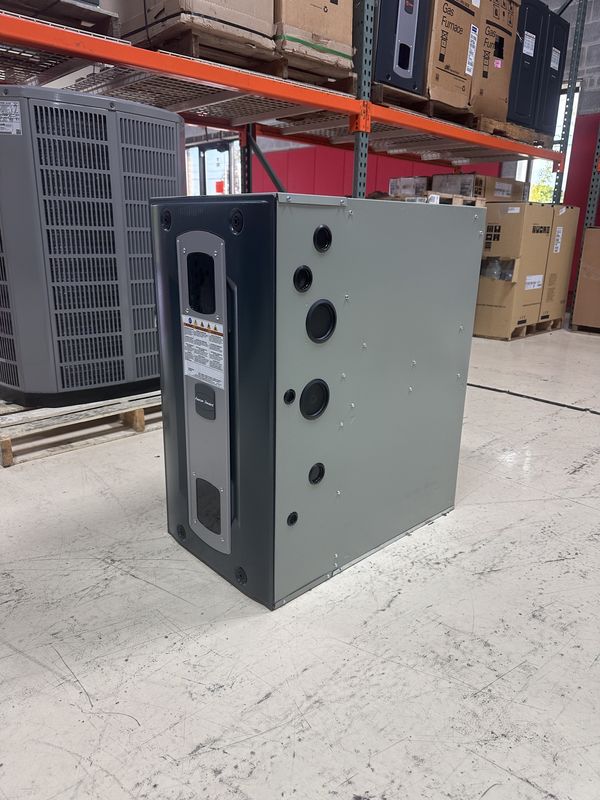
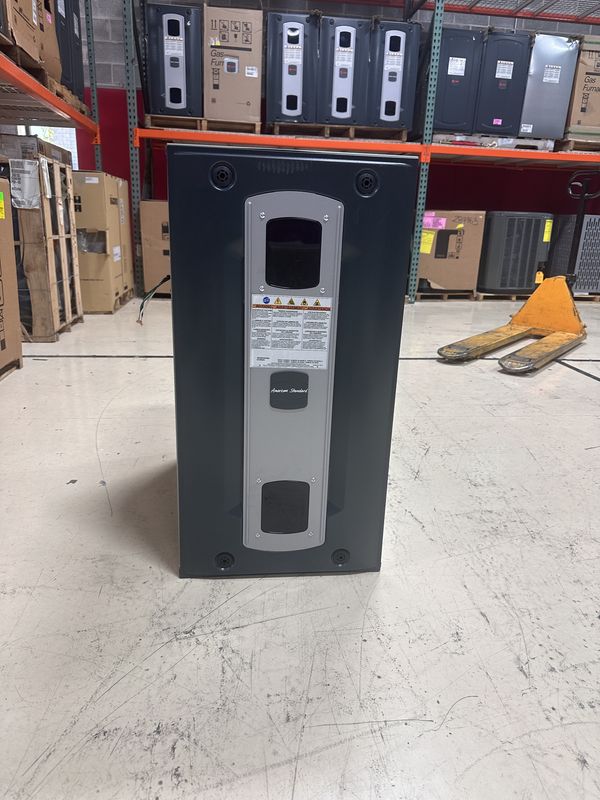
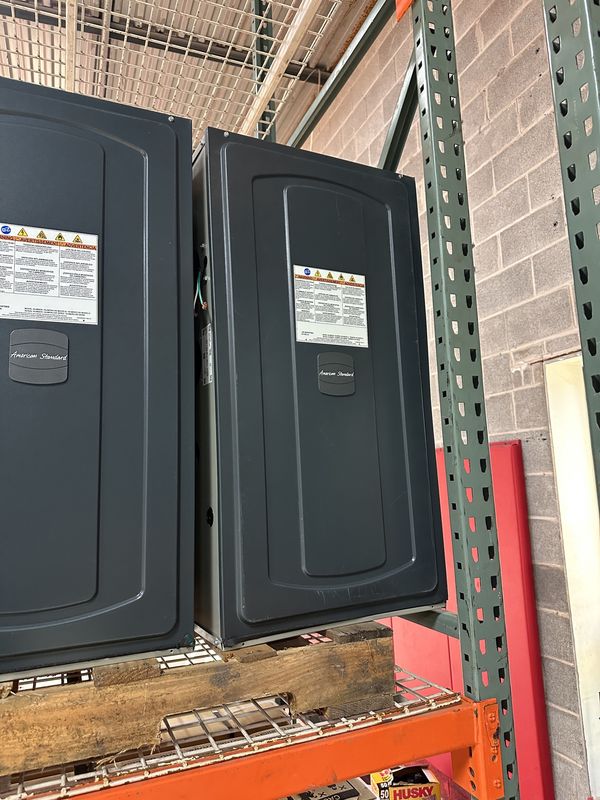
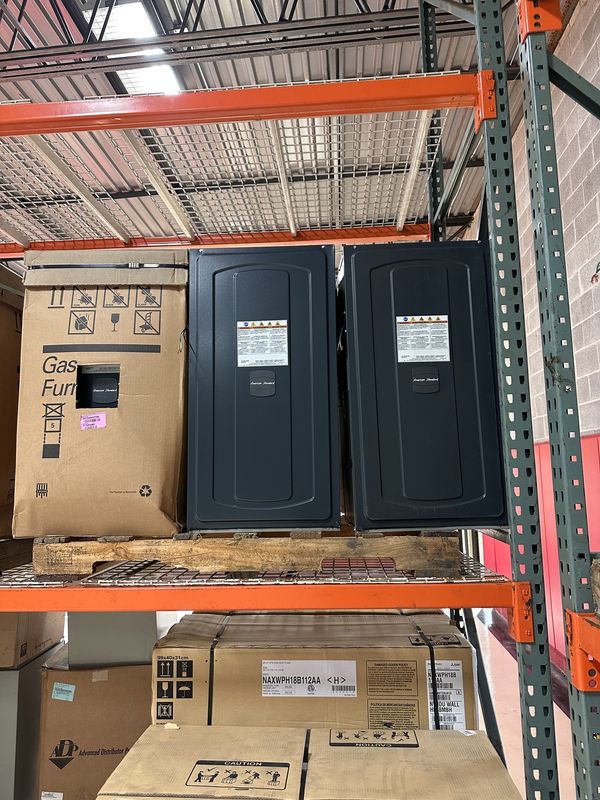
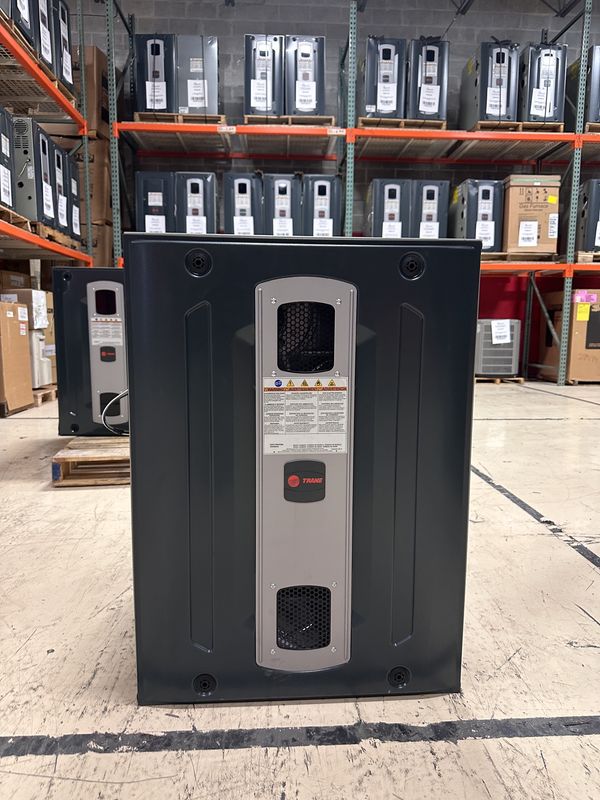
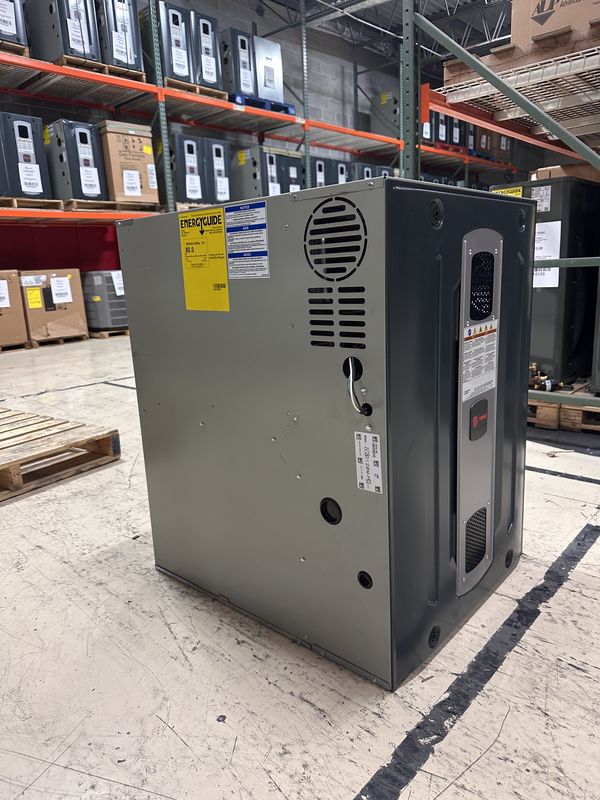
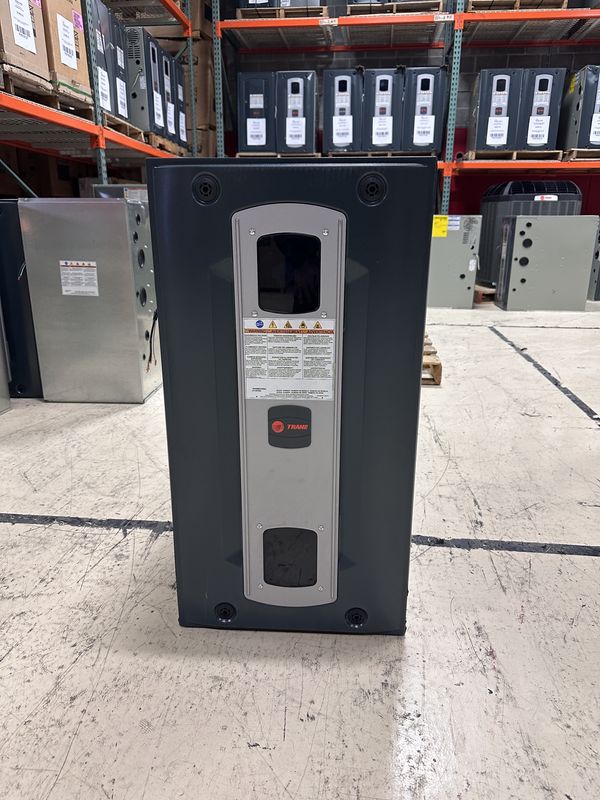
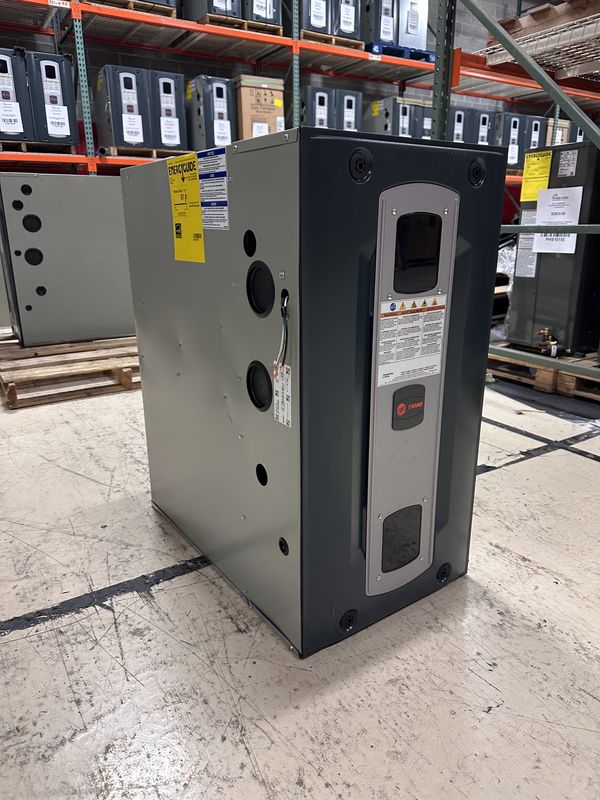
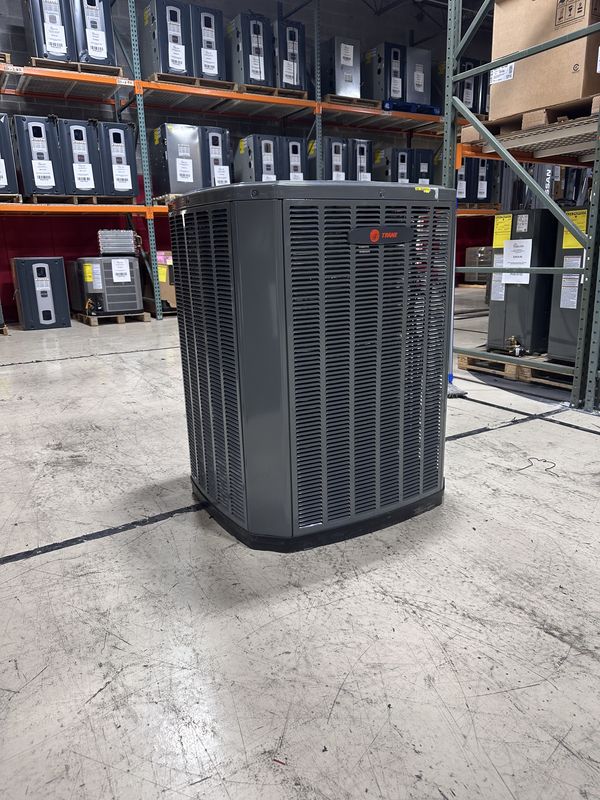
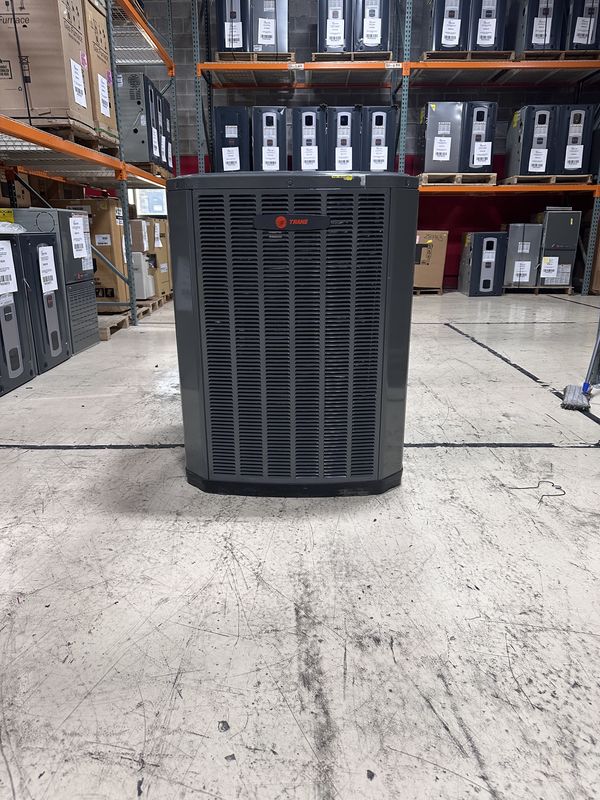
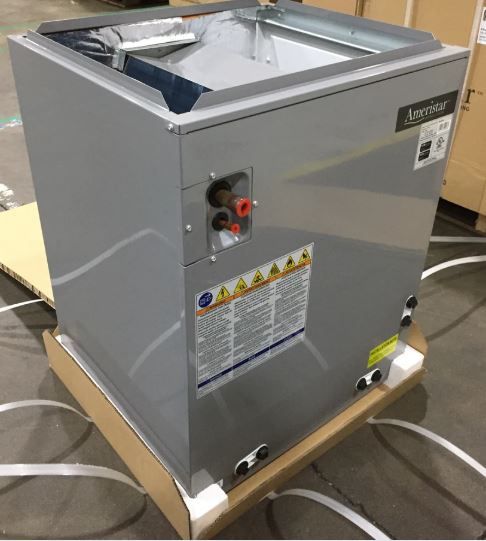


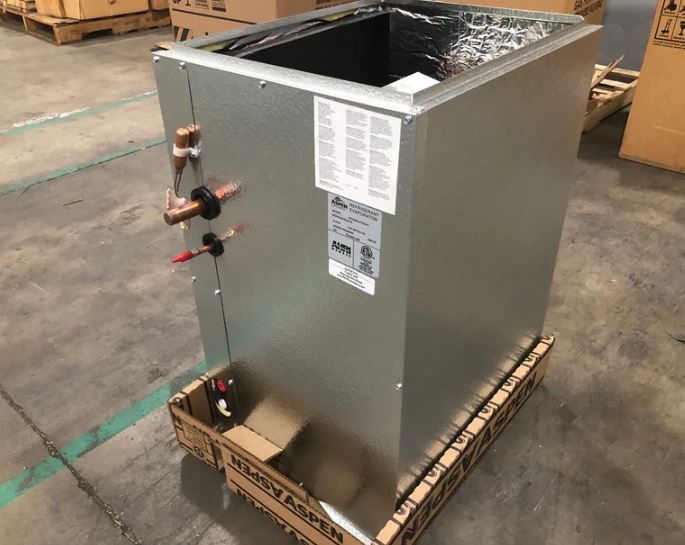
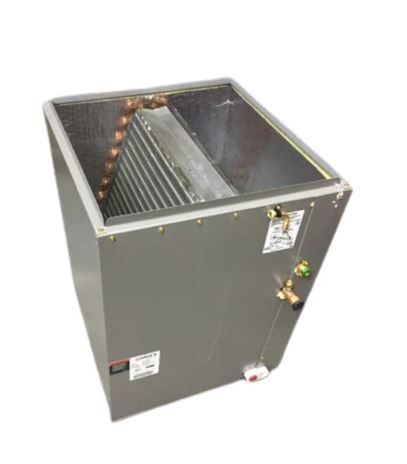
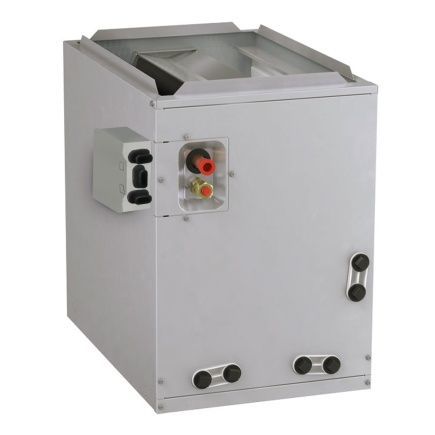
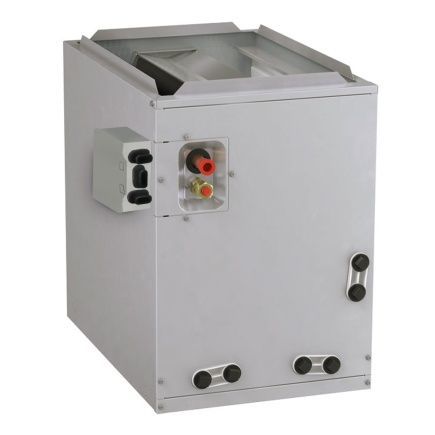
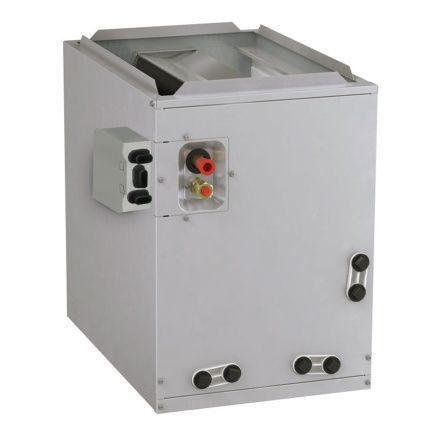
HVAC Equipment
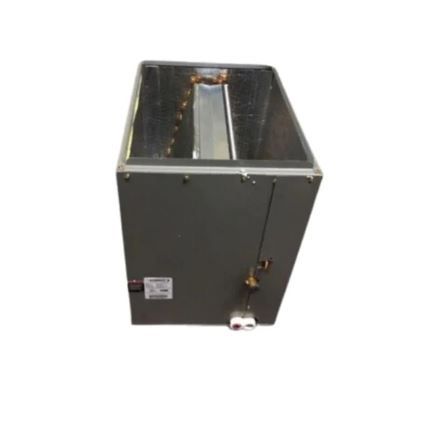
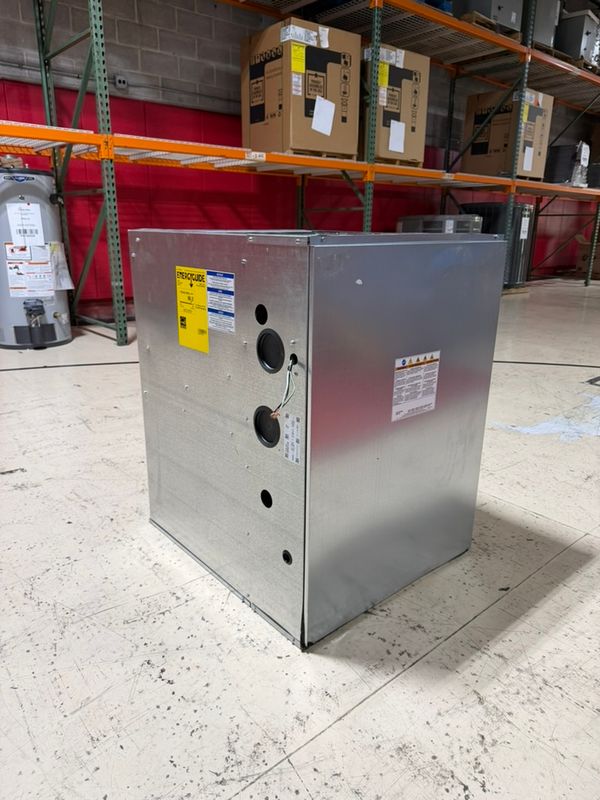
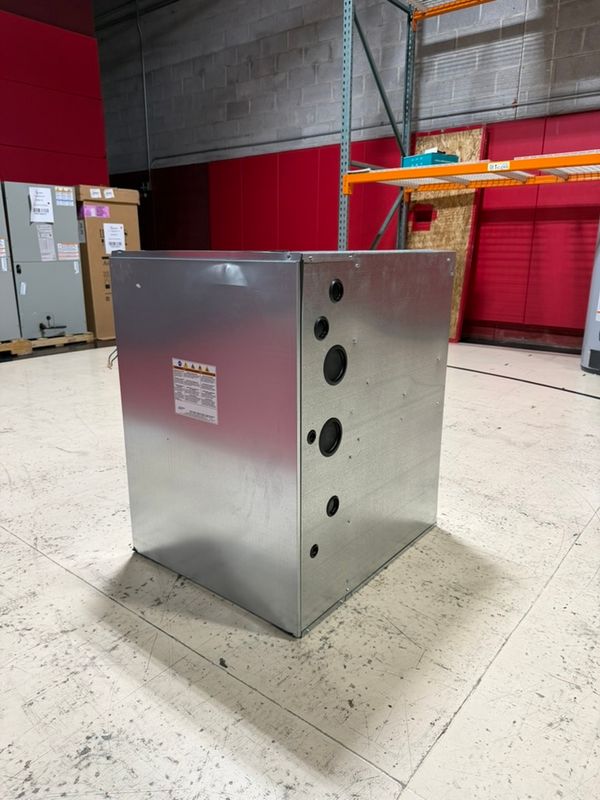
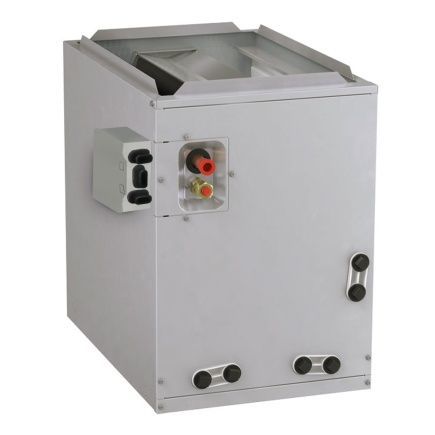
Shop HVAC equipment for residential and commercial heating and cooling projects at Public HVAC Solutions. Browse furnaces, AC condensers, evaporator coils, packaged HVAC units and other equipment for replacement jobs, system upgrades and new installations. Products are available in different capacities, efficiencies, refrigerants, electrical requirements and configurations, with equipment from brands such as Trane, RunTru, Aspen, Lennox and American Standard. Compare available models and specifications to find equipment that fits the needs of your project.
Heating and Cooling Equipment for Different Applications
HVAC equipment covers a wide range of products, and what works for one building may not work for another. A residential furnace and central air conditioning system, for example, is set up differently from a commercial packaged rooftop unit serving a larger building.
Public HVAC Solutions carries heating and cooling equipment for both residential and commercial applications. That includes individual components used in split systems as well as packaged equipment that combines several HVAC functions in one cabinet.
Capacity is only part of the comparison. Fuel type, refrigerant, electrical requirements, efficiency, airflow and system configuration can all affect which equipment is appropriate. If you are replacing only one component, it also needs to work properly with the rest of the existing system unless you are installing a complete matched HVAC system.
Furnaces, AC Condensers, Coils and Packaged HVAC Units
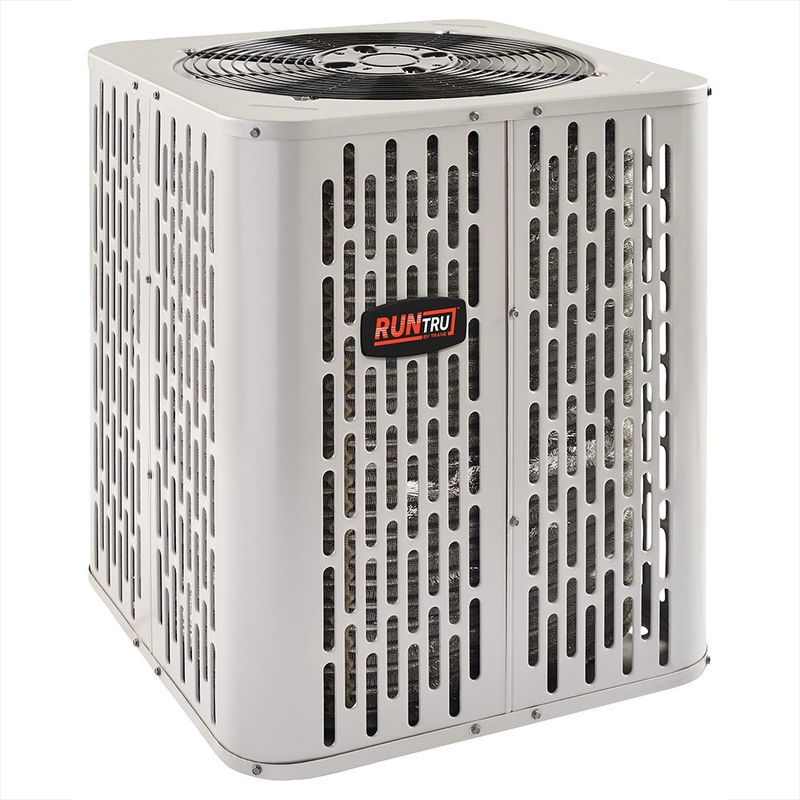
Different types of HVAC equipment handle different parts of the heating and cooling process. Gas furnaces provide heat and circulate conditioned air through a duct system. An AC condenser works with an indoor evaporator coil and air-moving equipment as part of a central air conditioning system.
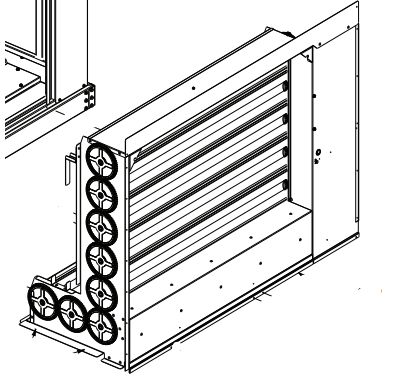
Evaporator coils are also sold as separate components for replacement projects and system installations. Matching a coil to an outdoor unit requires more than choosing the same nominal tonnage. Refrigerant, metering, cabinet size and the equipment combination itself can all matter.
Commercial buildings often use packaged HVAC units rather than separate indoor and outdoor equipment. Many rooftop systems combine cooling, air movement and, depending on the model, heating in a single outdoor unit.
If you already know what type of equipment you need, you can narrow your search by browsing residential HVAC equipment, commercial HVAC equipment, AC condensers or gas furnaces.
What to Check Before Buying HVAC Equipment
Start with the requirements of the building and the complete HVAC system rather than assuming a unit with a similar size or capacity will be a direct replacement. The specifications that matter will depend on the type of equipment you are buying.
- Heating or cooling capacity
- Equipment type and system configuration
- Fuel type for heating equipment
- Refrigerant used by the system
- Voltage and electrical phase
- Efficiency ratings such as AFUE or SEER2 when applicable
- Airflow and equipment orientation
- Cabinet and installation dimensions
- Compatibility with connected indoor or outdoor components
- Controls, accessories and model-specific requirements
Two HVAC units with the same tonnage or BTU rating are not automatically interchangeable. Existing ductwork, electrical service, refrigerant components and installation space can also affect a replacement. A qualified HVAC professional should confirm sizing and compatibility before equipment is ordered or installed.
Finding HVAC Equipment for Your Project
This category is a good starting point if you are comparing several types of HVAC equipment or have not yet narrowed the project down to a specific equipment category. If you already know what needs to be replaced, moving into a more specific category makes it easier to compare relevant models and specifications.
Residential projects commonly involve a furnace, condenser, evaporator coil or complete system. Commercial buildings may use packaged rooftop equipment, split systems or other configurations based on the building and its existing mechanical setup.
For replacement work, the manufacturer and model number from the existing unit are useful starting points. They should not be treated as the only information needed, especially with older equipment. Changes in refrigerants, efficiency requirements and available equipment can mean that an older model does not have a simple one-for-one replacement.
Browse the available HVAC units online, or contact Public HVAC Solutions if you need help locating equipment that meets the requirements of your project.
HVAC Equipment Shipped Across the United States and Canada
Public HVAC Solutions supplies heating and cooling equipment to contractors, property owners, homeowners, facility teams and other HVAC buyers. Equipment is shipped across the United States and Canada.
Inventory changes as products are sold and new equipment becomes available. Check individual product listings for current pricing, availability, model numbers and specifications before ordering. If you are looking for a particular type of equipment or model, Public HVAC Solutions can also help you review available options.
HVAC Equipment FAQs
Can I replace an HVAC unit with another model that has the same tonnage?
Not necessarily. Tonnage describes nominal cooling capacity, but it does not mean two pieces of equipment are interchangeable. Refrigerant, efficiency, electrical requirements, airflow, cabinet dimensions and connected components can all differ.
In a split air conditioning system, the outdoor condenser and indoor coil also need to be properly matched. Choosing replacement equipment based only on tonnage can result in a combination that does not meet the manufacturer's intended system requirements. The complete equipment combination should be checked before ordering.
Is it better to replace one HVAC component or the entire system?
It depends on the age and condition of the equipment and whether a compatible replacement component is available. A failed furnace, condenser or coil does not automatically mean the entire HVAC system needs to be replaced.
In some cases, replacing only one part can be difficult if the remaining equipment is older or cannot be properly matched with current products. Refrigerant compatibility, efficiency, repair history and the condition of the other major components should all be considered before deciding between a single-component replacement and a larger system replacement.
What information should I have when looking for replacement HVAC equipment?
The manufacturer and complete model number of the existing equipment are good places to start. Depending on what you are replacing, you may also need the heating or cooling capacity, refrigerant, voltage, phase, fuel type, airflow configuration and information about the other equipment connected to the system.
A photo of the equipment nameplate can help document important specifications. With older systems, finding the exact same model may not be possible or may not be the best replacement approach. New equipment should be selected based on the requirements of the complete system.
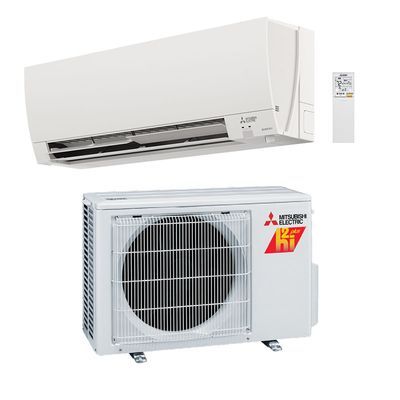
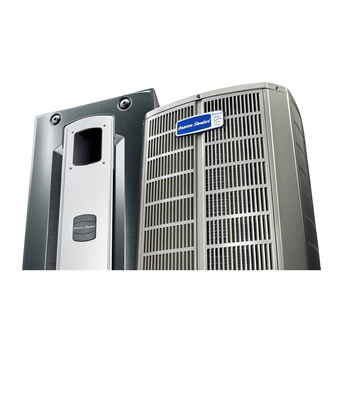
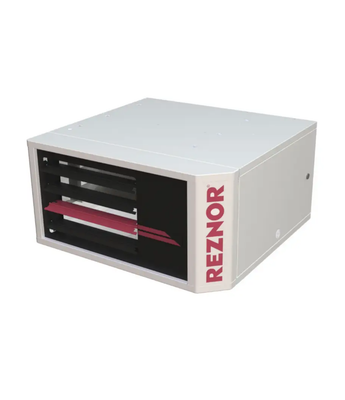
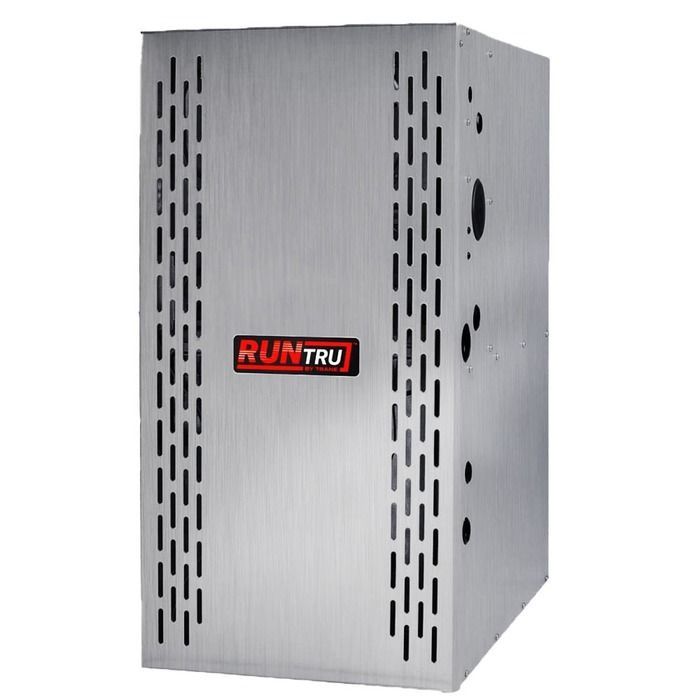
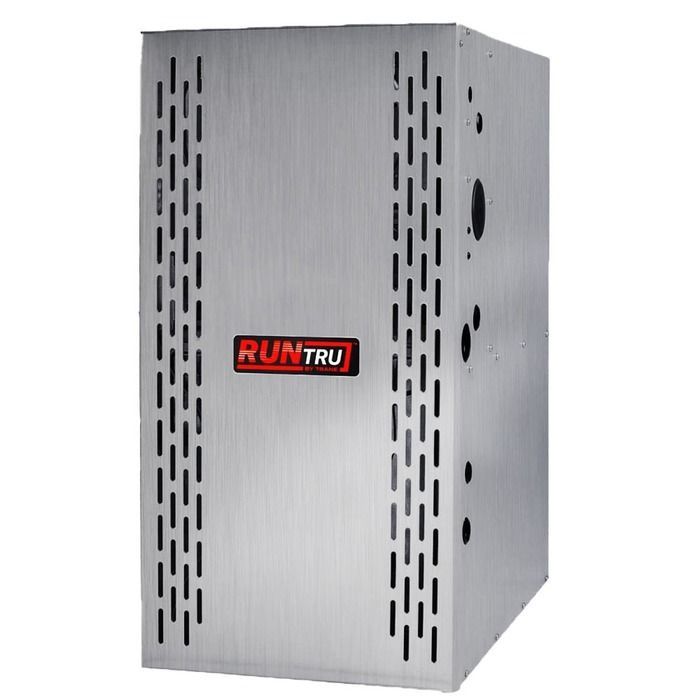
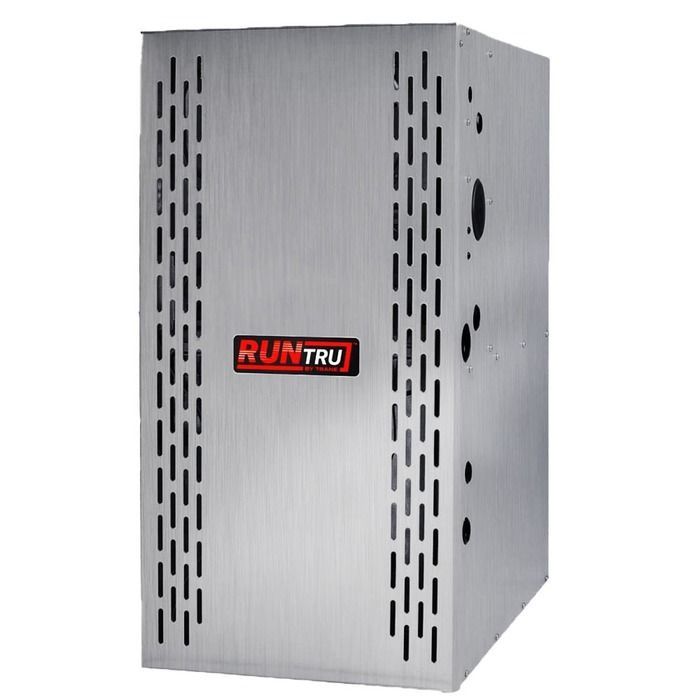
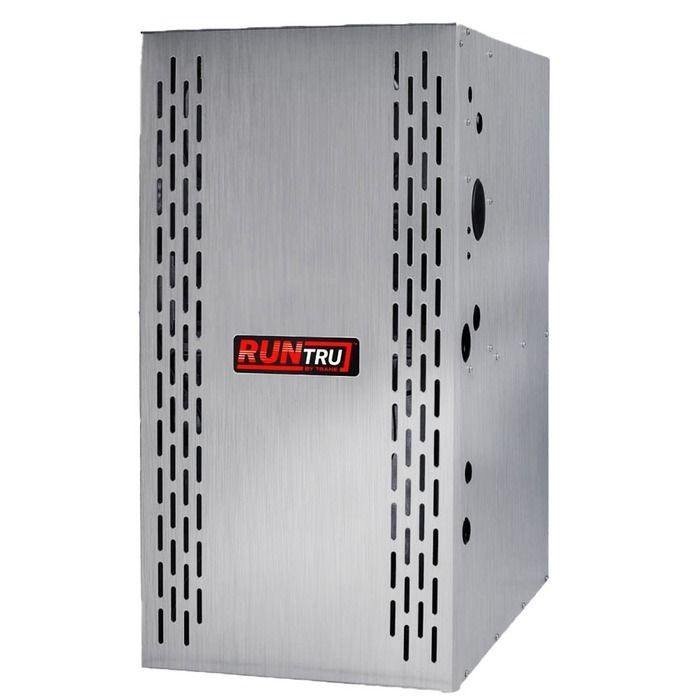
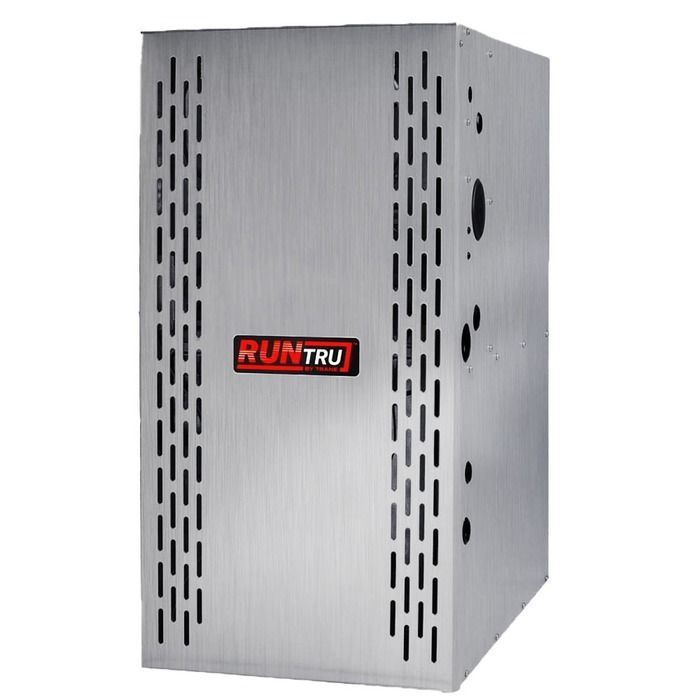
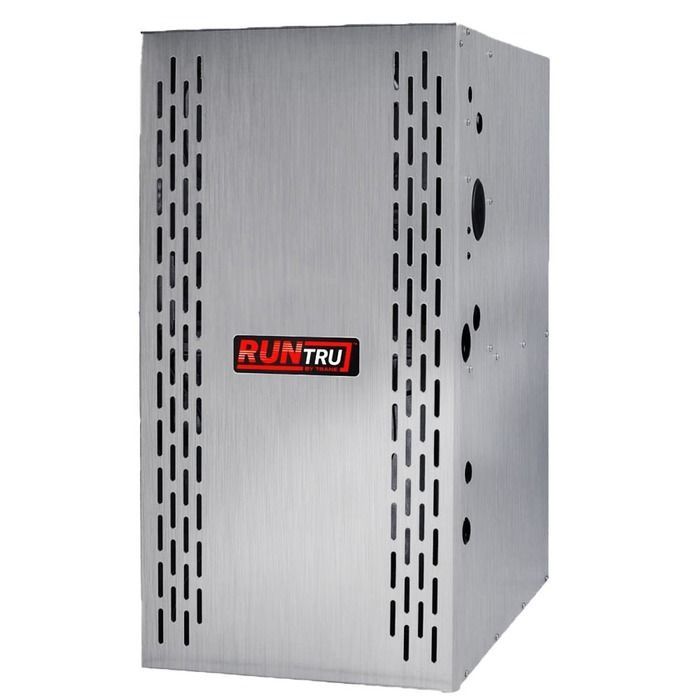
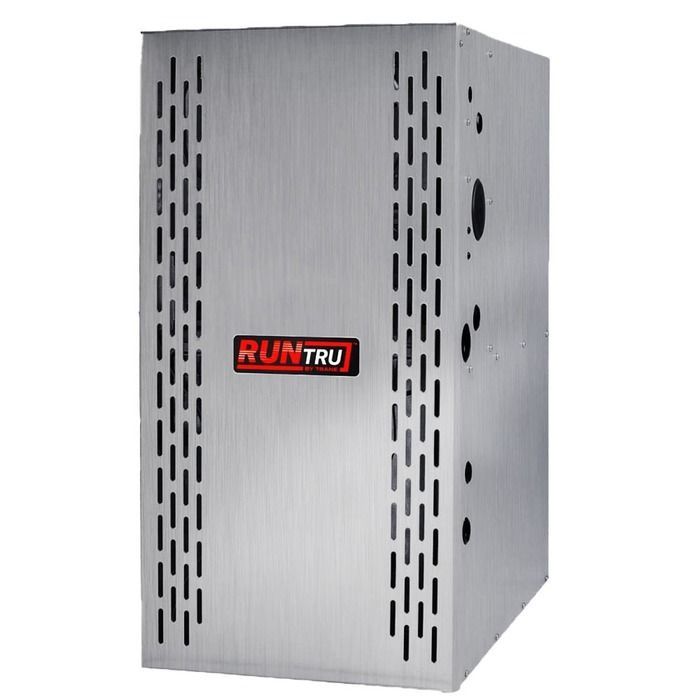
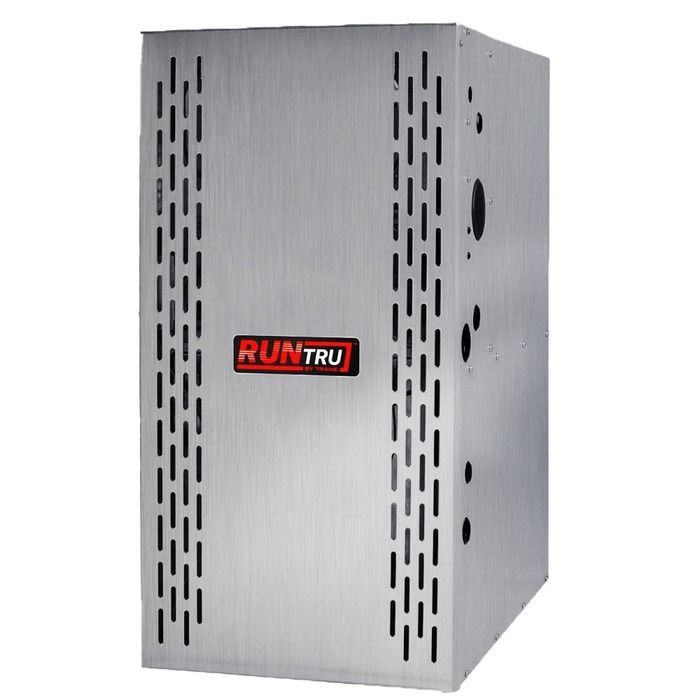
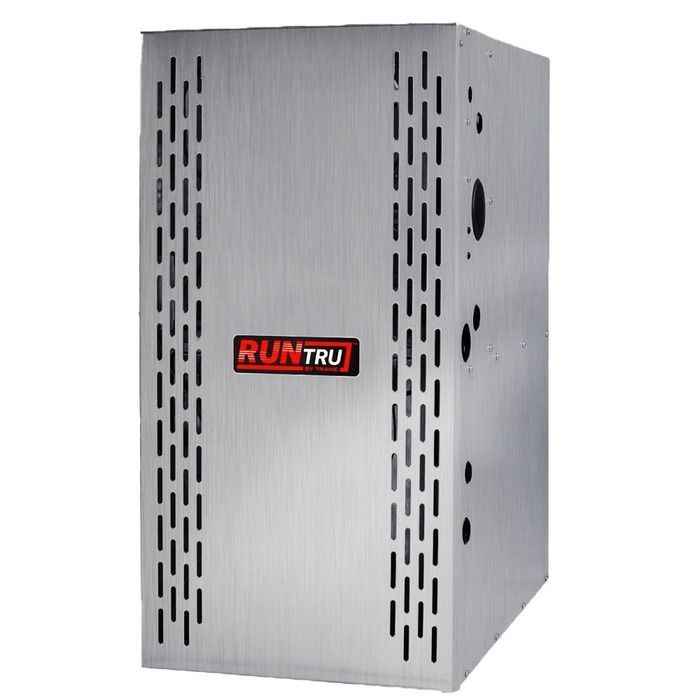
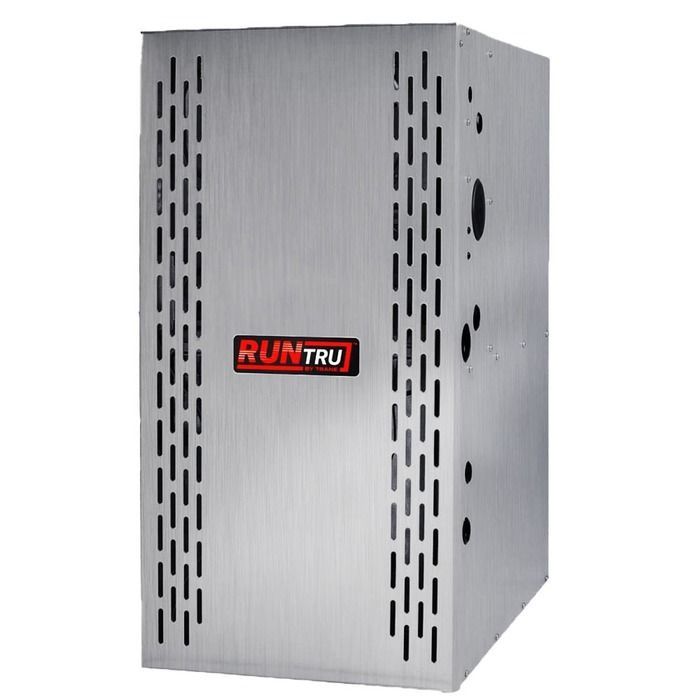
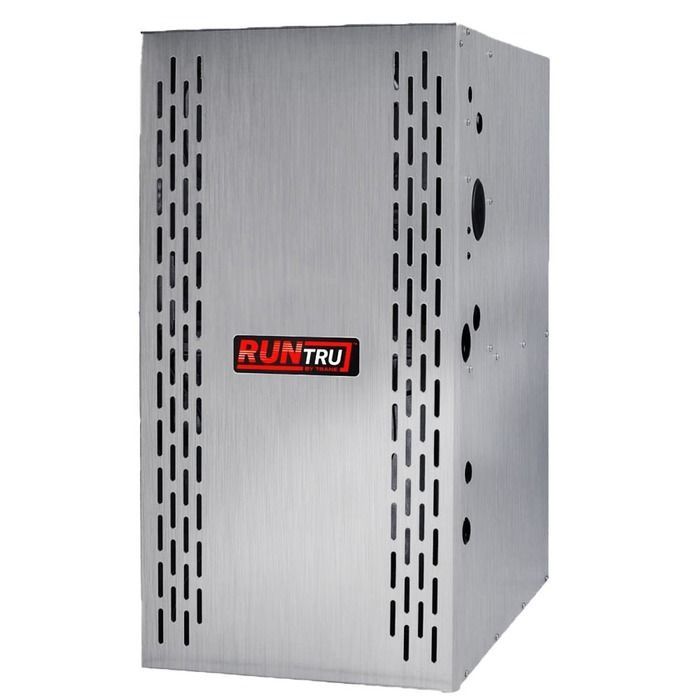
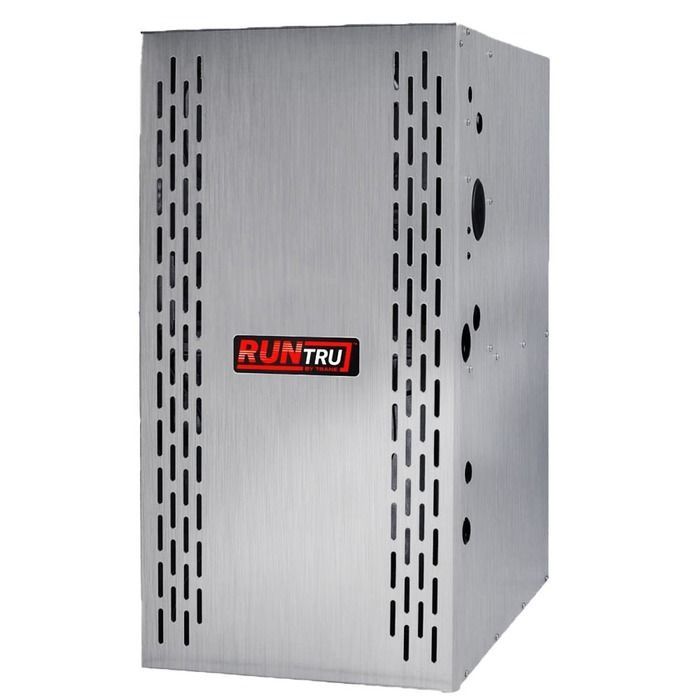
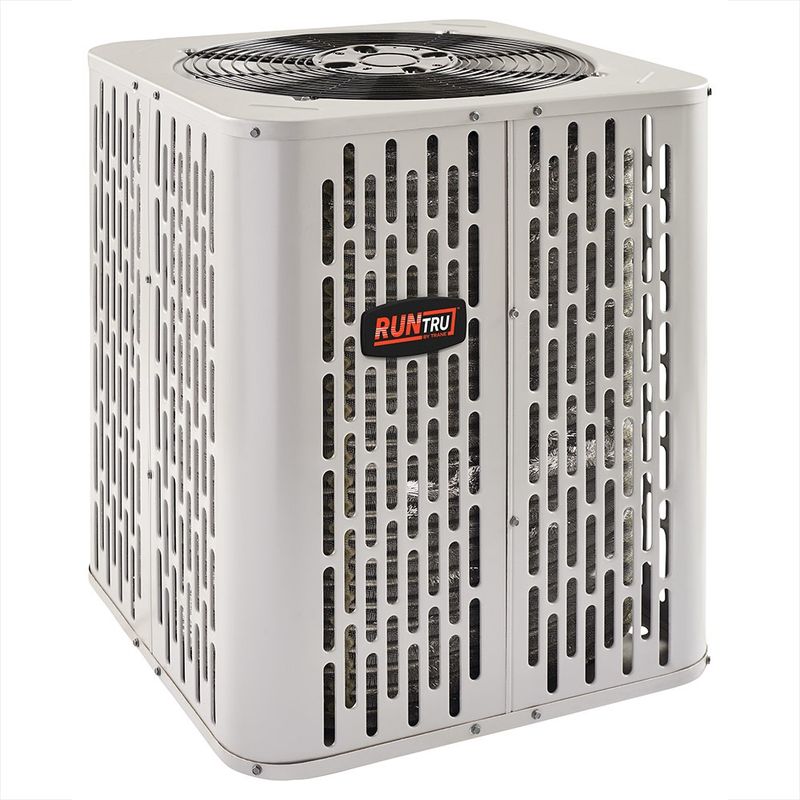
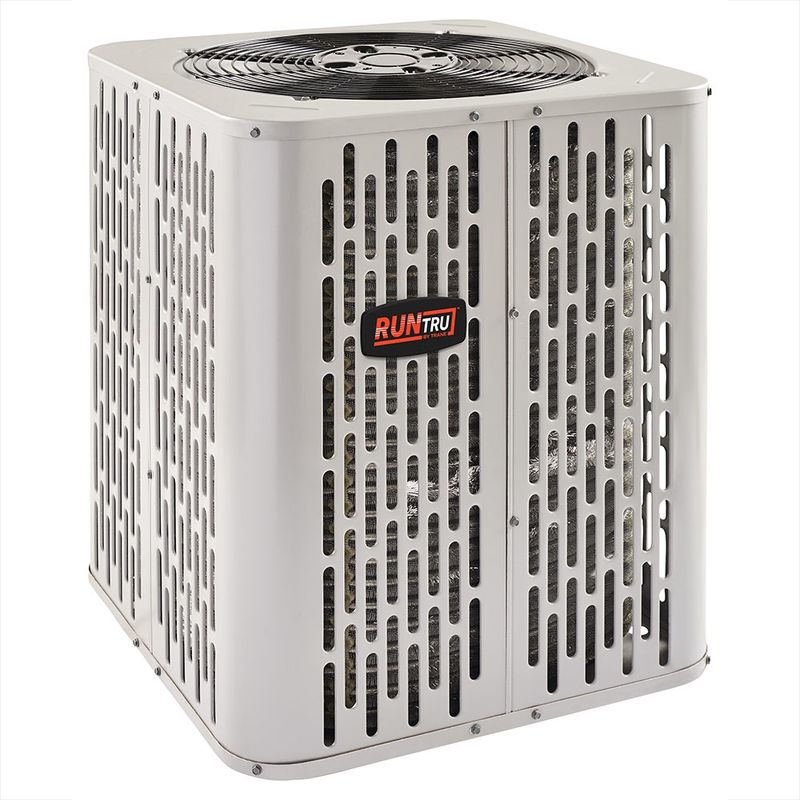
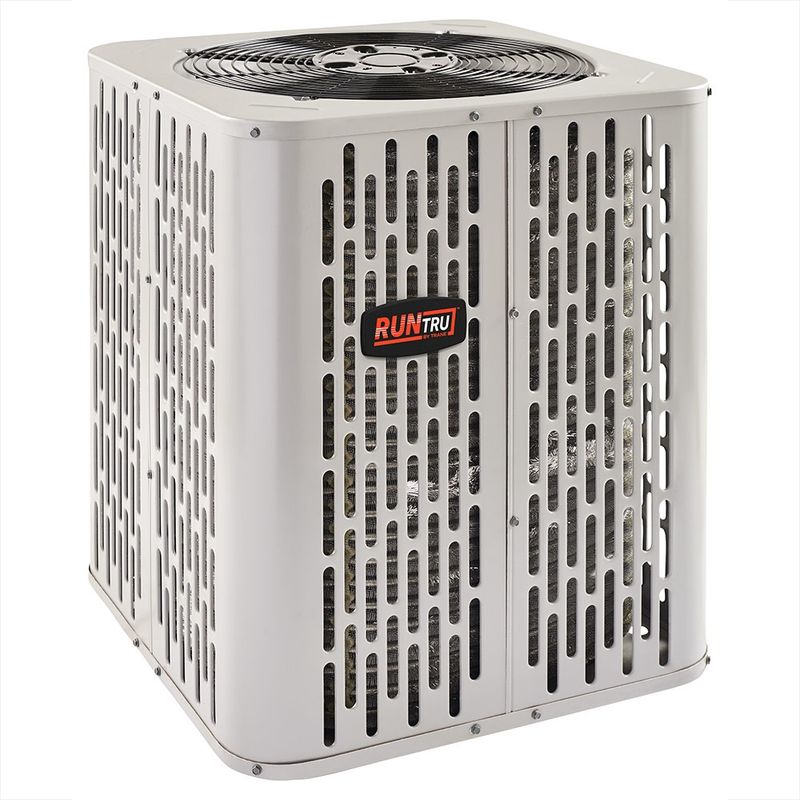
Trane Runtru Furnace Model #A952V080BU4SB
Trane Runtru Furnace Model #A952V080BU4SB
SKU A952V080BU4SB
$2 395.00
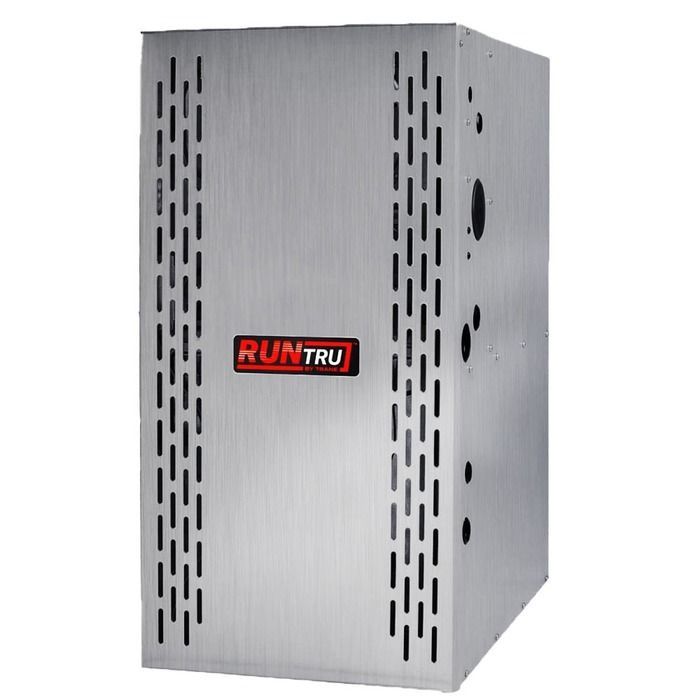
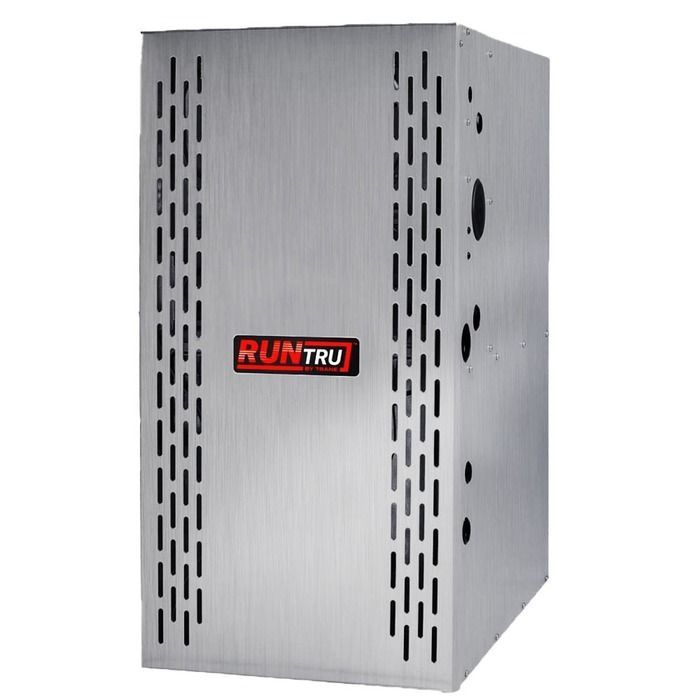
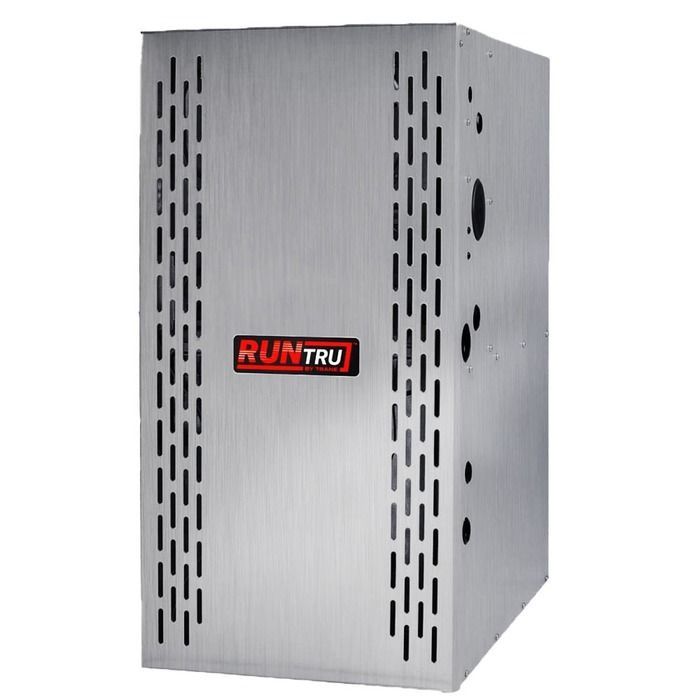
Hydronic Heating Systems
Shop hydronic heating systems and related equipment for residential, commercial and other heating applications at Public HVAC Solutions. Hydronic systems circulate heated water through a building to provide heat through radiators, baseboards, radiant flooring and other distribution methods. Browse boilers and other hydronic equipment for replacement systems, new installations and existing heating projects. Equipment is available in different capacities and configurations, so product specifications should be checked closely before ordering.
Hydronic Heating for Different Types of Buildings
Hydronic heating uses heated water to carry heat from the boiler or other heat source through the building. The water travels through piping to radiators, baseboard heat, radiant-floor tubing or other heat emitters and then returns to the heat source.
The system setup can vary considerably from one building to another. A residential boiler serving baseboard heat has different requirements than equipment serving a larger commercial or multifamily property.
Boiler capacity is only one part of the selection process. Water temperature, piping, circulation, zoning and the type of heat emitters all affect how the system operates. When replacing existing equipment, it is important to understand how the new unit will work with the rest of the hydronic system.
Boilers and Hydronic Heating Equipment
Boilers are one of the primary pieces of equipment used in hydronic heating systems. They heat the water that circulates through the building's piping and heating equipment.
Models vary by fuel type, heating capacity, venting requirements, controls and other specifications. Some boilers are used only for space heating, while combi boilers can provide space heating and domestic hot water from the same unit. Capabilities vary by model, so individual specifications should be reviewed before purchase.
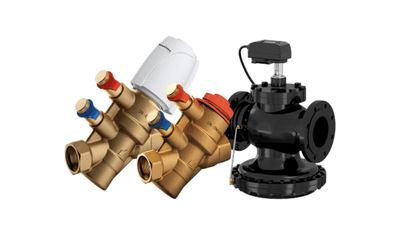
Hydronic systems may also include circulators, expansion tanks, valves, controls and air-management components. These parts are selected based on the way the system is piped and operated, not simply by boiler size.
Buyers looking specifically for the main heating equipment can also browse our hydronic heating equipment category.
What to Check Before Buying Hydronic Heating Equipment
Before ordering a boiler or other major hydronic equipment, compare the product specifications with the requirements of the building and existing system.
- Heating capacity: Confirm the required BTU input and output for the application.
- Boiler type: Determine whether the project requires a heating-only boiler, combi boiler or another configuration.
- Fuel source: Make sure the equipment matches the available fuel supply.
- Venting: Check the venting requirements for the specific boiler model.
- Water temperature: Radiant floors, baseboard systems and other heat emitters may operate at different temperatures.
- Piping and circulation: The piping layout and circulators need to support the required water flow.
- Controls and zoning: Check compatibility with thermostats, zone valves, pumps and other system controls.
Boiler sizing should be based on the heating requirements of the building, not simply the capacity of the unit being removed. For replacement projects, a qualified HVAC or hydronic professional should confirm sizing and system compatibility before installation.
Choosing Equipment for an Existing Hydronic System
Replacing part of a hydronic system often requires more than matching the old equipment by size. Older systems may use different water temperatures, controls, venting arrangements or piping than newer equipment.
The type of heat distribution in the building is also important. Radiators, baseboard heat and radiant-floor systems do not all operate under the same conditions. A boiler that works well in one type of system may need different controls or operating settings in another.
If the project centers on replacing the boiler or other primary heating equipment, browse the dedicated hydronic heating equipment category. For valves, controls, pumps and other replacement components, Parts & Supplies may be the better place to start.
If you are unsure which equipment fits an existing installation, Public HVAC Solutions can help you review available equipment and product specifications.
Hydronic Heating Systems Shipped Across the U.S. and Canada
Public HVAC Solutions ships HVAC equipment across the United States and Canada for contractors, property owners, facility teams and other buyers.
Hydronic inventory changes as models and configurations become available or sell through. Individual product pages provide the most current information on availability, capacity, fuel type and other equipment specifications. Check those details carefully when comparing equipment for a replacement or new installation.
Hydronic Heating Systems FAQs
What is the difference between hydronic heating and forced-air heating?
Hydronic heating moves heat through water and piping. Forced-air systems heat air and distribute it through ductwork.
Hydronic systems commonly use radiators, baseboards or radiant-floor tubing to deliver heat into the building. Because the two systems use completely different distribution methods, equipment from one type of system generally cannot be substituted directly into the other.
Can an older boiler be replaced with a high-efficiency boiler?
In many cases, yes, but it is not always a direct swap. A contractor may need to review the existing piping, venting, controls, water temperatures and heat emitters before selecting a replacement.
Newer condensing boilers can have different operating and venting requirements than older conventional boilers. The heating load of the building should also be checked rather than assuming the new boiler should have the same capacity as the old one.
Do hydronic heating systems need regular maintenance?
Yes. Boilers and other hydronic components should be serviced according to the manufacturer's recommendations.
Maintenance can include inspecting the boiler, controls, pumps, system pressure, venting and other components. Problems such as air in the piping, circulation issues or improper pressure can also affect performance. The specific maintenance required depends on the boiler and the way the system is configured.
On Sale
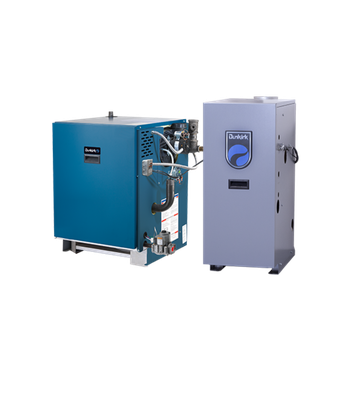
Triangle Tube 199K BTR HR - INSFS199S
Triangle Tube 199K BTR HR - INSFS199S
SKU PHS10188
was $5 450.00
Save 22%
$4 250.00
Matched HVAC Systems
Shop matched HVAC systems for projects that require compatible heating and cooling equipment rather than individual components purchased separately. Depending on the package, a system may include an AC condenser, evaporator coil, furnace, or other equipment selected for use together. Public HVAC Solutions offers complete HVAC system options in different capacities, efficiency levels, configurations, and specifications. Check each product listing to confirm exactly what is included and whether the equipment fits your project.
Complete Heating and Cooling System Packages
Buying several major HVAC components at the same time can make equipment selection more complicated. A matched system gives you a starting point by grouping components that are intended to work together instead of requiring you to select a condenser, indoor coil, and furnace independently.
The equipment included varies by package. Some systems combine a gas furnace, evaporator coil, and outdoor AC condenser, while others may include fewer components. Cooling capacity, furnace output, cabinet dimensions, efficiency ratings, refrigerant, airflow requirements, and installation orientation can also vary from one system to another.
These packages are especially useful when several major components are being replaced as part of the same project. You can compare the complete system while still reviewing the specifications for each piece of equipment before ordering.
Furnace, Coil and AC Matched Systems
A traditional split heating and cooling system uses separate indoor and outdoor components. The outdoor condenser handles the cooling process outside the building, the evaporator coil transfers heat indoors, and the gas furnace provides heat while moving conditioned air through the duct system.
These components need to be selected as a system. Matching tonnage alone does not confirm that a condenser and coil are compatible. Cooling capacity and efficiency ratings are tied to specific indoor and outdoor equipment combinations, which is why model numbers and approved system matches matter when comparing equipment.
Some HVAC system packages also include the furnace needed for a complete forced-air heating and cooling setup. That can make equipment selection more straightforward when the furnace, coil, and condenser are all being replaced at the same time.
What to Check Before Buying a Matched HVAC System
A system package can simplify the buying process, but the equipment still has to fit the building and the installation. Before ordering, review the specifications for every component included in the package.
- Cooling capacity: Confirm that the system's nominal tonnage is appropriate for the application.
- Furnace output: If a furnace is included, check its BTU rating and efficiency.
- Component model numbers: Verify the exact condenser, coil, furnace, or air-handling equipment included in the package.
- Refrigerant: Make sure the indoor and outdoor cooling components use the correct refrigerant and are approved to operate together.
- Cabinet and coil dimensions: Check furnace width, coil size, installation orientation, and available space.
- Electrical requirements: Review voltage, phase, breaker requirements, and other model-specific electrical specifications.
- System efficiency: Check the rating for the actual equipment combination instead of assuming the condenser or coil carries the complete system rating on its own.
Proper HVAC sizing involves more than replacing old equipment with the same nominal tonnage. Capacity, airflow, ductwork, electrical service, physical fit, and component compatibility should be confirmed by a qualified HVAC professional before purchase or installation.
Choosing Between a Matched System and Individual HVAC Components
A complete matched heating and cooling system is worth considering when several major components need to be replaced together. It gives contractors, homeowners, and property managers a way to shop the equipment as a package instead of tracking down compatible components one at a time.
Buying individual equipment may make more sense when only one part of the existing system needs replacement. A replacement condenser with the same nominal tonnage, for example, is not automatically compatible with the existing indoor coil. The remaining equipment still needs to be checked against the specifications of the new component.
If you only need one part of the system, browse the individual HVAC equipment categories, including AC condensers and furnaces. For projects involving multiple components, a matched HVAC system can provide a more practical place to start.
Replacement Options for Multiple HVAC Components
Not every project is equipment-only. If the work includes replacing more than one major component, Public HVAC Solutions also offers related replacement services. Customers replacing indoor heating equipment can review furnace and coil replacement options.
For cooling projects involving both major sides of the split system, AC condenser and coil replacement is another option. Keeping equipment sales and replacement services separate gives buyers a clearer path based on whether they need the equipment itself or a larger replacement project.
Matched HVAC Systems Shipped Nationwide
Public HVAC Solutions ships HVAC equipment across the United States and Canada. Inventory can change as models and system configurations become available, so individual product pages are the best place to confirm the equipment currently offered.
Review each listing for included model numbers, capacities, furnace specifications, refrigerant, dimensions, efficiency information, and other system details before purchasing. If you are unsure which configuration fits your project, contact Public HVAC Solutions for help reviewing the available equipment.
Matched HVAC Systems FAQs
What does it mean when an HVAC system is AHRI matched?
An AHRI-matched system uses a specific combination of indoor and outdoor equipment whose performance has been certified together by the Air-Conditioning, Heating, and Refrigeration Institute. The combination can be identified through an AHRI Certified Reference Number and Certificate of Product Ratings. This matters because cooling capacity and efficiency ratings apply to the tested equipment combination, not simply to the condenser or indoor coil by itself.
Do the furnace and AC condenser have to be the same size?
No. Furnace capacity and air-conditioning capacity measure different things. A furnace is typically rated by BTU heating output, while central air conditioning is commonly discussed in tons of cooling capacity. Both pieces of equipment still need to be properly sized for the building, and the furnace blower must be able to provide the airflow required by the cooling system. Heating load, cooling load, airflow, and equipment compatibility all need to be considered together.
Can I replace one part of a matched HVAC system later?
Often, yes, but the replacement component has to work with the equipment that remains. Refrigerant, age, efficiency, coil configuration, available replacement models, and the condition of the existing system can all affect that decision. If an indoor coil or outdoor condenser is replaced, the new combination should be checked for compatibility rather than assuming the new component is a direct replacement simply because its capacity is similar.
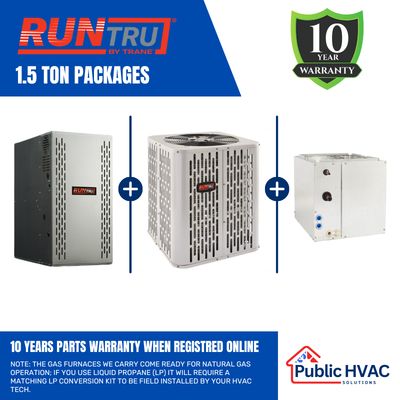
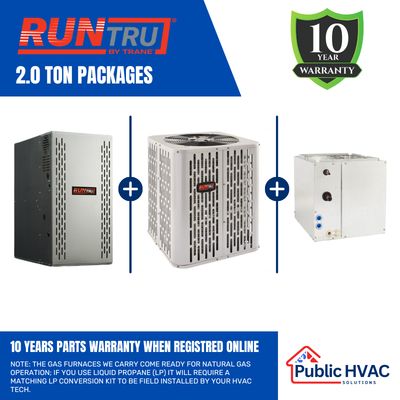
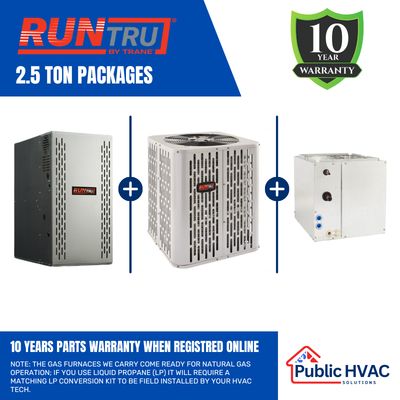
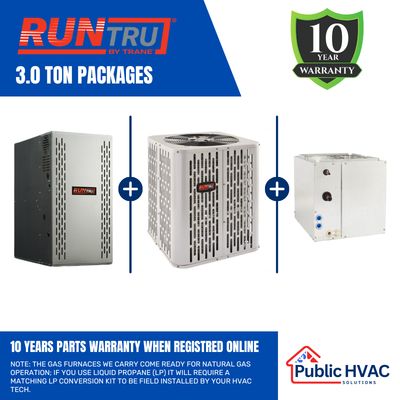
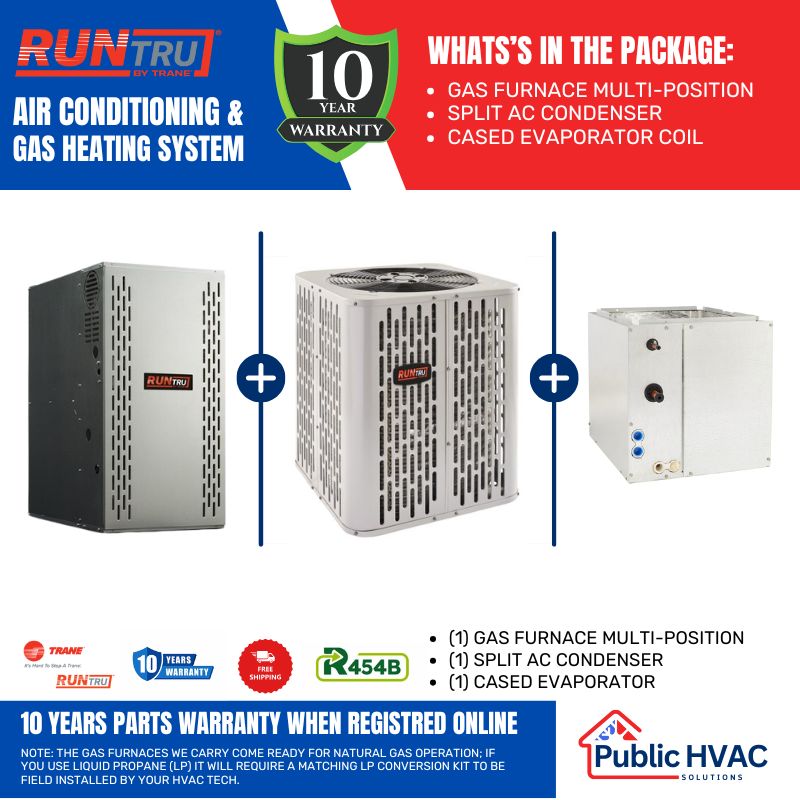
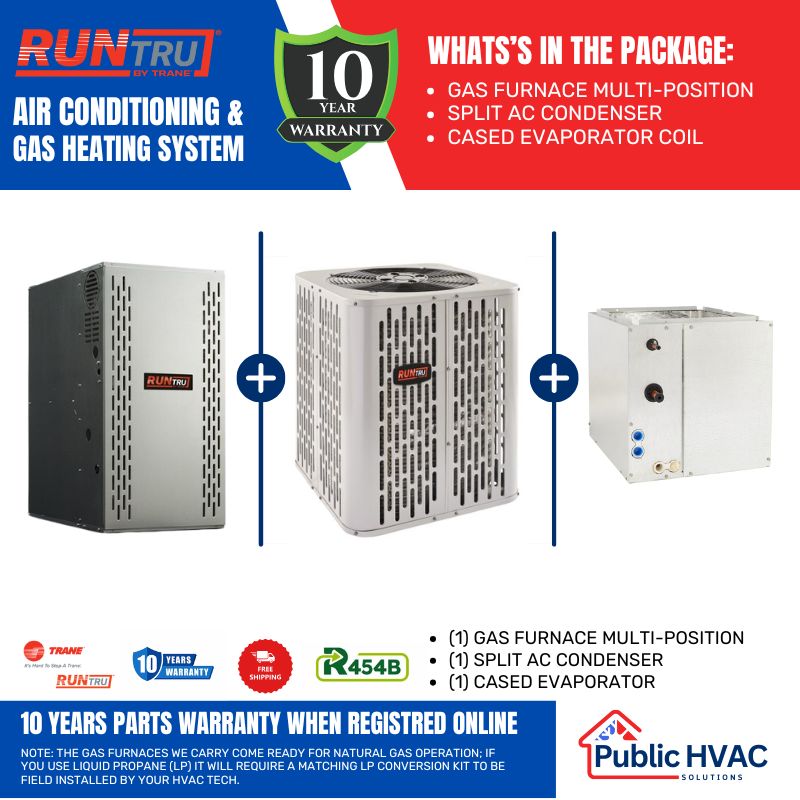
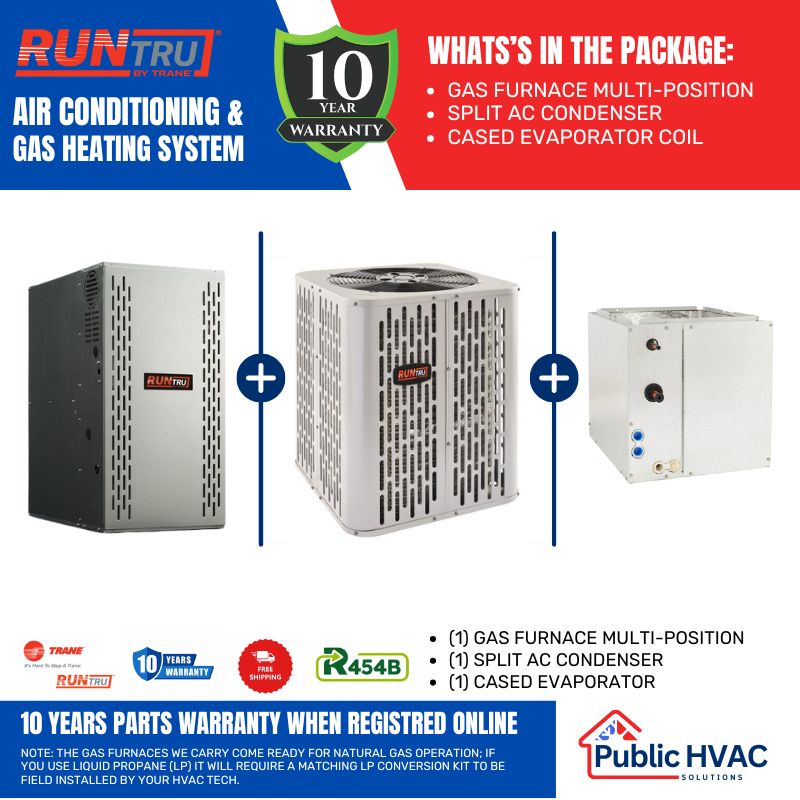
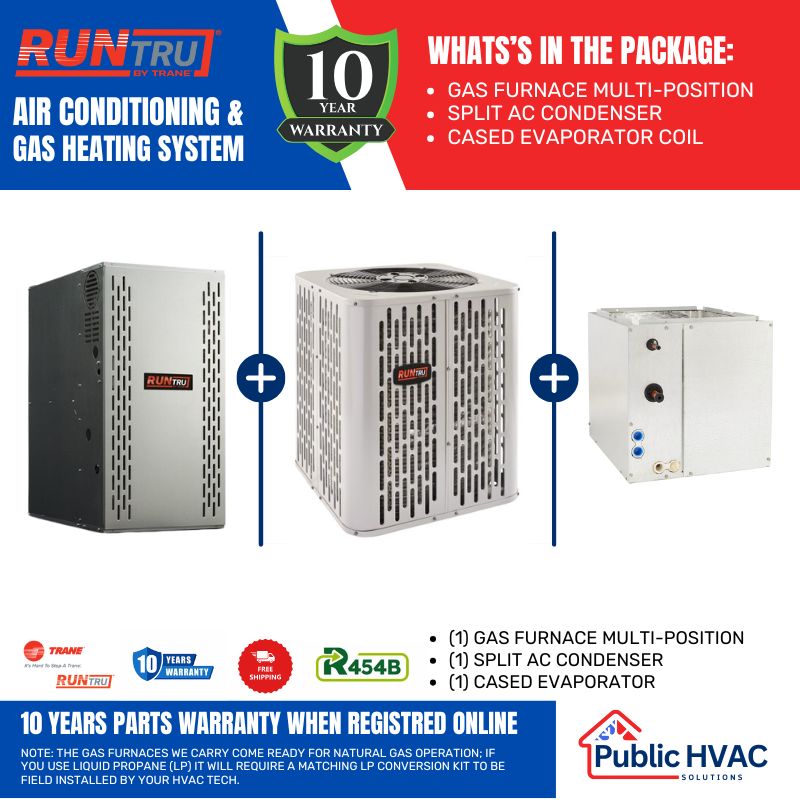
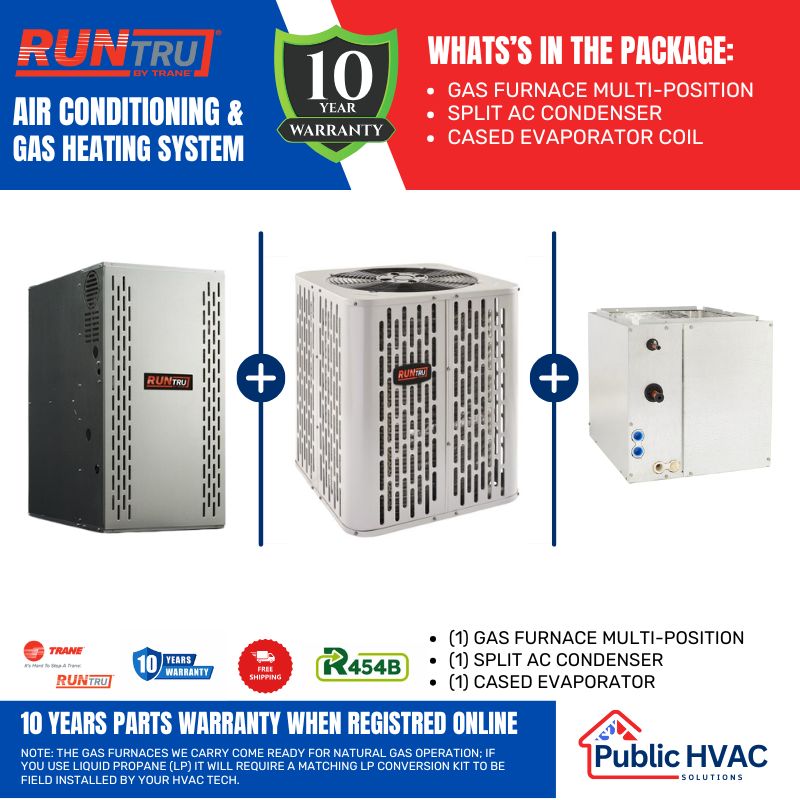

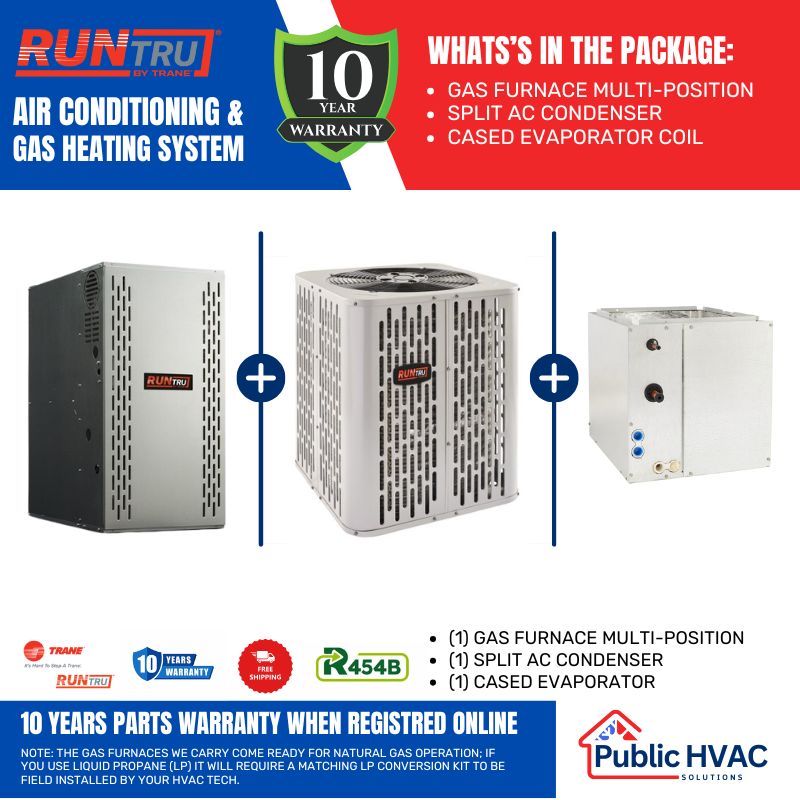
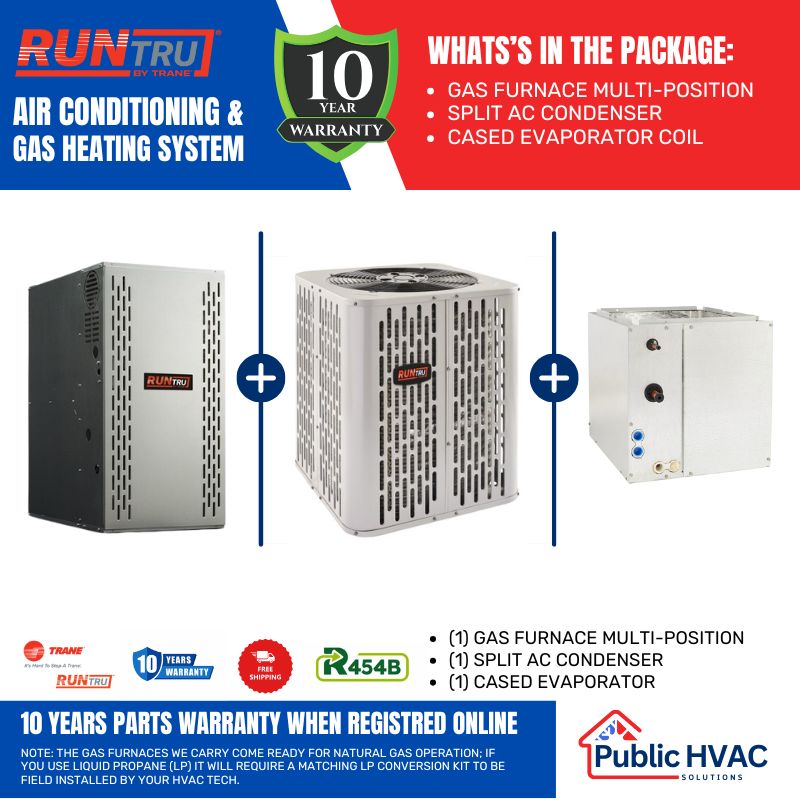
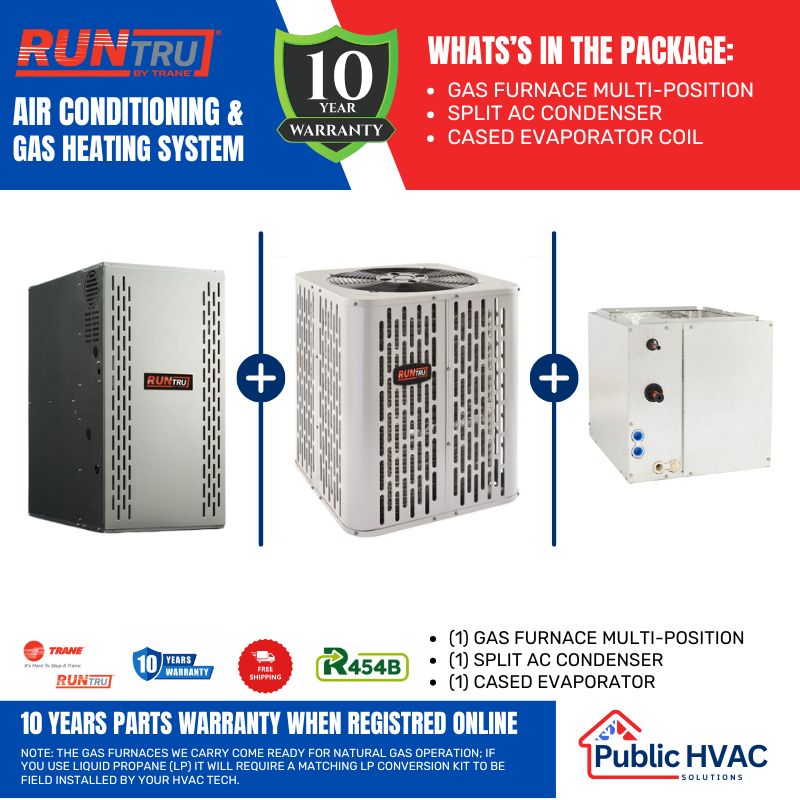
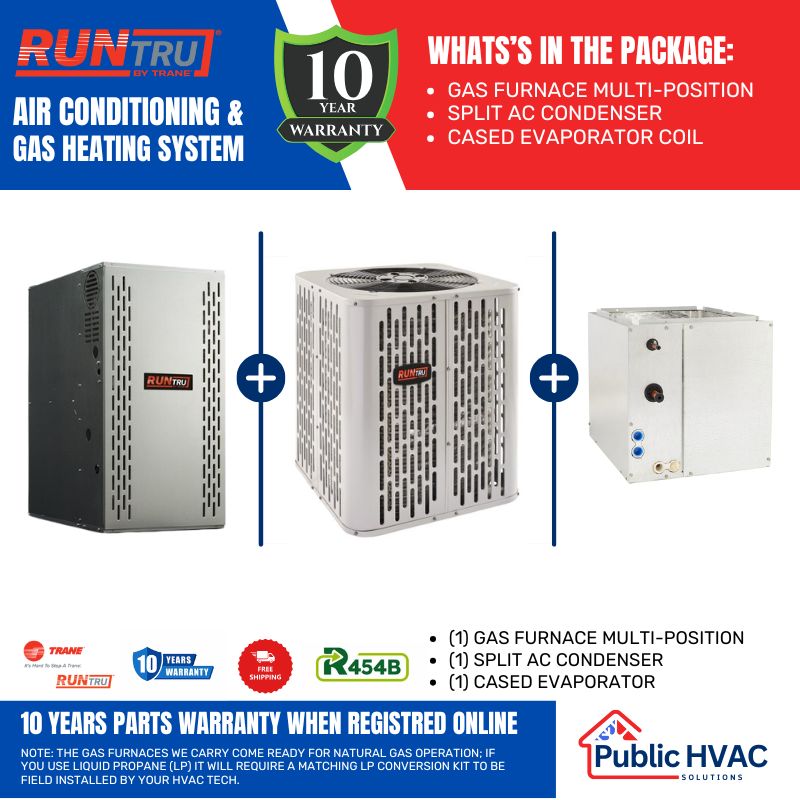
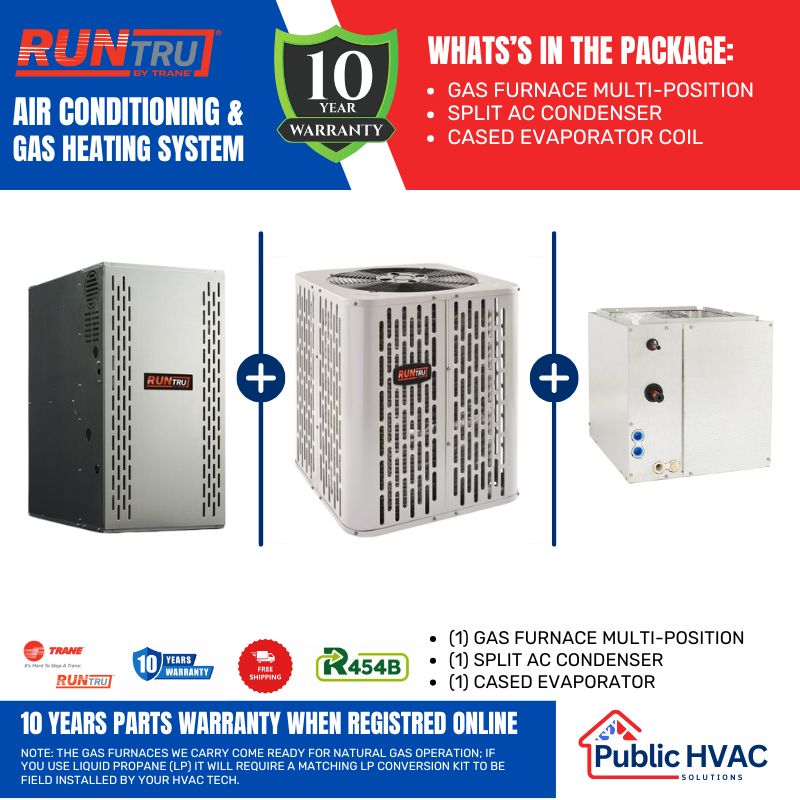
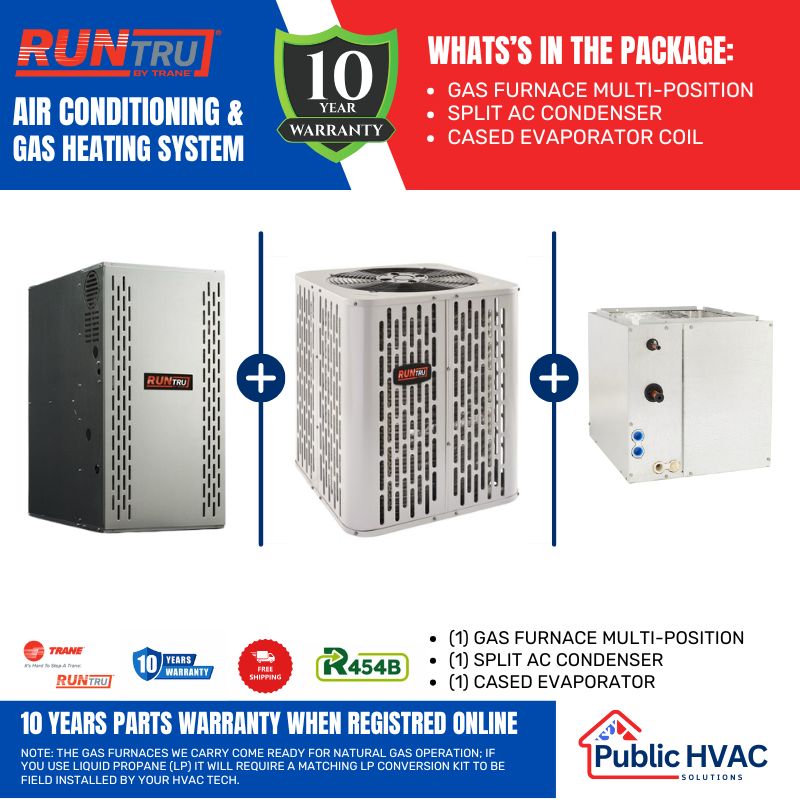
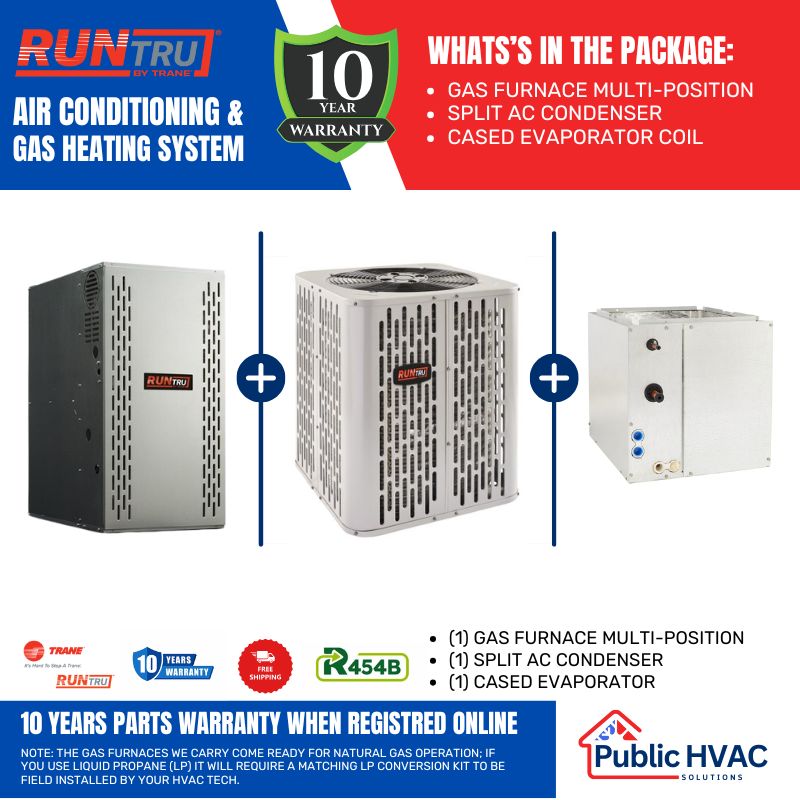
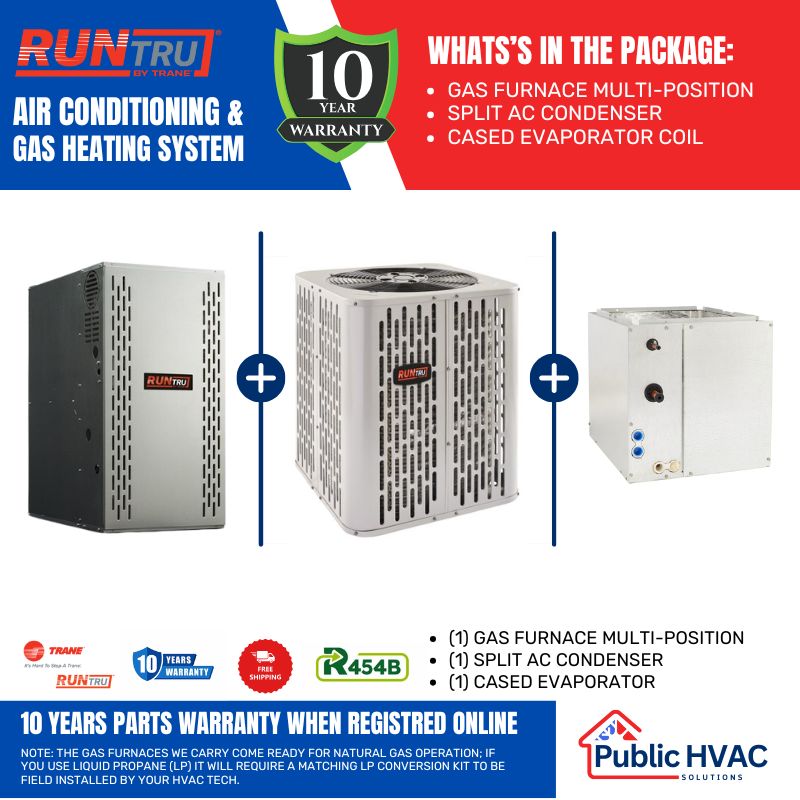
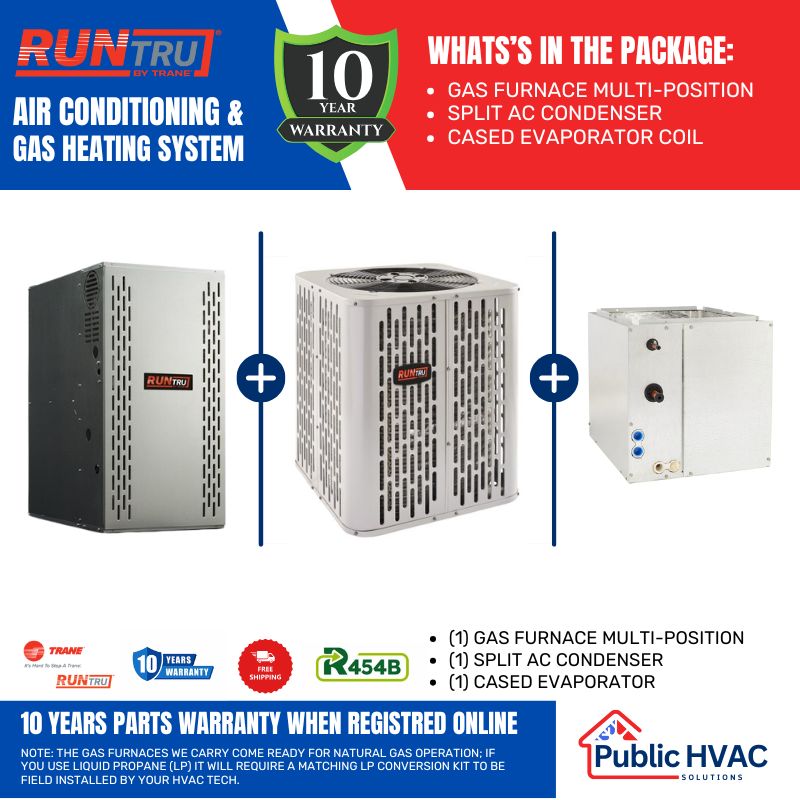
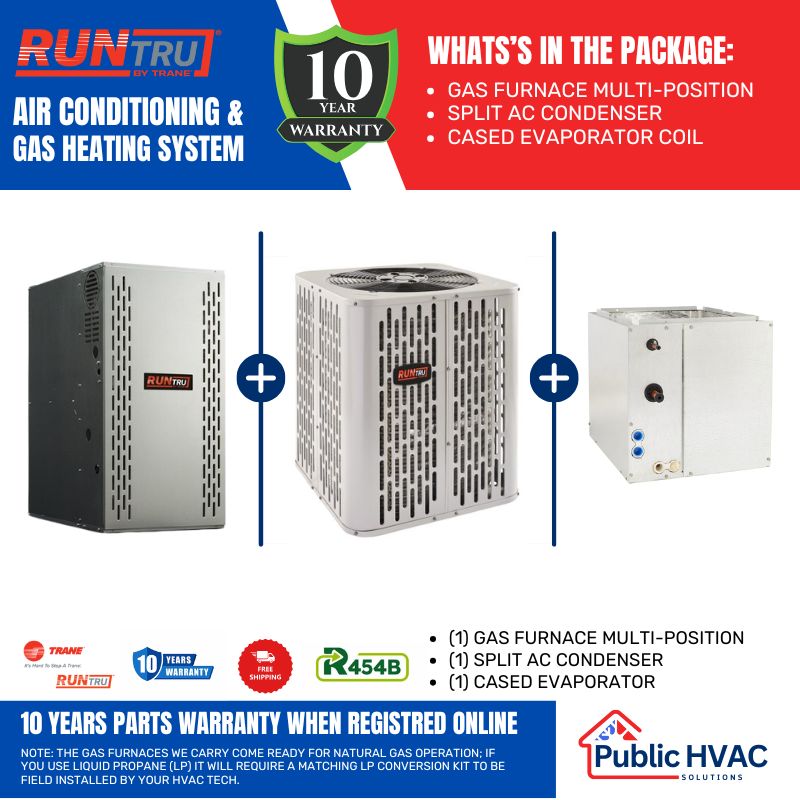
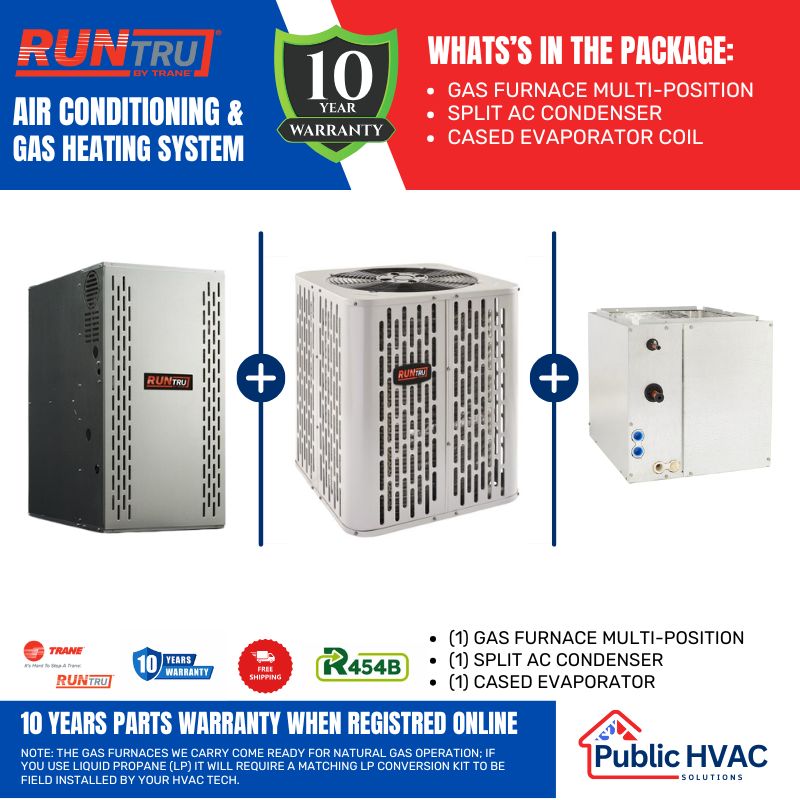
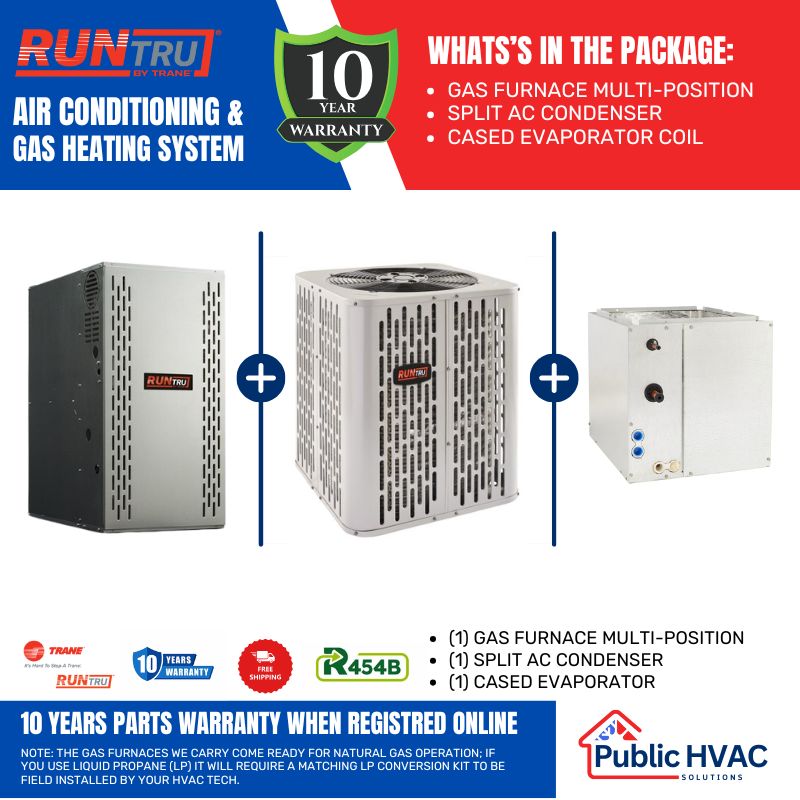

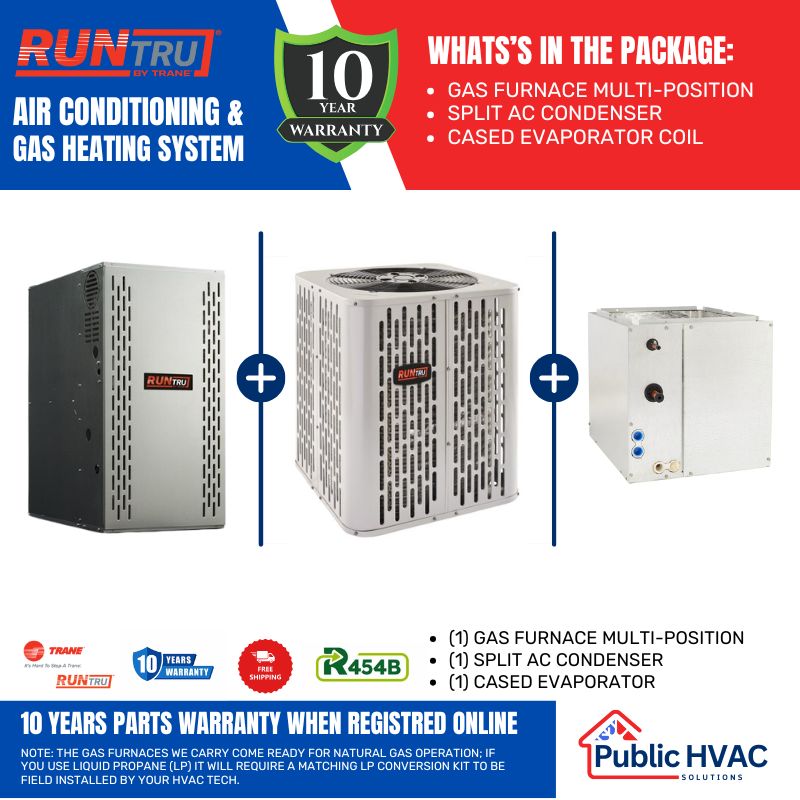
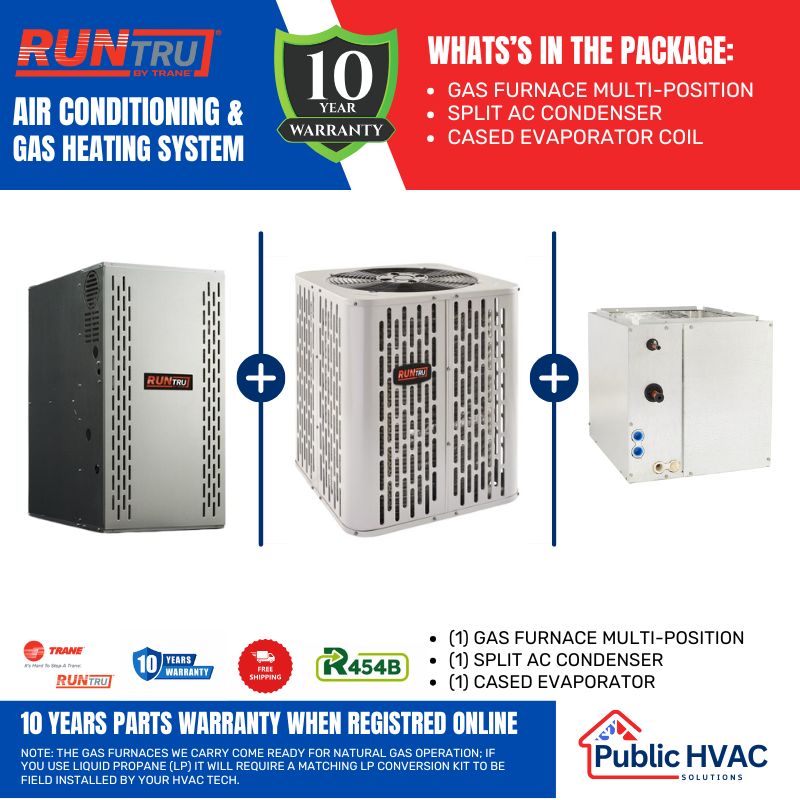
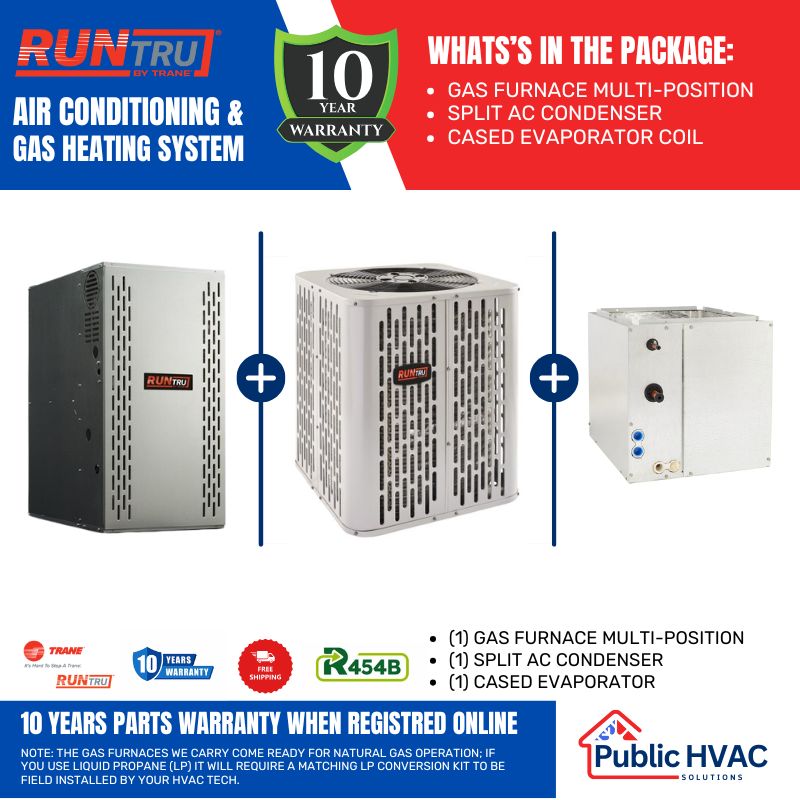
Scratch & Dent Heating & Cooling Equipment
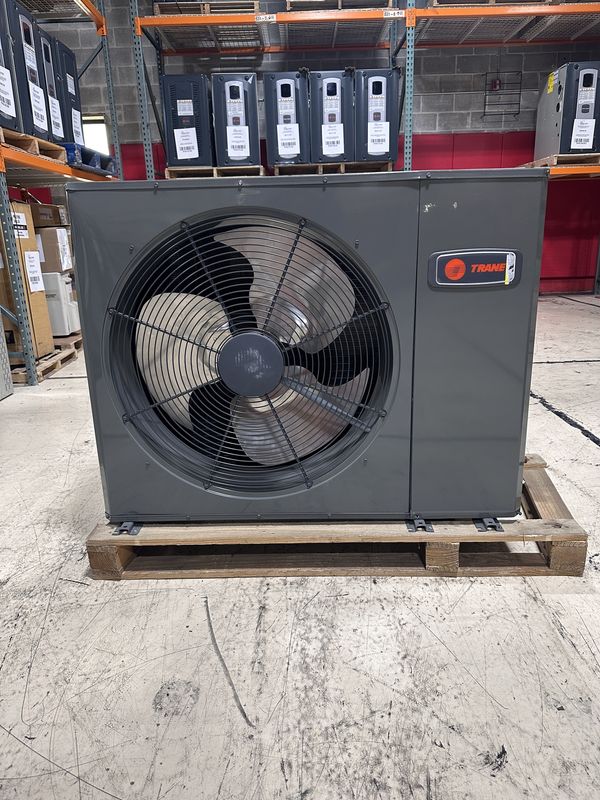
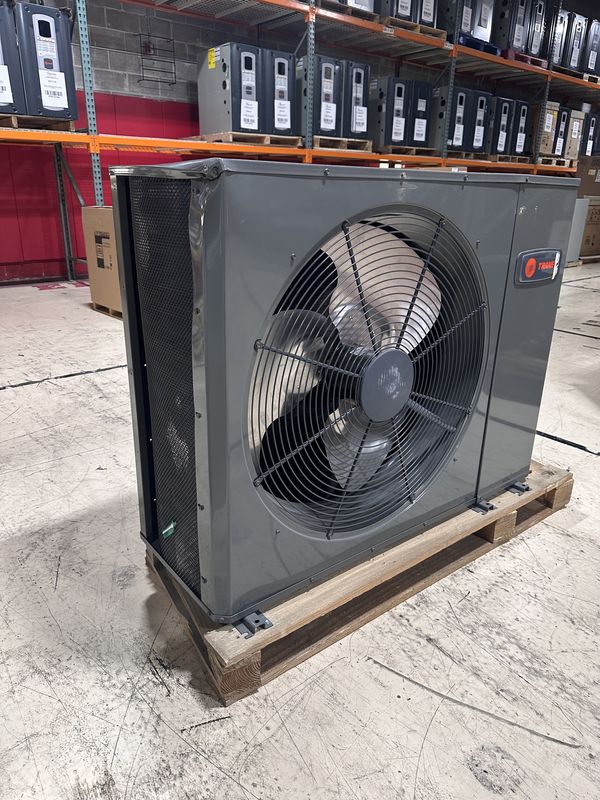
Shop Scratch & Dent Heating & Cooling Equipment, closeouts, and other discounted products from Public HVAC Solutions. Inventory changes regularly and may include furnaces, air conditioning equipment, heat pumps, coils, packaged units, water heaters, and other residential or commercial equipment. Condition, specifications, brands, and quantities vary by item, so check the individual product listing for details before ordering.
Scratch & Dent and Closeout Equipment
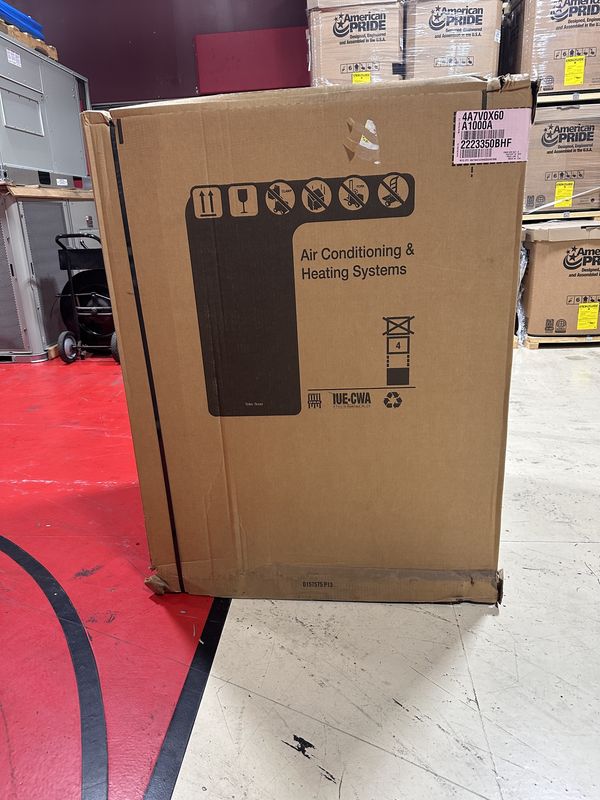
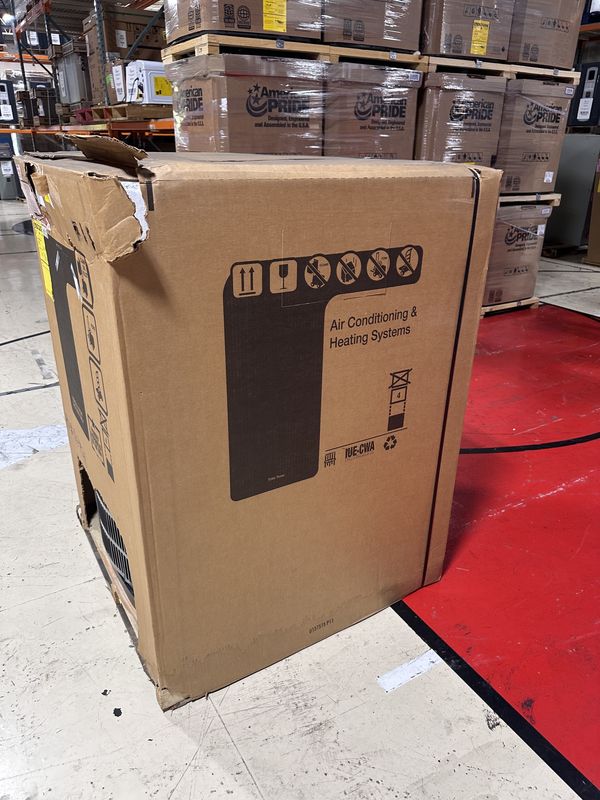
Scratch and dent inventory can include products discounted for different reasons. Some may have cosmetic damage, packaging issues, closeout status, or other conditions noted on the individual listing. The reason for the discount is not necessarily the same from one item to the next.
You may find heating and cooling equipment, individual system components, packaged equipment, water heaters, and other products in this category. That makes it useful for contractors, property owners, and other buyers who have some flexibility in what they purchase.
Before choosing an item, review the model number, photos, condition notes, specifications, and what is included with the product. Those details matter more than the category label alone.
Heating Cooling and Water Heating Equipment
This category can cover several types of equipment rather than one specific HVAC system.
Furnaces may differ by heating capacity, efficiency, airflow setup, staging, and installation orientation. Air conditioning and heat pump products can include condensers, coils, air handlers, or other components that must work with the rest of the system.
Single package and rooftop equipment can have different electrical requirements, heating configurations, cabinet sizes, duct arrangements, and controls. Mini split equipment and water heaters may also appear as inventory changes.
A lower price does not make an item a good replacement by itself. First determine what the building or system requires, then compare those requirements with the specifications of the discounted product.
What to Check Before Buying Scratch & Dent Equipment
Review both the equipment specifications and the individual condition of the item before placing an order.
- Product condition: Read the description and review available photos so you know what is being disclosed about the item.
- Model and equipment type: Confirm exactly what you are buying and whether it is a complete unit or one component of a larger system.
- Capacity: Check tonnage, BTU rating, tank capacity, or other sizing information that applies to the product.
- Electrical requirements: Verify voltage, phase, amperage, and other electrical requirements when applicable.
- Fuel and heating setup: Confirm whether the equipment uses natural gas, electricity, heat pump operation, or another configuration.
- Refrigerant and matching requirements: For split HVAC equipment, make sure the refrigerant and indoor and outdoor components are compatible.
- Dimensions and connections: Compare cabinet size, airflow direction, venting, connections, curb requirements, and available installation space where relevant.
Two units with the same nominal capacity can still be very different. If you are unsure about sizing, component matching, electrical requirements, or installation compatibility, have an HVAC professional review the model before purchasing.
Finding Discounted Equipment That Fits the Job
Scratch and dent equipment can be a practical option when the available model fits the job and the listed condition is acceptable to the buyer. It should still meet the same basic system and installation requirements as equipment purchased from standard inventory.
For split systems, make sure the AC condenser, heat pump, coil, furnace, or air handler works with the other components. Rooftop and single package replacements may require closer attention to footprint, duct connections, electrical service, and controls. Water heaters have their own requirements for fuel type, capacity, venting, dimensions, and plumbing connections.
If the available scratch and dent item does not match what the job calls for, check the regular equipment category instead of trying to make the discounted model work.
Scratch & Dent Equipment Shipped Across the U.S. and Canada
Public HVAC Solutions ships equipment throughout the United States and Canada. Scratch and dent and closeout products tend to change more frequently than standard inventory because individual items may be available in limited quantities.
Check each product page for current availability, specifications, condition information, and other details specific to that item. Larger equipment may ship by freight depending on the product and destination.
When receiving a freight shipment, inspect the equipment before signing for delivery and note any shipping damage or shortages on the delivery receipt. It is also a good idea to receive and inspect the equipment before scheduling installation.
Scratch & Dent Heating & Cooling Equipment FAQs
Is scratch and dent HVAC equipment the same as used equipment?
No. Scratch and dent does not automatically mean the equipment is used.
The term can cover products sold at a discount for different reasons, and the condition may vary from one listing to another. An item may have cosmetic damage, packaging damage, closeout status, return history, or another condition described on the product page.
Always use the individual listing to determine what applies to that specific item. Review the photos, condition notes, model information, and any other details provided before ordering.
Does scratch and dent equipment have the same warranty as regular equipment?
Do not assume warranty coverage is the same for every scratch and dent product. Coverage can vary based on the manufacturer, equipment condition, product history, installation, and the terms that apply to that model.
If warranty coverage is important to your purchase, review the product listing and applicable manufacturer information before ordering. Contact Public HVAC Solutions if the warranty status of a particular item is unclear.
This is especially important with closeouts, returns, or other products that may not be sold under the same circumstances as standard inventory.
Can I replace my existing HVAC unit with a scratch and dent model of the same size?
Maybe, but matching the tonnage or nominal size does not confirm that the replacement will work.
The new unit may differ in refrigerant, voltage, phase, heating configuration, airflow, cabinet dimensions, controls, connections, efficiency, or required matching components. Split systems may also require specific indoor and outdoor equipment combinations.
Compare the specifications of the available model with the existing system and the requirements of the building. If there is any uncertainty, have an HVAC professional confirm compatibility before you buy.


On Sale
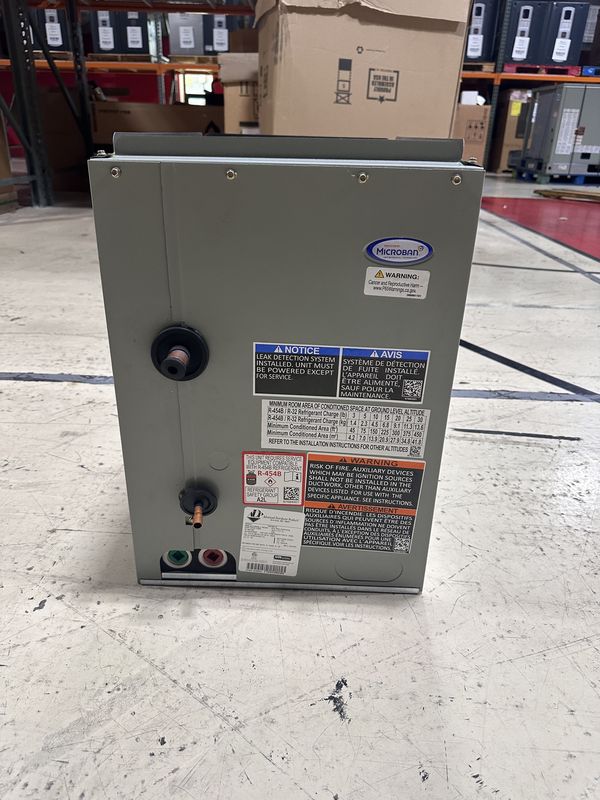
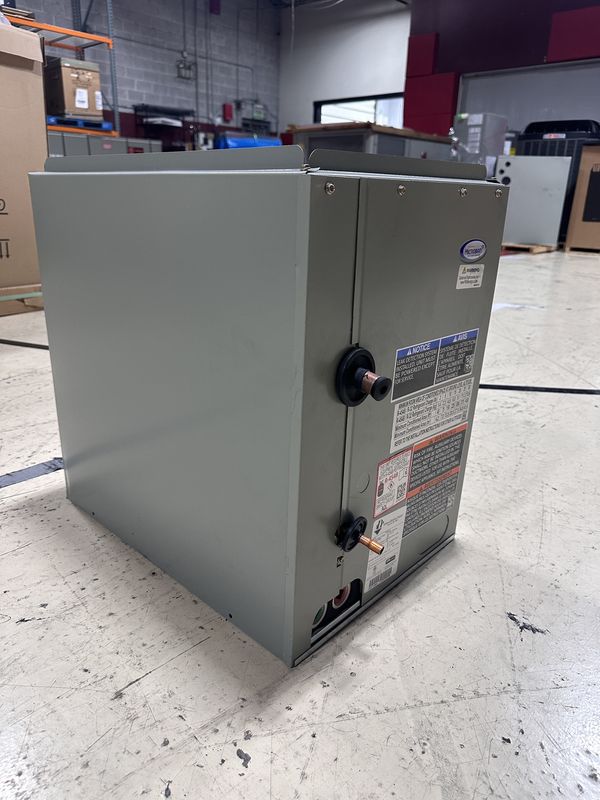
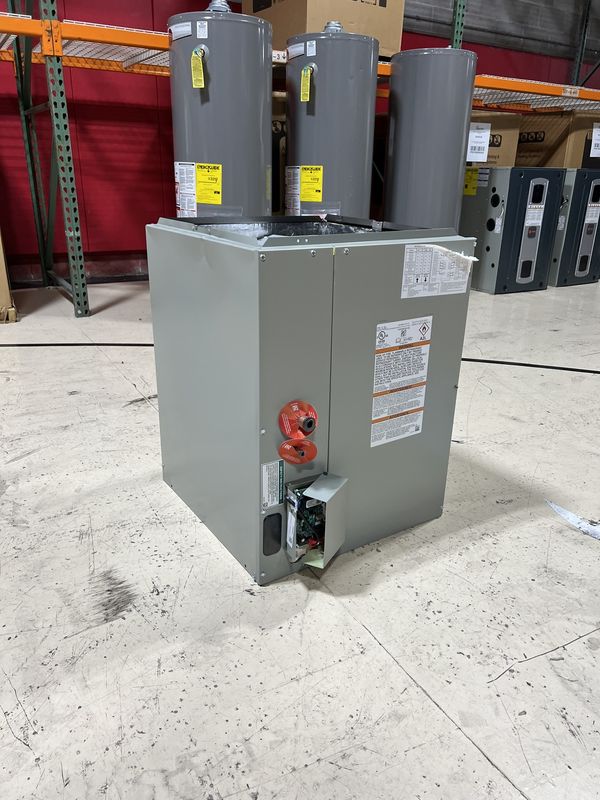
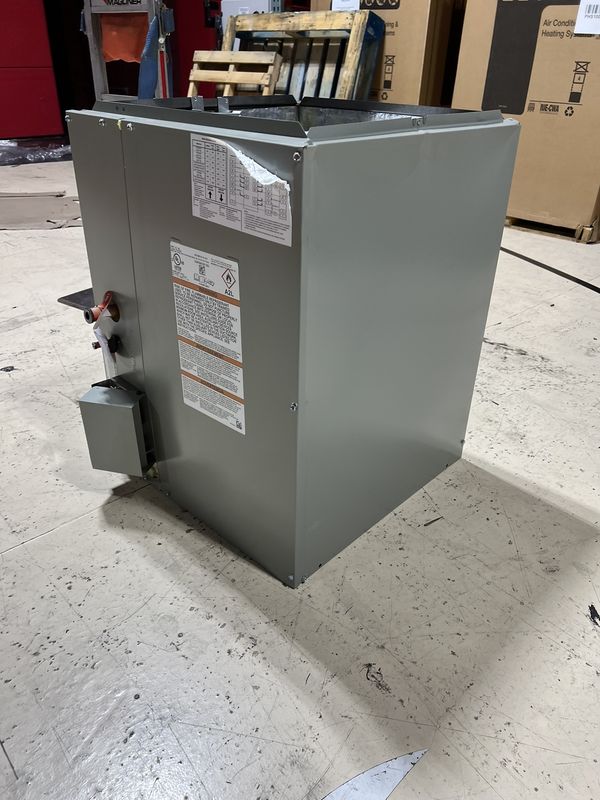
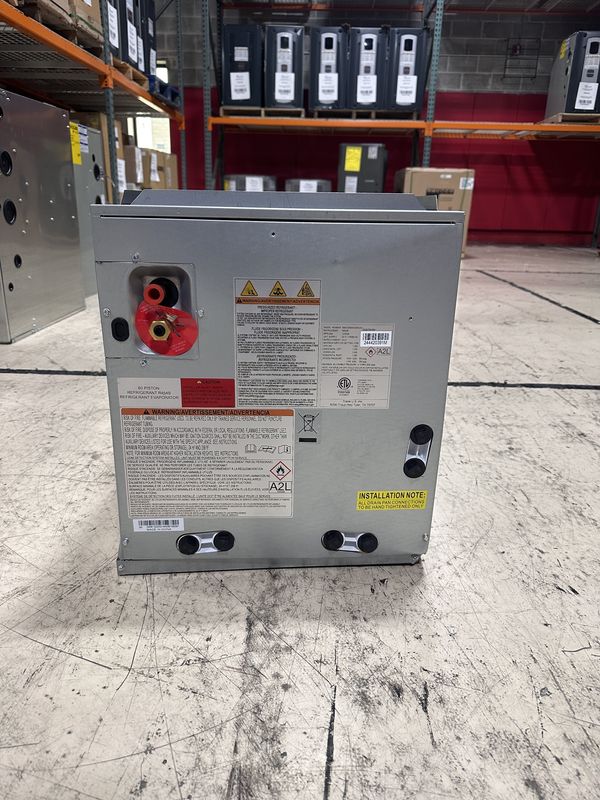
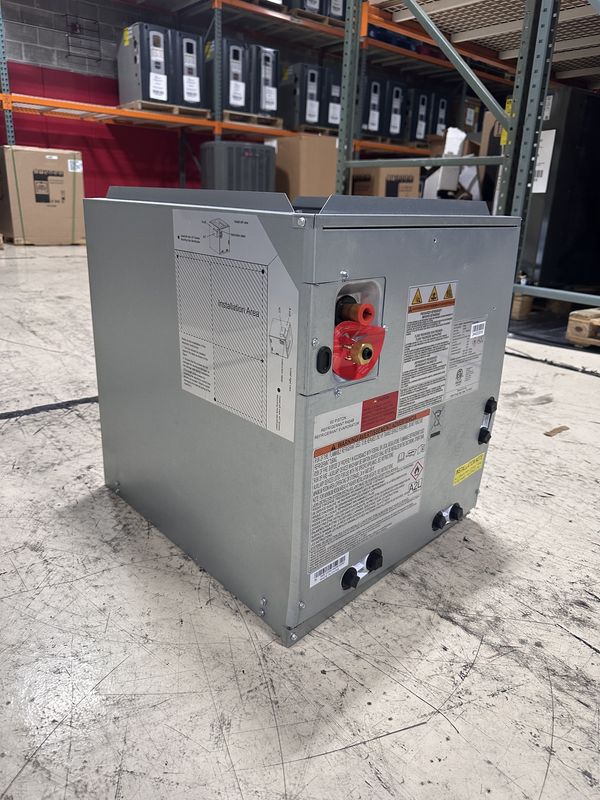
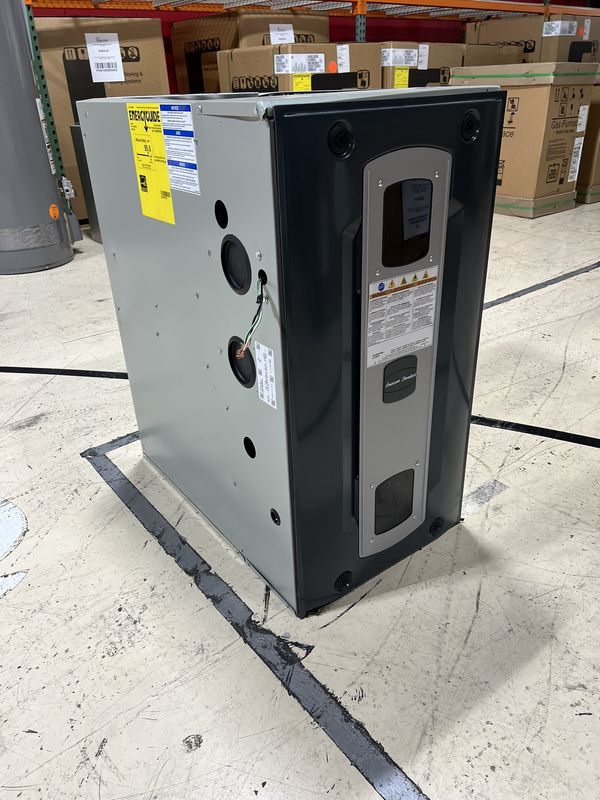
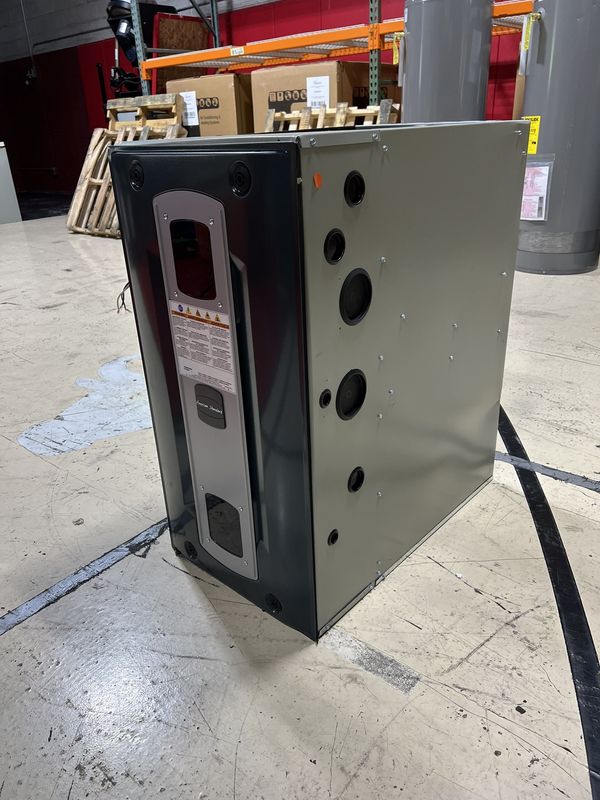
Trane 60K BTU 2 STAGE V SPEED- S8V2B060M4PCBAA Furnace
Trane 60K BTU 2 STAGE V SPEED- S8V2B060M4PCBAA Furnace
SKU PHS10057
was $2 950.00
Save 27%
$2 150.00
Sold out
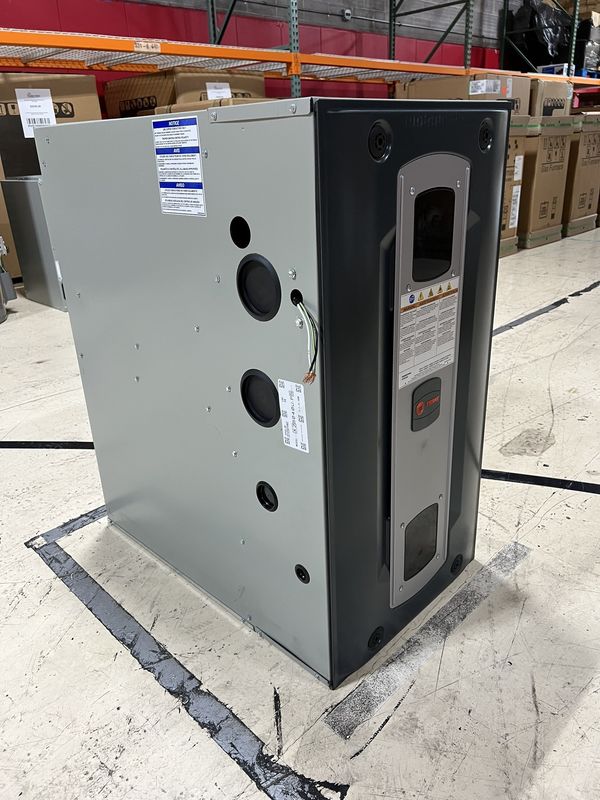
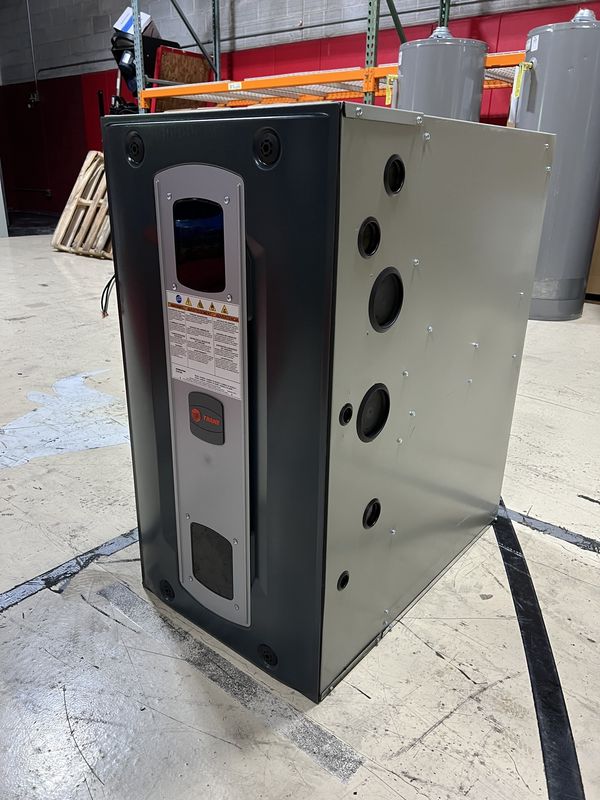
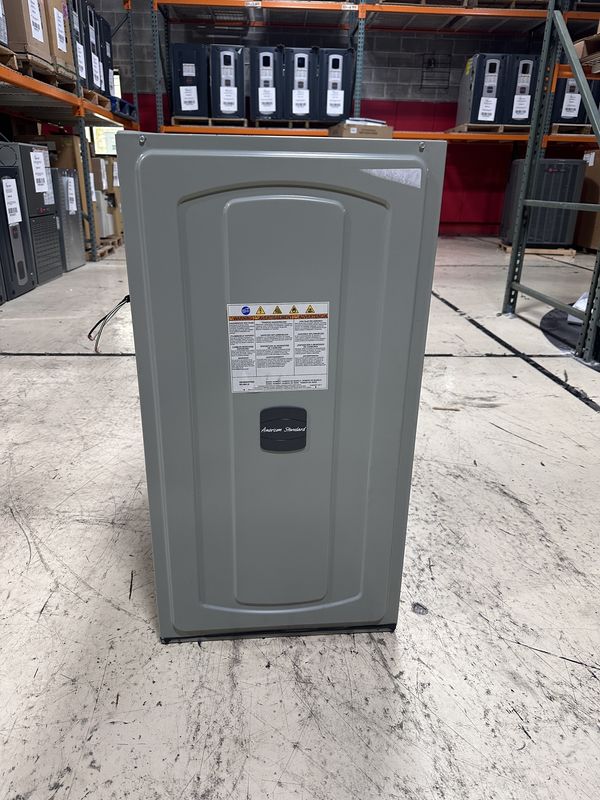
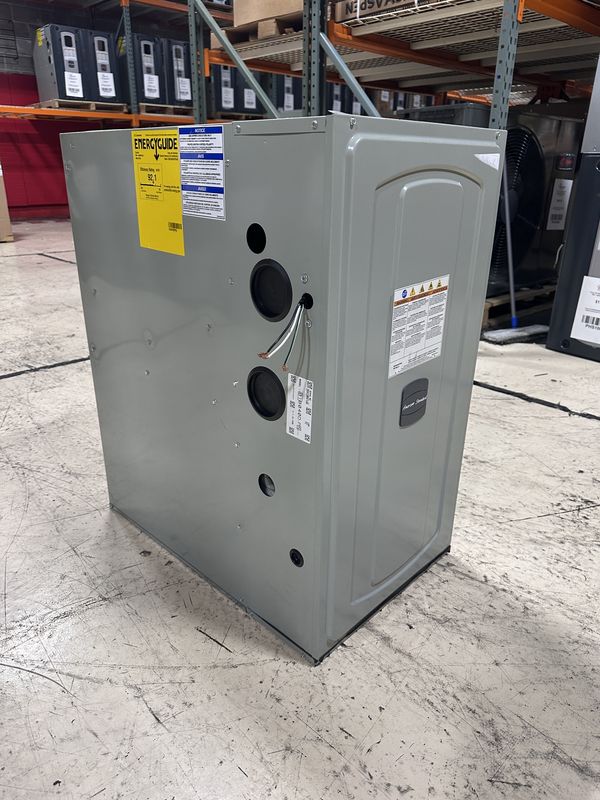
Trane AS 60K BTU 2 STAGE V SPEED Model S9V2B060U4PSB Furance
Trane AS 60K BTU 2 STAGE V SPEED Model S9V2B060U4PSB Furance
SKU PHS100207
$2 304.50
Out of stock
Sold out
Trane AS 60K BTU 80% - S8X1B060M4PSCB Furnace
Trane AS 60K BTU 80% - S8X1B060M4PSCB Furnace
SKU PHS10186
$1 425.60
Out of stock
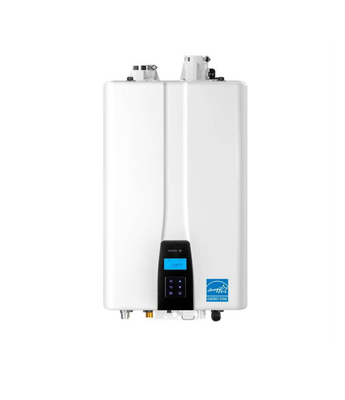
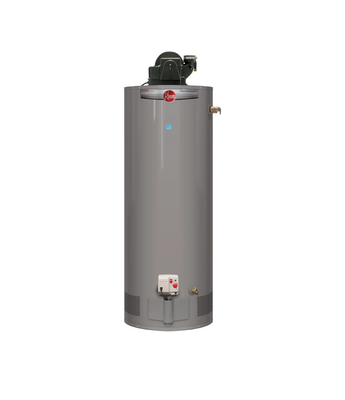
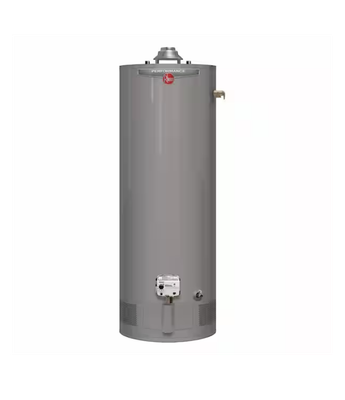
Water Heaters
Shop water heaters for replacement projects, renovations, and new installations at Public HVAC Solutions. Options include gas and electric tank water heaters in a range of capacities and configurations, including standard and power vent models. Depending on the unit, key differences may include tank size, fuel type, venting, electrical requirements, dimensions, efficiency, and hot water output. Contractors, property owners, and other buyers can compare available equipment based on the needs of the job.
Water Heating Equipment for Replacement and New Projects
Water heaters can look similar at first glance, but there are several important differences between models. Tank capacity is one of the most noticeable, although fuel source, venting, recovery performance, available utilities, and installation space can be just as important.
Gas and electric models also operate differently. Electric tank water heaters use heating elements inside the tank and require the proper electrical service. Gas models use a burner and require an appropriate gas connection and venting setup. Power vent models use a blower to move combustion gases outside, which changes the venting requirements compared with a conventional gas water heater.
For replacement projects, start with the existing equipment, then verify that the new model fits the actual installation and hot water needs of the property.
Gas and Electric Tank Water Heaters
Tank water heaters heat and store water so it is ready when a fixture or appliance calls for hot water. Public HVAC Solutions carries tank-style models from manufacturers such as GE and Rheem, with available brands and configurations changing over time.
Electric water heaters use one or more heating elements to heat the water in the tank. Gas water heaters use a burner, while power vent gas models add a blower that moves exhaust through the vent system.
Tank size is commonly listed in gallons, but capacity alone does not tell the whole story. First-hour rating can also be useful when comparing storage water heaters because it reflects how much hot water the unit can supply during a period of heavier demand.
Two models with the same tank size may still have different utility, venting, dimensional, and installation requirements.
What to Check Before Buying a Water Heater
Before ordering a water heater, make sure the unit fits both the property's hot water needs and the existing installation.
- Fuel or power source: Check whether the installation is set up for natural gas, propane, or electric equipment.
- Tank capacity: Choose a size that makes sense for expected hot water use.
- First-hour rating: This can help show how much hot water a storage model can deliver during heavier use.
- Venting configuration: Gas models may require atmospheric, power vent, direct vent, or another model-specific setup.
- Electrical requirements: Electric units and power vent gas models need the correct electrical connection.
- Physical dimensions: Check height, diameter, connection locations, and available space.
- Efficiency rating: Uniform Energy Factor, or UEF, can be used to compare efficiency among similar types of water heaters.
A qualified professional should verify sizing, utilities, venting, clearances, and installation requirements before the unit is installed.
Choosing a Water Heater for Your Application
For many replacement jobs, the existing water heater gives you a good place to start. Fuel type, tank size, and available space can quickly narrow the options, but changes to the building or the way hot water is used may affect the final choice.
Electric tank water heaters may make sense where the proper electrical service is already available. Gas models require a suitable gas supply and venting system. Power vent units offer another venting configuration, but they also have their own electrical and installation requirements.
Some projects involve a different type of water heating system altogether. Boilers, indirect tanks, and other hydronic equipment serve different applications and should be evaluated separately from a standard standalone tank water heater.
Buyers looking specifically for cosmetically blemished or closeout equipment can also browse scratch and dent water heaters.
Review the individual product specifications carefully, or contact Public HVAC Solutions if you need help comparing available models.
Water Heaters Shipped Nationwide
Public HVAC Solutions ships water heaters and other HVAC equipment throughout the United States and Canada. Shipping method depends on the equipment, order, and destination.
Larger water heaters may ship by LTL freight. Because inventory changes, check the individual product page for current specifications and availability before ordering.
When freight arrives, inspect the shipment before completing delivery and follow Public HVAC Solutions' current shipping instructions if you find visible damage or missing items.
Water Heaters FAQs
How do I know when it is time to replace a water heater?
A leaking tank is one of the clearest signs that replacement may be needed, but other problems can also point to an aging unit. These can include inconsistent water temperature, reduced hot water supply, visible corrosion, or repairs that are becoming more frequent.
Age can be useful when planning ahead, but there is no single replacement point that applies to every water heater. Condition, maintenance history, water quality, usage, and the type of equipment all play a role.
What does UEF mean on a water heater?
UEF stands for Uniform Energy Factor. It is an efficiency rating used for water heaters. In general, a higher UEF indicates that a unit uses energy more efficiently when compared with similar equipment.
UEF is useful, but it should not be the only specification considered. Tank capacity, first-hour rating, fuel source, hot water demand, and installation requirements also affect which model makes sense for a particular property.
Does a power vent gas water heater need electricity?
Yes. A power vent gas water heater uses an electrically powered blower to move combustion gases through the vent system, so it needs both a gas supply and an electrical connection.
That is an important difference from some conventional gas water heaters. If a property is being converted from a standard atmospheric model to a power vent model, the electrical supply, vent route, vent material, termination location, and manufacturer requirements all need to be reviewed.
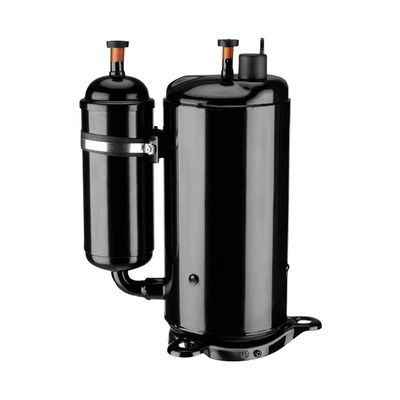
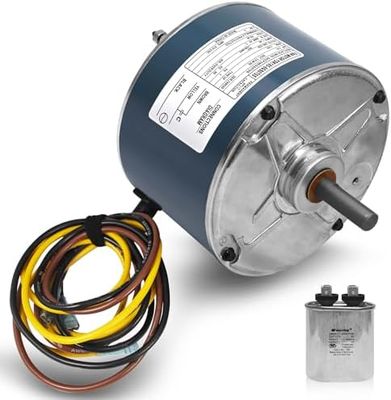
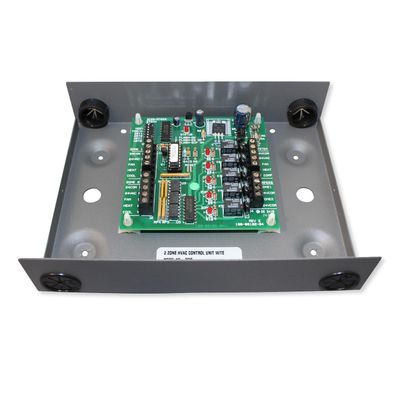
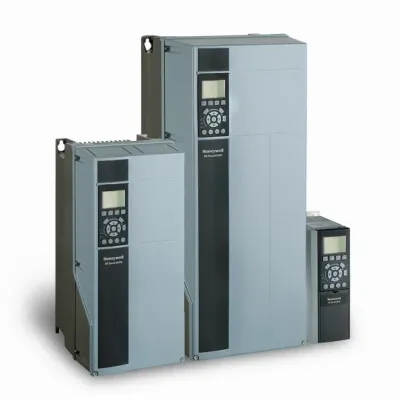
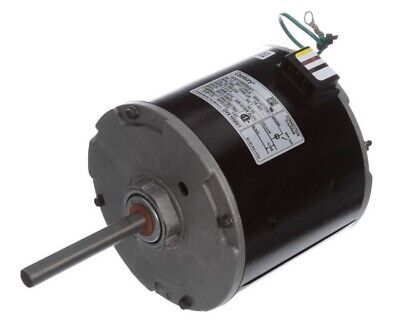
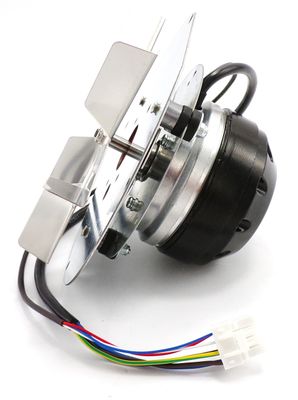
Compressors & Motors
Our Compressors and Motors category features a comprehensive selection of high-quality components essential for the optimal performance of HVAC systems. Designed to meet the needs of both residential and commercial applications, our compressors and motors ensure efficient operation, reliability, and longevity.
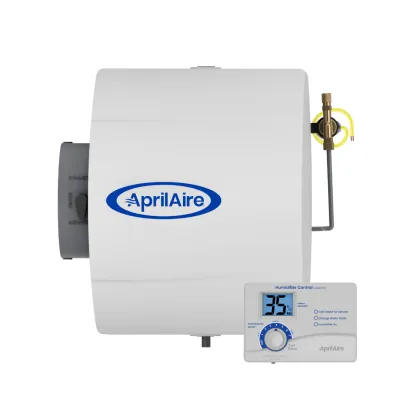
HVAC Fans and Ventilation
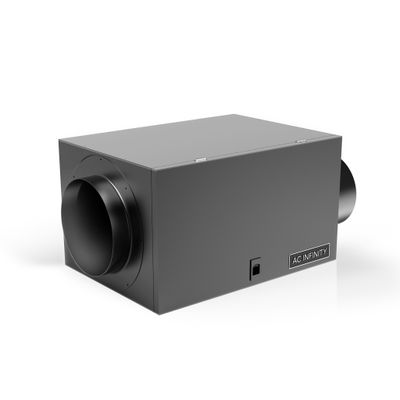
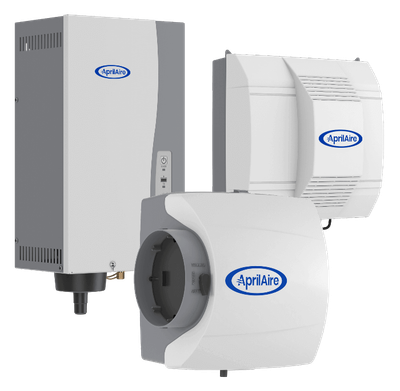
Public HVAC Solutions carries HVAC fans and ventilation products for residential and commercial heating and cooling systems. Shop products for air movement, ductwork, venting, air cleaning, humidity control, and related HVAC applications. Equipment and components vary by airflow, dimensions, electrical requirements, mounting style, duct connections, and system compatibility. Browse the available categories and products to find parts for repairs, replacements, new installations, and ventilation upgrades.
HVAC Ventilation Products for Airflow and Air Quality
Ventilation equipment handles several different jobs within an HVAC system. Some products move air through ductwork, others remove air from a space, and some support filtration or humidity control.
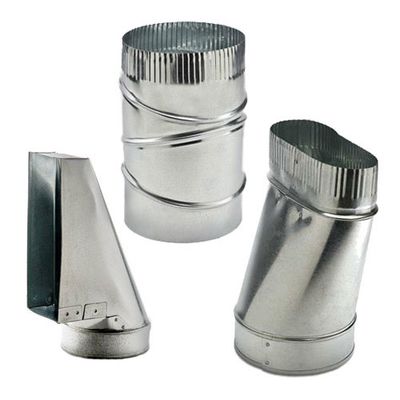
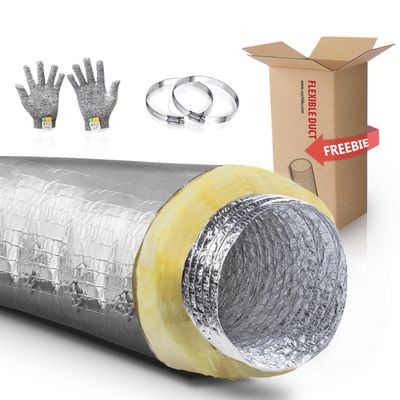
That means products within this category are not necessarily interchangeable or intended for the same purpose. Public HVAC Solutions organizes ventilation equipment into more specific categories so buyers can narrow their search based on the job at hand. These include air cleaners, humidity-control equipment, duct and venting materials, and duct insulation and accessories.
For replacement work, it is usually best to start with the existing equipment or component specifications. New installations may require a closer look at airflow requirements, duct layout, equipment location, and the way air needs to move through the building.
Fans, Ductwork and Indoor Air Quality Components
HVAC ventilation is made up of more than fans alone. Air movement can involve ductwork, vents, controls, filtration products, humidity equipment, and accessories that support the overall system.
Duct and venting materials create the path for supply, return, or exhaust air. Duct insulation and accessories may also be needed depending on the installation. Air cleaners help address airborne particles, while humidifiers and dehumidifiers are used to manage indoor humidity.
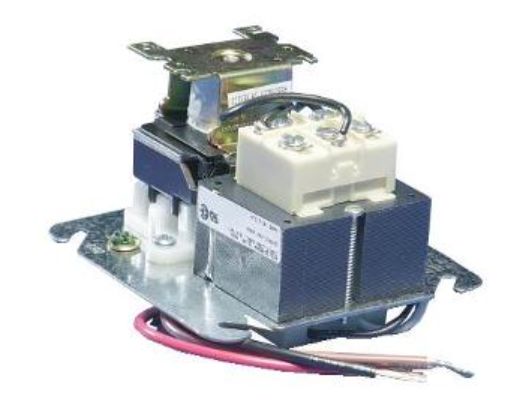
Controls also play an important role. Fan controls and related electrical components may regulate when equipment runs or how it operates. When replacing a control, confirm that it is compatible with the fan, motor, and HVAC equipment it is intended to serve.
What to Check Before Buying HVAC Fans and Ventilation Products
Start by identifying exactly what the component needs to do and where it fits into the system. Then compare the product specifications with the existing equipment, project plans, or manufacturer information.
- Airflow requirements: Check the required CFM when airflow is a listed specification.
- Application: Confirm whether the product is used for supply air, return air, exhaust, filtration, humidity control, or another function.
- Dimensions and connections: Compare overall size, duct dimensions, collars, mounting locations, and connection points.
- Electrical requirements: For powered equipment, verify voltage, wiring, motor, and control requirements.
- Duct compatibility: Make sure materials and accessories work with the existing duct system and installation.
- Control compatibility: Replacement controls should match the equipment and operating requirements.
- Installation location: Check whether the product is intended for indoor, outdoor, ceiling, wall, duct-mounted, or equipment-mounted use.
A matching size or electrical rating does not automatically mean a replacement component will work with the existing system. Model information and manufacturer specifications should be checked before ordering. When compatibility is unclear, have an HVAC professional confirm the replacement.
Choosing the Right Ventilation Products for Your HVAC System
The easiest way to narrow down the options is to start with the problem you are trying to solve. Replacing damaged ductwork is very different from correcting a humidity issue, replacing a fan control, or adding an exhaust component.
For work involving the air-distribution system, browse duct and venting materials. Filtration projects may require air-cleaning equipment, while moisture problems may point toward a humidifier or dehumidifier. If the problem involves how a fan starts, stops, or operates, a compatible control may be the part that needs replacement rather than the fan itself.
Airflow problems can also have more than one cause. Before replacing equipment, make sure the issue has been traced to the correct component, especially when working with an existing HVAC system.
HVAC Fans and Ventilation Products Shipped Nationwide
Public HVAC Solutions ships HVAC products throughout the United States and Canada. Inventory changes regularly, so individual product listings should be checked for current specifications, pricing, and availability.
Shipping methods depend on the product and destination. Smaller components may ship differently than larger HVAC equipment that requires freight service. Review the shipping and payment information for additional details, including freight delivery and inspection instructions.
Contractors, technicians, property owners, facility teams, and other HVAC buyers can shop available ventilation products online or contact Public HVAC Solutions for help identifying a replacement component.
HVAC Fans and Ventilation FAQs
What is the difference between an HVAC fan and a ventilation fan?
An HVAC fan is a broad term for a fan used within a heating, cooling, or air-distribution system. Depending on the equipment, it may circulate conditioned air, move return air, exhaust air, or perform another system-specific function. A ventilation fan is generally used to move air into or out of a particular space.
The terms can overlap, so the intended application matters more than the name alone. Check airflow, mounting style, duct connections, electrical requirements, controls, and equipment compatibility before selecting a replacement.
How do I know what CFM I need for a ventilation fan?
CFM, or cubic feet per minute, measures the volume of air a fan moves. The correct airflow depends on the application, the space being served, the duct system, and the job the fan is expected to perform.
There is no single CFM rating that works for every ventilation project. Bathroom exhaust, ducted HVAC systems, commercial ventilation, and equipment-mounted fans all have different requirements. When replacing an existing fan, start with the original equipment specifications rather than choosing a higher or lower CFM rating based on airflow alone.
Can I replace an HVAC fan or ventilation component with one that has similar specifications?
Not always. Matching CFM, voltage, dimensions, or another individual specification does not confirm that two components are interchangeable. Fans and ventilation products may also differ in motor characteristics, mounting style, controls, rotation, duct connections, clearances, and equipment-specific requirements.
For equipment-mounted or OEM components, use the model number and manufacturer information when looking for a replacement. If a direct replacement cannot be confirmed, an HVAC technician can determine whether another component is suitable for the system.
Parts & Supplies
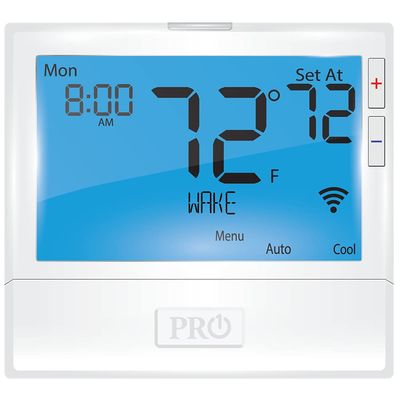
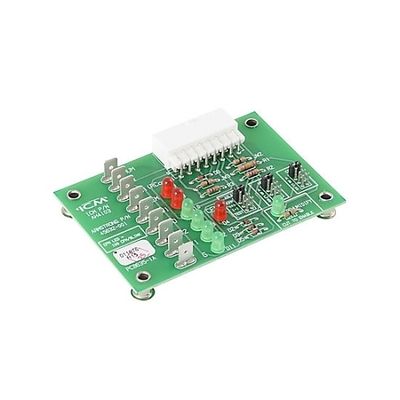
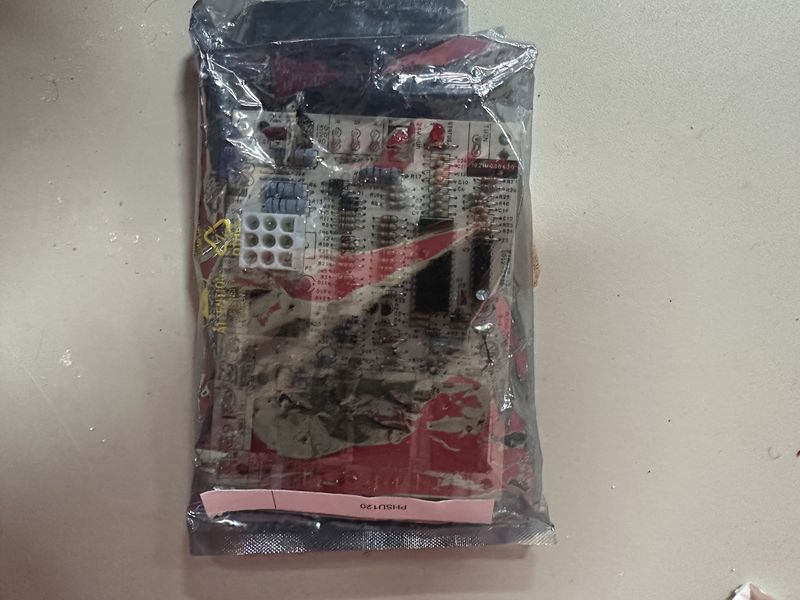
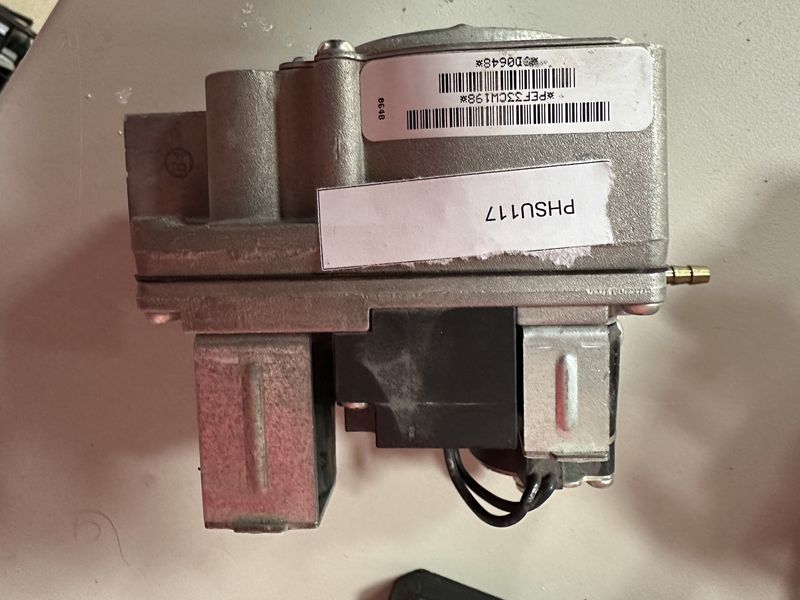
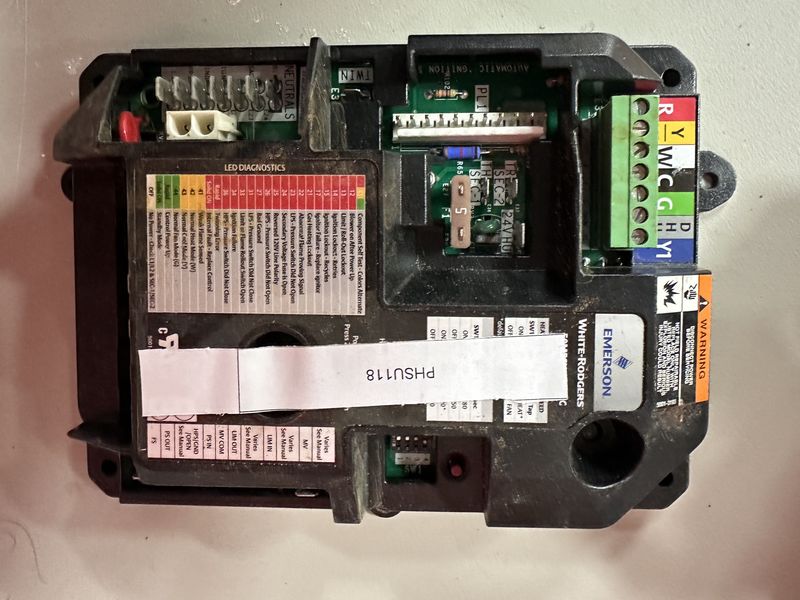
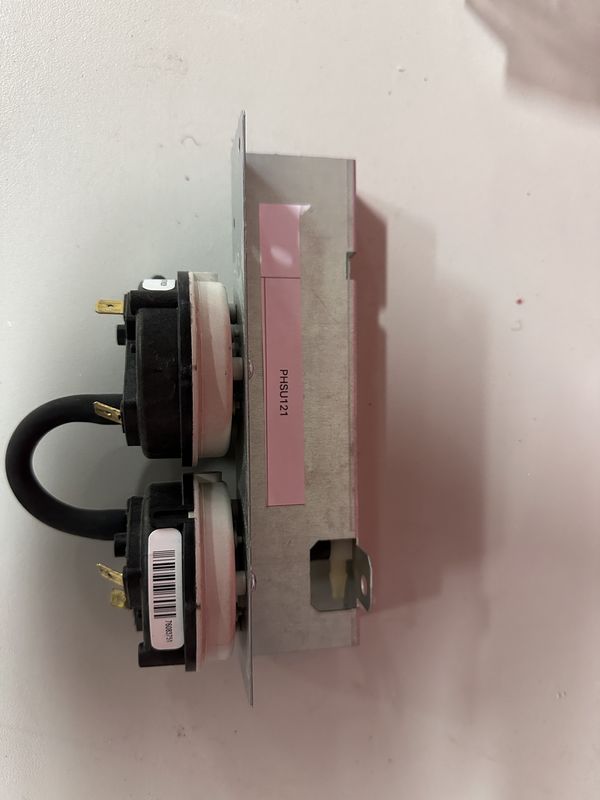
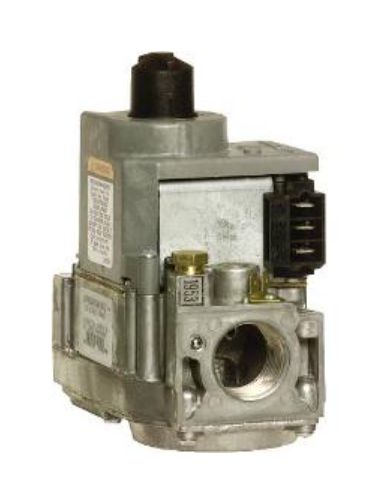
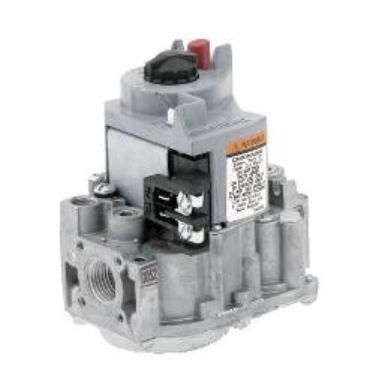
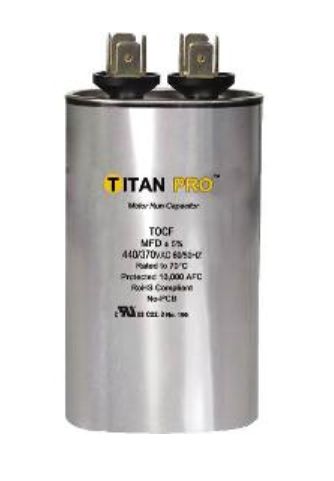
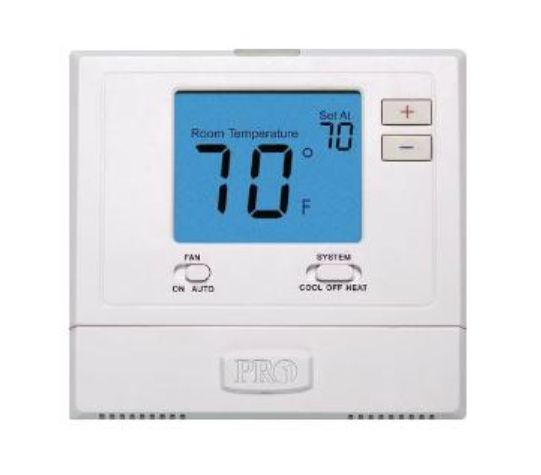
Public HVAC Solutions carries HVAC parts & supplies for heating and cooling repairs, maintenance, and replacement projects. Shop control boards, pressure switches, gas valves, igniters, capacitors, thermostats, motors, OEM parts, HVACR components, installation supplies, and other service parts for residential and commercial equipment. Because compatibility varies by system, use the part number, equipment model number, manufacturer, and listed specifications to narrow your search.
HVAC Parts & Supplies for Heating and Cooling Systems
HVAC systems use a wide range of electrical, mechanical, ignition, airflow, and control parts. The exact component needed depends on the equipment being serviced and how that system was built.
Our parts categories cover components used with furnaces, air conditioners, heat pumps, air handlers, rooftop units, and other heating and cooling equipment. You can also narrow your search to motors, thermostats, HVACR parts, OEM parts, supplies, and other specialized categories.
When replacing an existing part, the original part number is often the best place to start. Parts that look alike or perform a similar job are not necessarily interchangeable. Electrical ratings, connections, dimensions, operating ranges, and equipment applications can all vary between models.
Controls Motors Ignition Parts and More
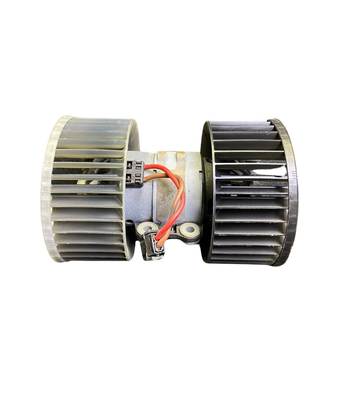
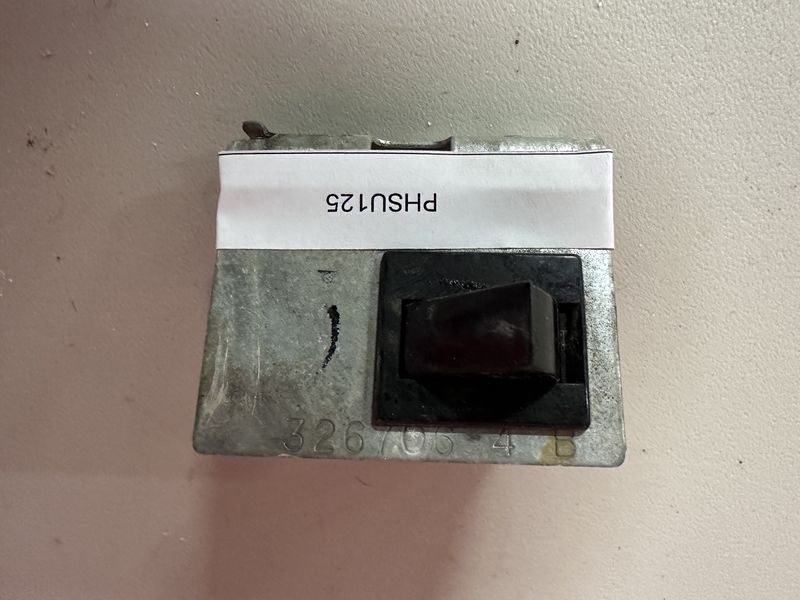
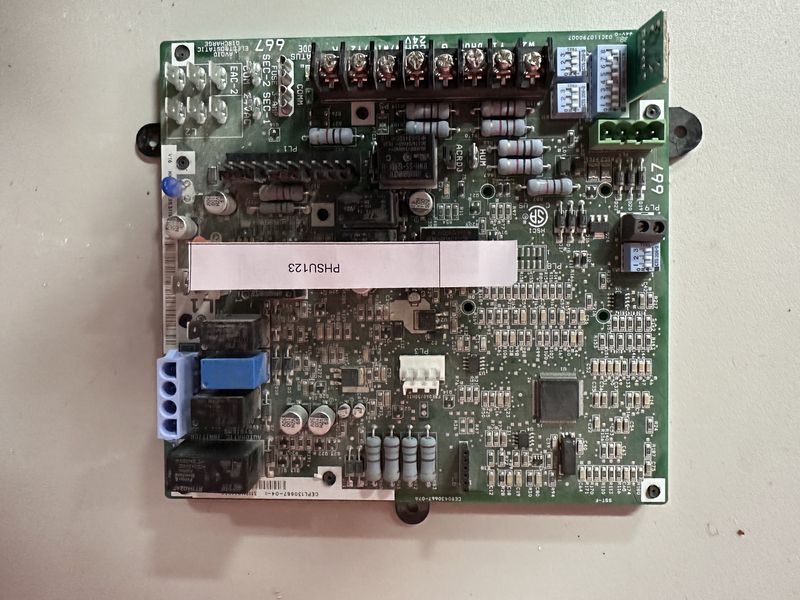
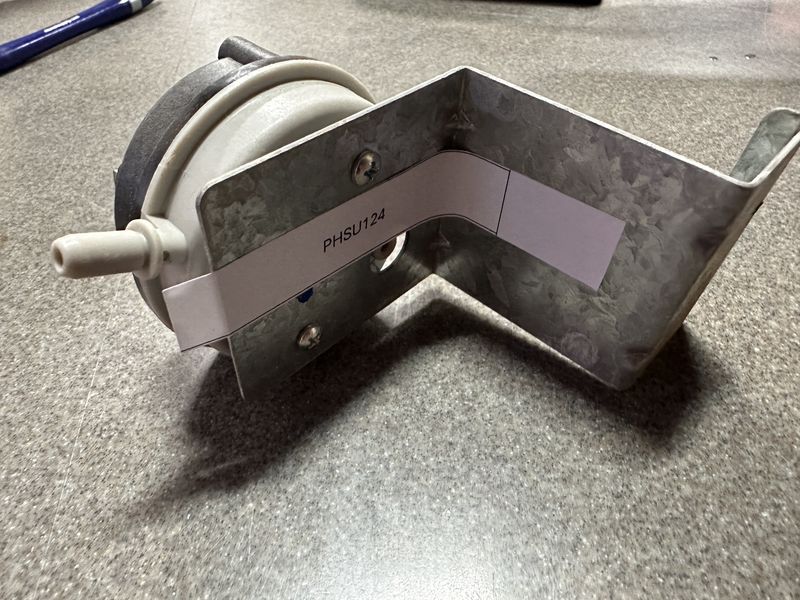
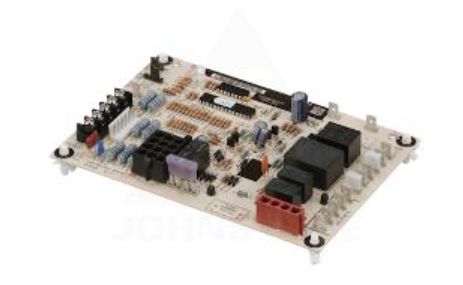
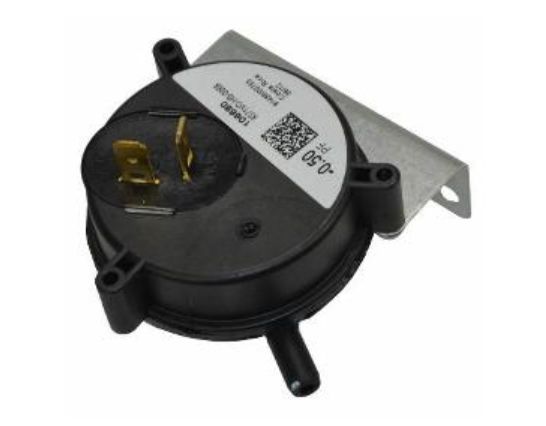
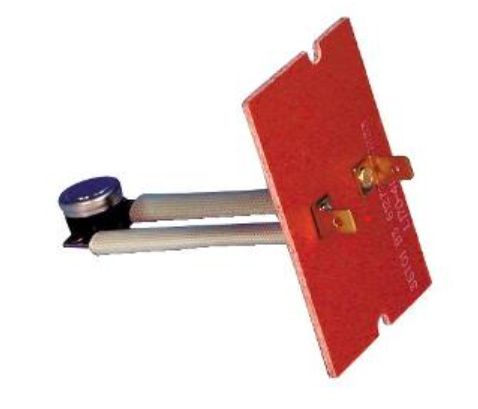
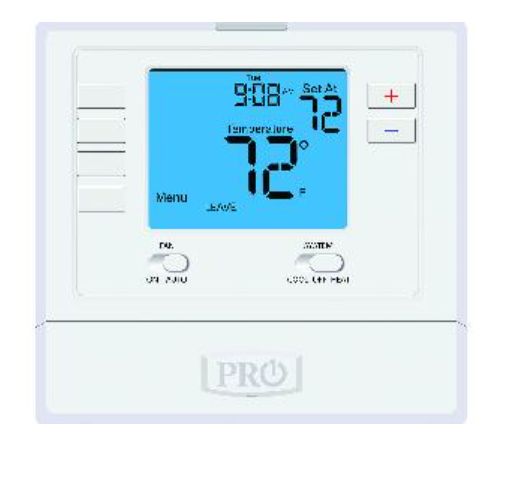
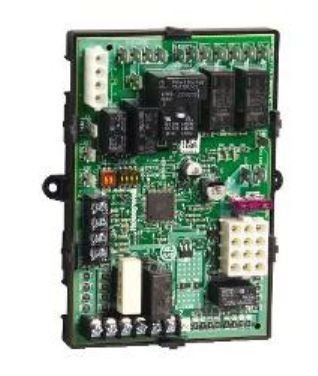
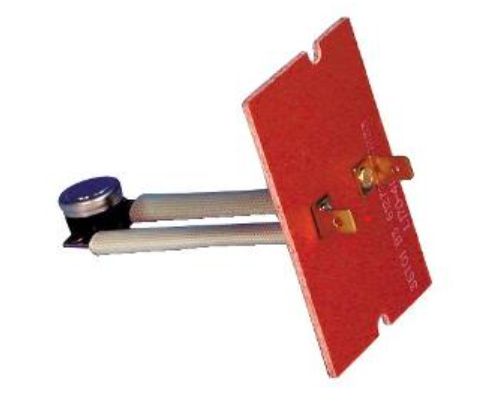
Many HVAC repairs come down to one component that controls, starts, monitors, or supports the system. Common examples include furnace control boards, ignition controls, pressure switches, limit controls, hot surface igniters, gas valves, capacitors, thermostats, and motors.
Some parts are made for a specific model or equipment family. Others may replace several original part numbers when the manufacturer lists those applications as compatible.
Pay close attention to the information shown on the product page. A control board may differ by staging or ignition setup. A motor can vary by voltage, horsepower, speed, rotation, shaft size, or mounting. Pressure switches, gas valves, and safety controls also have specifications that need to match the equipment they are going into.
What to Check Before Buying HVAC Parts & Supplies
Start with the old part if it is available, then compare that information with the model number of the equipment being repaired.
- Part number: Look for the original manufacturer number and any approved replacement or superseding numbers.
- Equipment model: Make sure the part is listed for the furnace, air conditioner, heat pump, air handler, rooftop unit, or other system being serviced.
- Electrical ratings: Compare voltage, amperage, frequency, capacitance, horsepower, or other electrical specifications that apply.
- Operating specifications: Pressure settings, temperature limits, control stages, and other operating details can differ from one part to another.
- Connections and dimensions: Look at terminals, wiring connections, pipe or tubing sizes, mounting points, shaft dimensions, and overall size.
- Control setup: Boards, thermostats, ignition controls, and similar parts may need to match the system's heating, cooling, or ignition configuration.
If the original number cannot be matched directly, manufacturer cross-reference information or help from an HVAC technician can usually narrow down the correct replacement.
Finding the Part or Supply You Need
Searching by the equipment type alone can return a lot of parts that will not fit your system. A furnace igniter, for example, is not automatically interchangeable with every other furnace igniter.
Whenever possible, search using the number printed on the original part. If that number has been discontinued, look for an approved superseding number or manufacturer cross-reference.
The same approach works for control boards, switches, gas valves, capacitors, thermostats, and motors. It is usually faster and more reliable than shopping by appearance.
For installation and maintenance materials, browse HVAC supplies. More specialized refrigeration and control components can be found in the HVACR parts category.
If you cannot find the part or supply you are looking for, Public HVAC Solutions can help you search using the equipment model number and any information available from the original component.
HVAC Parts & Supplies Shipped Nationwide
Public HVAC Solutions ships HVAC parts & supplies and equipment throughout the United States and Canada. Inventory changes regularly, so individual product pages are the best place to check current availability, specifications, pricing, and part numbers.
Shipping methods can vary based on the size and type of item ordered. Smaller service parts are handled differently from larger HVAC equipment, and transit times are not guaranteed. Review the shipping information for your order before scheduling repair or installation work around an expected delivery date.
HVAC Parts & Supplies FAQs
How do I find the correct replacement part number?
Look at the original component first. Most HVAC parts have a manufacturer number printed on a label, housing, board, motor plate, or other visible location. It also helps to have the model and serial number from the furnace, air conditioner, heat pump, or other equipment.
If the original part has been discontinued, there may be a newer part number that replaces it. Manufacturer cross-reference information can help identify that replacement. Avoid choosing a part only because it looks similar to the one being removed.
Can a universal HVAC part replace an OEM part?
In some cases, yes. Certain thermostats, ignition controls, motors, and other service parts are made to replace several original part numbers.
The word "universal" does not mean the part fits every system. It still has to match the application and the required electrical, control, mounting, and operating specifications. Check the manufacturer's compatibility information before using a universal part in place of the original component.
Should HVAC replacement parts be installed by a professional?
Many should be. HVAC equipment can involve high-voltage electricity, gas controls, ignition systems, motors, refrigerant circuits, and safety devices.
A technician can also determine whether the failed part is the actual problem or the result of another issue in the system. That matters with control boards, motors, gas valves, ignition components, and safety controls in particular. Installation should follow the equipment and part manufacturer's instructions.
Service packages
At Public HVAC Solutions, we’re committed to delivering top-notch HVAC services tailored to your needs. Whether you’re upgrading your system, addressing repairs, or seeking virtual guidance, we’ve got you covered!