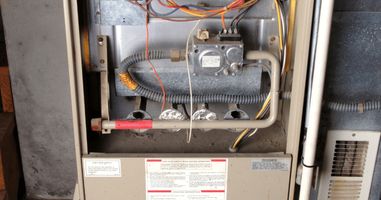
No. Switching to a heat pump doesn't automatically mean your gas furnace has to go. In fact, keeping the furnace can be a practical option, particularly if it's relatively new and still in good condition.
Keeping Your Furnace as Backup Heat
In a dual-fuel system, the heat pump provides heating during certain outdoor conditions. The furnace takes over when the controls determine that gas heating is the better option. For example, your heat pump might handle heating during a cool fall afternoon, while the furnace takes over during a particularly cold winter night.
The exact changeover point depends on the equipment, local climate, energy costs, and how the controls are configured. You also need to make sure the furnace blower and indoor coil can work with the new heat pump.
Keeping the furnace may save you from replacing equipment that still has years of useful service ahead of it.
Replacing the Furnace With an Air Handler
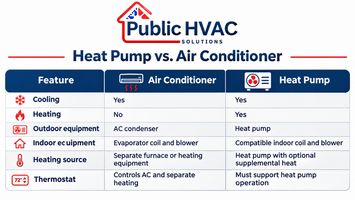
You can also use a heat pump with an electric air handler instead of a gas furnace. An air handler circulates heated or cooled air through the ductwork. In a heat pump installation, it works with the indoor refrigerant coil and may include supplemental electric heating.
This setup eliminates the need for a furnace as the primary or backup heating source, although supplemental heat may still be needed. It's a bigger change than replacing the outdoor AC equipment. Your installer will need to evaluate the electrical supply, heating requirements, airflow, and ductwork.
If your furnace is already nearing the end of its useful life, this may be a good time to compare both options.