WE SHIP NATIONWIDE ACROSS THE UNITED STATES AND CANADA.
Residential Gas Furnaces
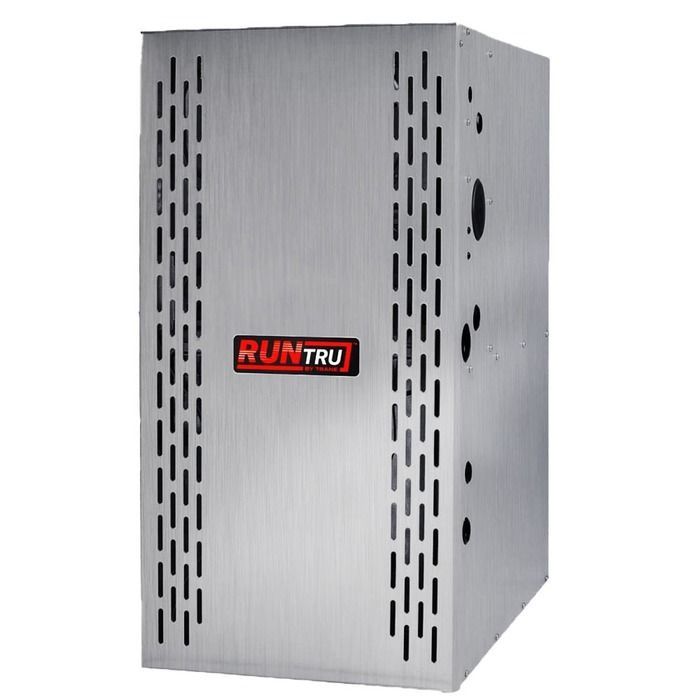
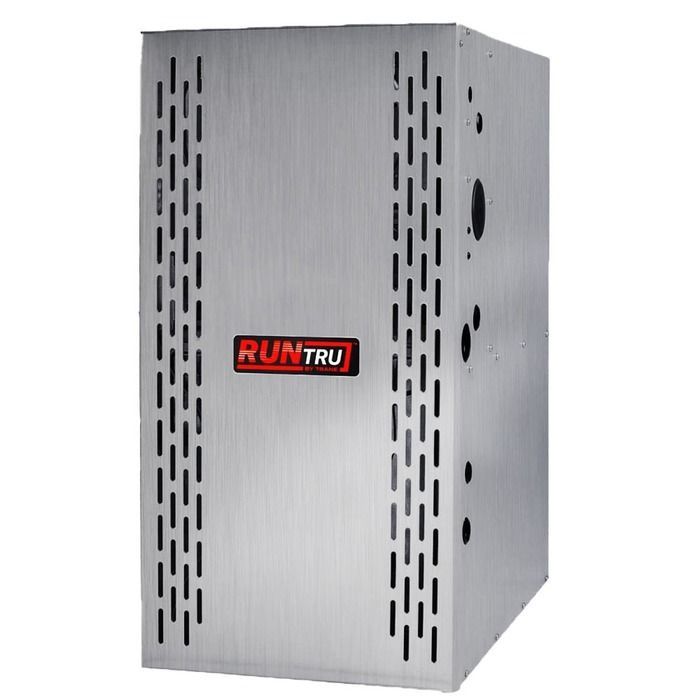
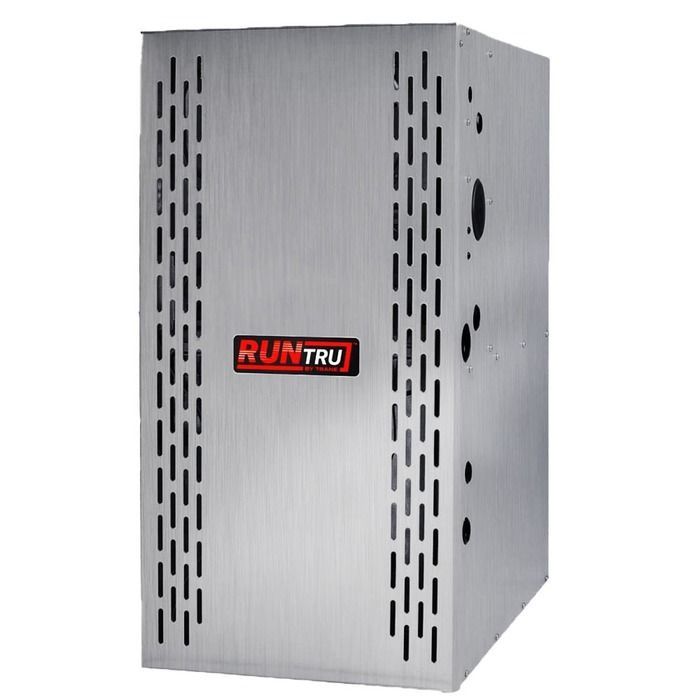
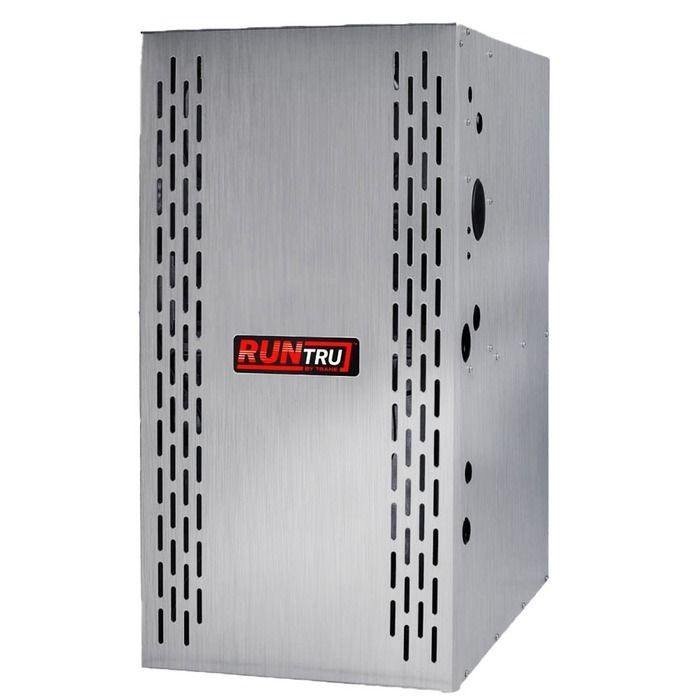
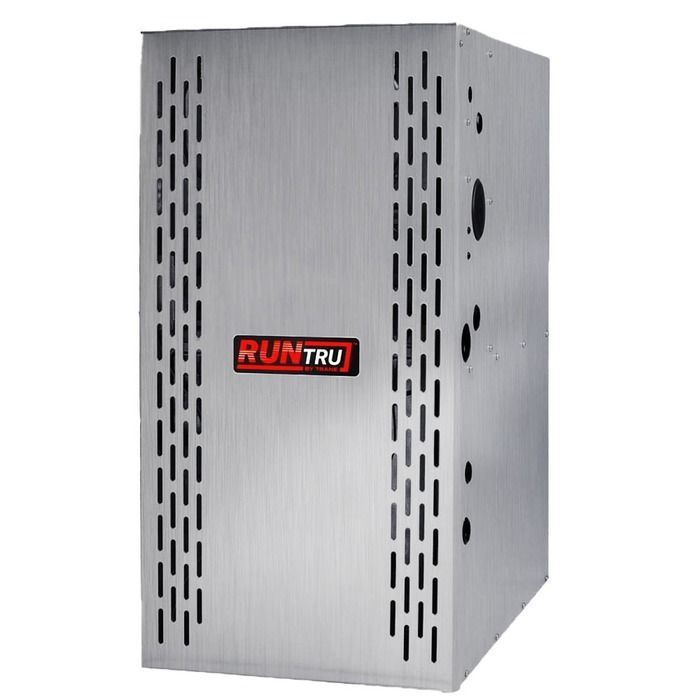
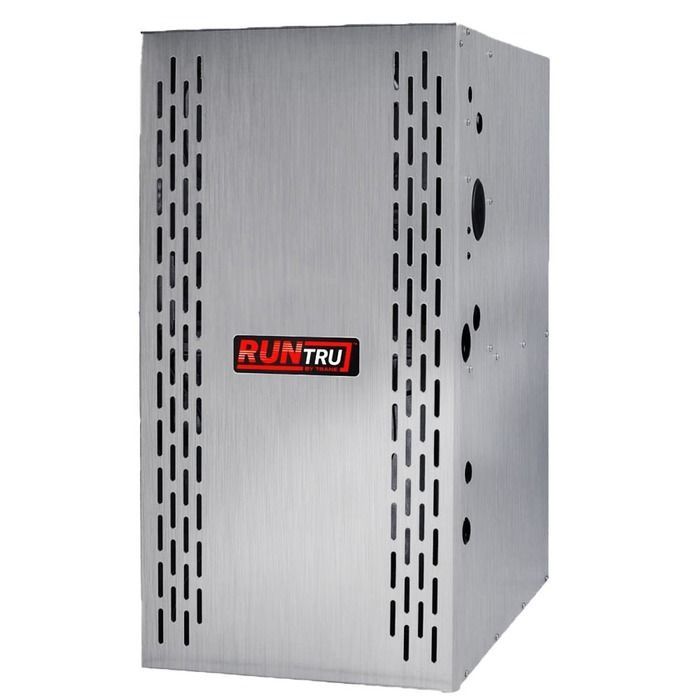
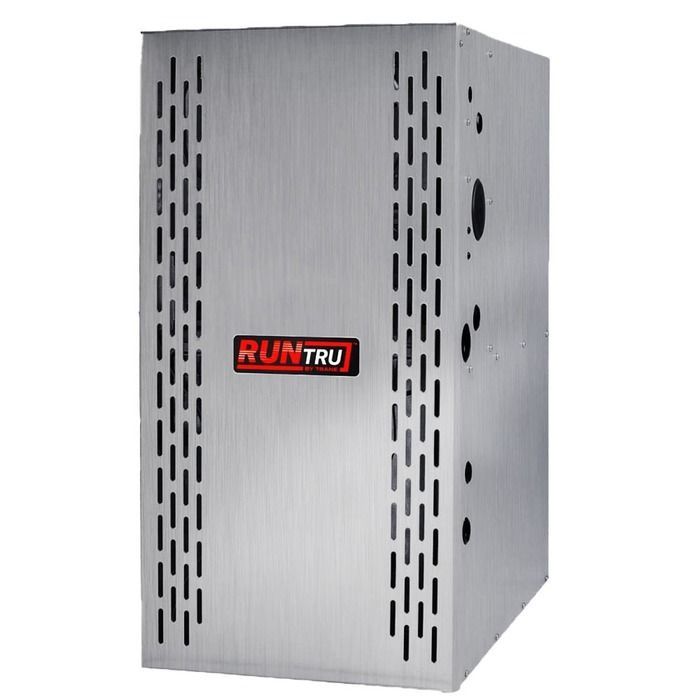
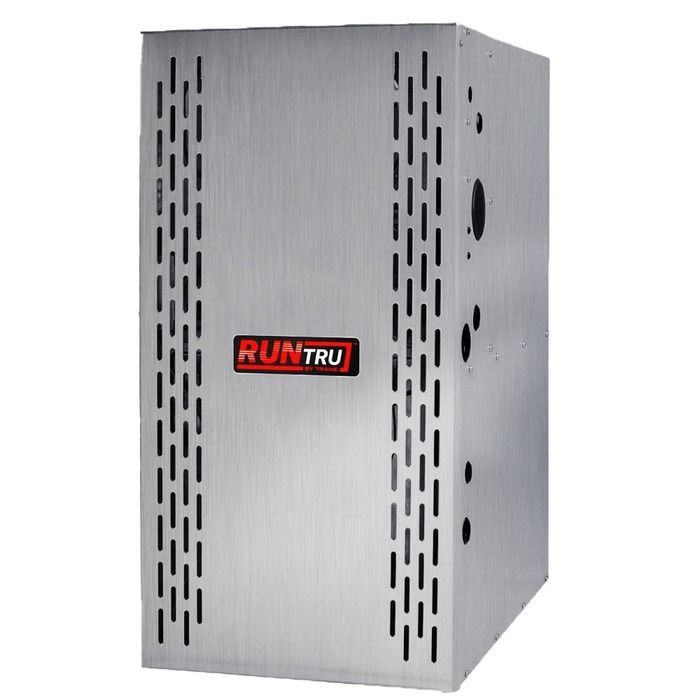
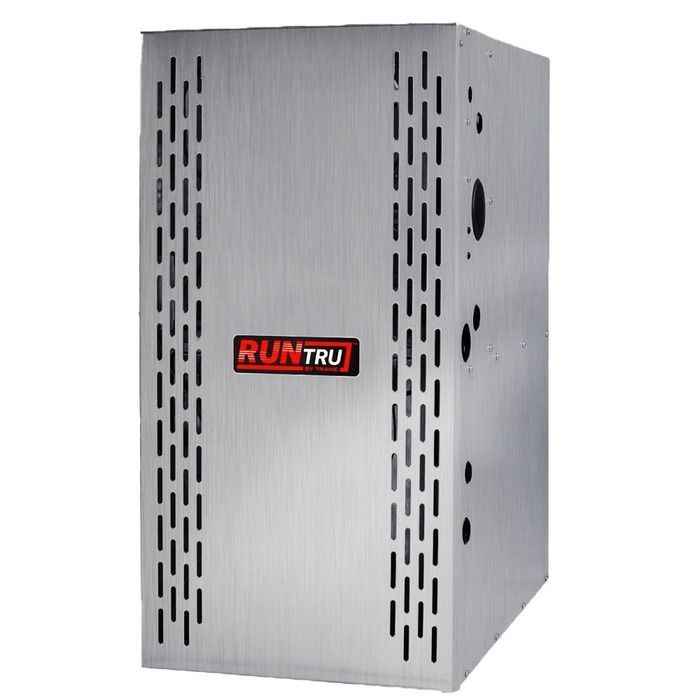
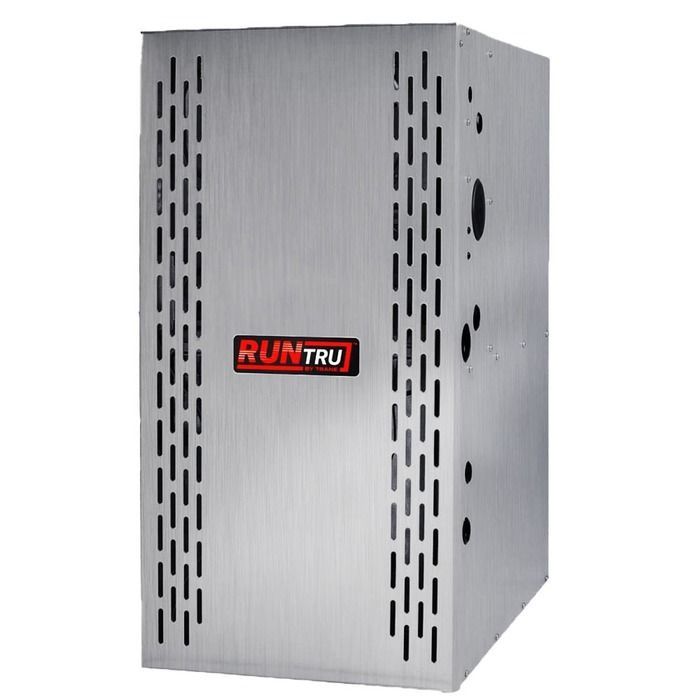
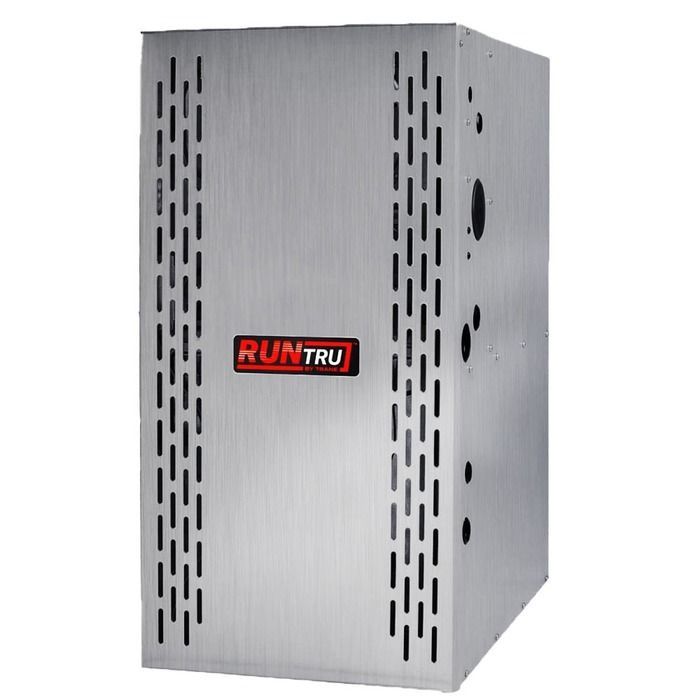
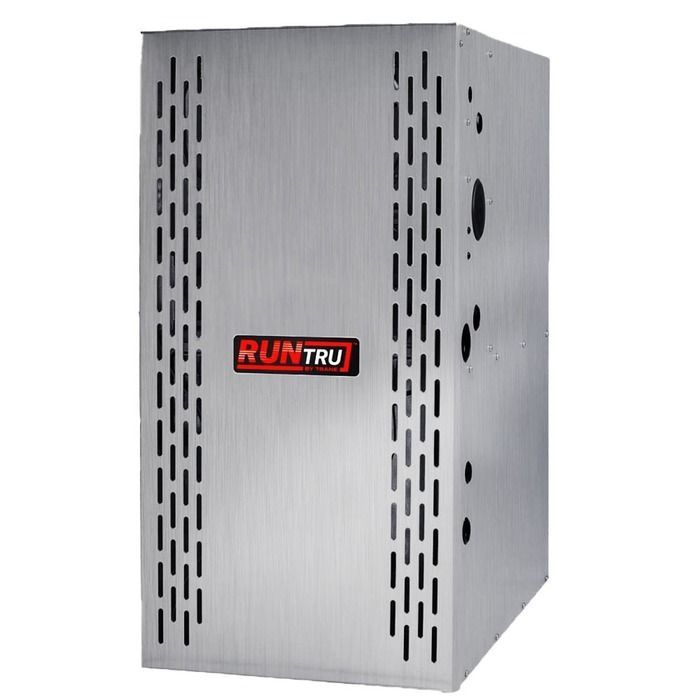
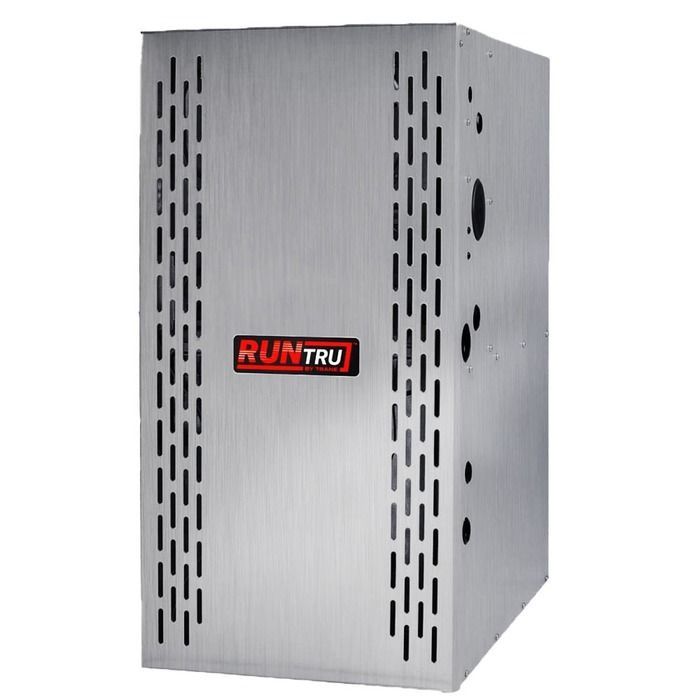
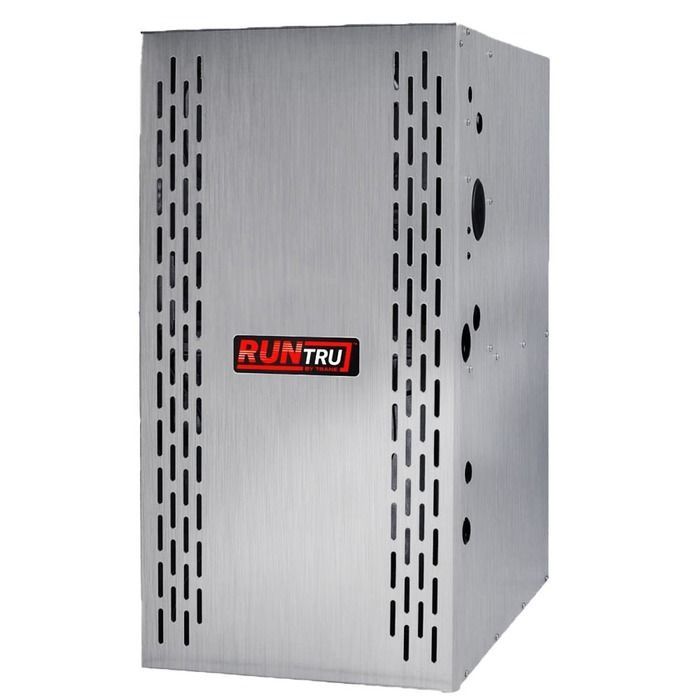
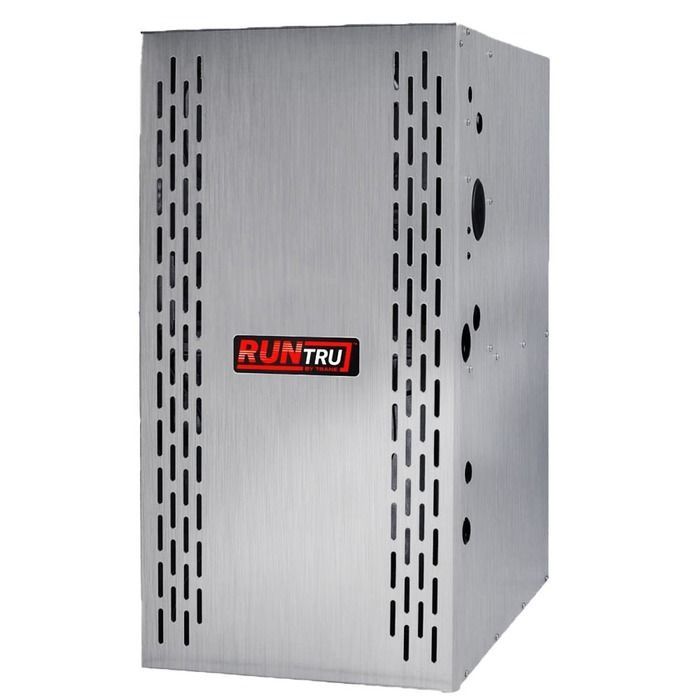
Shop residential gas furnaces for replacement systems, HVAC upgrades, and new installations. Public HVAC Solutions carries furnaces from brands including Trane, American Standard, and Ameristar, with options in different BTU capacities, efficiency ratings, heating stages, blower types, and airflow configurations. You may find standard-efficiency and high-efficiency models, along with upflow, downflow, and horizontal furnaces. Inventory changes regularly, so check individual product listings for current specifications and availability.
Gas Furnaces for Residential Heating Systems
A gas furnace heats air and distributes it through the home's ductwork. While many furnaces look similar, differences in capacity, efficiency, cabinet size, airflow direction, venting, and blower operation can determine whether a model will work for a particular installation.
BTU capacity is an important starting point, but it is not enough on its own to size a furnace. The home's heating load, insulation, ductwork, climate, and overall residential heating system also need to be considered.
Furnace efficiency is measured by AFUE, or Annual Fuel Utilization Efficiency. Higher-efficiency models use more of the fuel they consume to produce usable heat. They may also require different venting and condensate drainage than standard-efficiency furnaces, so the installation requirements should be reviewed before ordering.
Residential Furnace Configurations and Heating Options
Gas furnaces are available with different heating stages and blower setups. A single-stage furnace operates at one heating output whenever it runs. Two-stage models can operate at a lower output during milder weather and switch to a higher stage when more heat is needed.
Some furnaces also use variable-speed blower motors that adjust airflow rather than running at one fixed speed.
The furnace's airflow direction also matters. Upflow furnaces move heated air upward into the supply ductwork, while downflow models send it downward. Horizontal furnaces are installed on their side and are often used where the duct layout or available mechanical space calls for that configuration.
Public HVAC Solutions may carry models from Trane, American Standard, Ameristar, and other manufacturers as inventory changes. Check each listing for the exact heating stage, blower type, AFUE, airflow configuration, and cabinet dimensions.
What to Check Before Buying a Residential Gas Furnace
Replacing a furnace takes more than matching the BTU rating on the old unit. Before ordering, compare the new equipment with the home's heating requirements, existing ductwork, and the rest of the HVAC system.
- Heating capacity: Confirm the required furnace input and output capacity rather than assuming the old furnace was sized correctly.
- AFUE rating: Compare efficiency levels and account for any installation changes that may come with a higher-efficiency model.
- Airflow configuration: Verify whether the installation requires upflow, downflow, horizontal, or multi-position equipment.
- Heating stages and blower type: Check whether the application calls for single-stage or two-stage heat and the appropriate blower setup.
- Venting and condensate: High-efficiency condensing furnaces typically have different venting and drainage requirements than standard-efficiency models.
- Cabinet size and duct connections: Check furnace width, overall dimensions, return-air location, supply plenum, and available installation space.
- Cooling-system compatibility: If the furnace also handles airflow for central air conditioning, make sure it works properly with the evaporator coil and AC condenser.
A qualified HVAC professional should confirm furnace sizing, venting, gas supply, ductwork, electrical requirements, controls, and equipment compatibility before installation.
Choosing a Furnace for an Existing HVAC System
Replacing a furnace can affect more than the heating side of the system. In homes with central air conditioning, the furnace blower also moves air across the evaporator coil during cooling operation.
If the existing coil and AC condenser are staying in place, the new furnace needs to work with those components. Blower performance, cabinet width, airflow, controls, and the physical connection between the furnace and coil can all come into play.
If several major HVAC components are being replaced at the same time, it may be worth comparing individual equipment with a matched HVAC system that includes the furnace, coil, and condenser. For furnace-only replacements, buyers can compare individual models based on the requirements of the existing system.
Public HVAC Solutions can help review available equipment and product specifications when needed.
Residential Gas Furnaces Shipped Nationwide
Public HVAC Solutions ships HVAC equipment throughout the United States and Canada. Furnace inventory changes as models, capacities, and configurations become available or sell through, so individual product pages are the best place to confirm current specifications and availability.
Contractors, homeowners, property managers, and other buyers can compare furnace models online before ordering. For replacement projects, having the existing model number and system specifications on hand can make it easier to narrow down suitable options. Buyers who need help with a local installation can also review available furnace replacement services.
Residential Gas Furnaces FAQs
What does AFUE mean on a gas furnace?
AFUE stands for Annual Fuel Utilization Efficiency. It measures how much of the fuel used by a furnace is converted into usable heat over the course of a heating season.
A higher AFUE means less fuel energy is lost during operation, but efficiency alone does not determine which furnace is appropriate for a home. High-efficiency condensing furnaces may also require different venting and condensate drainage than standard-efficiency equipment, which can affect the installation.
Can I replace my furnace without replacing my air conditioner?
Often, yes. Replacing a furnace does not automatically mean the AC condenser and evaporator coil also need to be replaced.
The new furnace still needs to work with the existing cooling equipment. The furnace blower moves air across the evaporator coil during air-conditioning operation, so airflow, cabinet dimensions, controls, and the furnace-to-coil connection need to be checked.
If the cooling equipment is also older or due for replacement, comparing a furnace-only replacement with a matched system may make sense before ordering.
Should a replacement furnace have the same BTU rating as the old furnace?
Not always. The BTU rating on the existing furnace is useful information, but it does not confirm that the old furnace was sized correctly.
The amount of heat a home needs depends on factors such as square footage, insulation, windows, air leakage, and climate. Furnace efficiency also affects the relationship between input capacity and usable heat output.
Before replacing a furnace, have a qualified HVAC professional confirm the heating load instead of selecting a new model based only on the old furnace's nameplate.