

WE SHIP NATIONWIDE ACROSS THE UNITED STATES AND CANADA.
Residential HVAC Systems
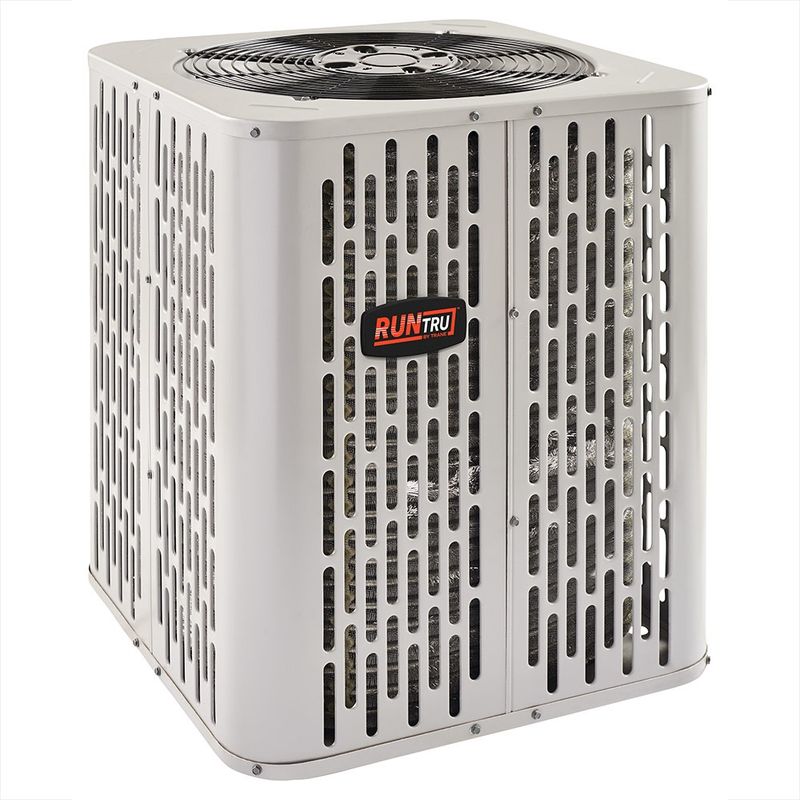
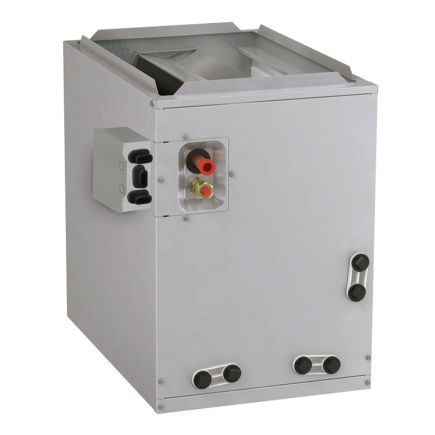
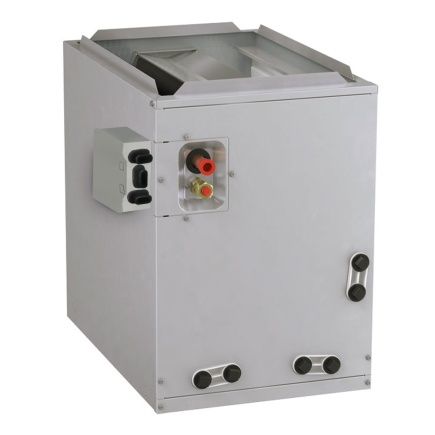
Shop residential HVAC systems for replacement projects, new installations and home heating and cooling upgrades. Public HVAC Solutions carries equipment including gas furnaces, AC condensers, evaporator coils, heat pumps and matched systems. Available models vary by capacity, efficiency, refrigerant and configuration, so buyers can compare equipment based on the needs of the home and the existing HVAC system. Always review the individual product specifications when replacing part of an existing system.
Residential Heating and Cooling Equipment
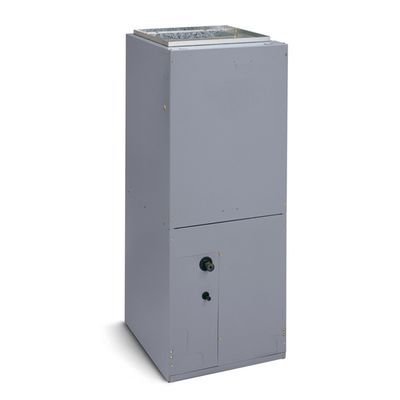
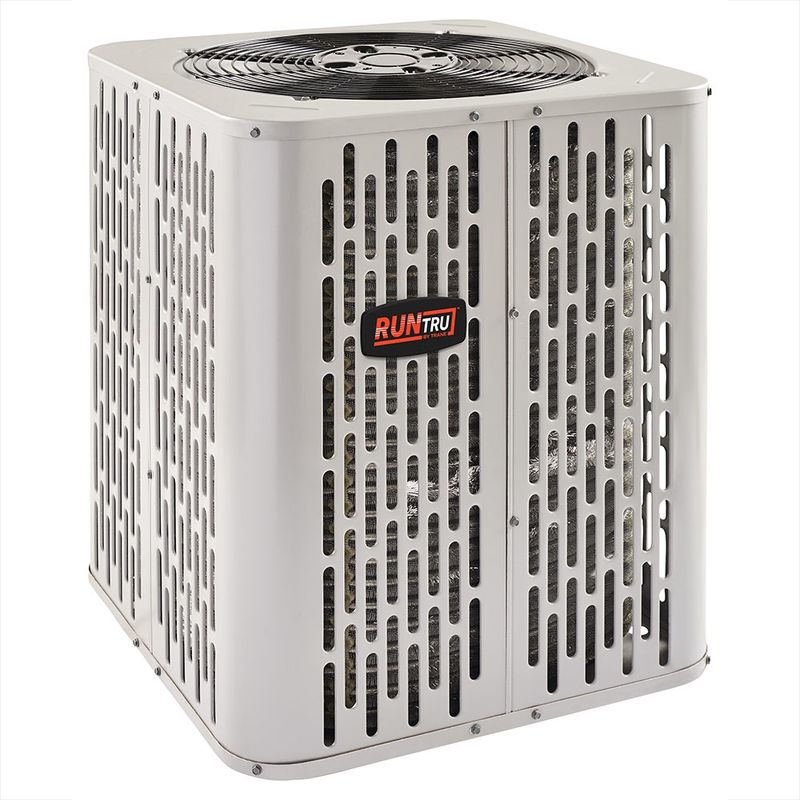
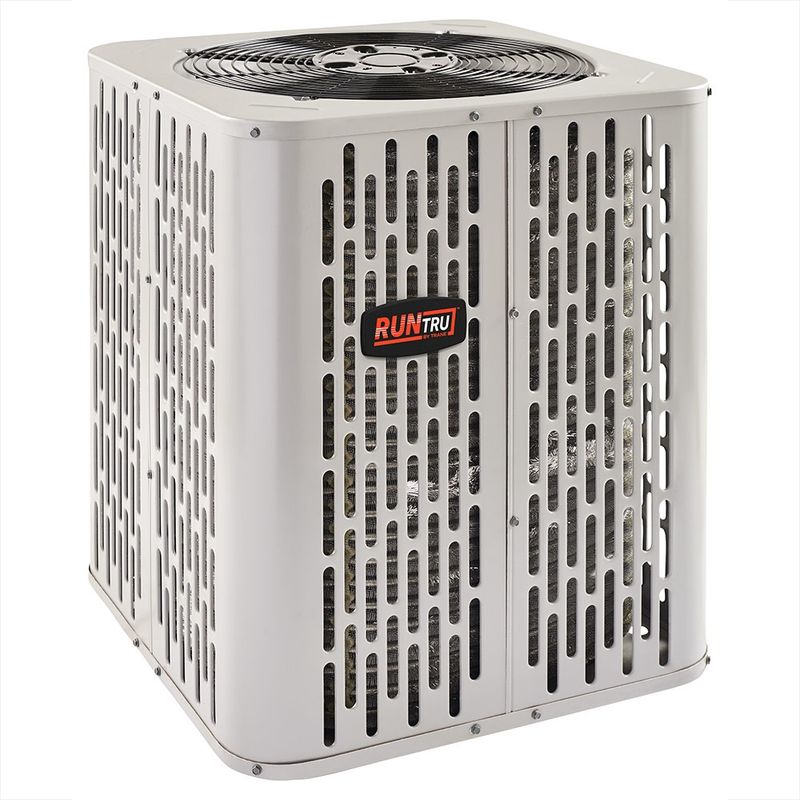
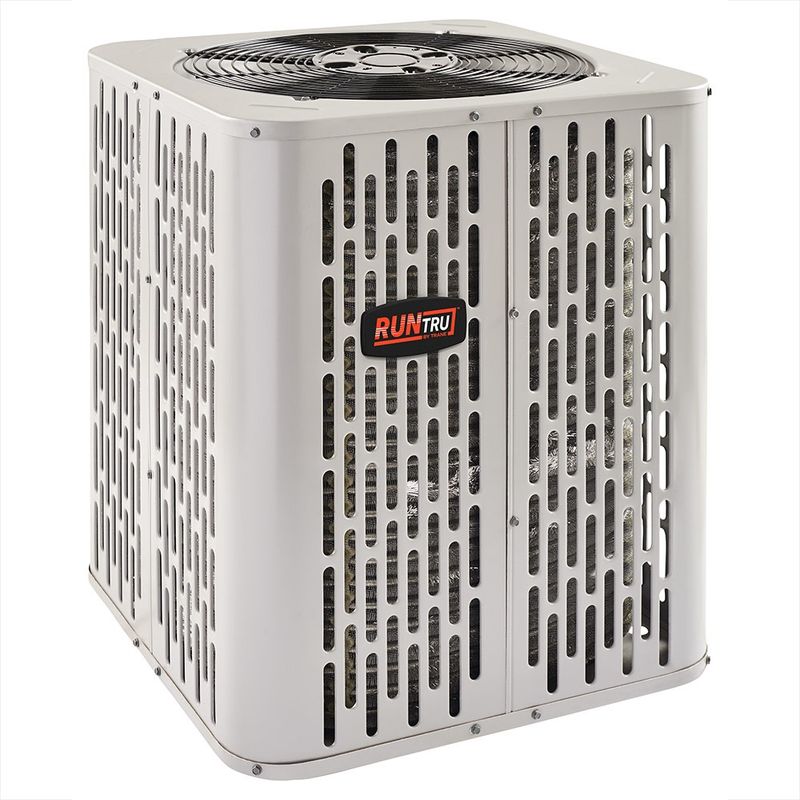
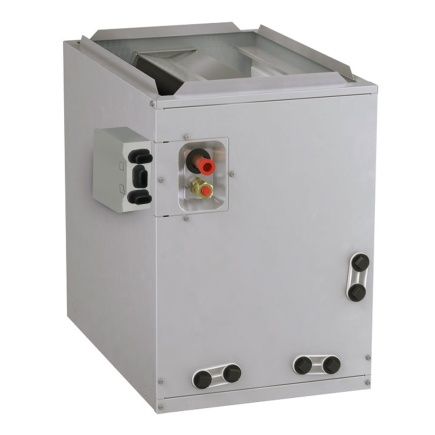
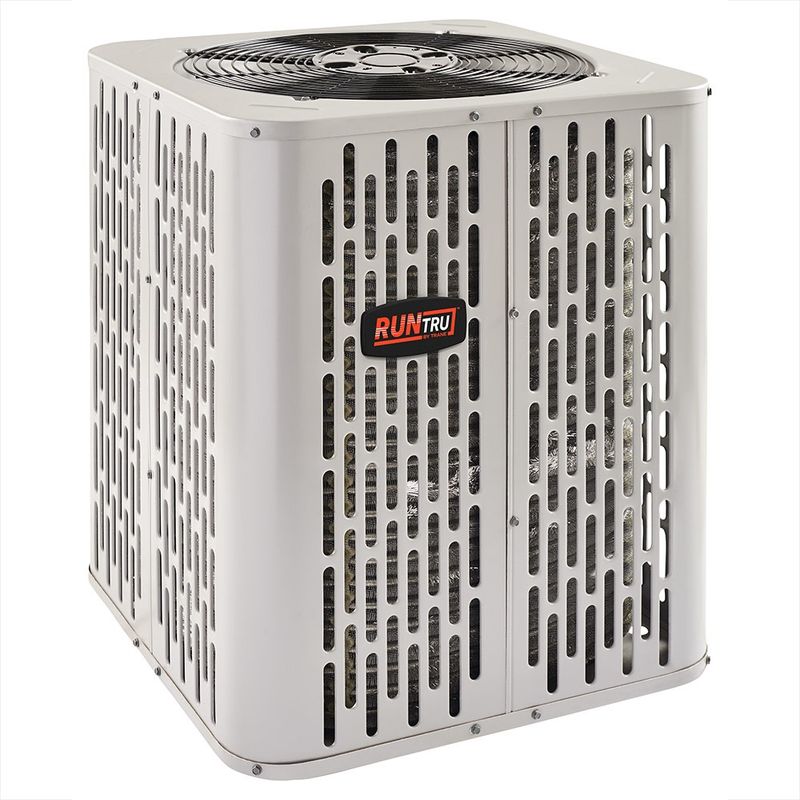
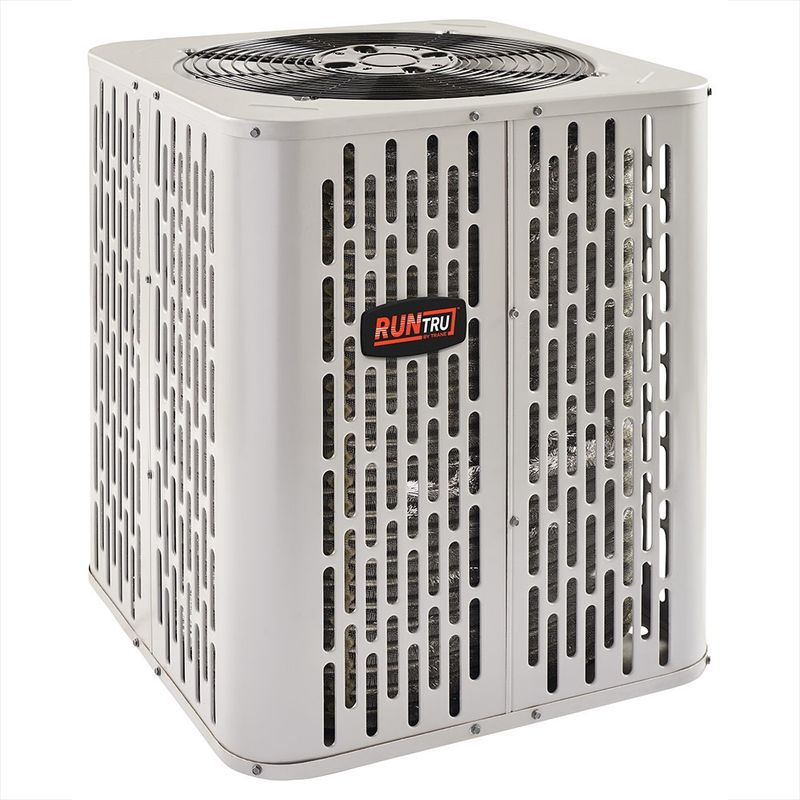
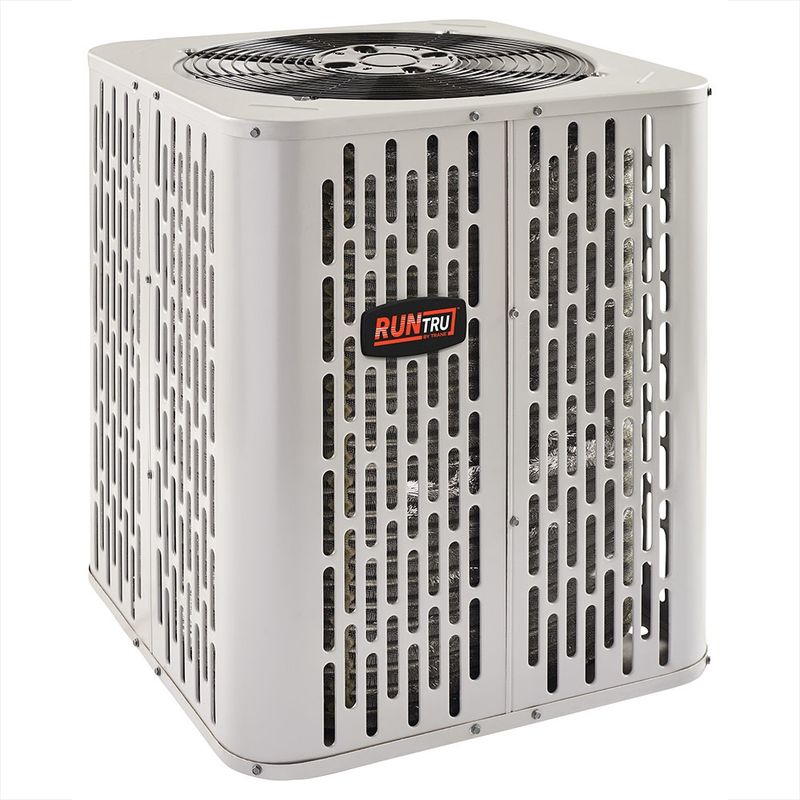
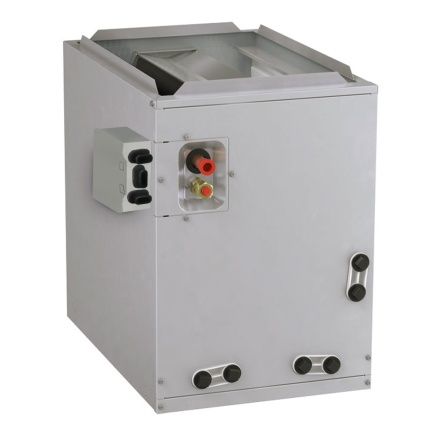
A residential HVAC system may include several pieces of equipment working together. A typical central air conditioning setup uses an outdoor condenser with an indoor evaporator coil and either a furnace or air handler. Other homes may use a heat pump for both heating and cooling.
The equipment needed depends on the home, the existing system and what is being replaced. Capacity is important, but it is only one part of the decision. Refrigerant, fuel type, electrical requirements, efficiency and equipment compatibility also need to line up.
If only one component has failed, the rest of the system does not always need to be replaced. The replacement component does, however, need to work properly with the equipment that remains.
Furnaces, Air Conditioners and Heat Pumps
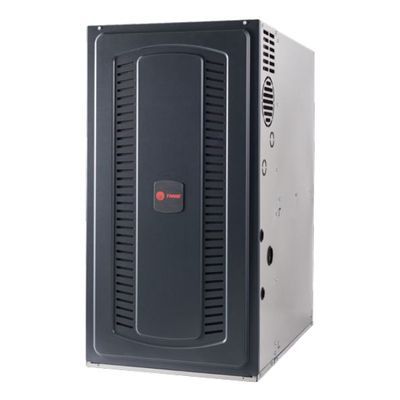
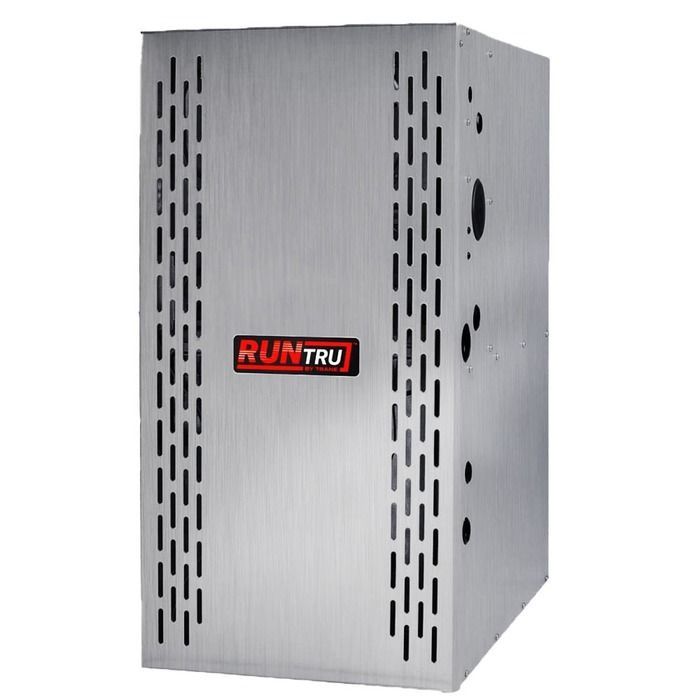
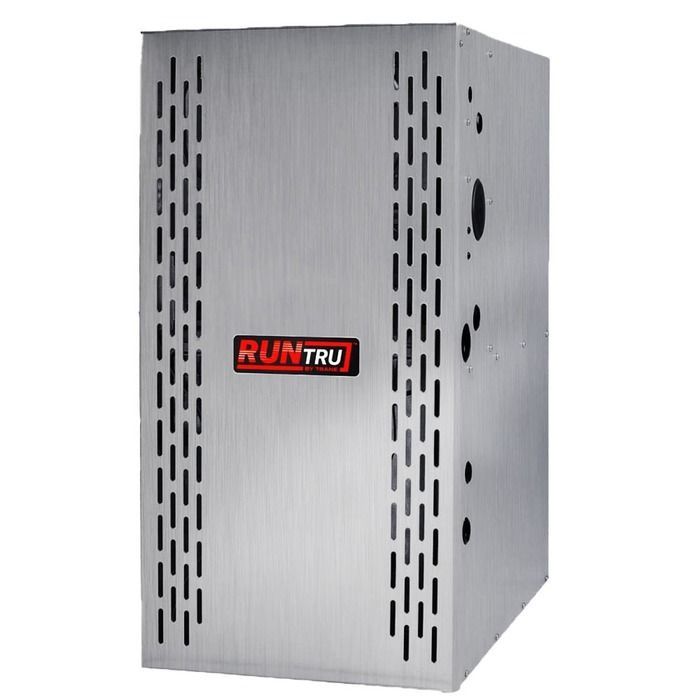
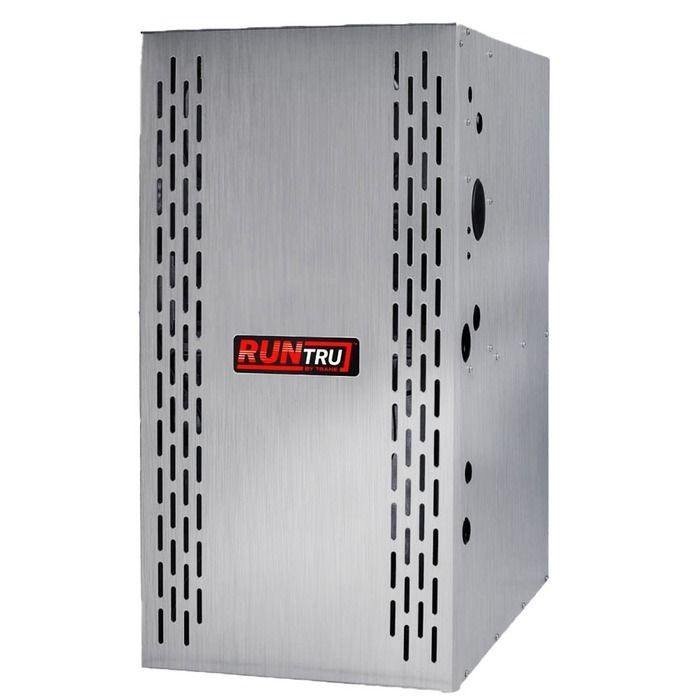
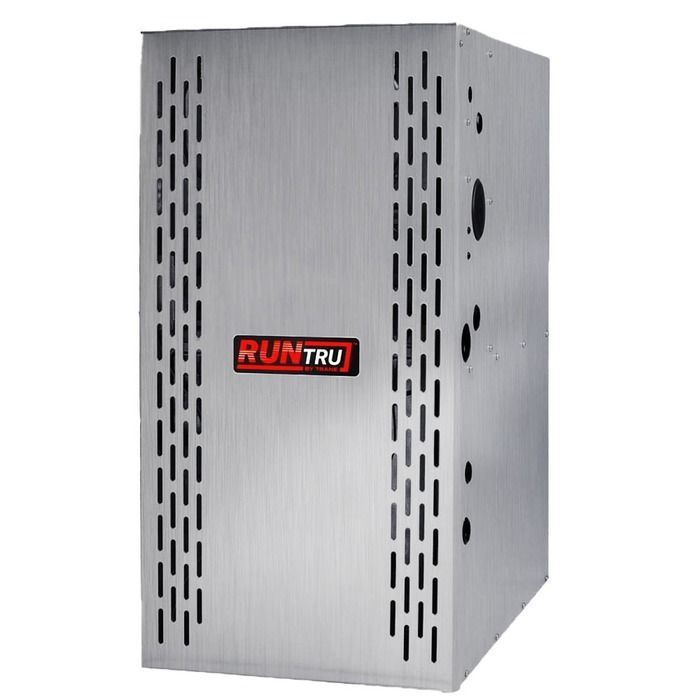
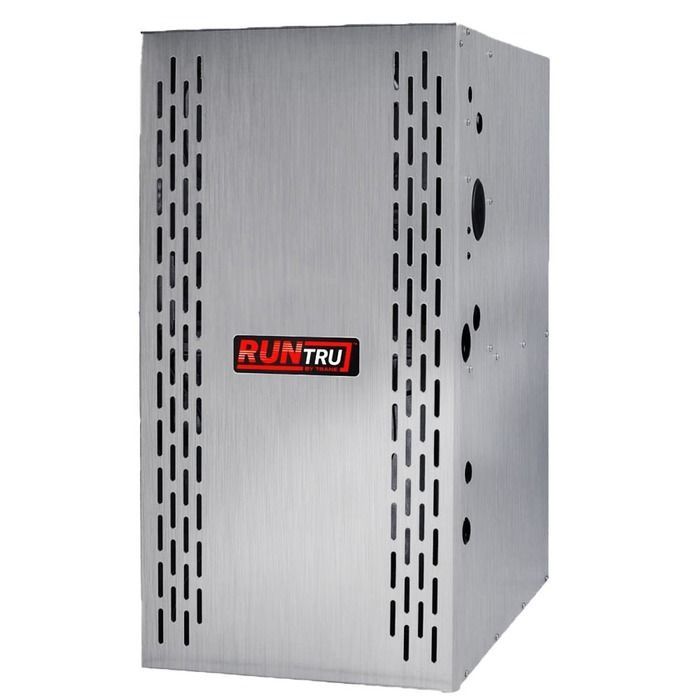
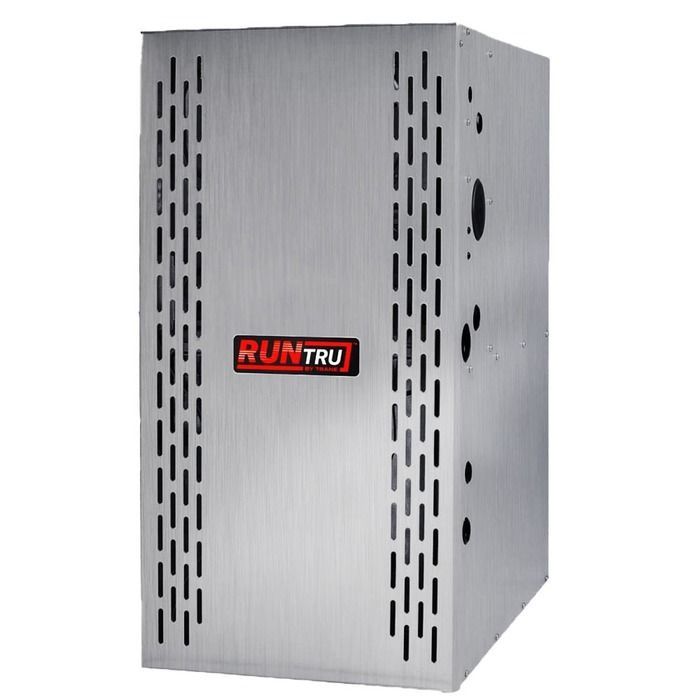
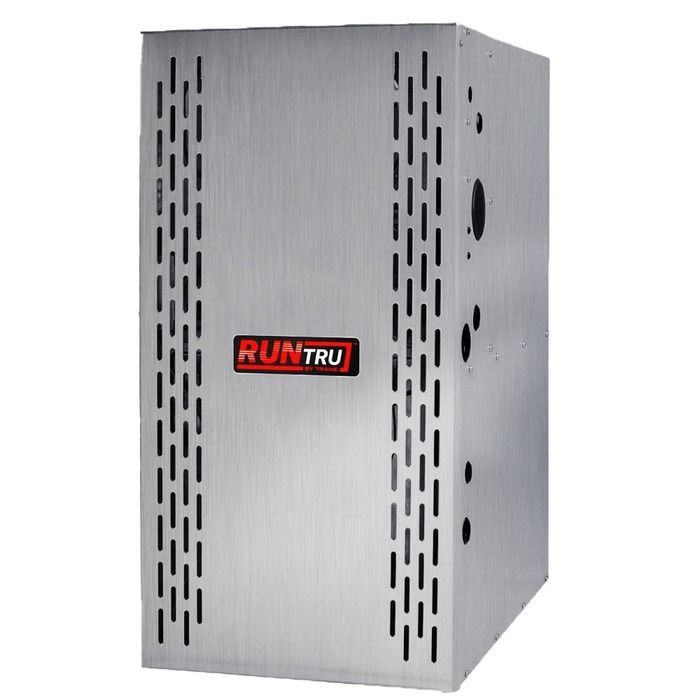
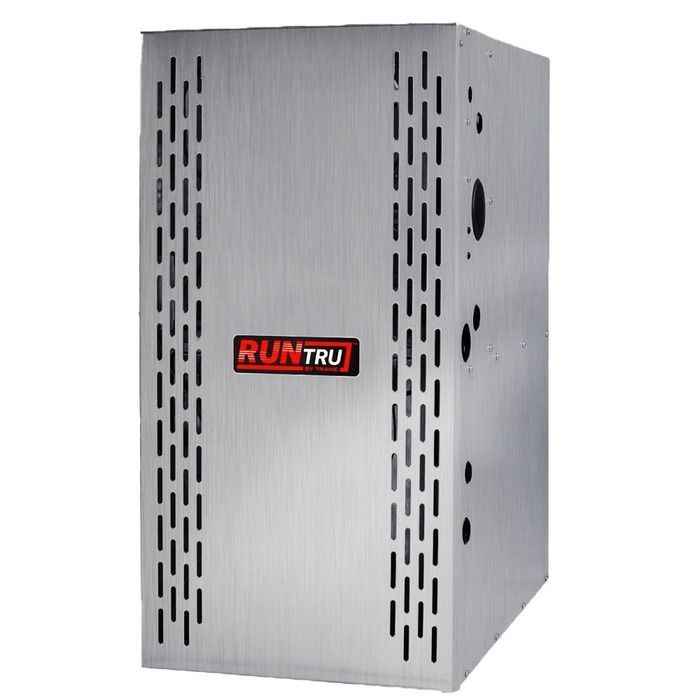
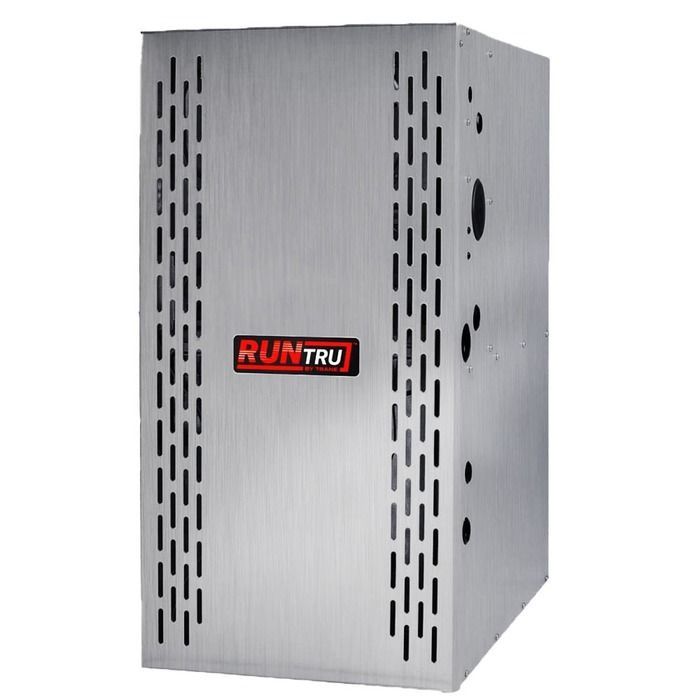
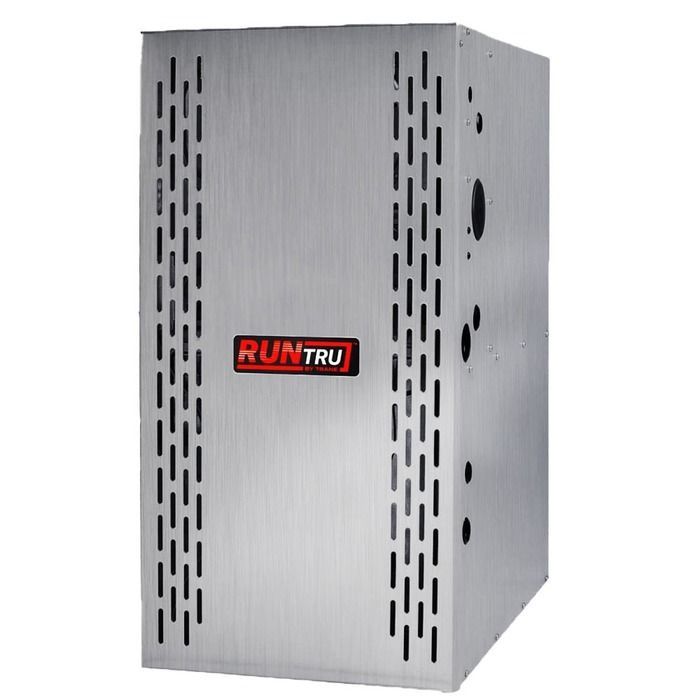
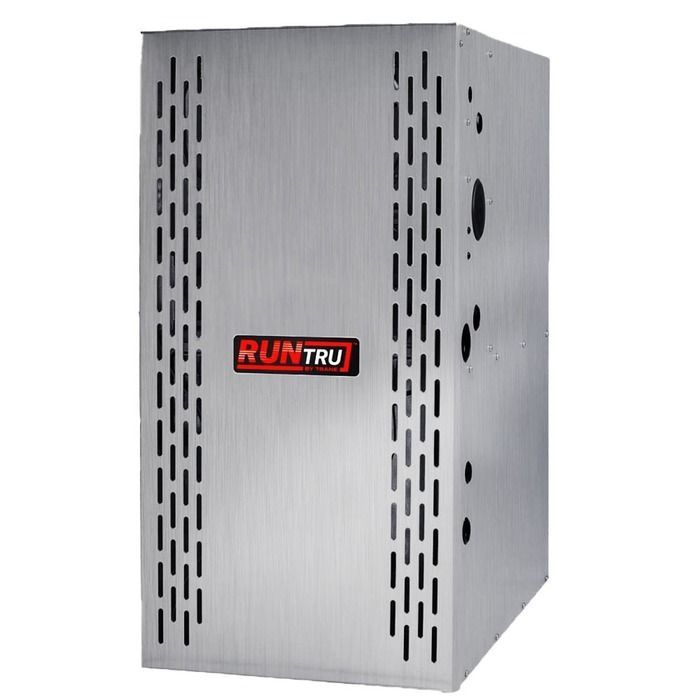
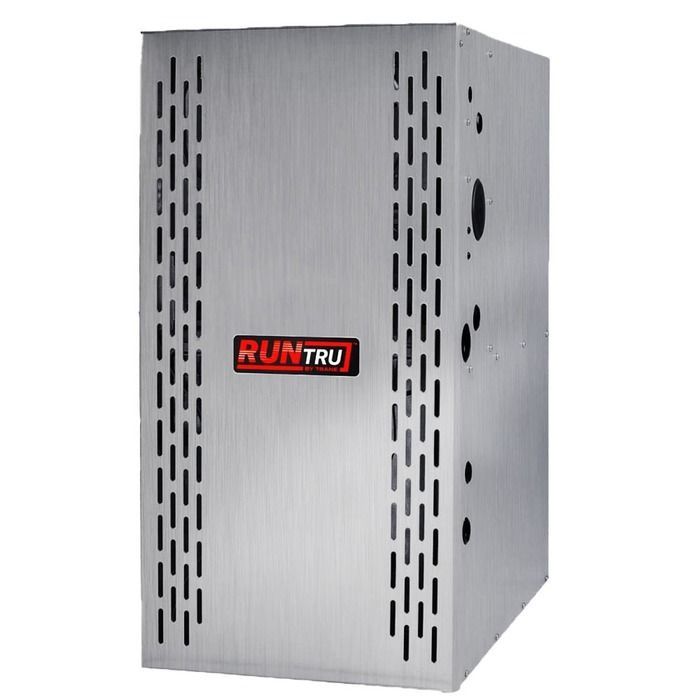
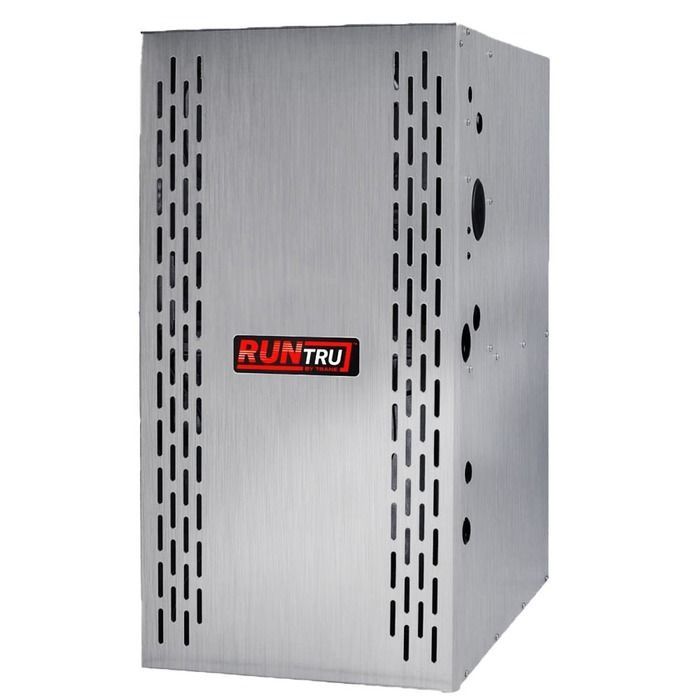
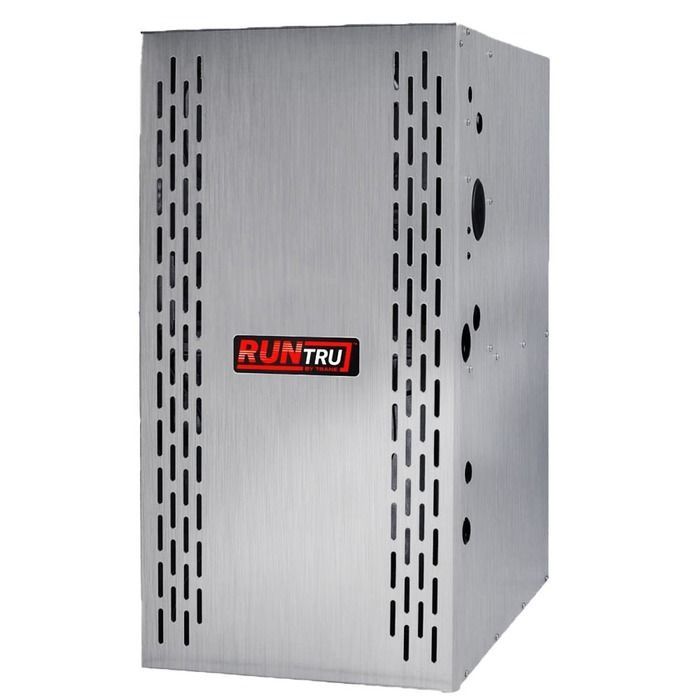
Gas furnaces provide forced-air heat and are available in different BTU capacities, efficiency ratings and operating configurations. In many homes, the furnace also moves air for the central air conditioning system.
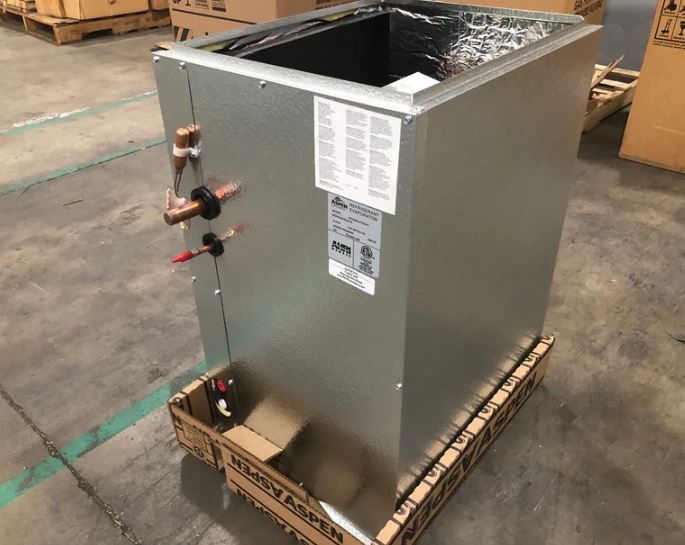
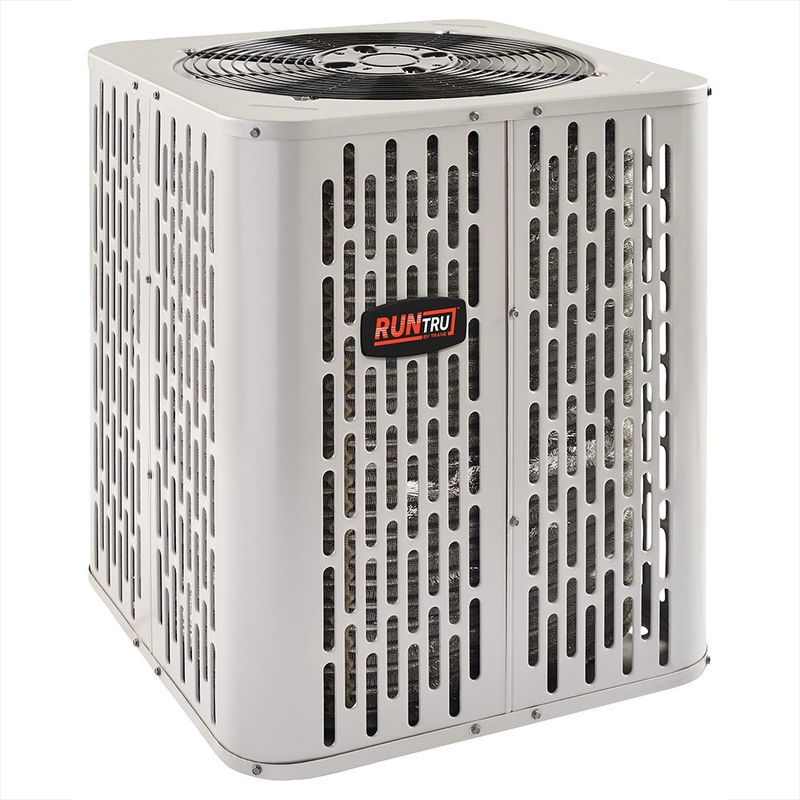
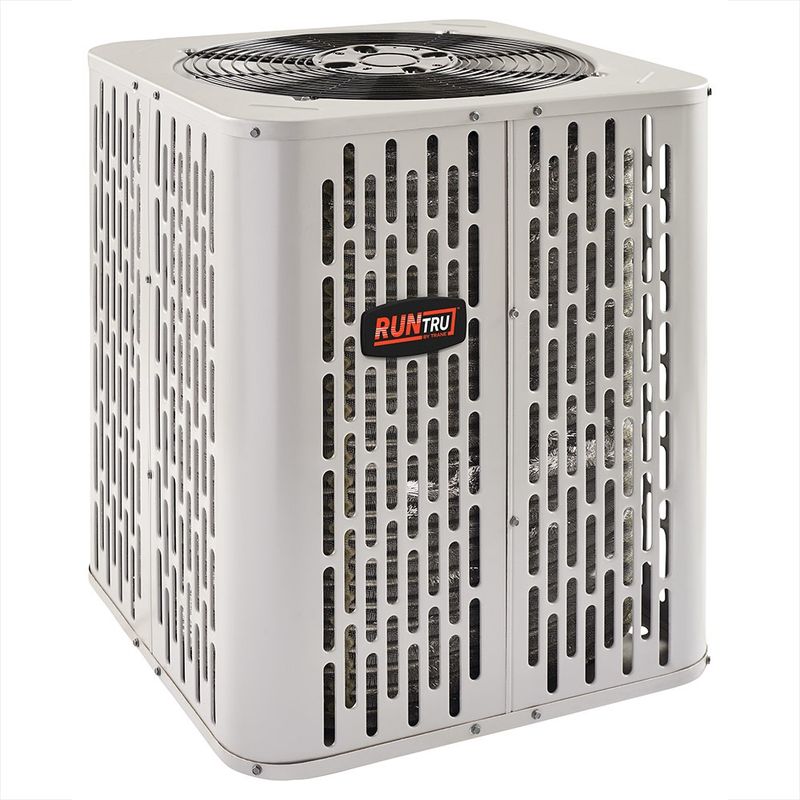
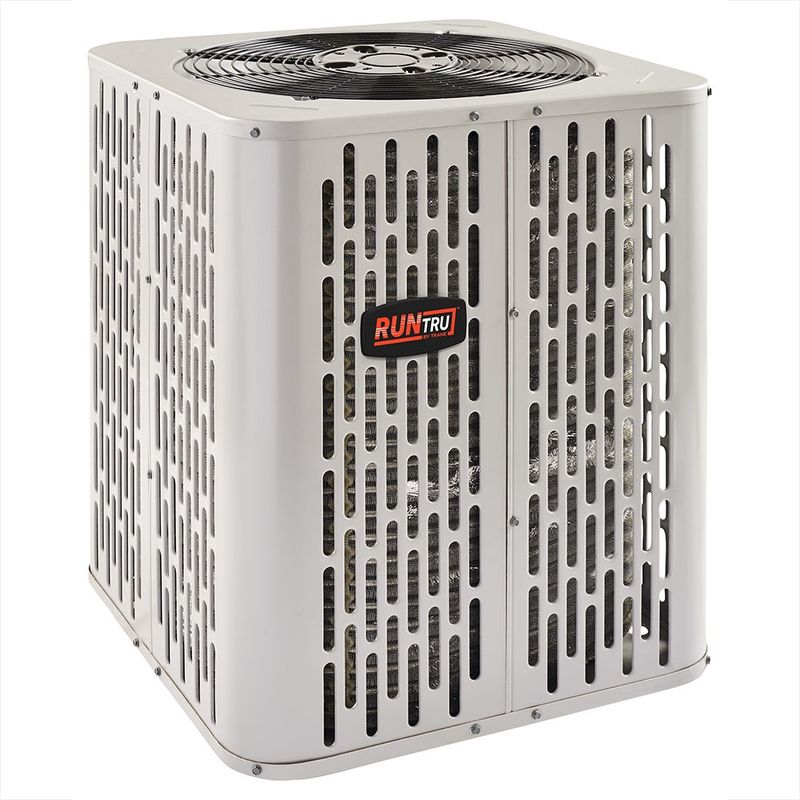
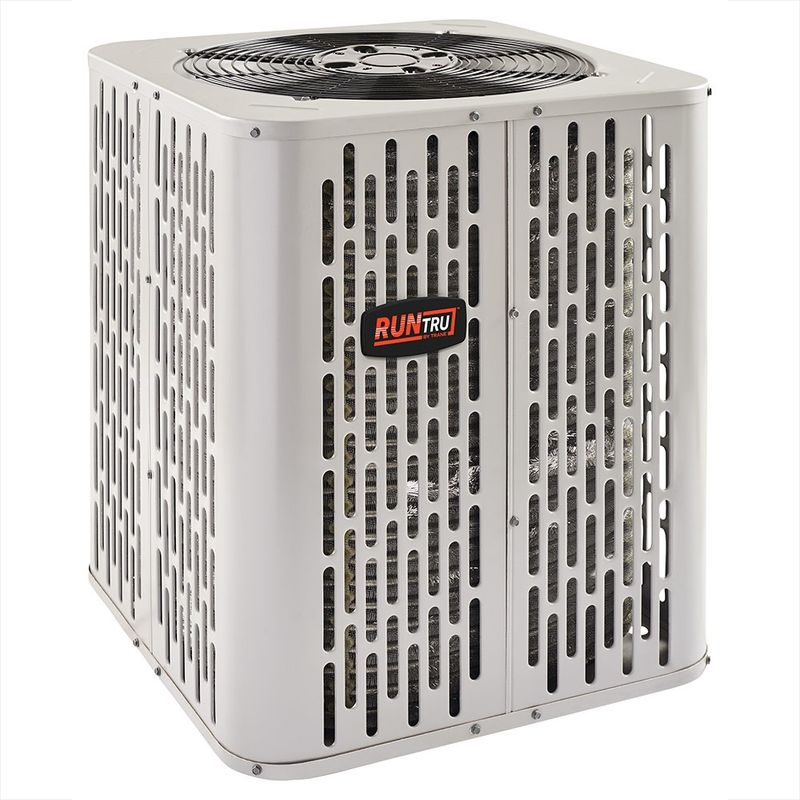
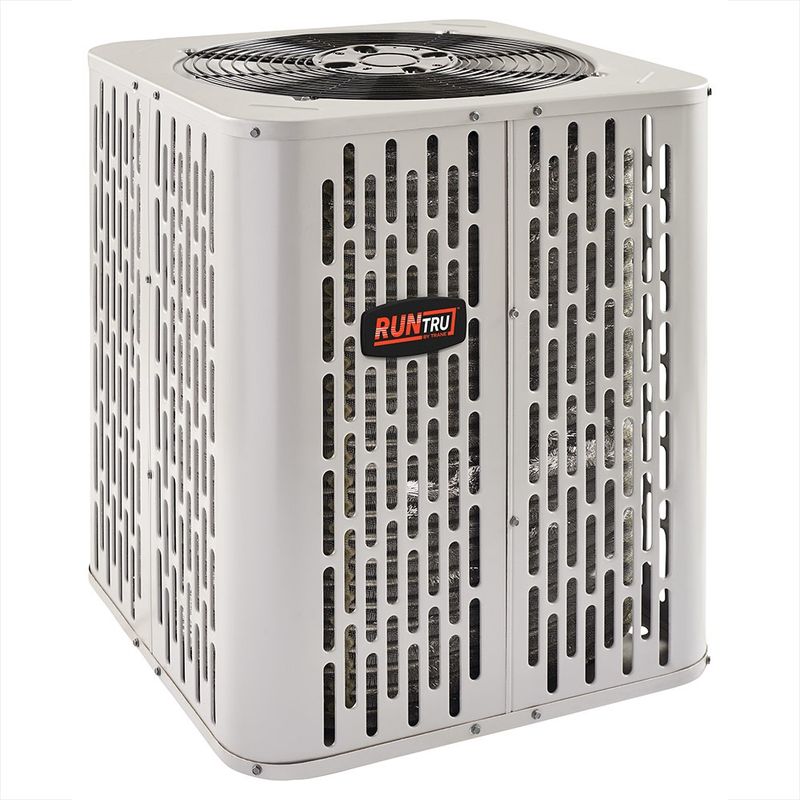
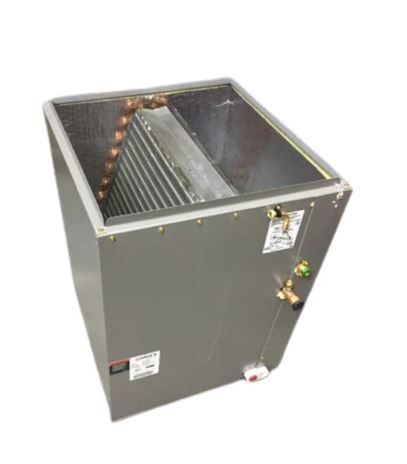
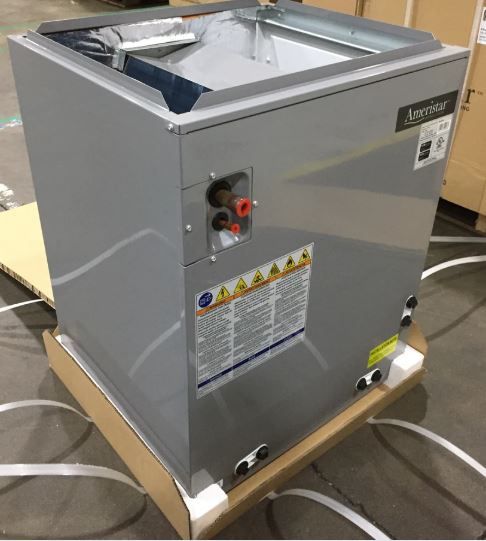
Central air conditioning systems typically pair an outdoor condenser with an indoor evaporator coil. Those components need to be properly matched. Similar tonnage ratings do not automatically mean two pieces of equipment will work together.
Heat pumps operate differently because they provide both heating and cooling. They may be a good fit for homes already using a heat pump system or for projects specifically planned around heat-pump operation.
When several components are being replaced at the same time, matched HVAC equipment can make it easier to identify equipment intended to operate together.
What to Check Before Buying Residential HVAC Equipment
Before ordering equipment, compare the requirements of the home with the specifications of the system being replaced.
- Heating and cooling capacity: Confirm the capacity needed for the home instead of assuming the existing system was sized correctly.
- System type: Determine whether the home uses a furnace and central AC, heat pump or another configuration.
- Equipment matching: Confirm that the outdoor and indoor components are compatible when they will operate as one system.
- Refrigerant: Make sure connected cooling components are intended for the same refrigerant.
- Efficiency: Review SEER2 ratings for cooling equipment and AFUE ratings for gas furnaces where applicable.
- Electrical and fuel requirements: Check voltage, electrical service and fuel type before ordering.
- Installation fit: Compare cabinet dimensions, airflow direction, coil size, line-set requirements and available space.
- Manufacturer requirements: Review model-specific requirements for controls, accessories and installation.
A qualified HVAC professional can confirm sizing and compatibility before equipment is ordered or installed.
Choosing Equipment for a Residential HVAC Project
What needs to be replaced will usually narrow the choices quickly.
If the furnace has failed but the cooling system is still in good condition, you may only need a furnace that works with the existing setup. The same applies when replacing an AC condenser or evaporator coil, although compatibility with the remaining cooling equipment needs to be confirmed.
When several major components are nearing the end of their service life, replacing them together may make more sense. Matched sets can also help buyers compare equipment that has been grouped for use as a system.
Heat pumps are another option for homes already configured for them or for projects where both heating and cooling are being reconsidered.
Browse the residential HVAC equipment above by equipment type and specifications. If you are unsure which products fit the project, Public HVAC Solutions can help review available options. If you also need help with installed equipment, review our HVAC replacement services.
Residential HVAC Systems Shipped Across the U.S. and Canada
Public HVAC Solutions ships HVAC equipment throughout the United States and Canada. Inventory changes regularly, so available brands, capacities, efficiency ratings, refrigerants and configurations may change.
Check each product listing for current availability and detailed specifications before ordering. Larger equipment may ship by freight. Transit times are not guaranteed, so installation should not be scheduled until the equipment has arrived and been inspected. Freight deliveries should also be checked for visible damage or missing items before the delivery receipt is signed.
Residential HVAC Systems FAQs
Do all parts of a residential HVAC system need to be the same brand?
Not necessarily. Compatibility depends on the specific equipment, not simply the brand name on the cabinet.
An outdoor unit, indoor coil, furnace or air handler can affect the capacity and efficiency of the complete system. Two pieces of equipment should not be assumed to work together just because they have the same tonnage rating or similar dimensions. Manufacturer specifications and approved equipment combinations should be checked before mixing components, especially when replacing only one part of an existing system.
How do I know what size HVAC system my home needs?
Home size is one factor, but square footage alone does not determine HVAC capacity. Insulation, windows, air leakage, climate, ductwork and the layout of the home can all affect heating and cooling loads.
Installing a larger system does not automatically improve comfort. Oversized and undersized equipment can both create performance problems. For a full system replacement or new installation, an HVAC professional should calculate the home's heating and cooling requirements instead of choosing equipment solely from the size of the old system.
Can I replace just one part of my HVAC system?
In many cases, yes. It depends on the age, condition and compatibility of the equipment that will remain.
For example, a furnace may still have years of usable life when the air conditioner needs replacement. The new condenser and existing indoor equipment still need to work together correctly. Refrigerant, controls, efficiency and approved system combinations can all affect whether replacing a single component is practical or whether additional equipment should be replaced at the same time.