WE SHIP NATIONWIDE ACROSS THE UNITED STATES AND CANADA.
Furnace Flame Sensors
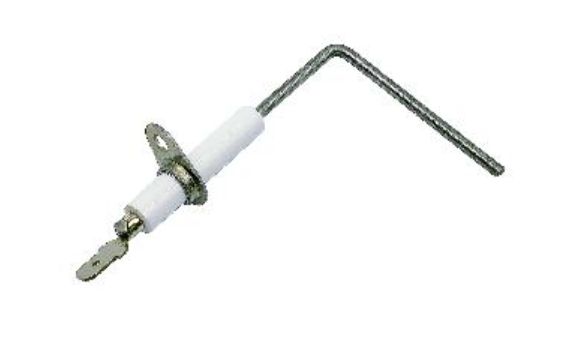
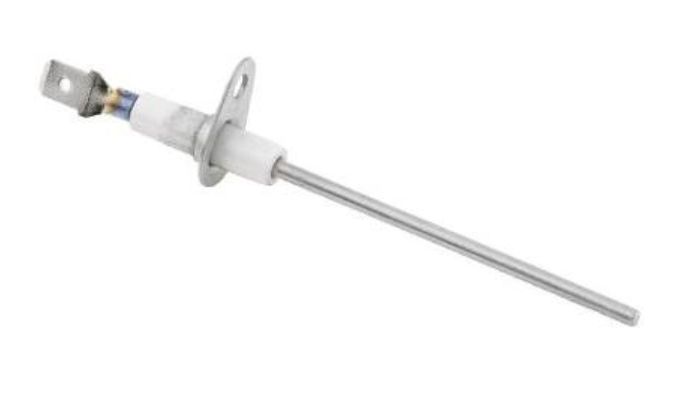
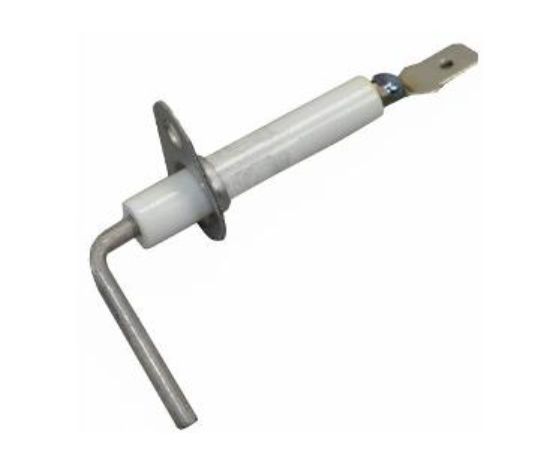
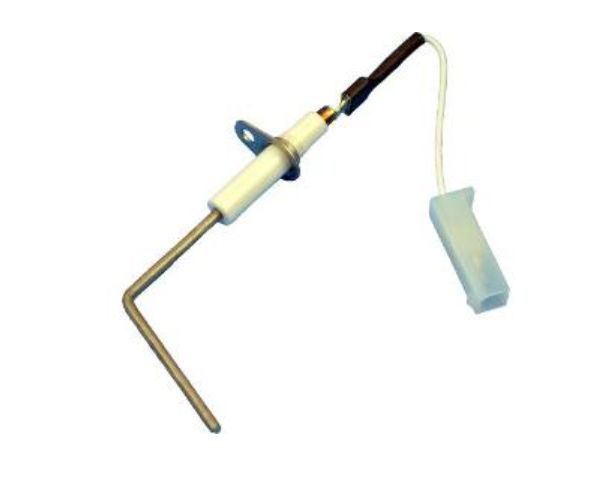
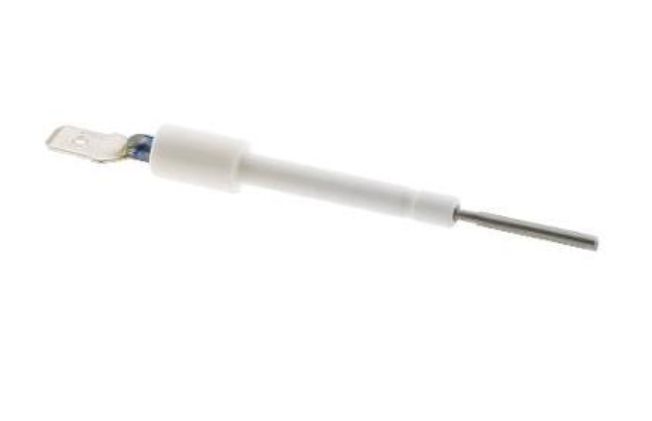
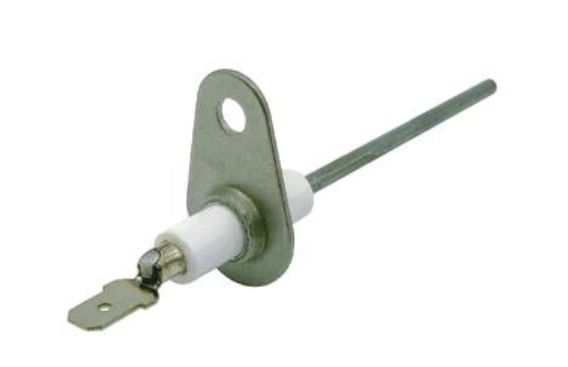
Shop furnace flame sensors for gas furnace repair and replacement. A flame sensor monitors the burner flame and tells the furnace control that combustion has been established. Public HVAC Solutions carries replacement HVAC parts for contractors, technicians, property owners, and maintenance teams working on heating equipment. Because flame sensors can vary by furnace model, rod length and shape, mounting style, connector, and application, it is important to match the replacement part to the equipment being serviced.
Flame Sensors for Furnace Repair and Replacement
A furnace flame sensor is part of the burner safety and ignition sequence. Once the burners light, the sensor detects the flame and sends a small electrical signal back to the furnace control. If the control cannot verify flame, it can shut the burners down rather than continue operating without confirmed combustion.
Flame sensors may look simple, but they are not automatically interchangeable. The sensing rod has to sit in the proper position within the burner flame, and differences in rod length, angle, mounting bracket, electrical connection, and furnace design can affect compatibility.
The furnace model number and the part number on the existing sensor are usually the best places to start when looking for a replacement. Checking those details before ordering can help narrow down the correct furnace flame sensor for the repair.
How a Furnace Flame Sensor Works
Many modern gas furnaces use flame rectification to confirm that the burners have ignited. The sensor rod sits in the burner flame and allows a very small electrical current to pass through the flame-sensing circuit. The furnace control reads that signal as proof that combustion is taking place.
The flame sensor and the furnace ignitor have different jobs. The ignitor starts the combustion process. The flame sensor checks that the flame is actually present after ignition. Depending on the furnace, these functions may be handled by separate components or incorporated into a larger ignition-control system.
If a furnace lights and then shuts the burners off shortly afterward, the flame-sensing circuit is one area a technician may check. That symptom can also have other causes, so it should not automatically be assumed that the sensor itself has failed.
What to Check Before Buying a Furnace Flame Sensor
Do not select a replacement based only on appearance. Compare the new part with the furnace specifications and the sensor already installed.
- Furnace manufacturer and model: Use the equipment information to identify replacement parts intended for that furnace.
- Original part number: Cross-reference the number on the existing flame sensor whenever it is available.
- Rod length and shape: Sensor rods can vary in length, bends, and position within the burner assembly.
- Mounting configuration: Check the bracket design, mounting-hole location, and orientation.
- Electrical connection: Confirm the terminal or lead arrangement used by the furnace.
- Application: Make sure the replacement is listed for the furnace, burner, or ignition control being repaired.
Some replacement sensors are made for a specific furnace or original part number, while others are designed to replace several OEM sensors. A part described as universal still has defined applications and installation requirements, so furnace compatibility should be confirmed before purchase.
Flame Sensors and Other Furnace Ignition Parts
A flame sensor works alongside several other furnace controls and safety components. Depending on the furnace, the heating sequence may involve a draft inducer, air pressure switch, ignitor, gas valve, furnace control board, and limit controls.
Knowing which part is causing the problem matters before ordering a replacement. A furnace that never ignites presents a different troubleshooting situation than one that establishes a flame and then shuts down. The ignitor is responsible for ignition, while the flame sensor verifies that ignition was successful.
If the repair involves more than the flame sensor, you can also browse HVAC controls, furnace ignitors, ignition systems, air pressure switches, and other replacement HVAC parts from Public HVAC Solutions.
Furnace Flame Sensors Shipped Nationwide
Public HVAC Solutions ships HVAC equipment and replacement parts across the United States and Canada. Inventory can change as individual parts and replacement models become available, so review each product listing for current specifications, compatibility information, pricing, and availability.
Contractors, HVAC technicians, maintenance teams, and property owners can compare available furnace flame sensors online. If you are unsure which part matches an existing furnace, having the furnace model number and original flame sensor information available can make identifying the replacement easier.
Furnace Flame Sensor FAQs
What are the signs of a dirty or failing furnace flame sensor?
A common symptom of a flame-sensing problem is a furnace that lights normally but shuts the burners off soon after ignition. Depending on the furnace control, the system may try to ignite again or eventually enter a lockout condition.
That does not necessarily mean the flame sensor needs to be replaced. A dirty sensor rod, poor grounding, damaged wiring, burner problems, or an issue with the furnace control can also affect the flame signal. Diagnostic codes and flame-signal testing can help a qualified HVAC technician determine what is actually causing the shutdown.
Can you clean a furnace flame sensor instead of replacing it?
Sometimes. Contamination or oxidation on the sensing rod can interfere with the flame signal, and cleaning the rod may restore normal operation when the sensor is otherwise in good condition.
The sensor should also be checked for physical damage, poor mounting, wiring problems, and correct positioning in the burner flame. Service procedures vary by furnace, so manufacturer instructions should be followed. If the sensor is damaged or still cannot produce the proper flame signal after service, replacement may be necessary.
Are furnace flame sensors universal?
No. Furnace flame sensors can differ in rod length, rod angle, mounting configuration, electrical connection, and the equipment they are intended to fit.
Some replacement flame sensors are marketed as universal because they can replace several OEM part numbers, but they are still designed for specific applications. Before ordering, compare the replacement specifications with the furnace model, original sensor number, mounting arrangement, and manufacturer compatibility information. A sensor that looks similar to the old part is not necessarily the correct replacement.