WE SHIP NATIONWIDE ACROSS THE UNITED STATES AND CANADA.
Whole-House Humidifiers
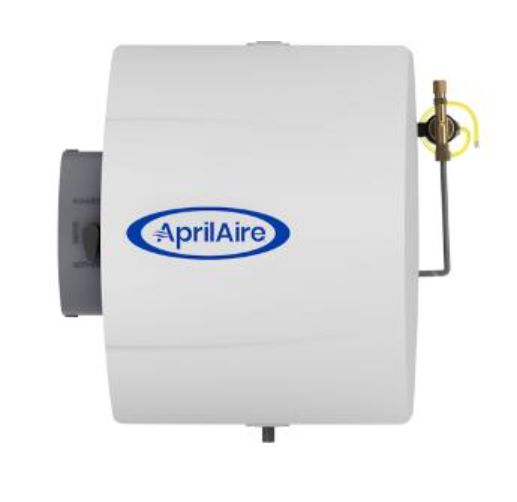
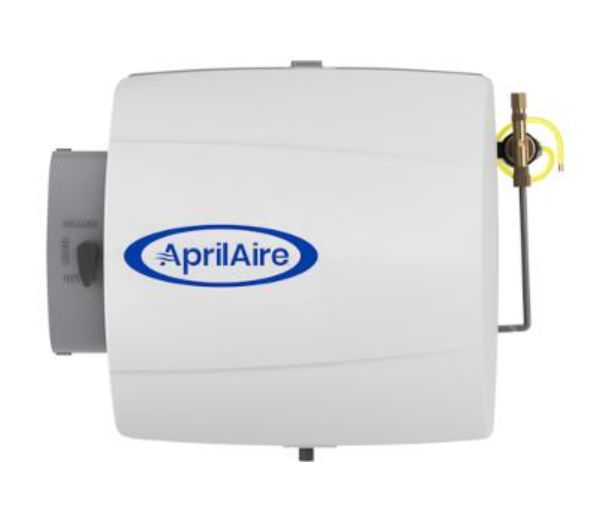
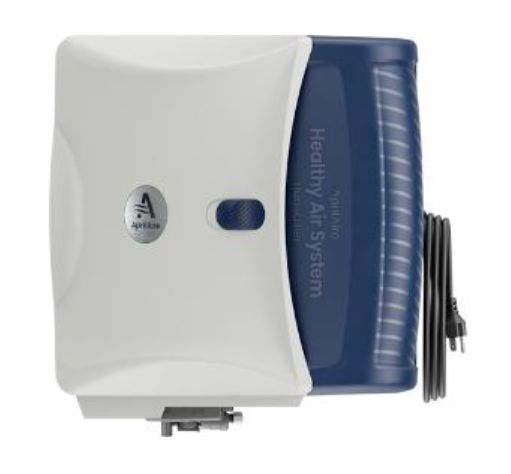
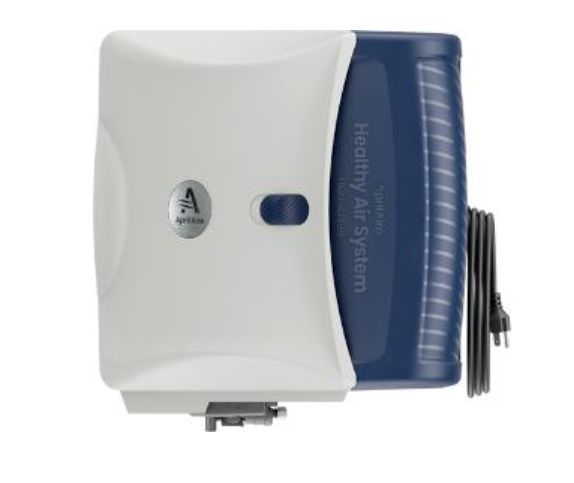
Whole-house humidifiers add moisture to the air through a home's central HVAC system instead of treating one room at a time. Public HVAC Solutions carries humidifiers for replacement projects, HVAC upgrades, and new installations. Models differ in output capacity, controls, installation requirements, and how they connect to the heating system. These units are commonly paired with forced-air heating equipment to help control dry indoor air during the heating season. Check the product specifications carefully before ordering to make sure the humidifier fits the home's HVAC setup and installation requirements.
Whole-Home Humidity Control Through the HVAC System
A whole-home humidifier works with a central heating system to add moisture to the conditioned air moving through the ductwork. Unlike a portable humidifier that serves one room or a small area, a central humidifier distributes moisture throughout the areas served by the HVAC system.
There are different ways to accomplish that. Depending on the model, a humidifier may use airflow from the heating system or its own operating components to introduce moisture. Water supply, drainage, electrical connections, duct location, and control setup also differ from one unit to another.
House size is only part of choosing a humidifier. HVAC configuration, available duct space, heating-system operation, climate, building construction, and the manufacturer's sizing requirements can all affect the amount of humidification needed. Humidity should also be controlled carefully. If condensation begins forming on windows or other cold surfaces, the setting may be too high for current conditions.
Furnace and Central HVAC Humidifiers
Whole-house units are also commonly called furnace humidifiers, central humidifiers, or HVAC humidifiers. They are installed as part of a ducted heating system so moisture can be carried through the home with the HVAC airflow.
The installation depends on the humidifier design. Some models rely heavily on furnace airflow, while others operate differently and may have additional electrical or control requirements. Water connections, drainage, duct placement, wiring, and service clearances also need to be considered.
For replacement projects, matching only the cabinet size of the old humidifier is not enough. The new unit still needs to work with the furnace or air handler, duct arrangement, available controls, water supply, and drain setup. Buyers replacing other heating-system components can also browse HVAC parts and supplies for related equipment.
What to Check Before Buying a Whole-House Humidifier
Start with the specifications for the humidifier and the existing HVAC system. A unit that works well in one installation may not be suitable for another.
- Humidification capacity: Check the manufacturer's rated output and sizing recommendations for the application.
- Installation location: Review where the unit is intended to mount and how it connects to the supply or return ductwork.
- Available space: Measure the duct and mechanical area, including room needed for service and maintenance.
- Water and drainage: Check the plumbing and drain connections required by the specific model.
- Electrical and controls: Review voltage, wiring, humidistat, thermostat, and control requirements.
- HVAC system compatibility: Make sure the humidifier is suited to the furnace, air handler, blower operation, and duct system.
Installation may also require compatible HVAC supplies for wiring, ductwork, drainage, or mounting. When replacing an unfamiliar model or adding humidification to an existing system, an HVAC professional can help verify sizing and installation compatibility before equipment is ordered.
Choosing a Whole-House Humidifier for Your HVAC System
The highest-output humidifier is not automatically the best choice. The unit needs to match the way the home's heating system operates and the amount of moisture the building actually needs.
A central humidifier can be a practical choice for a home with ducted heating that regularly experiences dry indoor air during colder weather. A portable unit may make more sense when humidity is needed only in a single room or when installing a central unit is not practical.
Humidity settings may also need to change as outdoor temperatures change. During very cold weather, a setting that worked earlier in the season may begin causing condensation on windows or other surfaces. The humidifier should be adjusted when those signs appear rather than left at one setting all winter.
Review the individual product listing before purchasing and compare its requirements with the HVAC system already in the home. For related airflow and indoor-air equipment, browse HVAC fans and ventilation.
Whole-House Humidifiers Shipped Nationwide
Public HVAC Solutions ships HVAC products throughout the United States and Canada. Inventory changes, so individual product listings should be used to review current specifications and purchasing information.
Shipping requirements vary by product and destination. Before ordering, review the Public HVAC Solutions shipping information for details about delivery and receiving equipment. Installation should not be scheduled until the equipment has arrived and been inspected.
Whole-House Humidifier FAQs
What humidity level should I use with a whole-house humidifier?
There is no single setting that works for every home throughout the entire heating season. Indoor humidity is often kept in the 30% to 50% range, but colder outdoor temperatures may require a lower setting. Pay attention to what is happening inside the house. Condensation on windows or other cold surfaces is a common sign that the humidity level is too high for current conditions. Adjust the humidifier as needed instead of relying on one setting all winter.
How often does a whole-house humidifier need maintenance?
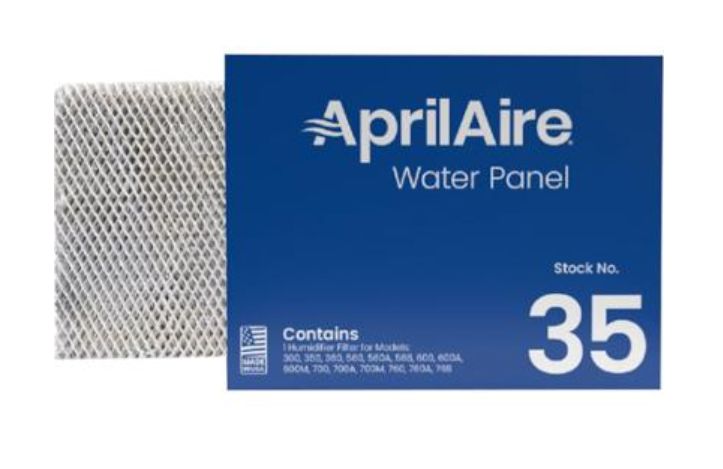
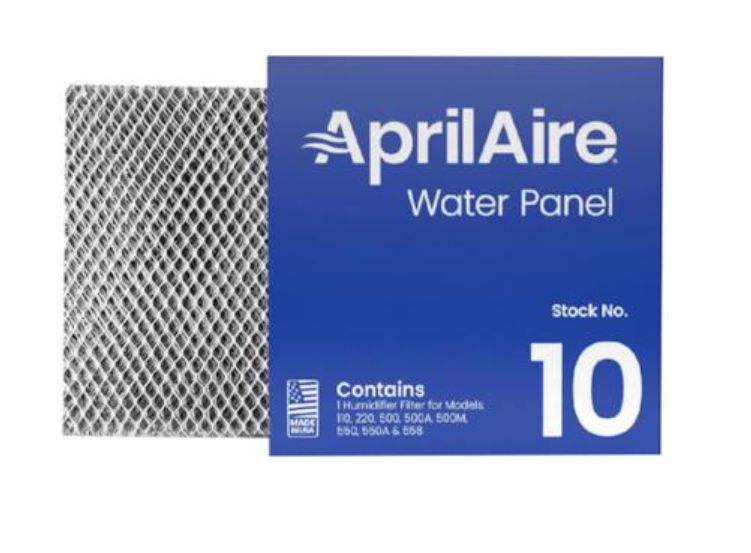
Maintenance varies by humidifier design and manufacturer. Parts exposed to water can collect mineral deposits, and some models use replaceable media or other components that need periodic attention. Inspecting the humidifier before the heating season is a good opportunity to check the water supply, drain, controls, and condition of serviceable parts. Follow the maintenance schedule and replacement instructions provided for the specific model rather than applying the same schedule to every whole-house humidifier.
Can I replace an old furnace humidifier with any similar-sized model?
No. Similar dimensions do not necessarily mean two humidifiers are interchangeable. Airflow requirements, water connections, drainage, electrical needs, controls, mounting position, and moisture output can all differ. The existing furnace or air handler setup also affects what can be installed. When possible, start with the model information from the old unit and compare it with the replacement manufacturer's specifications. An HVAC technician can verify compatibility when the existing setup is unclear or the replacement requires changes to ductwork, wiring, plumbing, or controls.