WE SHIP NATIONWIDE ACROSS THE UNITED STATES AND CANADA.
HVAC Relays
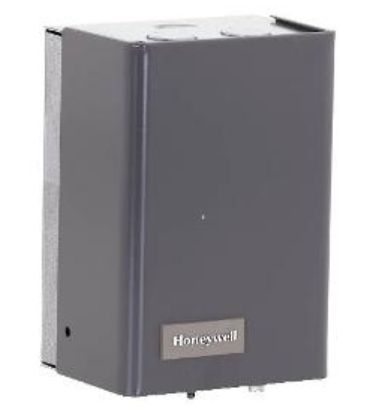
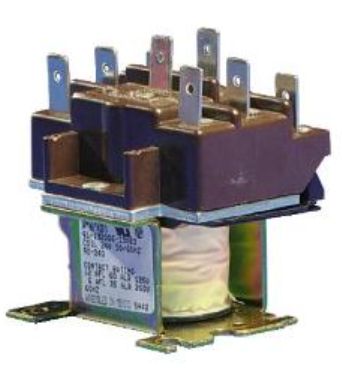
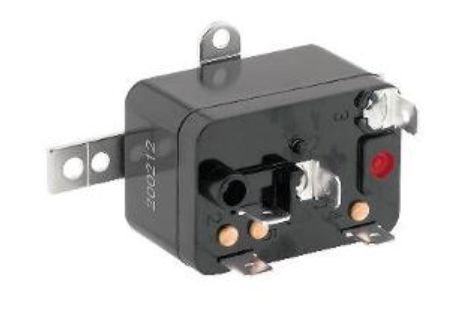
Shop HVAC relays for repair and replacement work in heating and cooling equipment. Relays are used throughout HVAC systems to switch electrical circuits when they receive a signal from a thermostat, control board, sensor, or other control. Public HVAC Solutions carries relays for fan control, heating, air conditioning, refrigeration, and auxiliary circuits. Because relays vary by control voltage, contact arrangement, electrical rating, mounting style, and application, it is important to match the replacement to the equipment being serviced.
HVAC Control Relays for Heating and Cooling Equipment
HVAC control relays act as electrical switches inside a system. A control signal energizes the relay coil, which changes the position of one or more contacts and allows another circuit or component to turn on or off.
The job of the relay depends on the equipment. It may control a blower or fan, heating stage, cooling circuit, refrigeration component, or another electrical load. Because these applications are different, there is no single relay that works across every HVAC system.
Relays can have different coil voltages, contact arrangements, and load ratings. Some are used with low-voltage control circuits, while others switch line-voltage loads. When replacing one, start with the original relay specifications, the equipment model, and the wiring diagram rather than relying on physical appearance alone.
Switching Relays, Fan Relays, and Equipment Controls
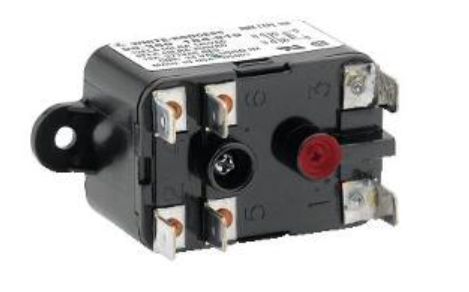
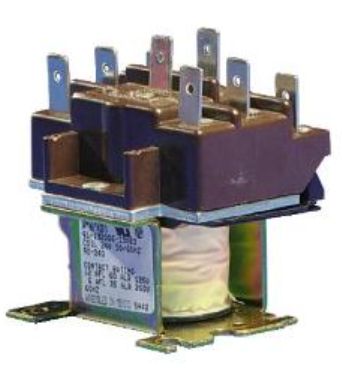
Different relay styles are used in residential and commercial HVAC equipment. General-purpose switching relays are commonly used when one control circuit needs to switch another electrical circuit. Fan relays may control a blower motor, fan motor, or auxiliary circuit depending on the equipment design.
Some relays are built for more specific applications. Electric heat relays, for example, may be used to switch heating elements, fans, or related circuits and can have different electrical requirements than a standard control relay.
Contact arrangements also vary. HVAC relays may use single-pole or multiple-pole designs with normally open, normally closed, or changeover contacts. Common terms include SPST, SPDT, and DPDT.
These differences matter during replacement. Two relays can look almost identical while having different electrical ratings or contact arrangements.
What to Check Before Buying HVAC Relays
A replacement relay needs to match both the control circuit and the load it will switch. Before ordering, compare the existing component with the equipment documentation and check the following:
- Coil or control voltage: Confirm the voltage used to energize the relay.
- Contact configuration: Match the number of poles and throws along with normally open or normally closed contacts.
- Load rating: Make sure the contacts are rated for the voltage, current, motor, resistive load, or other circuit being switched.
- Application: Determine whether the relay is being used for general control, fan operation, electric heat, refrigeration, or another specific purpose.
- Mounting and terminals: Compare mounting style, terminal layout, connector type, and available space.
- Equipment requirements: Review the original model number and wiring diagram before substituting a different relay.
Matching the coil voltage alone is not enough. The contact configuration and load rating also have to suit the circuit. If the specifications are unclear, have the replacement confirmed by a qualified HVAC professional.
Finding the Right Relay for an HVAC Repair
A relay problem does not always mean the relay itself is the only issue. A thermostat, control board, wiring problem, failed motor, or another component in the HVAC control system can affect whether the relay energizes or whether the connected equipment operates correctly.
The best replacement depends on what the relay controls. A fan-control application may have different load requirements than a relay used for an electric heating element or auxiliary circuit. That is why the equipment model, wiring information, and original relay specifications are more useful than simply matching shape or terminal position.
It is also worth distinguishing relays from nearby control components. Contactors are commonly used for larger electrical loads, while control boards, sequencers, fan controls, and other switching devices perform different jobs within the system.
HVAC Relays Shipped Nationwide
Public HVAC Solutions supplies HVAC parts and equipment to contractors, technicians, property owners, facility teams, and other buyers throughout the United States and Canada. Relay inventory can change as individual models and replacement controls become available.
Check each product listing for model numbers, electrical specifications, contact configuration, and other details before ordering. Taking a few minutes to compare the replacement with the original equipment requirements can help prevent ordering a relay that looks correct but does not match the circuit.
HVAC Relays FAQs
How can I tell if an HVAC relay has failed?
A failed or failing relay can cause equipment to stop responding, operate intermittently, or stay on when it should shut off. In some cases, the relay may show visible heat damage or worn contacts.
Those symptoms can also come from other electrical problems, including a thermostat, control board, wiring issue, motor problem, or limit control. Testing the circuit against the equipment wiring diagram is the best way to narrow down the cause. Because HVAC systems can contain both low and line voltage, electrical diagnosis should be handled by someone qualified to work on the equipment safely.
Can I replace an HVAC relay with one that has the same voltage?
Not necessarily. The coil voltage has to match, but so do the contact arrangement and electrical ratings. Two relays can both use a 24-volt control signal and still have different numbers of contacts or different ratings for motors, resistive loads, and other equipment.
Mounting style and terminal layout can also differ. Compare the full specifications of the original relay instead of using voltage as the only replacement criterion.
What is the difference between an HVAC relay and a contactor?
Both devices use an electrical signal to switch a circuit, but they are often used for different types of loads. Relays are common in control and auxiliary circuits, while contactors are frequently used for heavier electrical loads such as compressors, motors, or electric heating equipment.
The important point during replacement is not the name alone. Coil voltage, contact configuration, load rating, wiring arrangement, and the equipment manufacturer's requirements all need to match the application.