WE SHIP NATIONWIDE ACROSS THE UNITED STATES AND CANADA.
Water Heaters
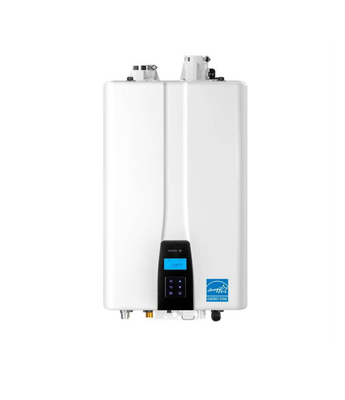
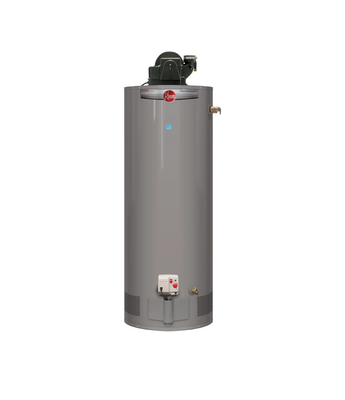
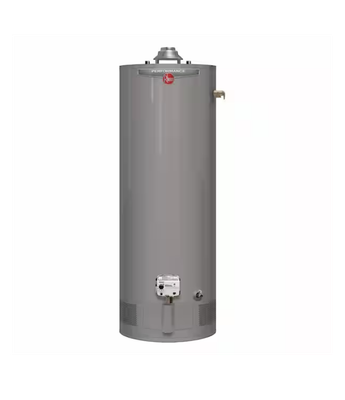
Shop water heaters for replacement projects, renovations, and new installations at Public HVAC Solutions. Options include gas and electric tank water heaters in a range of capacities and configurations, including standard and power vent models. Depending on the unit, key differences may include tank size, fuel type, venting, electrical requirements, dimensions, efficiency, and hot water output. Contractors, property owners, and other buyers can compare available equipment based on the needs of the job.
Water Heating Equipment for Replacement and New Projects
Water heaters can look similar at first glance, but there are several important differences between models. Tank capacity is one of the most noticeable, although fuel source, venting, recovery performance, available utilities, and installation space can be just as important.
Gas and electric models also operate differently. Electric tank water heaters use heating elements inside the tank and require the proper electrical service. Gas models use a burner and require an appropriate gas connection and venting setup. Power vent models use a blower to move combustion gases outside, which changes the venting requirements compared with a conventional gas water heater.
For replacement projects, start with the existing equipment, then verify that the new model fits the actual installation and hot water needs of the property.
Gas and Electric Tank Water Heaters
Tank water heaters heat and store water so it is ready when a fixture or appliance calls for hot water. Public HVAC Solutions carries tank-style models from manufacturers such as GE and Rheem, with available brands and configurations changing over time.
Electric water heaters use one or more heating elements to heat the water in the tank. Gas water heaters use a burner, while power vent gas models add a blower that moves exhaust through the vent system.
Tank size is commonly listed in gallons, but capacity alone does not tell the whole story. First-hour rating can also be useful when comparing storage water heaters because it reflects how much hot water the unit can supply during a period of heavier demand.
Two models with the same tank size may still have different utility, venting, dimensional, and installation requirements.
What to Check Before Buying a Water Heater
Before ordering a water heater, make sure the unit fits both the property's hot water needs and the existing installation.
- Fuel or power source: Check whether the installation is set up for natural gas, propane, or electric equipment.
- Tank capacity: Choose a size that makes sense for expected hot water use.
- First-hour rating: This can help show how much hot water a storage model can deliver during heavier use.
- Venting configuration: Gas models may require atmospheric, power vent, direct vent, or another model-specific setup.
- Electrical requirements: Electric units and power vent gas models need the correct electrical connection.
- Physical dimensions: Check height, diameter, connection locations, and available space.
- Efficiency rating: Uniform Energy Factor, or UEF, can be used to compare efficiency among similar types of water heaters.
A qualified professional should verify sizing, utilities, venting, clearances, and installation requirements before the unit is installed.
Choosing a Water Heater for Your Application
For many replacement jobs, the existing water heater gives you a good place to start. Fuel type, tank size, and available space can quickly narrow the options, but changes to the building or the way hot water is used may affect the final choice.
Electric tank water heaters may make sense where the proper electrical service is already available. Gas models require a suitable gas supply and venting system. Power vent units offer another venting configuration, but they also have their own electrical and installation requirements.
Some projects involve a different type of water heating system altogether. Boilers, indirect tanks, and other hydronic equipment serve different applications and should be evaluated separately from a standard standalone tank water heater.
Buyers looking specifically for cosmetically blemished or closeout equipment can also browse scratch and dent water heaters.
Review the individual product specifications carefully, or contact Public HVAC Solutions if you need help comparing available models.
Water Heaters Shipped Nationwide
Public HVAC Solutions ships water heaters and other HVAC equipment throughout the United States and Canada. Shipping method depends on the equipment, order, and destination.
Larger water heaters may ship by LTL freight. Because inventory changes, check the individual product page for current specifications and availability before ordering.
When freight arrives, inspect the shipment before completing delivery and follow Public HVAC Solutions' current shipping instructions if you find visible damage or missing items.
Water Heaters FAQs
How do I know when it is time to replace a water heater?
A leaking tank is one of the clearest signs that replacement may be needed, but other problems can also point to an aging unit. These can include inconsistent water temperature, reduced hot water supply, visible corrosion, or repairs that are becoming more frequent.
Age can be useful when planning ahead, but there is no single replacement point that applies to every water heater. Condition, maintenance history, water quality, usage, and the type of equipment all play a role.
What does UEF mean on a water heater?
UEF stands for Uniform Energy Factor. It is an efficiency rating used for water heaters. In general, a higher UEF indicates that a unit uses energy more efficiently when compared with similar equipment.
UEF is useful, but it should not be the only specification considered. Tank capacity, first-hour rating, fuel source, hot water demand, and installation requirements also affect which model makes sense for a particular property.
Does a power vent gas water heater need electricity?
Yes. A power vent gas water heater uses an electrically powered blower to move combustion gases through the vent system, so it needs both a gas supply and an electrical connection.
That is an important difference from some conventional gas water heaters. If a property is being converted from a standard atmospheric model to a power vent model, the electrical supply, vent route, vent material, termination location, and manufacturer requirements all need to be reviewed.