




WE SHIP NATIONWIDE ACROSS THE UNITED STATES AND CANADA.
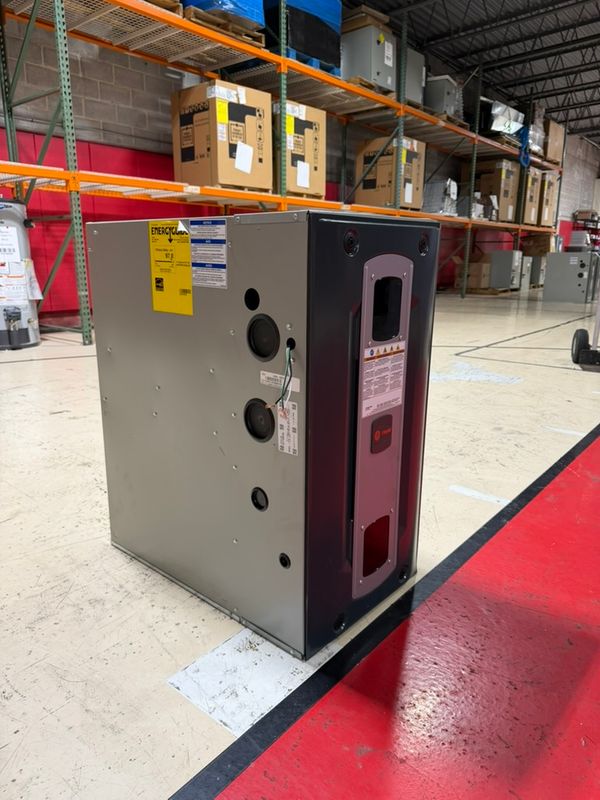
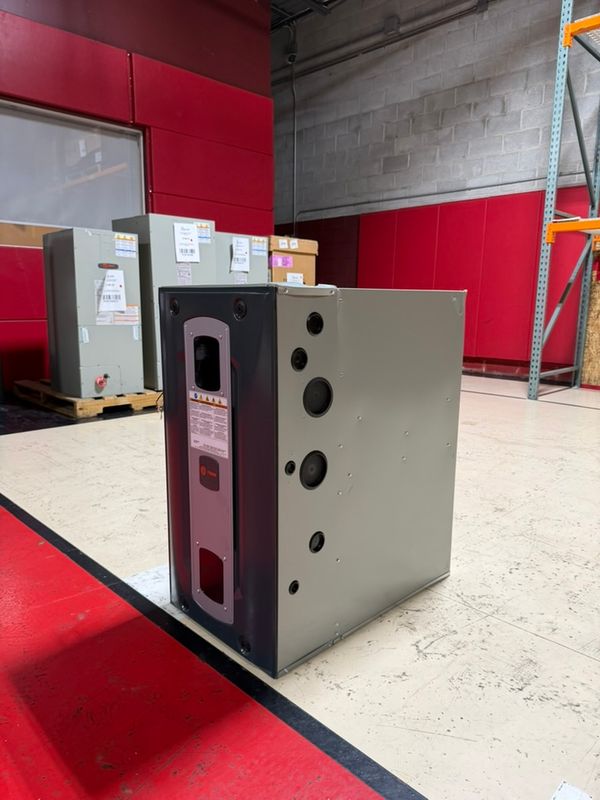
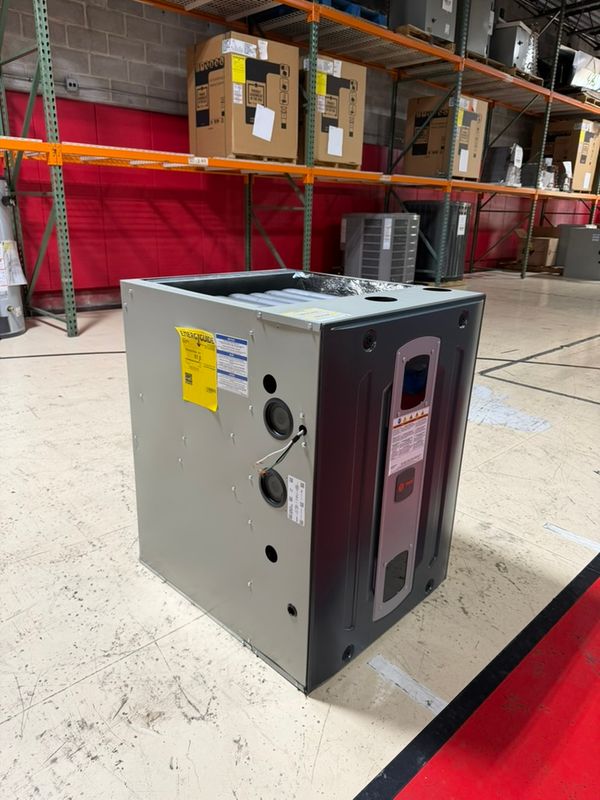
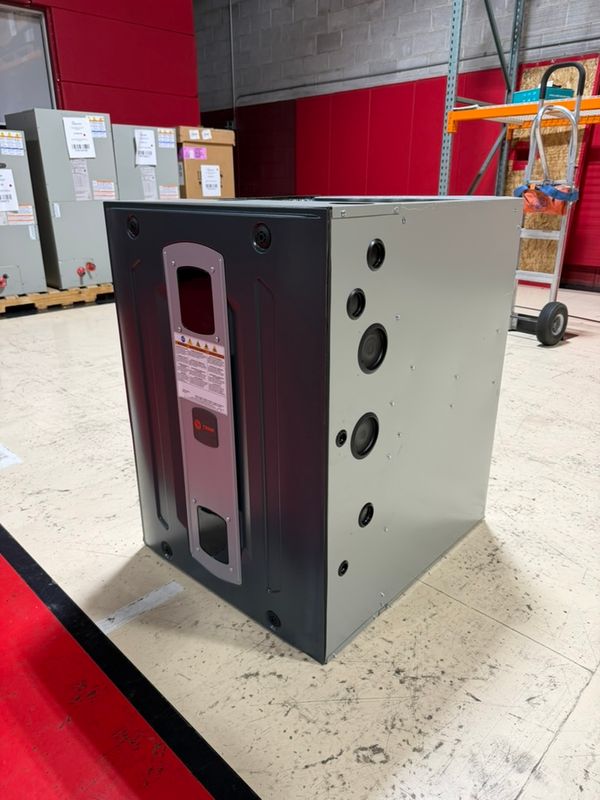
Scratch & Dent Residential Gas Furnaces
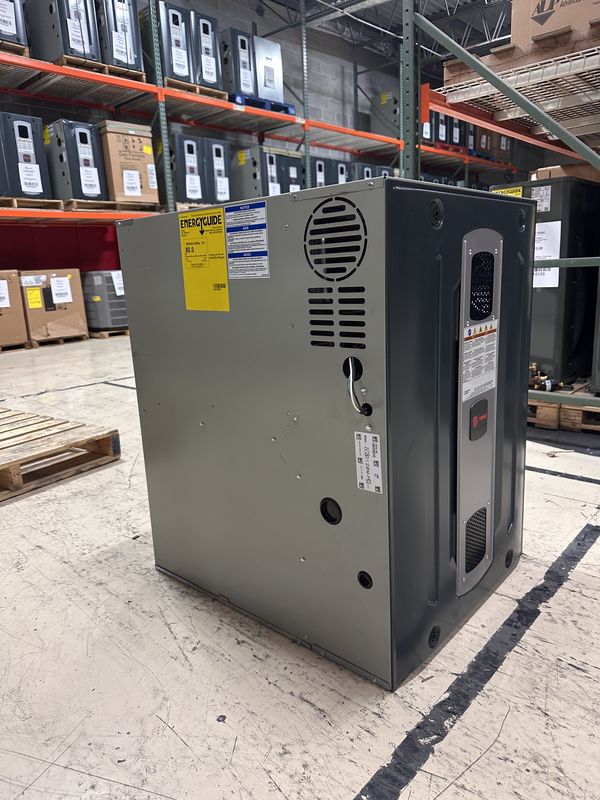
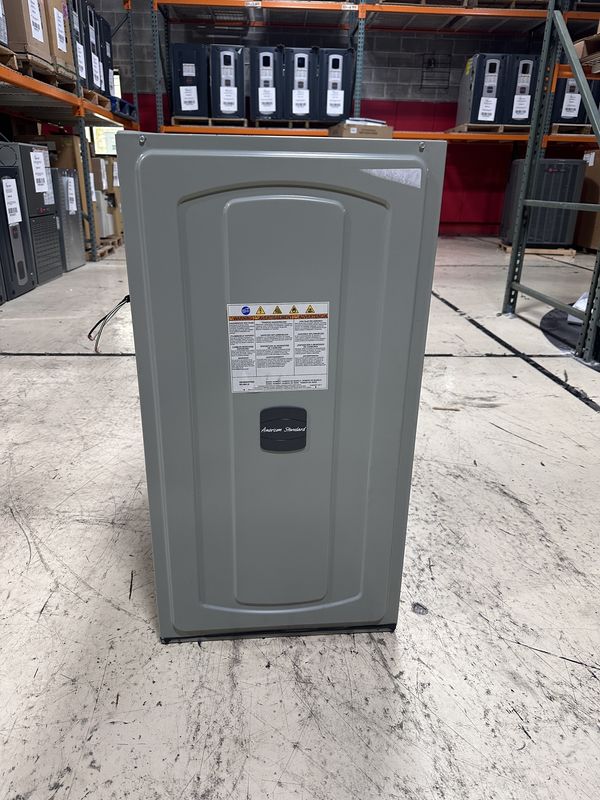
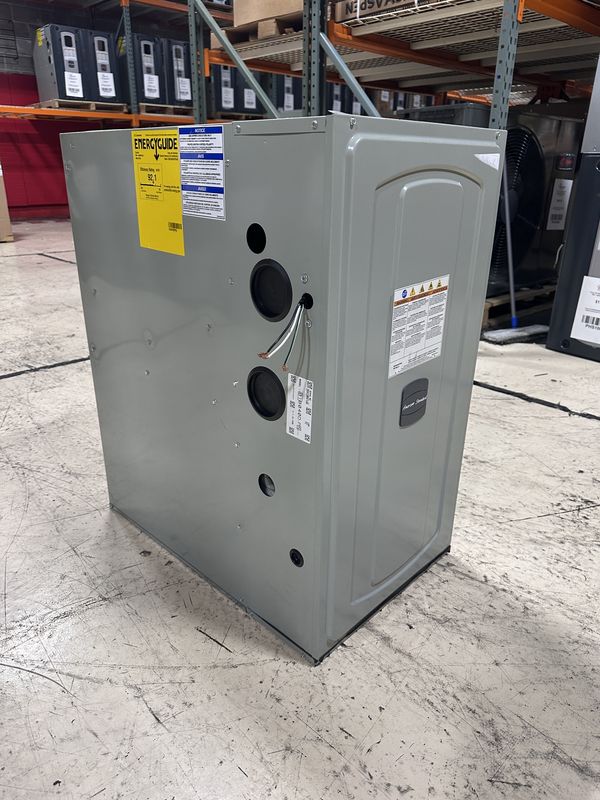
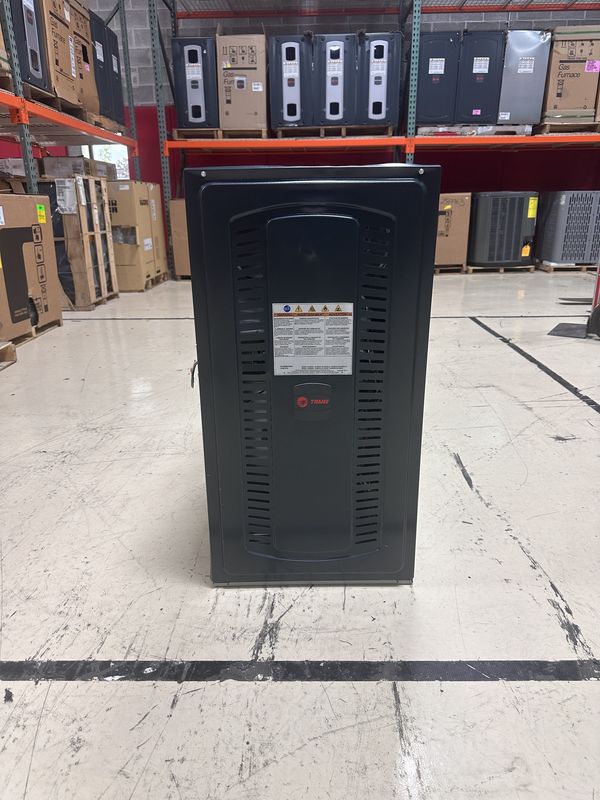
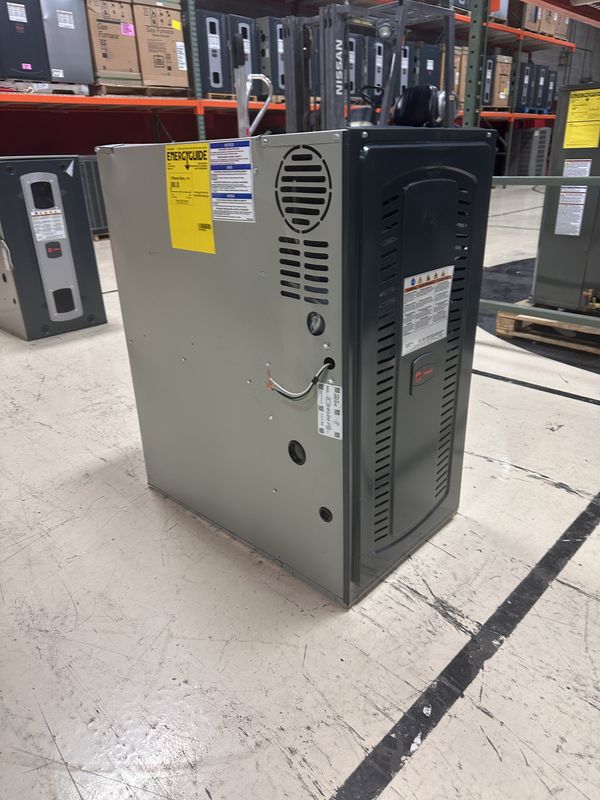
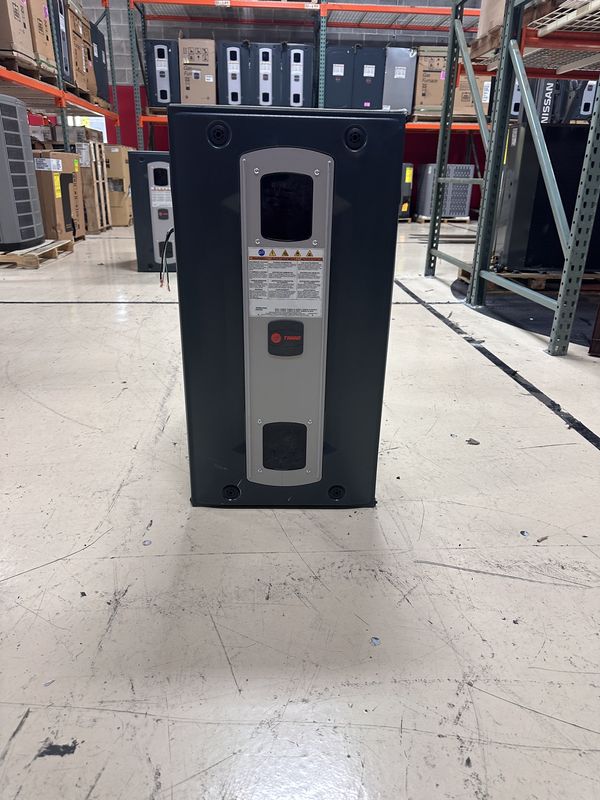
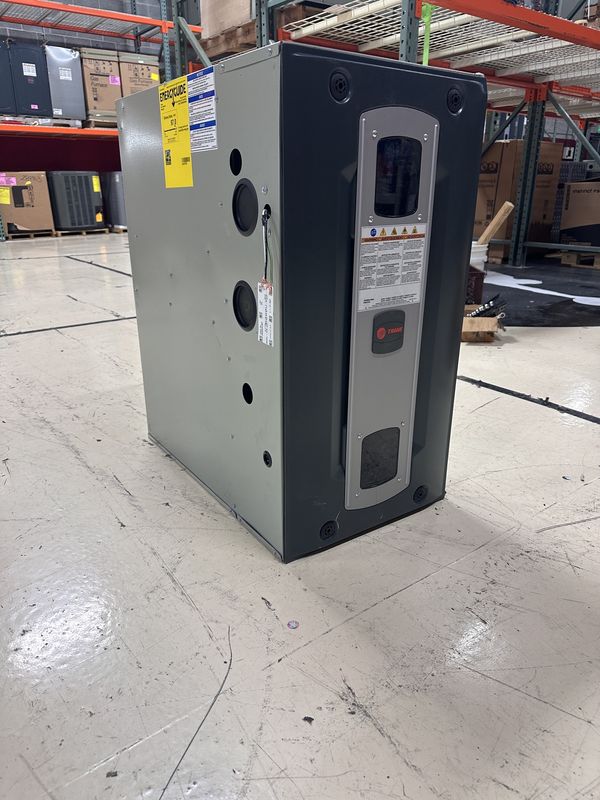
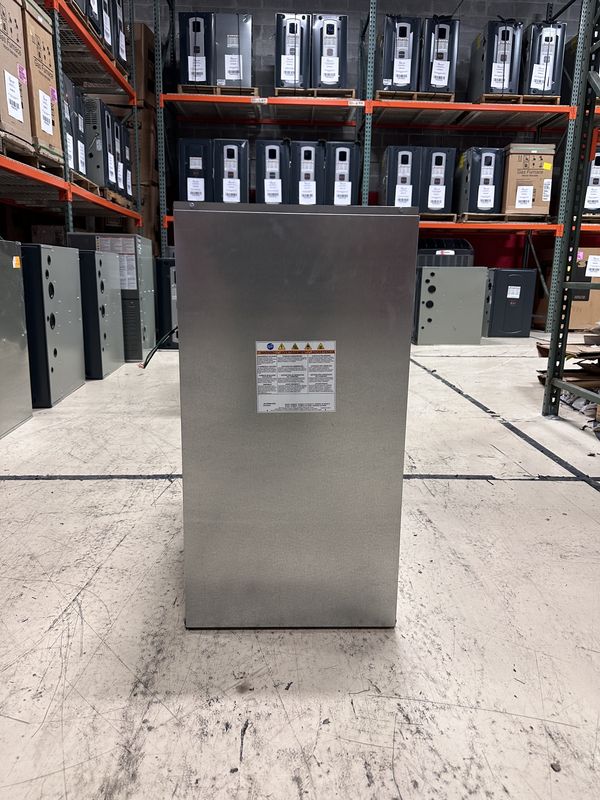
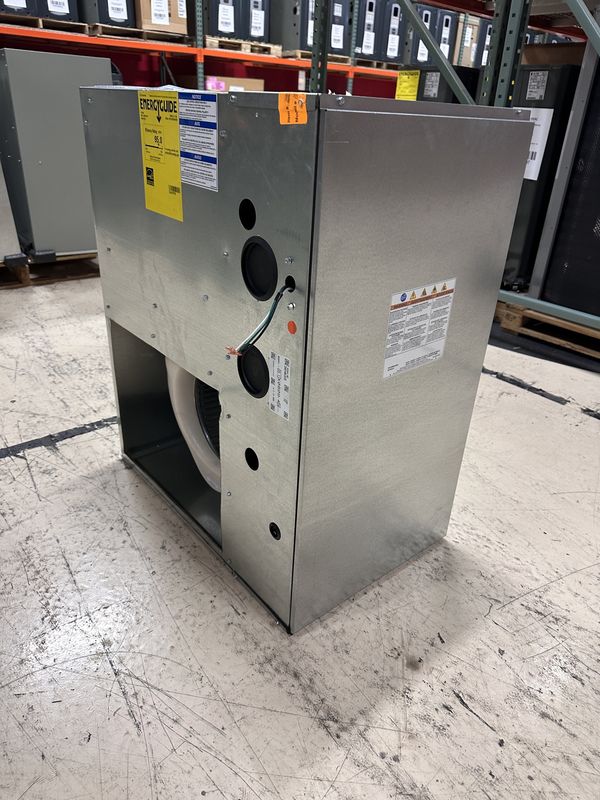
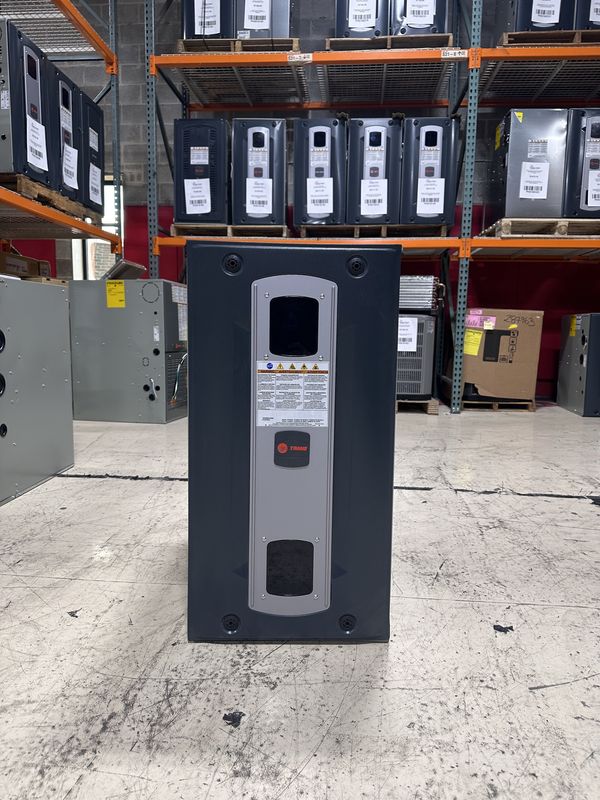
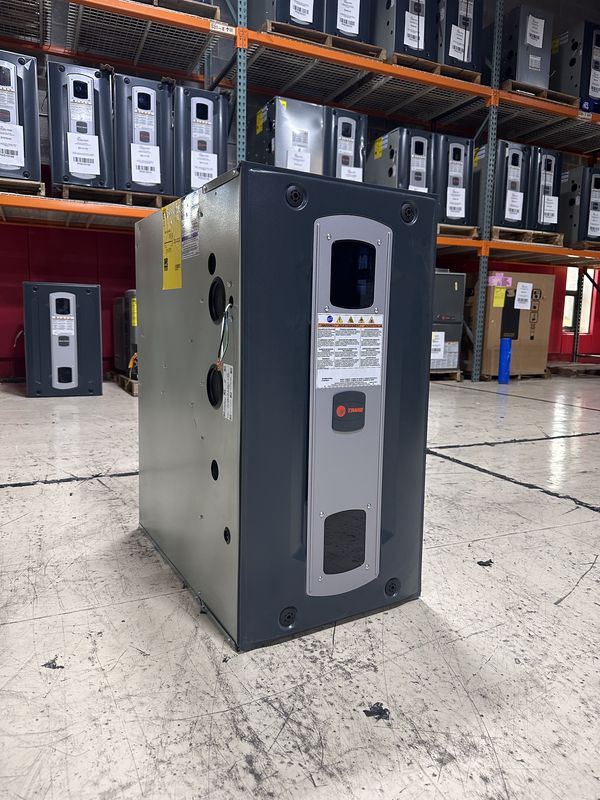
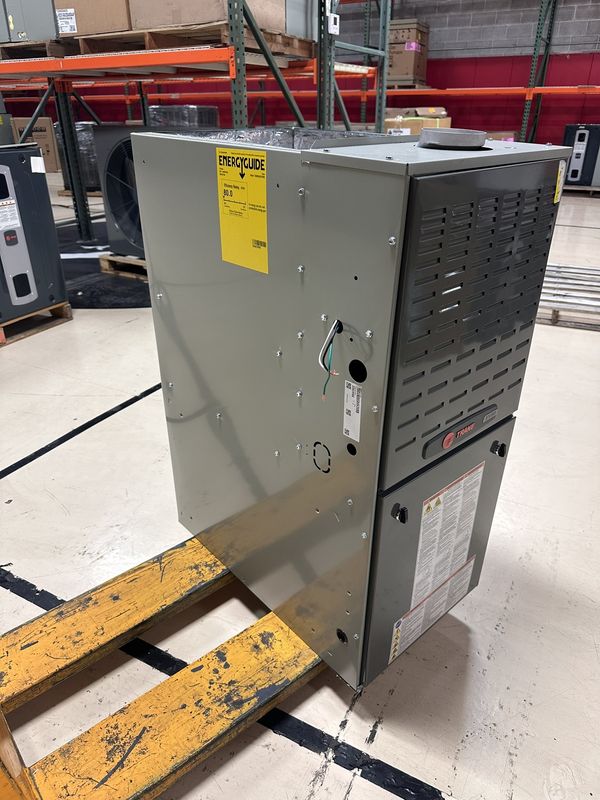
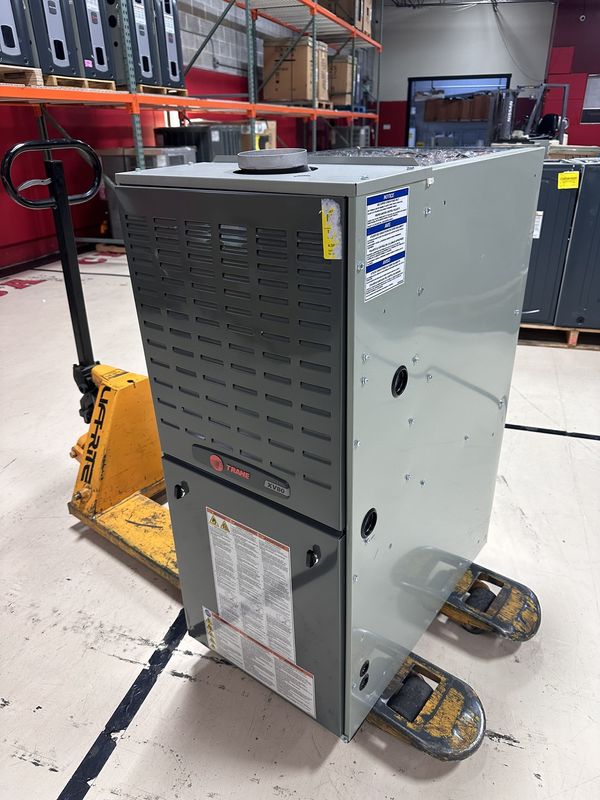
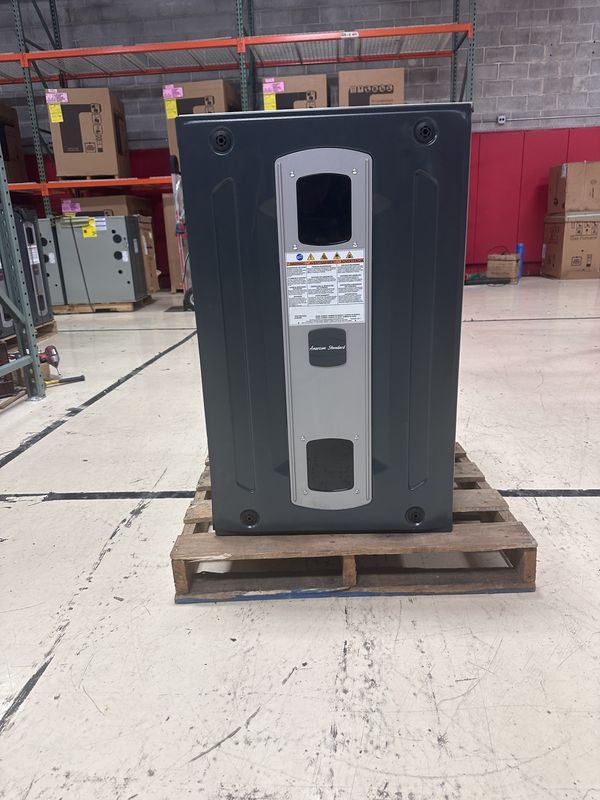
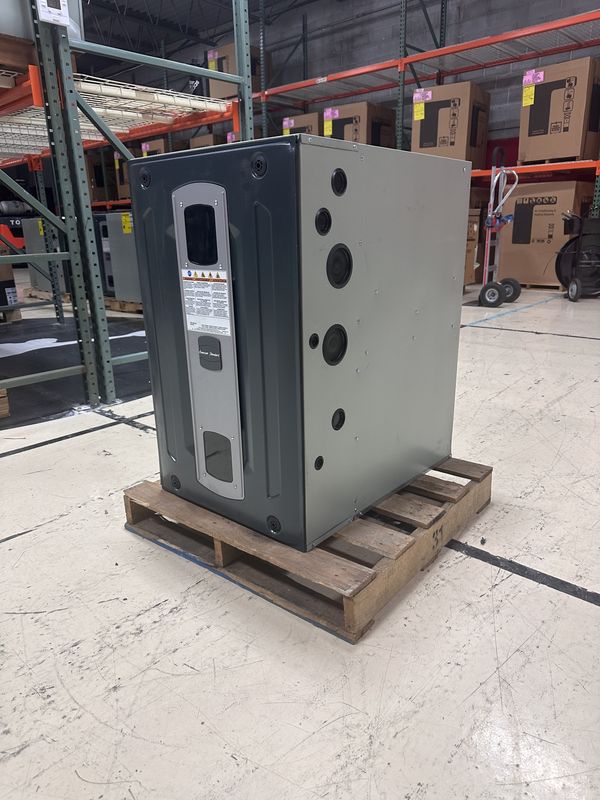
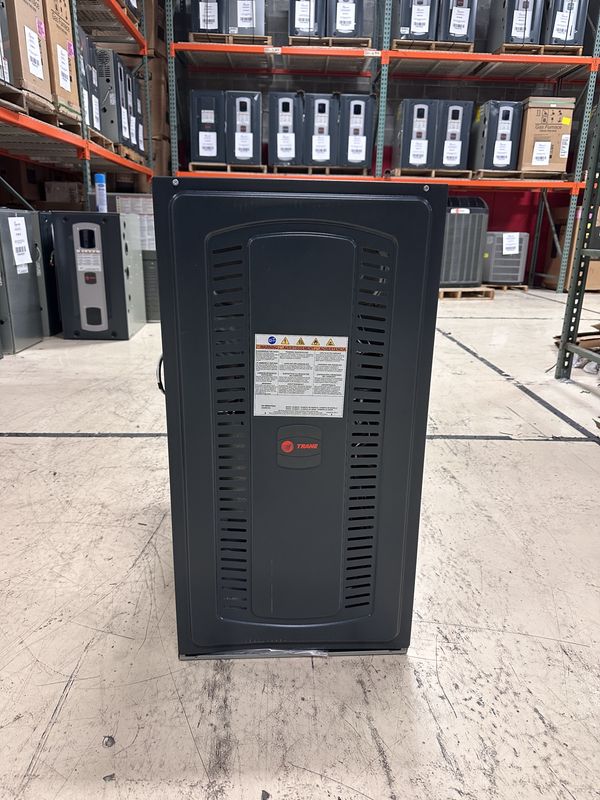
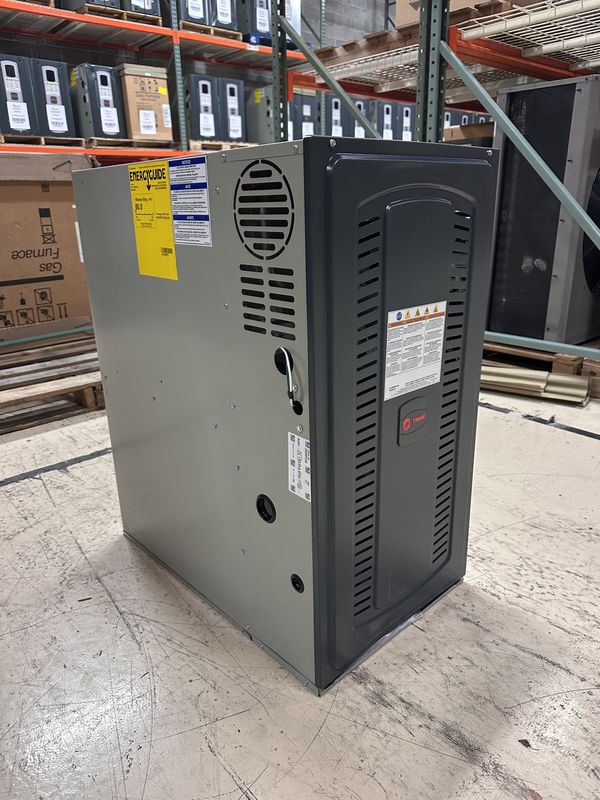
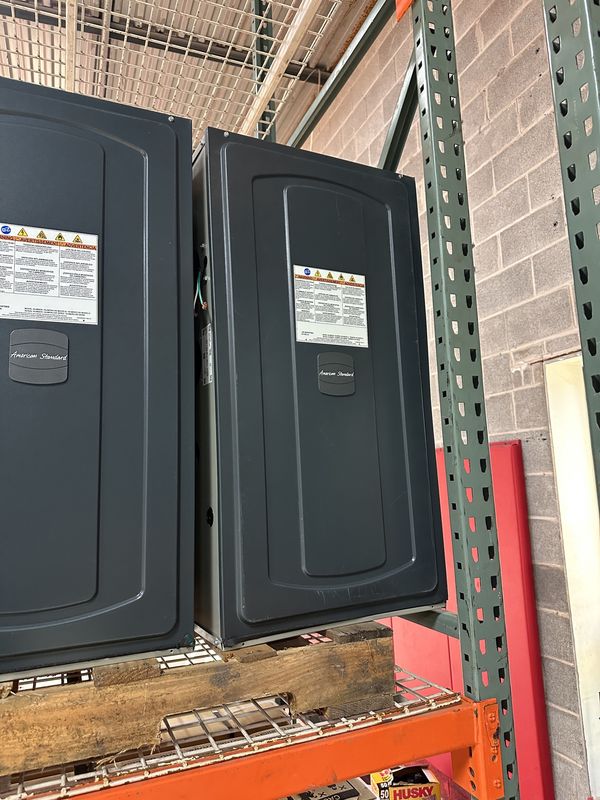
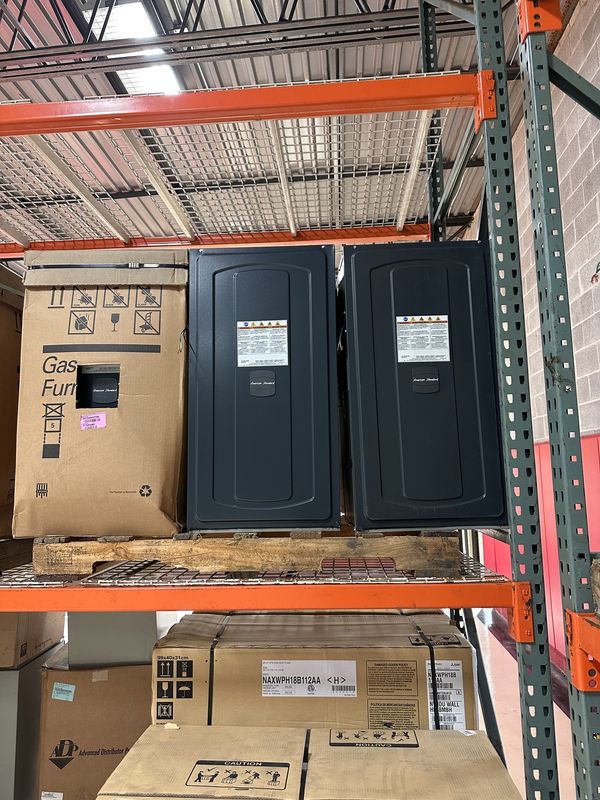
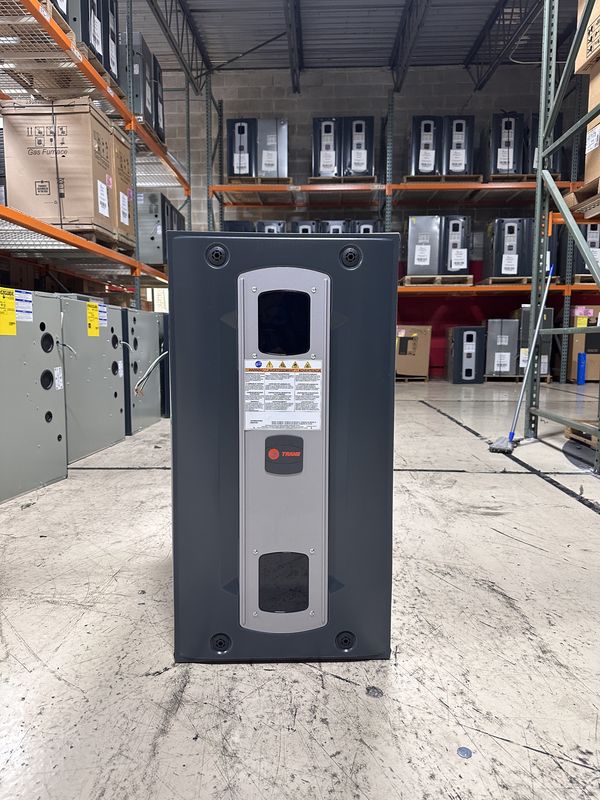
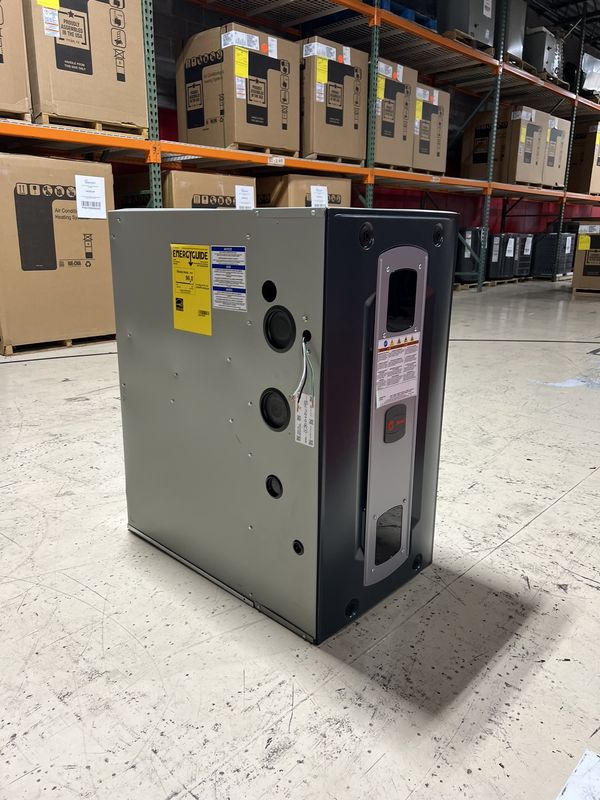
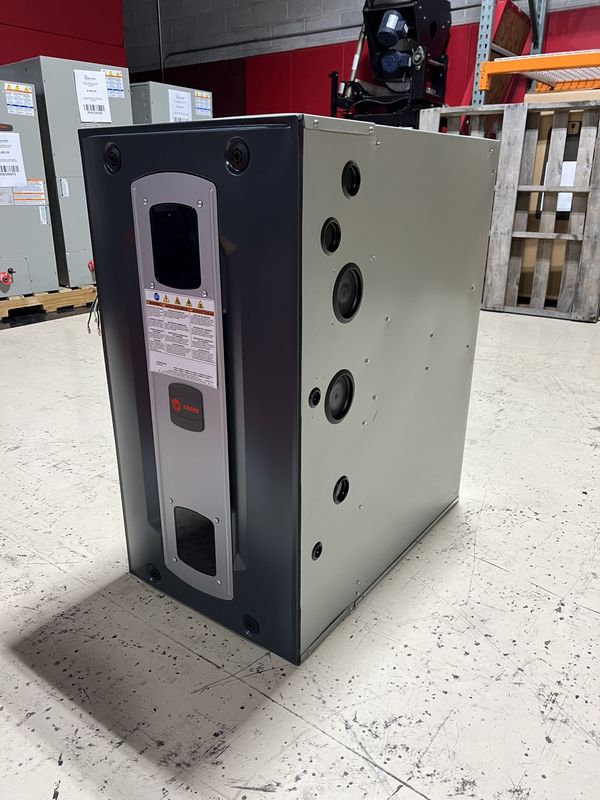
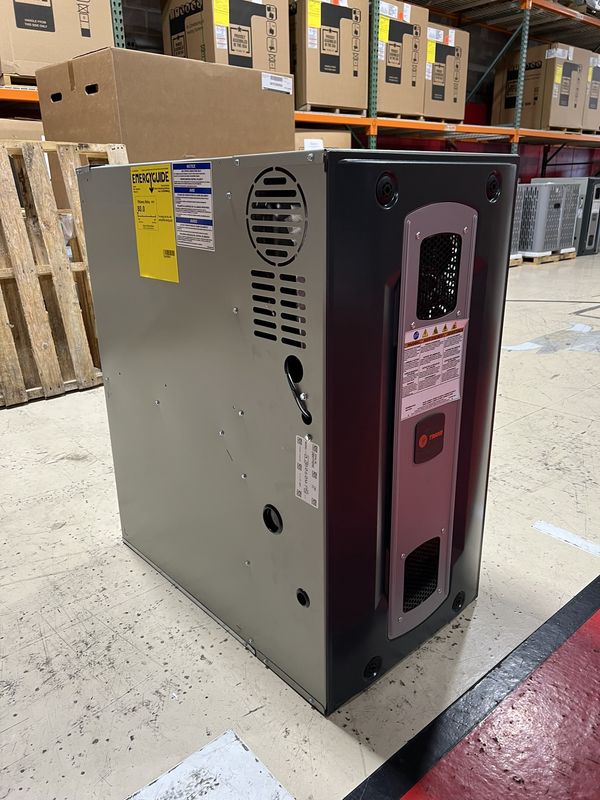
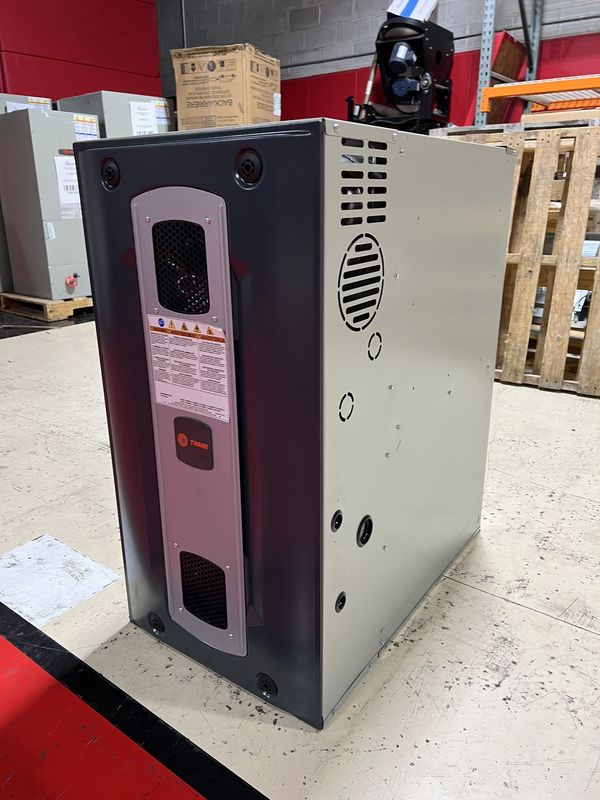
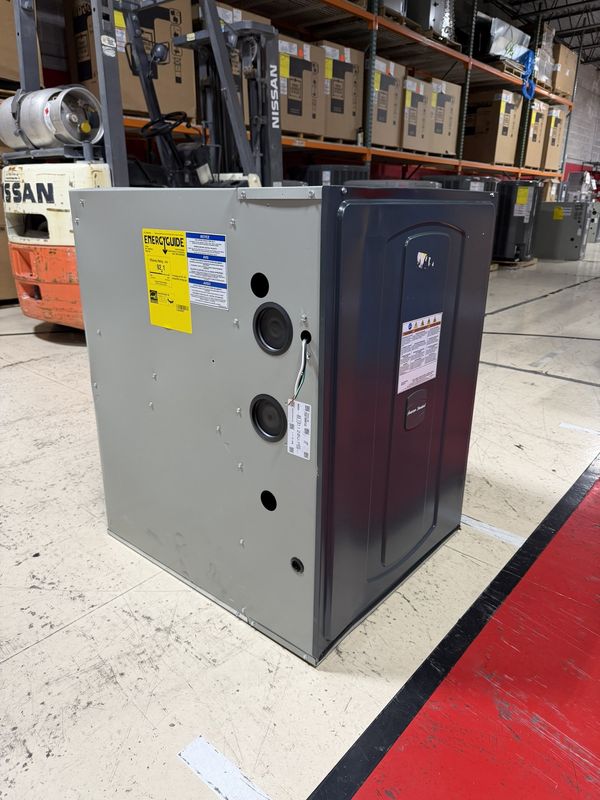
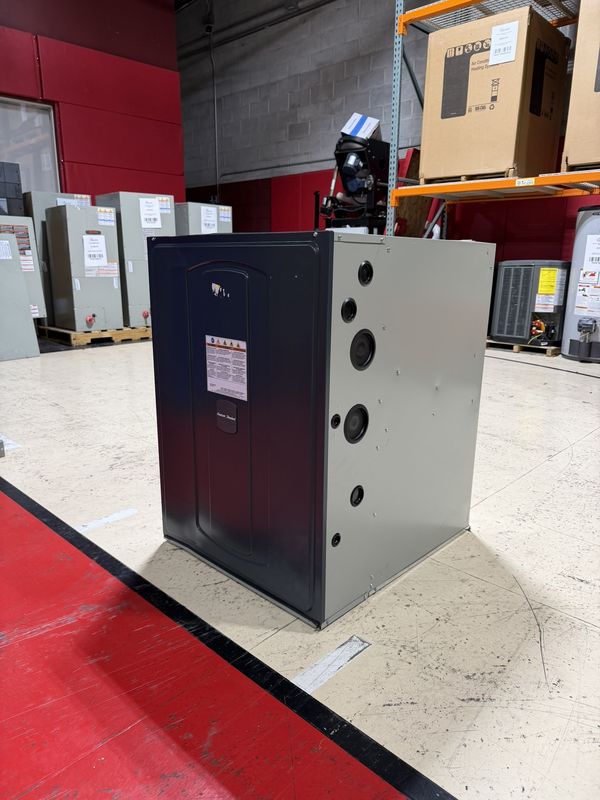
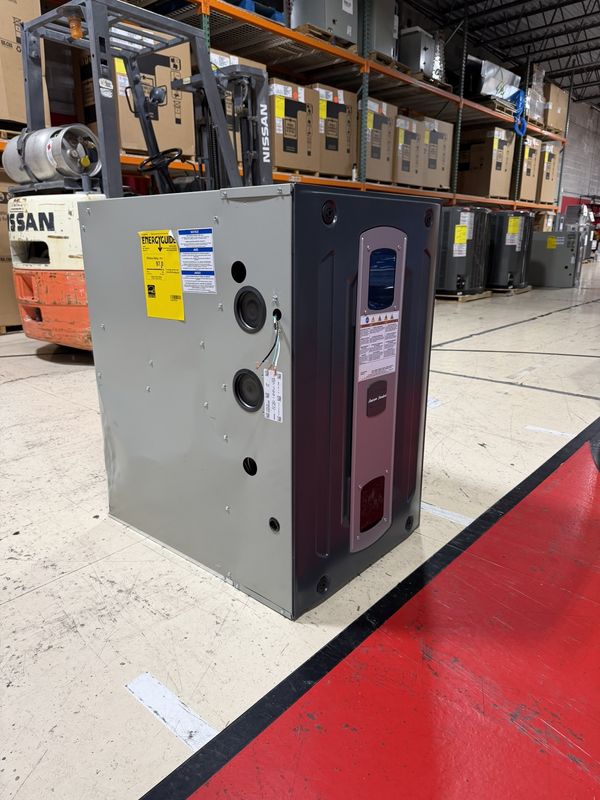
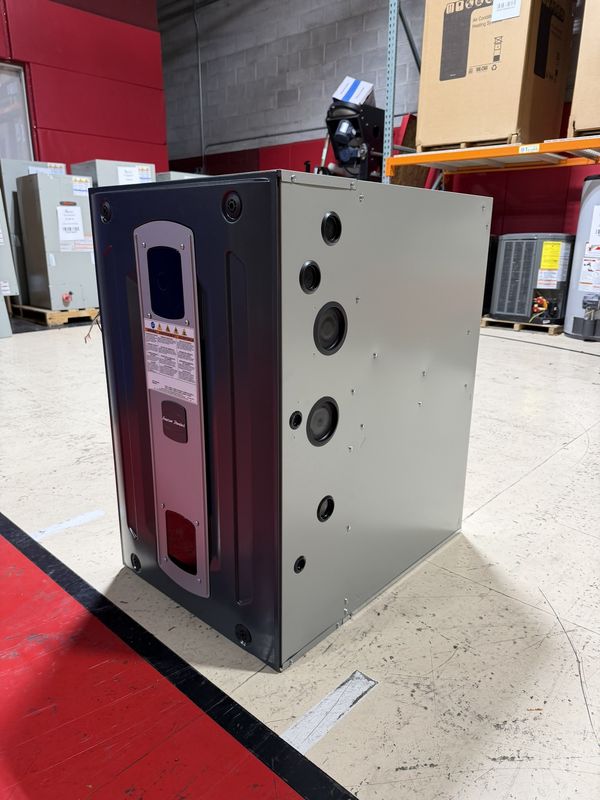
Shop scratch & dent residential gas furnaces from Public HVAC Solutions for furnace replacements and residential HVAC projects. Inventory may include natural gas furnaces in different BTU capacities, efficiency ratings, blower configurations and installation orientations from brands such as Trane, American Standard, Ameristar and RunTru. Because scratch & dent inventory changes regularly, available models and specifications will vary. Check each product listing carefully to make sure the furnace fits the needs of the home and installation.
Residential Gas Furnaces for Replacement Projects
Gas furnaces heat the home by burning natural gas and using a blower to distribute warm air through the duct system. When comparing furnaces, capacity is only part of the equation.
BTU output needs to match the heating requirements of the home, while AFUE provides a way to compare fuel efficiency. Furnaces can also differ in heating stages, blower motors, cabinet dimensions and airflow orientation.
These differences matter when replacing an existing furnace. A unit with a similar BTU rating may still require a different venting setup, cabinet arrangement or airflow configuration. Before ordering, compare the specifications of the new furnace with both the heating needs of the home and the requirements of the existing HVAC system.
Natural Gas Furnace Options
Residential gas furnaces are available in several common configurations.
Single-stage furnaces operate at one heating level whenever the thermostat calls for heat. Two-stage furnaces can run at a lower output during milder conditions and move to a higher stage when more heat is needed. Some models also use variable-speed blower motors, which allow the blower to adjust airflow instead of operating at one fixed speed.
Efficiency varies as well. AFUE, or Annual Fuel Utilization Efficiency, measures how much of the fuel used during a heating season is converted into usable heat. Higher-efficiency condensing furnaces also use a different venting and condensate setup than many 80% AFUE furnaces.
Airflow orientation is another important distinction. Depending on the model, a furnace may be designed for upflow, downflow, horizontal or multiple approved positions.
What to Check Before Buying a Scratch & Dent Gas Furnace
Before replacing a furnace, compare more than the model's BTU rating. Several specifications can affect whether the equipment will work for the application.
- Heating capacity: Confirm that the furnace is properly sized for the home's heating load.
- AFUE rating: Compare efficiency and determine whether the existing installation is suited for an 80% or condensing furnace.
- Airflow orientation: Check whether the system requires upflow, downflow, horizontal or another approved configuration.
- Heating stages: Determine whether the furnace uses single-stage, two-stage or another type of operation.
- Blower configuration: Review blower motor type and airflow requirements, especially when the furnace also supports a central air conditioning system.
- Cabinet dimensions: Compare furnace width, height, depth and connection locations with the available space.
- Venting requirements: Make sure the installation can accommodate the venting and combustion-air requirements specified for the furnace.
Do not assume the existing furnace size is automatically correct for the home. A qualified HVAC professional can confirm heating load, equipment sizing and installation compatibility before purchase.
Choosing a Furnace for Your Home
Scratch & dent equipment can be worth considering when the available furnace matches the requirements of the project and the listed condition is acceptable to the buyer.
Start with the basics: proper heating capacity, fuel type, airflow direction and physical fit. Efficiency is another factor, but moving from an 80% furnace to a higher-efficiency condensing model may require changes to venting, drainage or other parts of the installation.
The furnace also works as part of a larger forced-air HVAC system. During cooling season, its blower may move air across the indoor evaporator coil, so airflow and system compatibility can affect both heating and cooling performance.
If the scratch & dent category does not have the configuration you need, compare standard residential gas furnaces or browse other residential HVAC equipment.
Scratch & Dent Gas Furnaces Shipped Nationwide
Public HVAC Solutions ships HVAC equipment across the United States and Canada. Scratch & dent furnace inventory changes as individual units are sold and new equipment becomes available, so the brands, sizes and configurations shown on the site will change over time.
Review each product page for the model number, BTU rating, efficiency, configuration, listed condition and current availability. If you need help comparing furnace specifications before ordering, contact Public HVAC Solutions for additional product information.
Scratch & Dent Residential Gas Furnaces FAQs
What does AFUE mean on a residential gas furnace?
AFUE stands for Annual Fuel Utilization Efficiency. It measures how much of the fuel a furnace uses over a heating season is converted into usable heat for the home.
A furnace with a higher AFUE rating uses a greater percentage of its fuel for heating, but AFUE does not tell you whether a furnace will fit an existing system. Capacity, cabinet size, airflow direction, blower requirements and venting still need to be checked separately.
When should an older gas furnace be replaced?
There is no single age when every furnace needs to be replaced. ENERGY STAR recommends considering replacement when a furnace is more than 15 years old, especially if it is also requiring frequent repairs, producing uneven comfort or contributing to higher energy costs.
Condition and maintenance history matter too. A well-maintained older furnace may continue to operate reliably, while another unit of the same age may already be nearing the end of its useful life. An HVAC technician can evaluate the equipment and help determine whether repair or replacement makes more sense.
Can I replace my furnace with one that has the same BTU rating?
Not necessarily. A matching BTU number does not confirm that two furnaces are direct replacements.
The new furnace also needs to work with the home's heating load, airflow requirements, cabinet space, venting, blower setup and installation orientation. The heating load itself may have changed if insulation, windows or other parts of the home have been improved since the original furnace was installed.
Before ordering a replacement, have the equipment specifications and application checked to make sure the furnace is properly sized and compatible with the installation.
On Sale
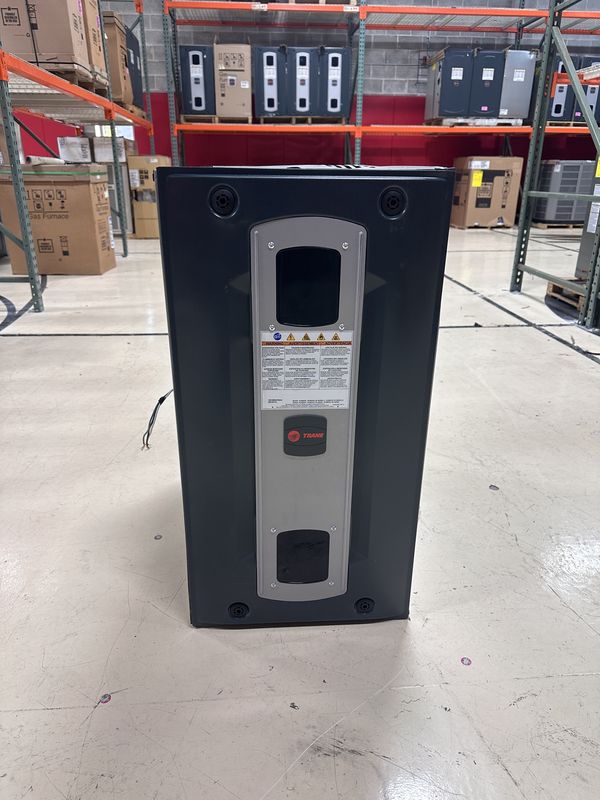
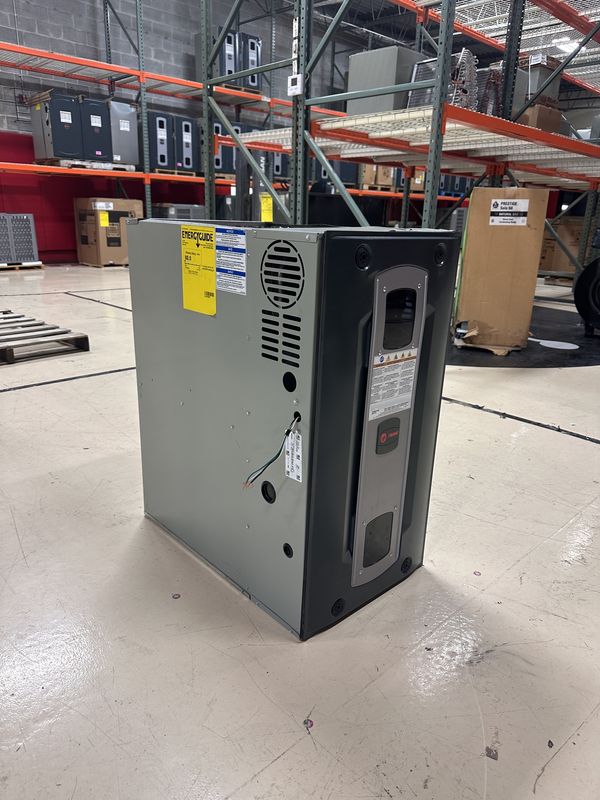
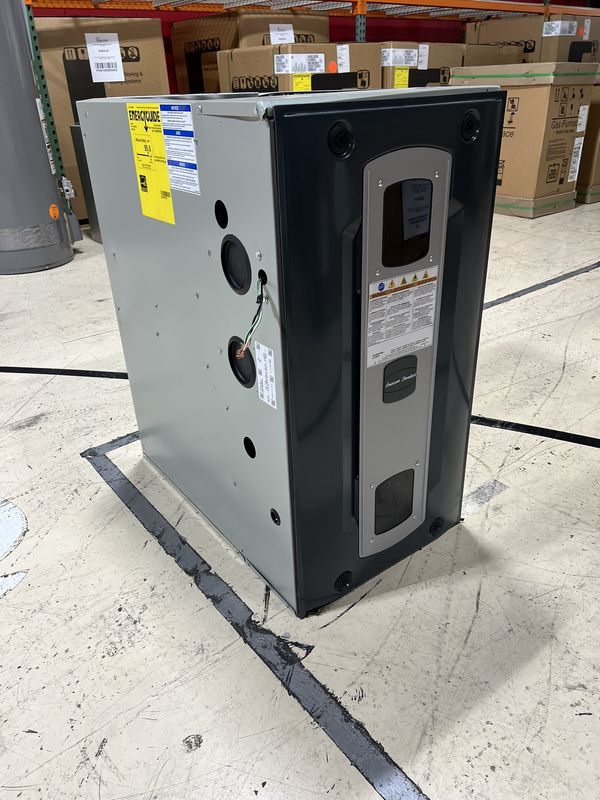
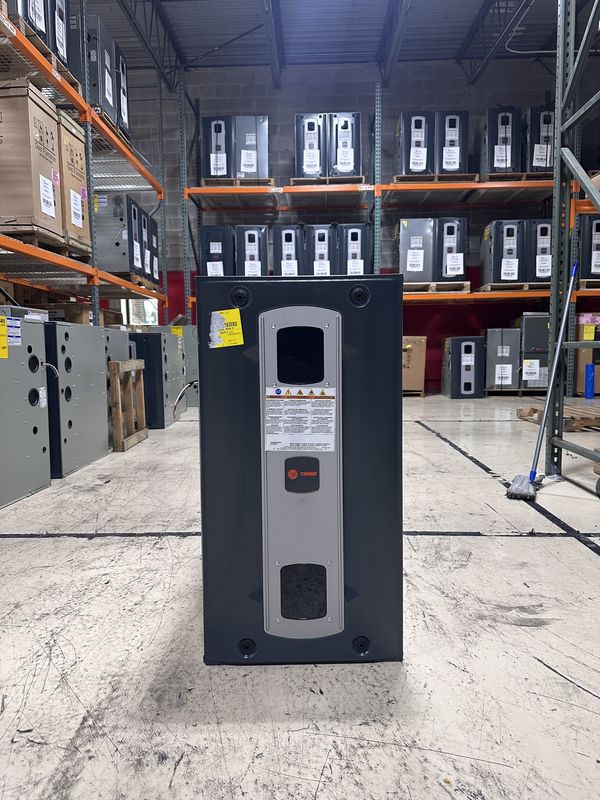
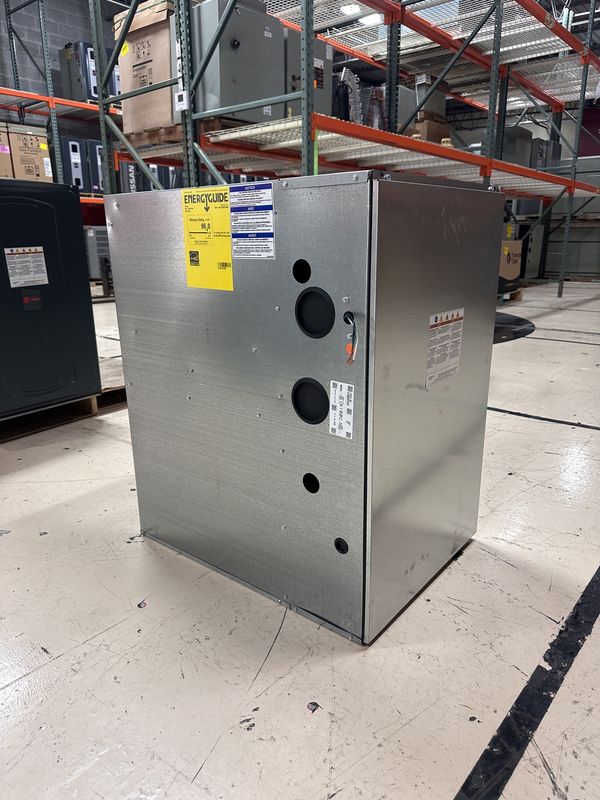
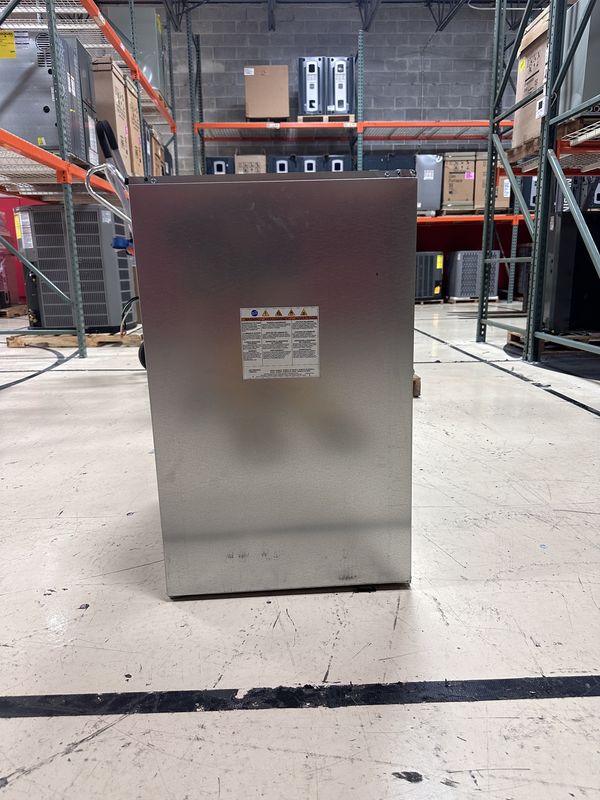
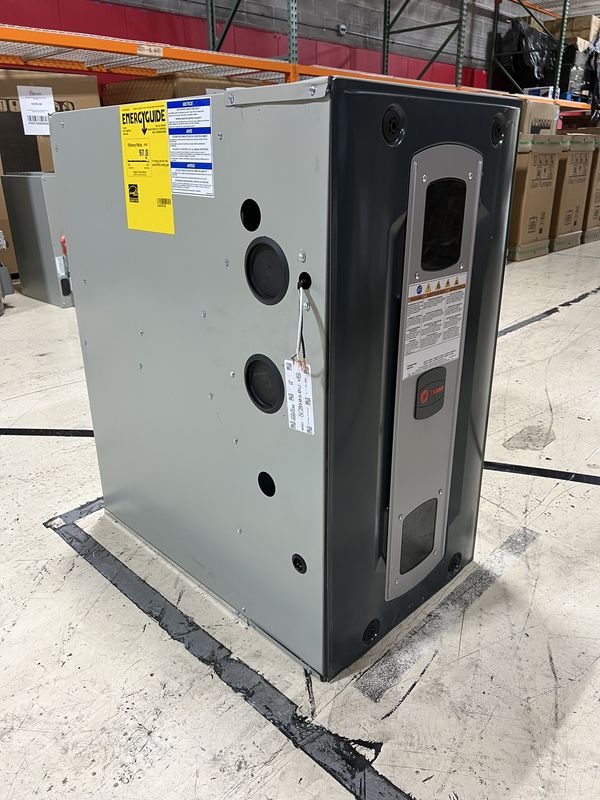
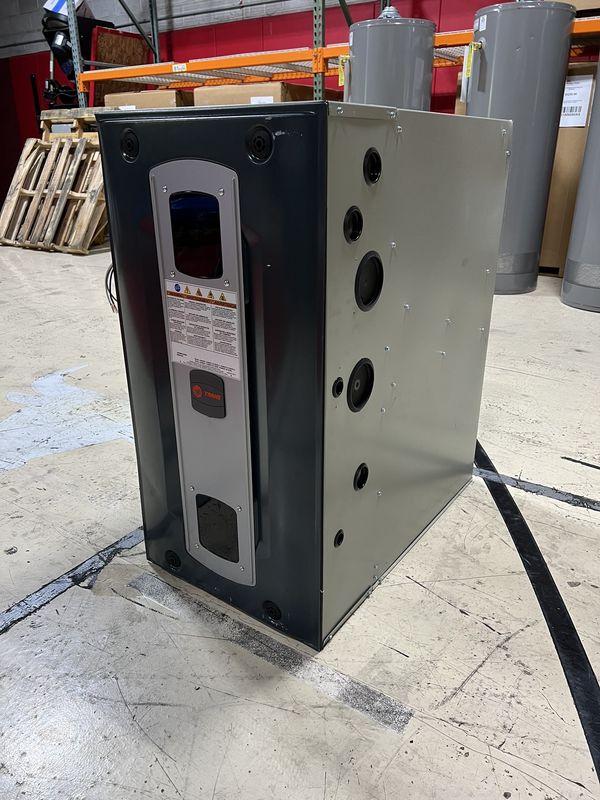
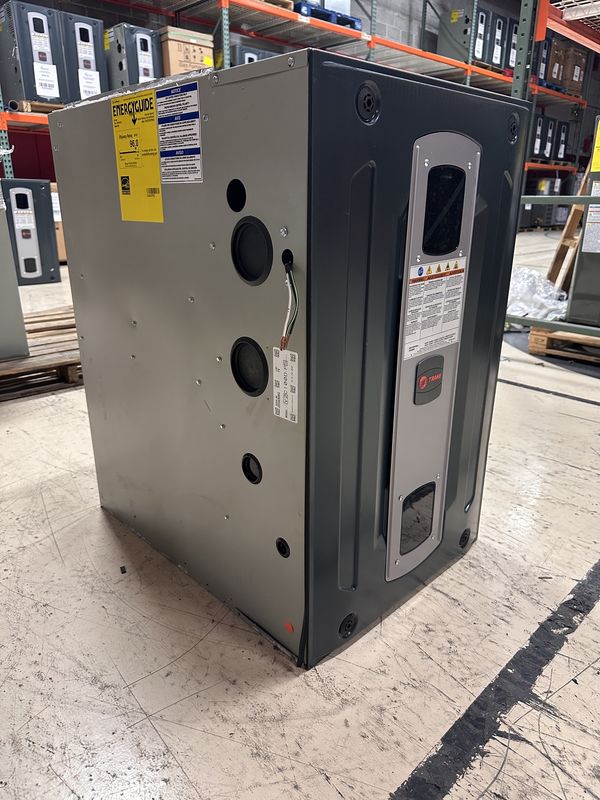
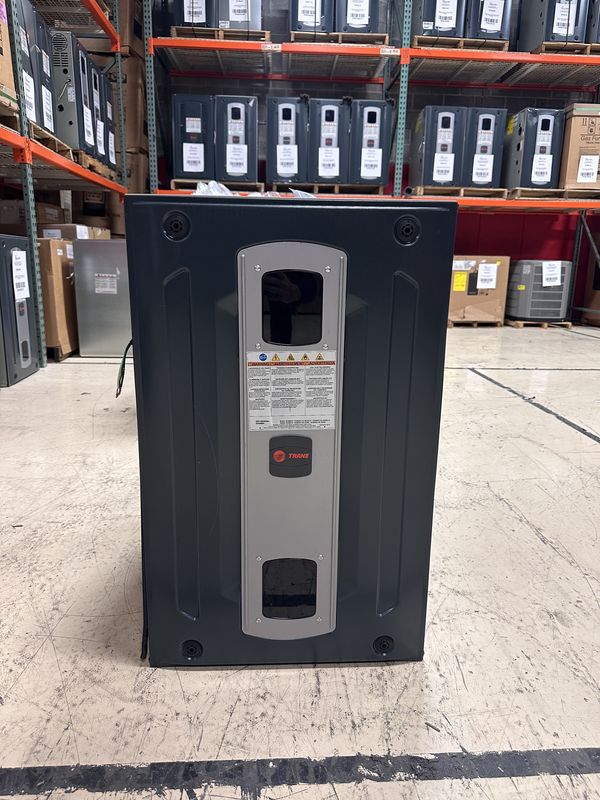
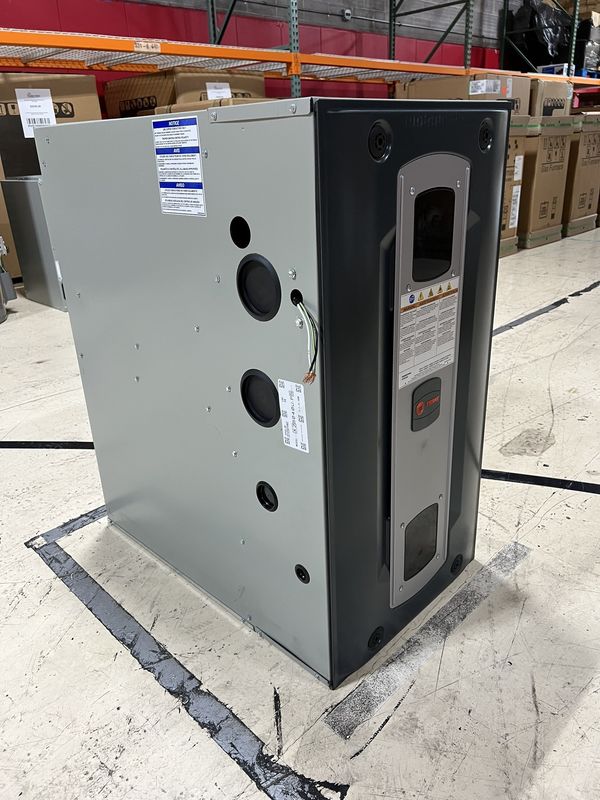
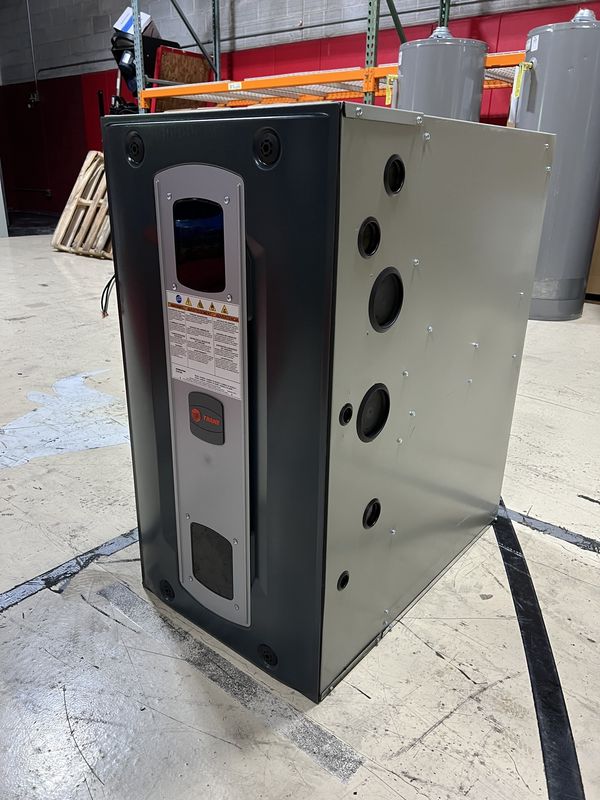
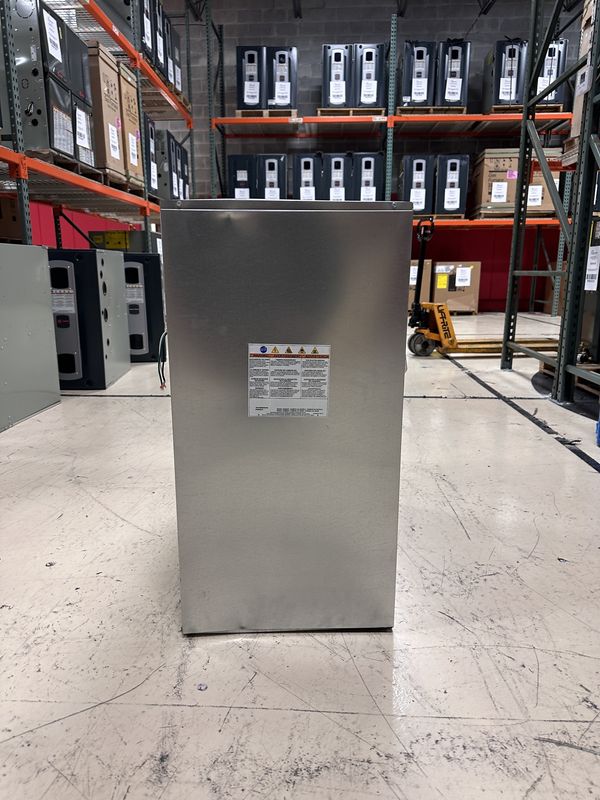
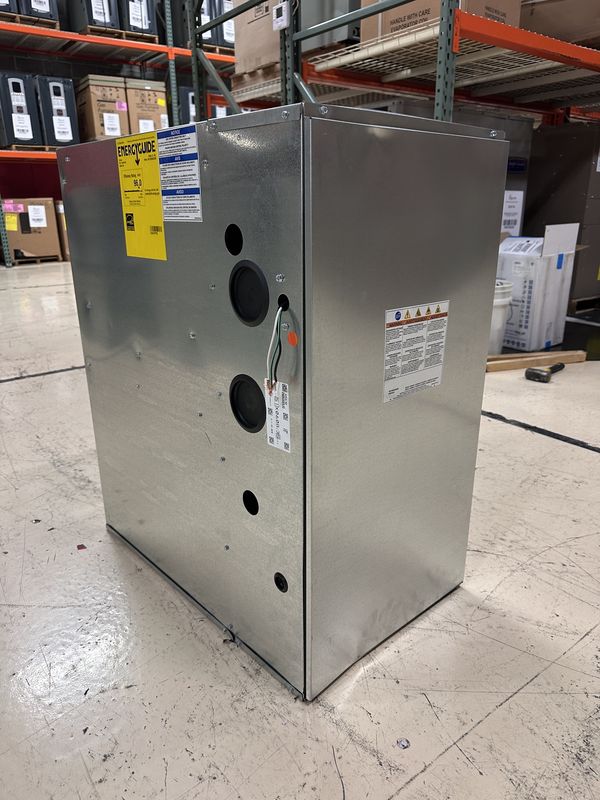
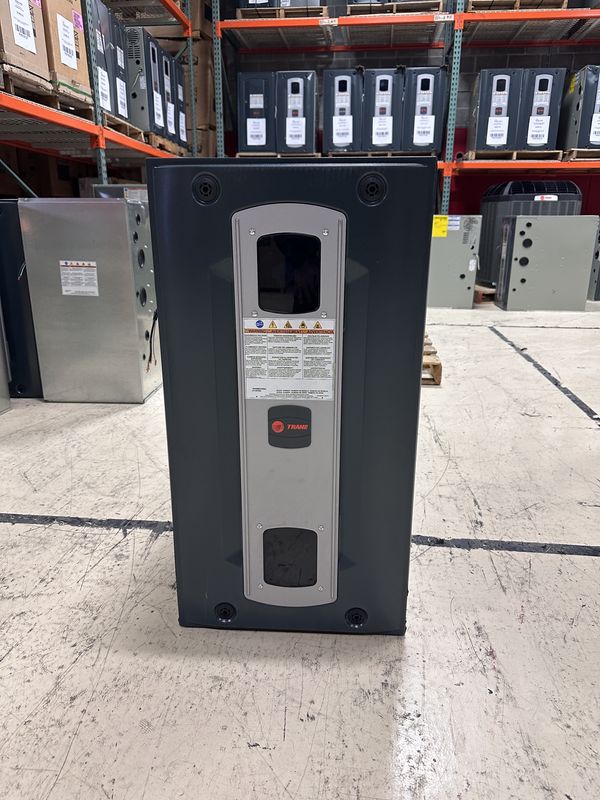
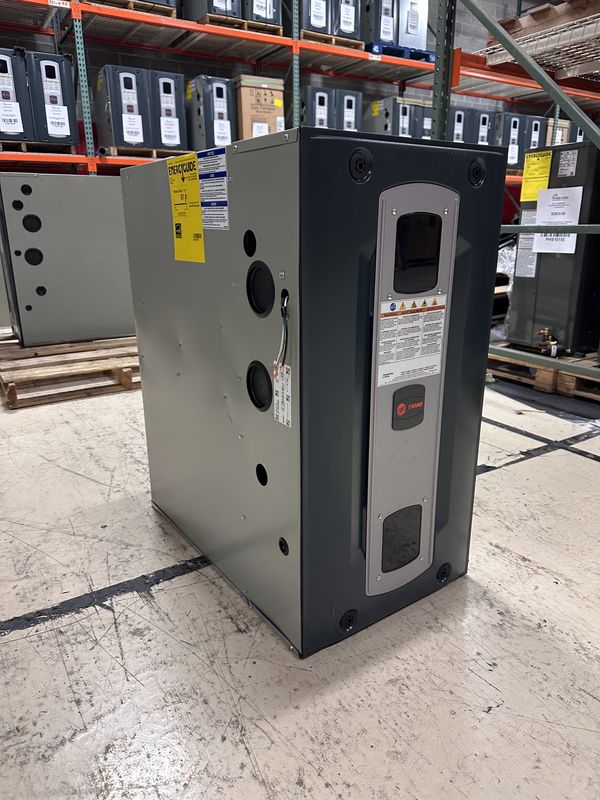
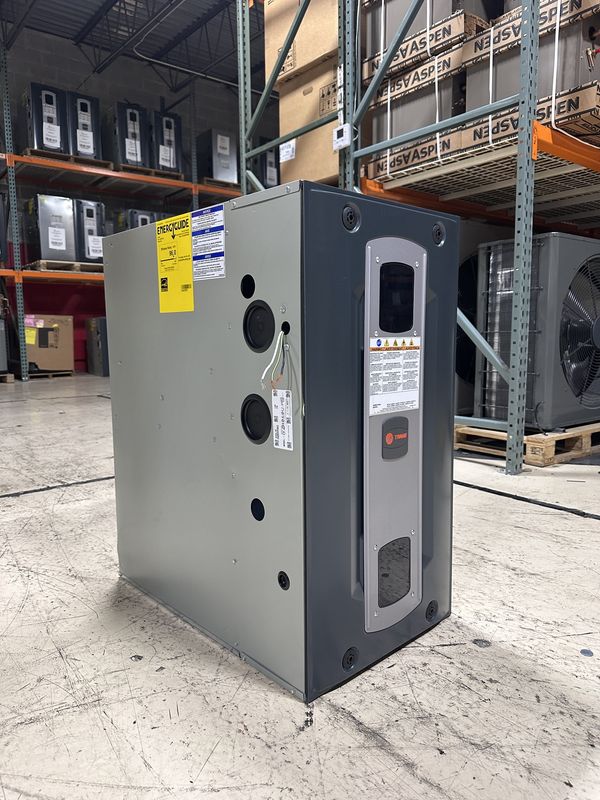
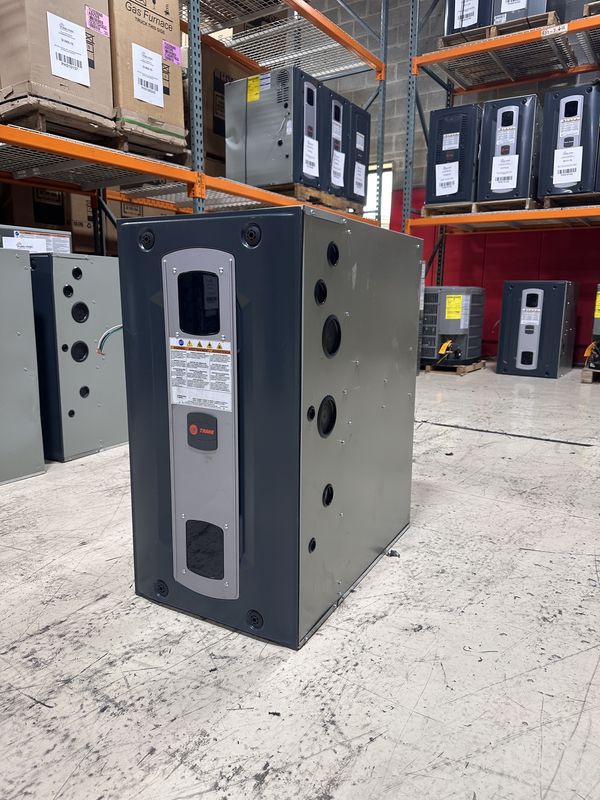
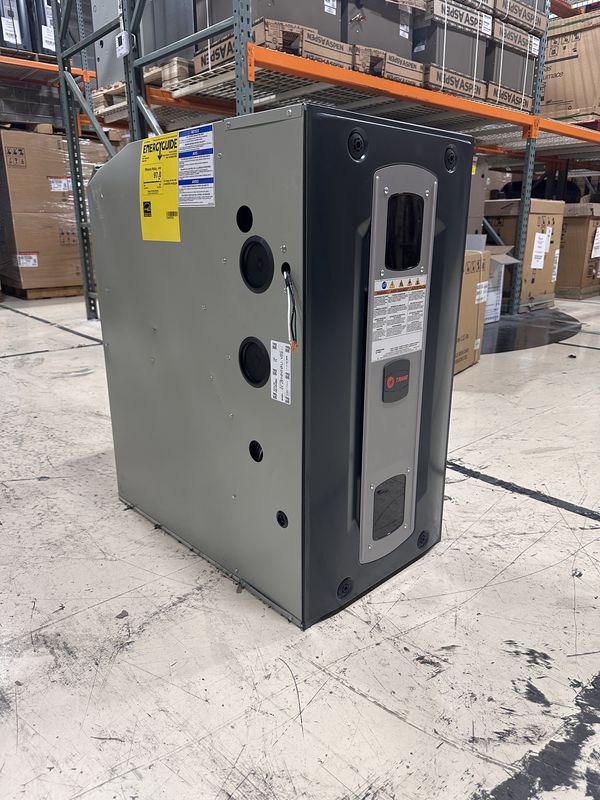
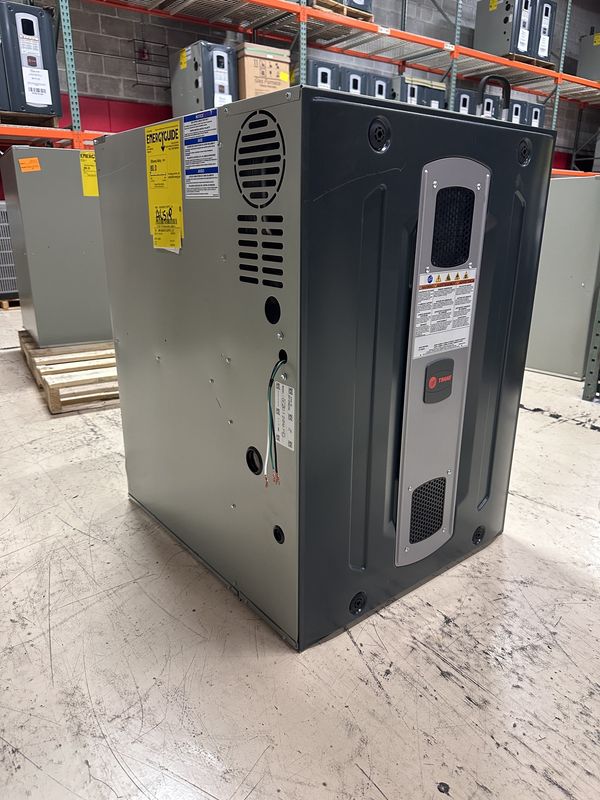
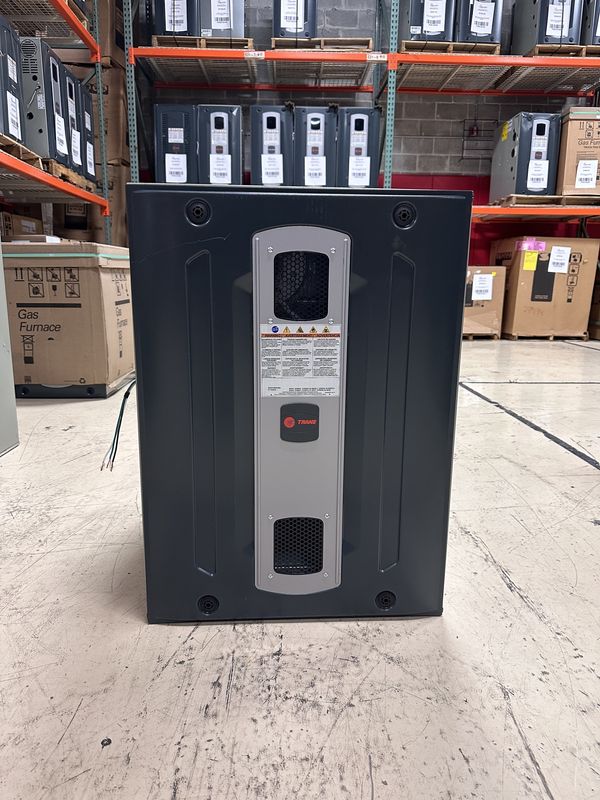
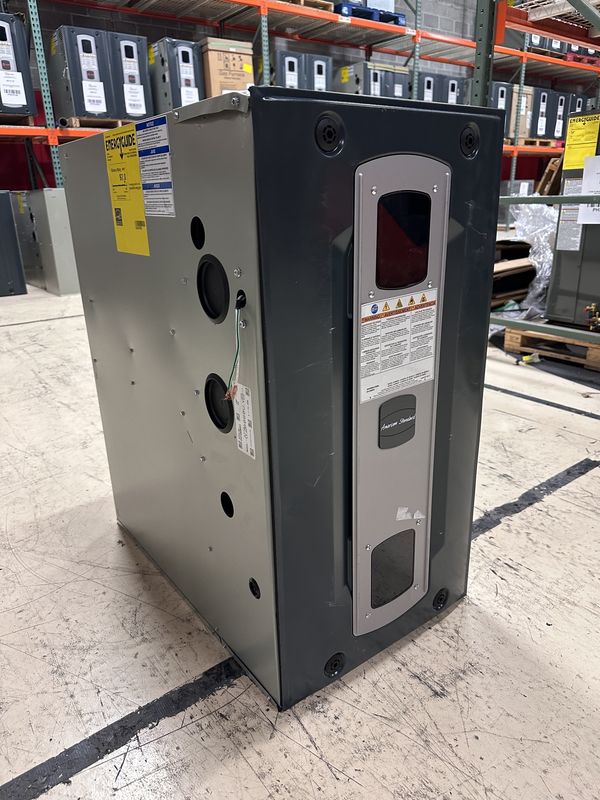
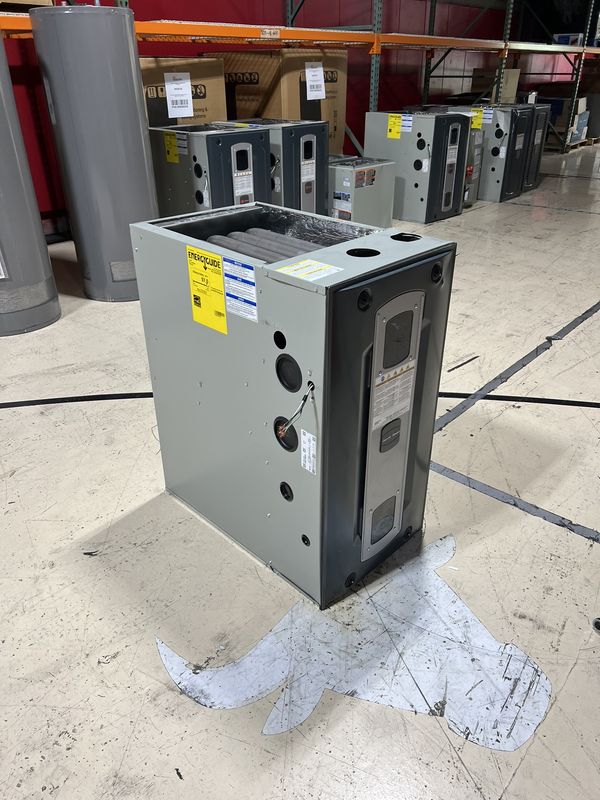
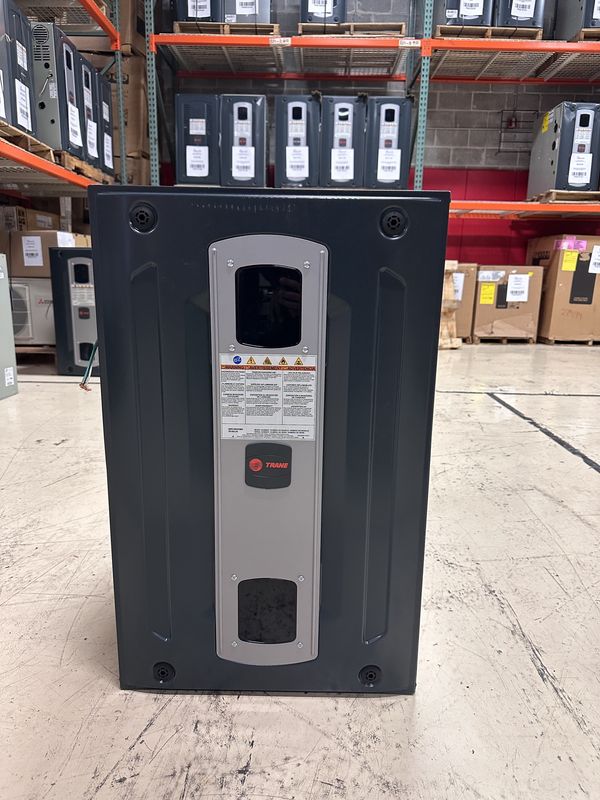
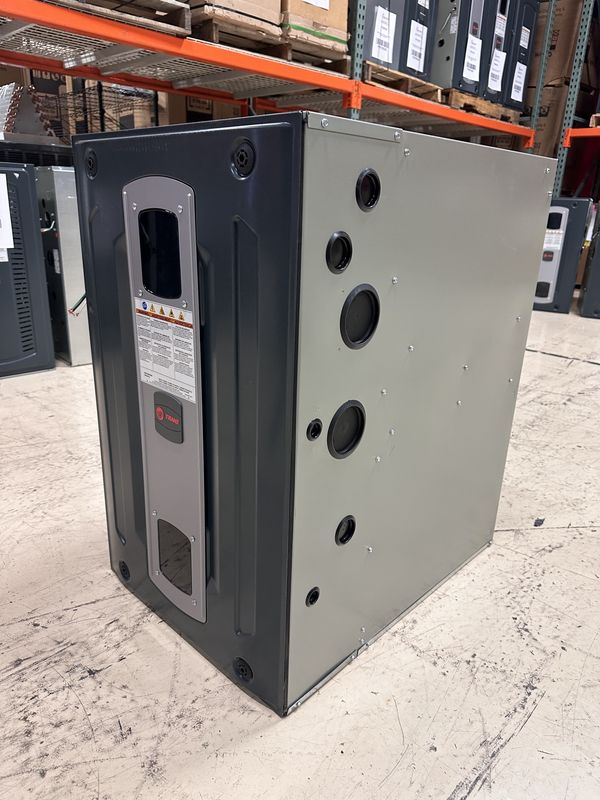
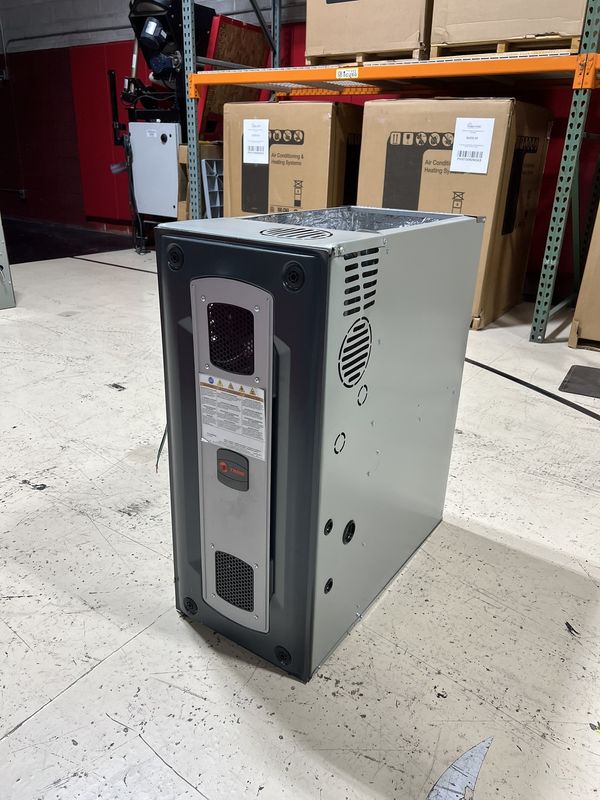
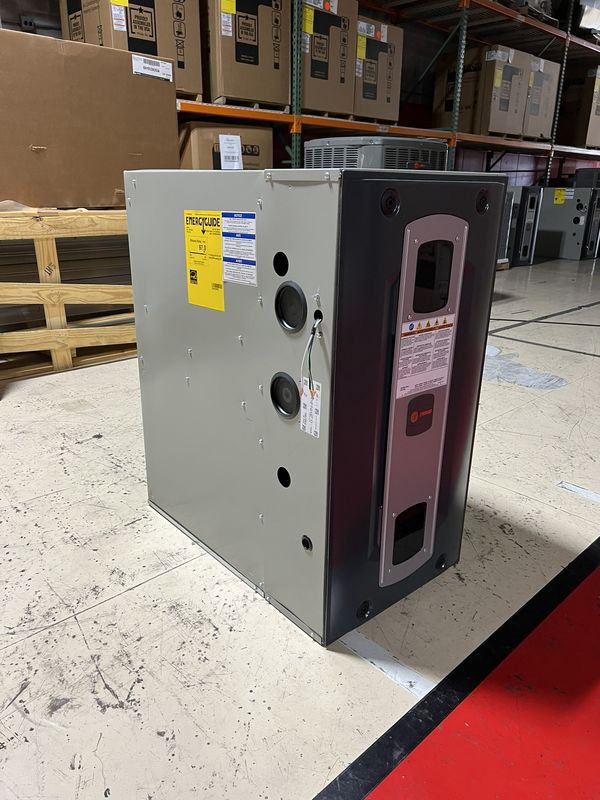
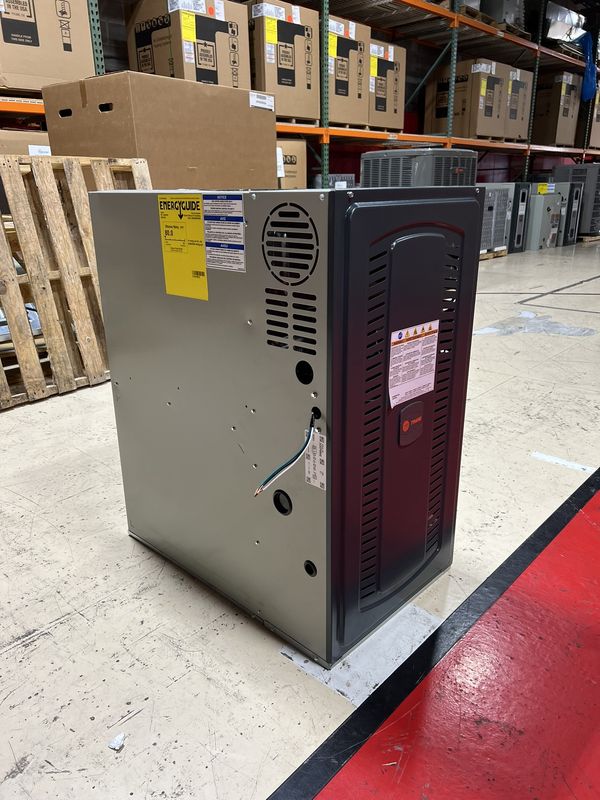
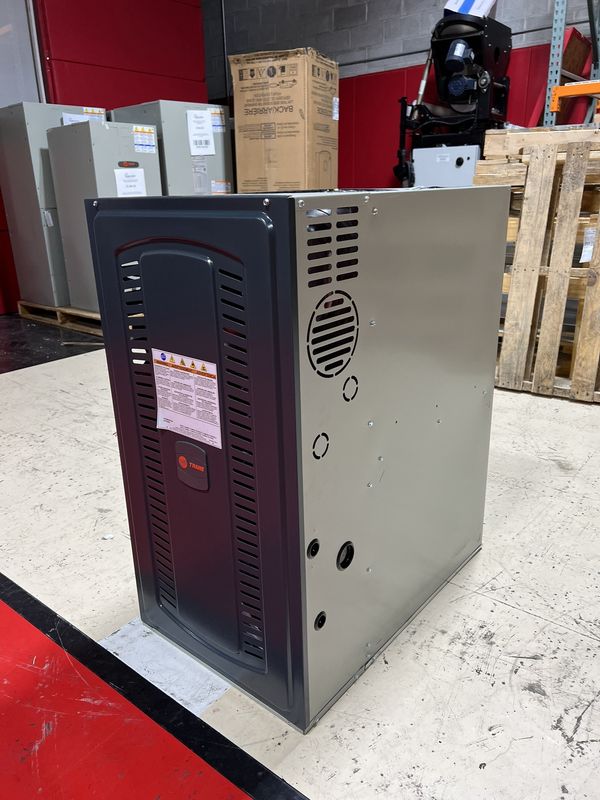
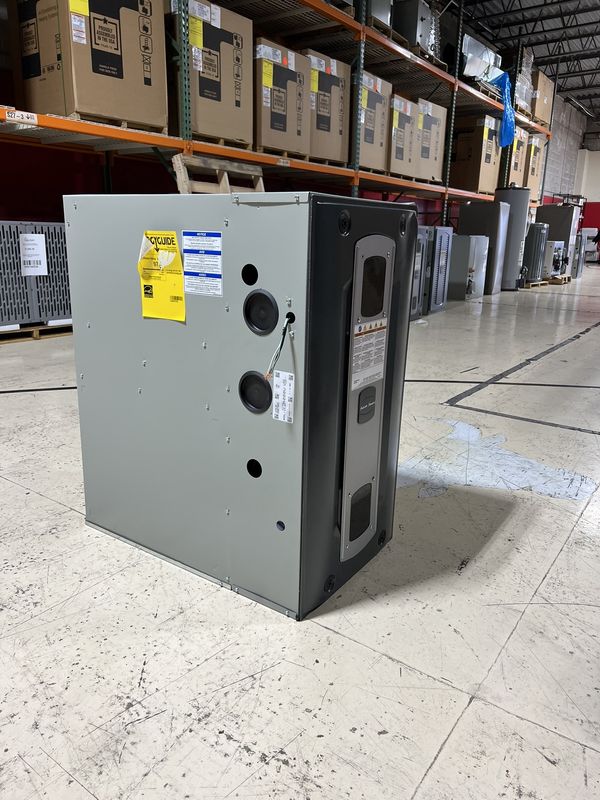
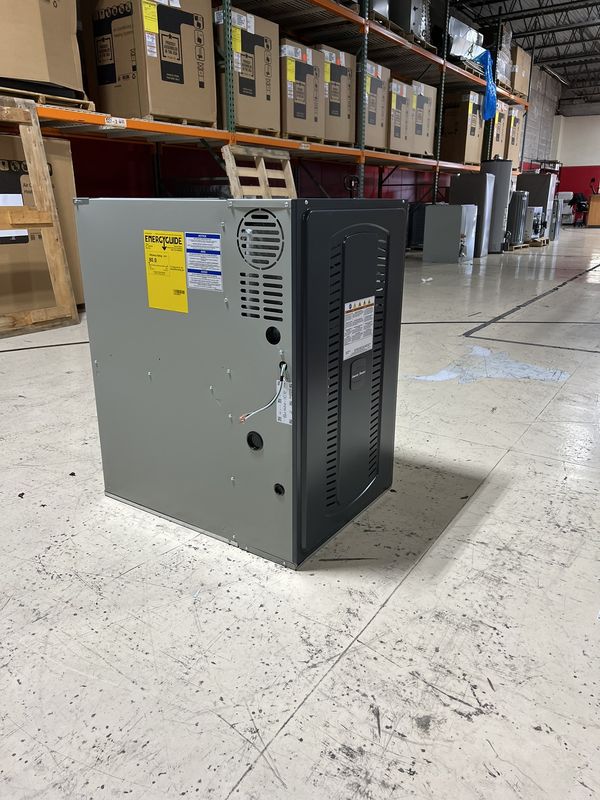
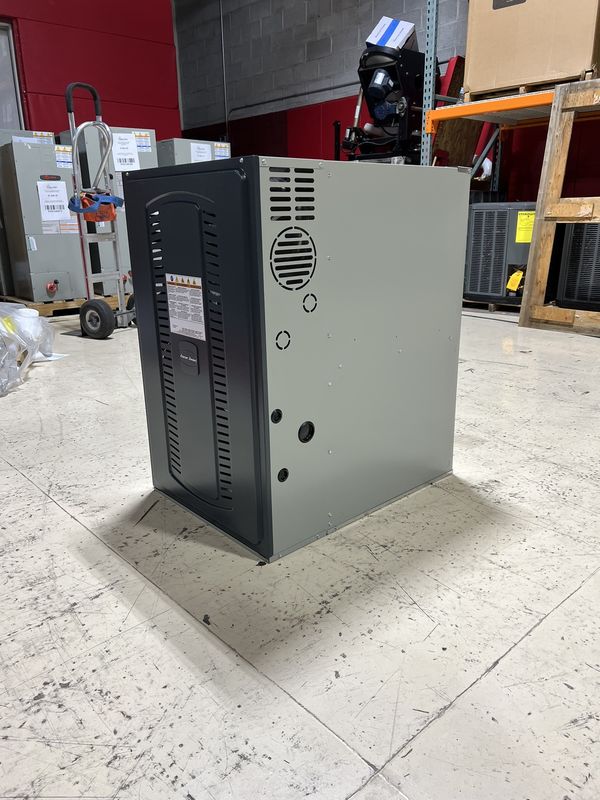
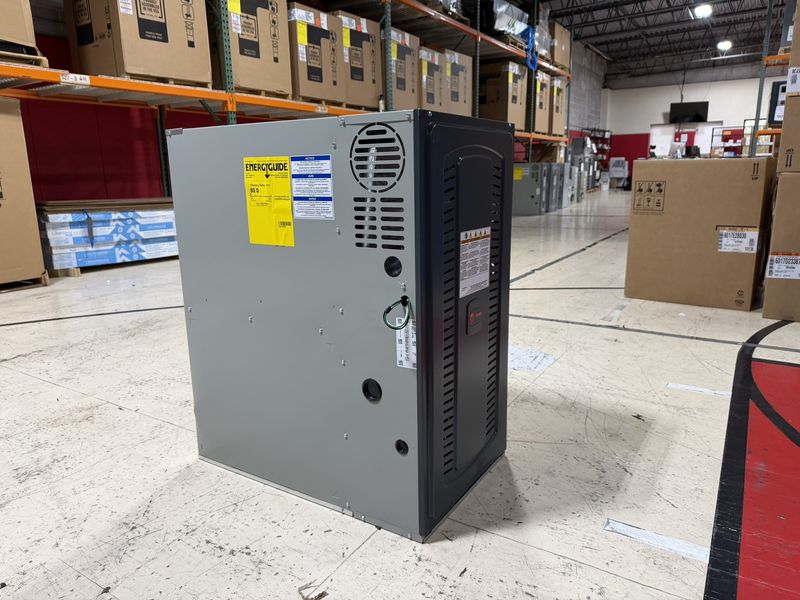
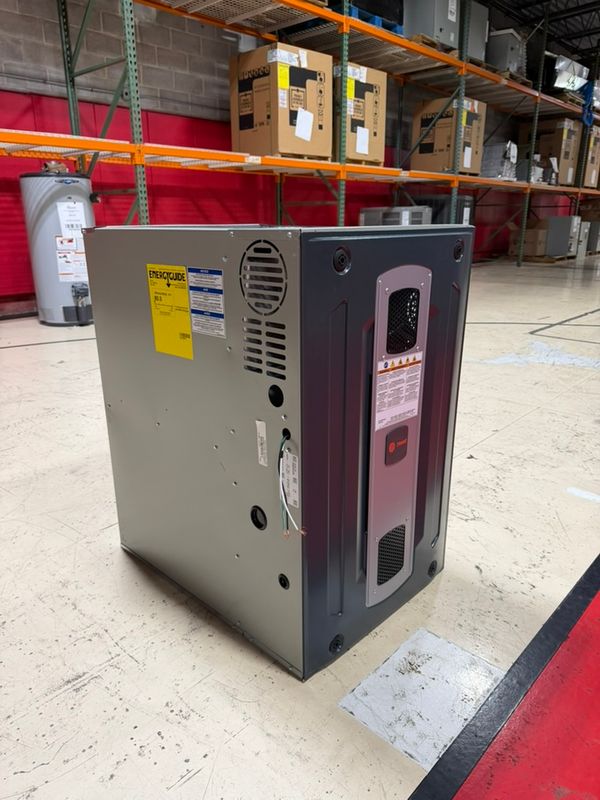
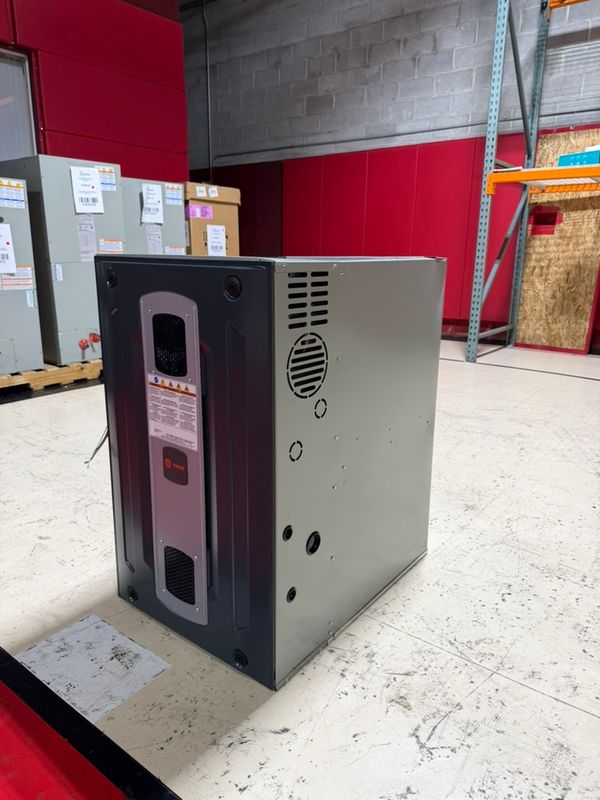
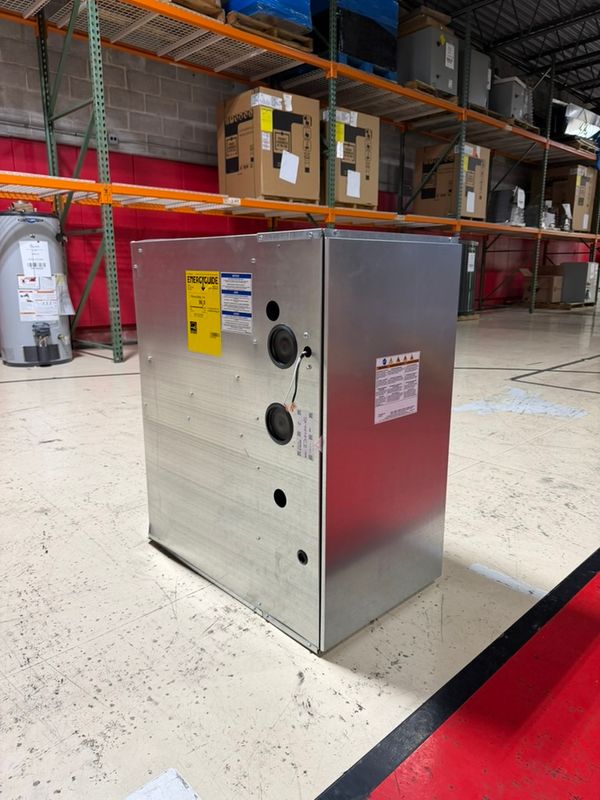
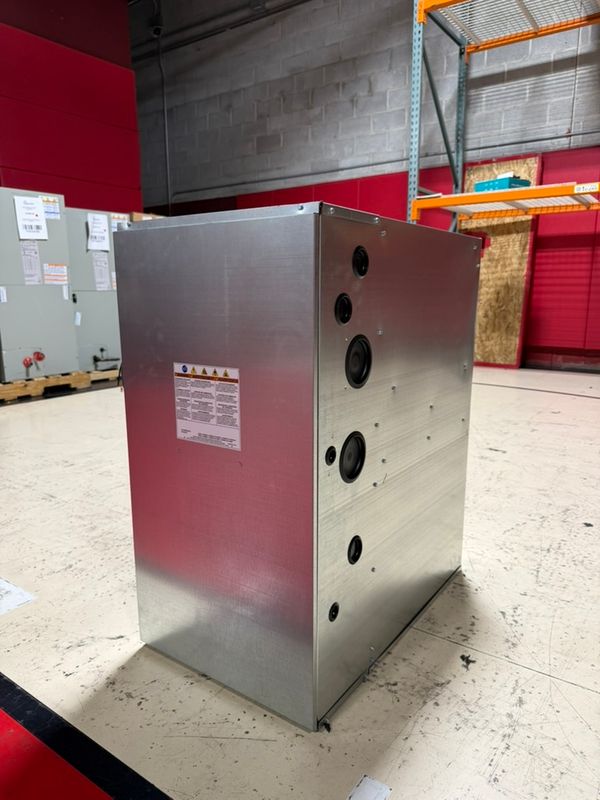
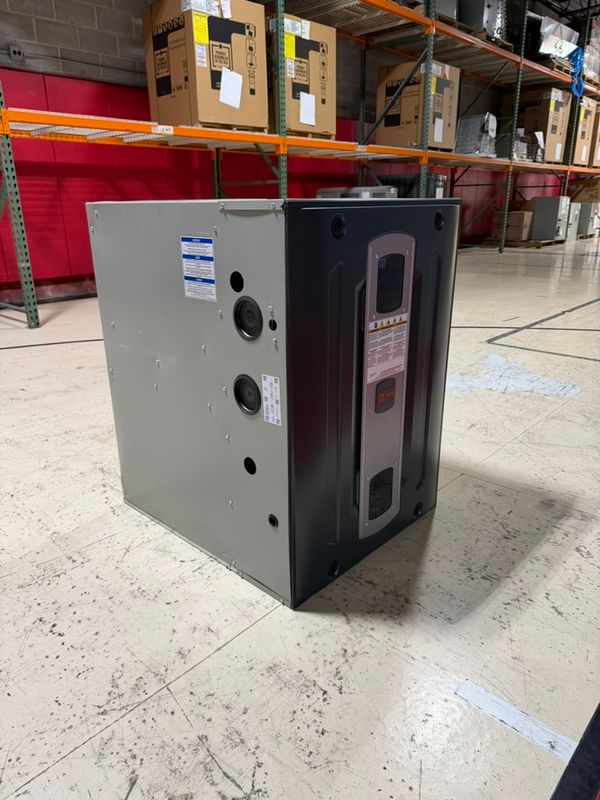
Trane 60K BTU 2 STAGE V SPEED- S8V2B060M4PCBAA Furnace
Trane 60K BTU 2 STAGE V SPEED- S8V2B060M4PCBAA Furnace
SKU PHS10057
was $2 950.00
Save 27%
$2 150.00
Sold out
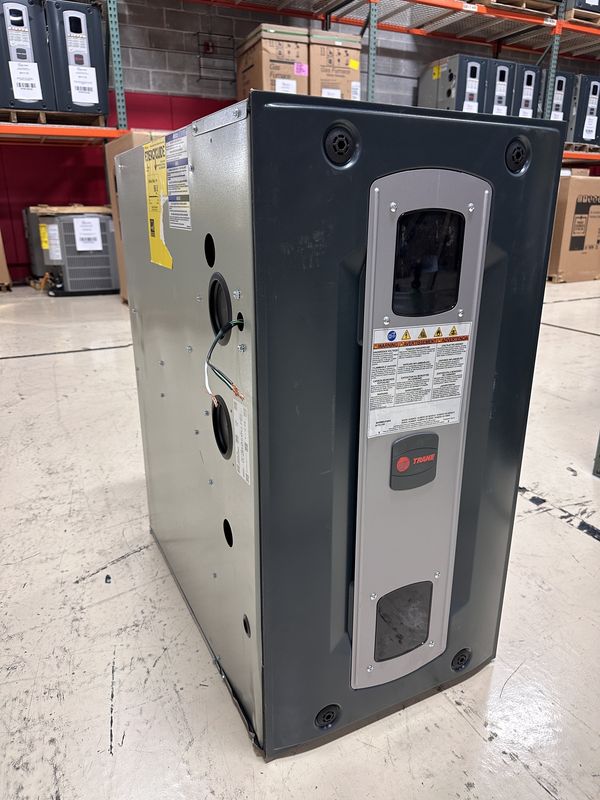
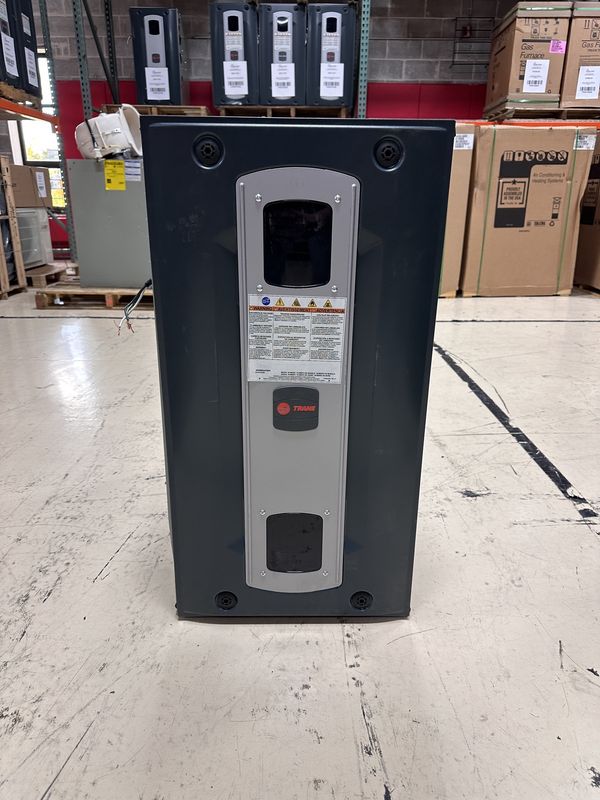
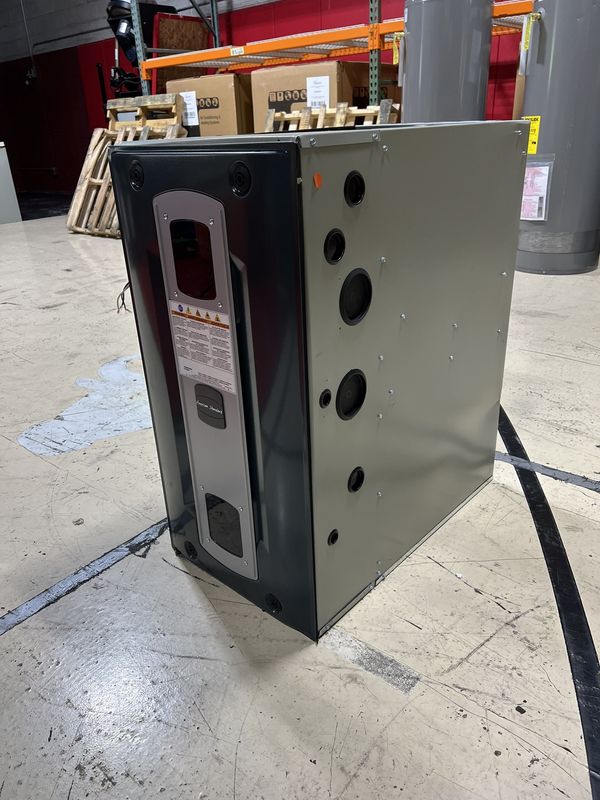
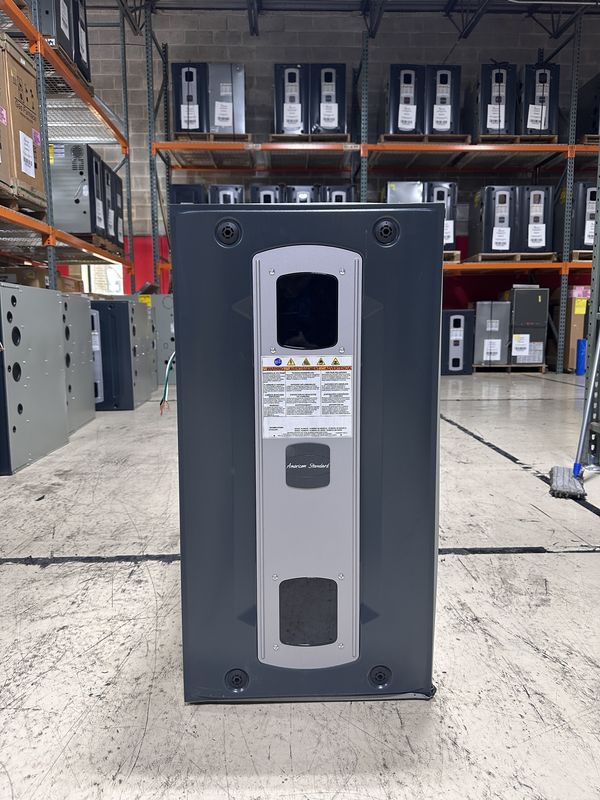
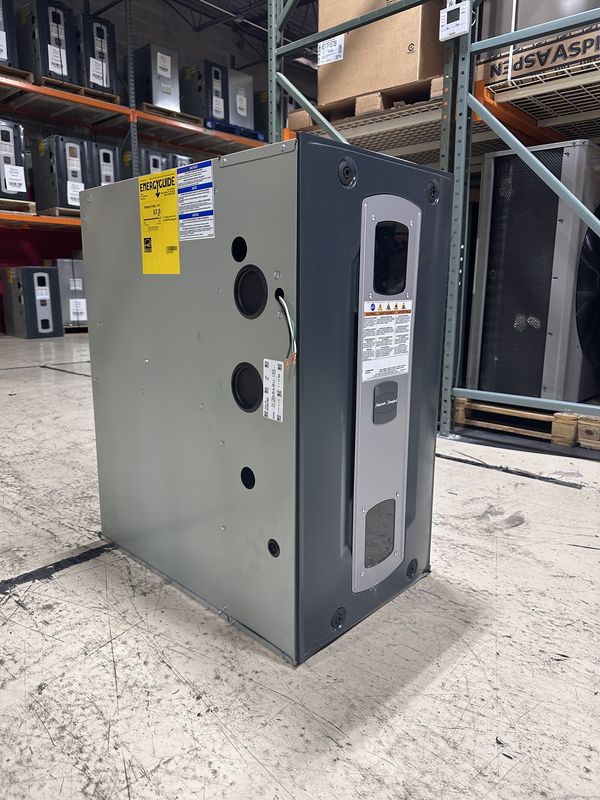
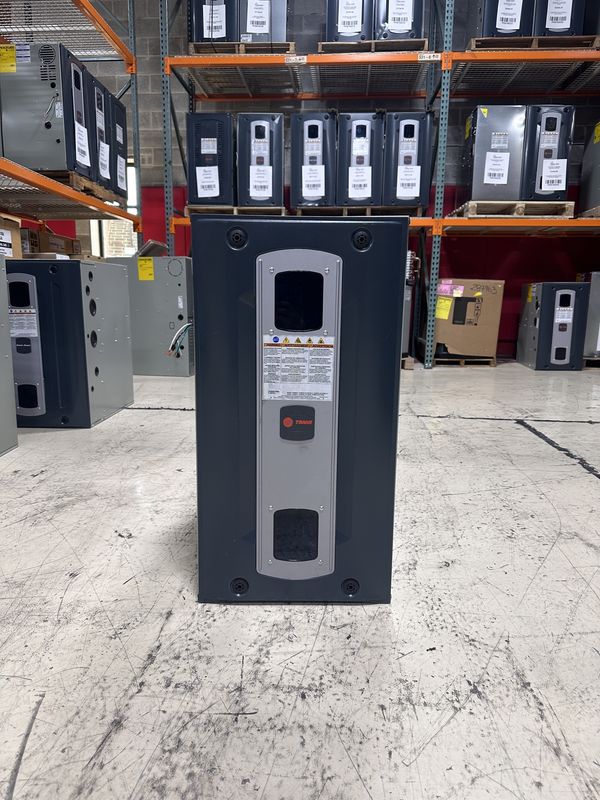
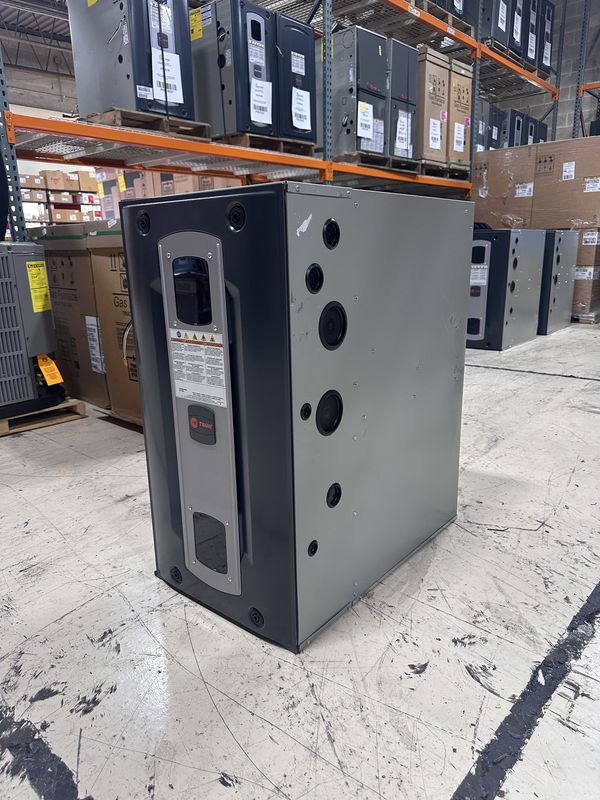
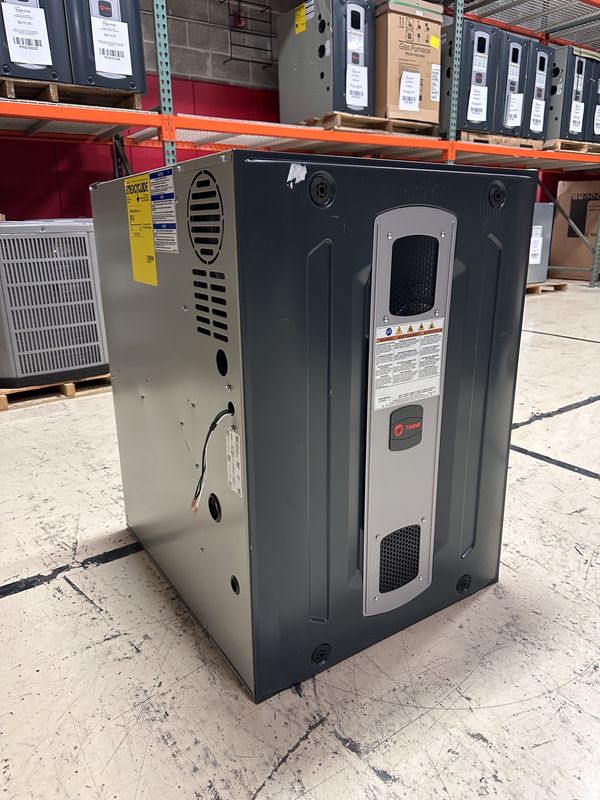
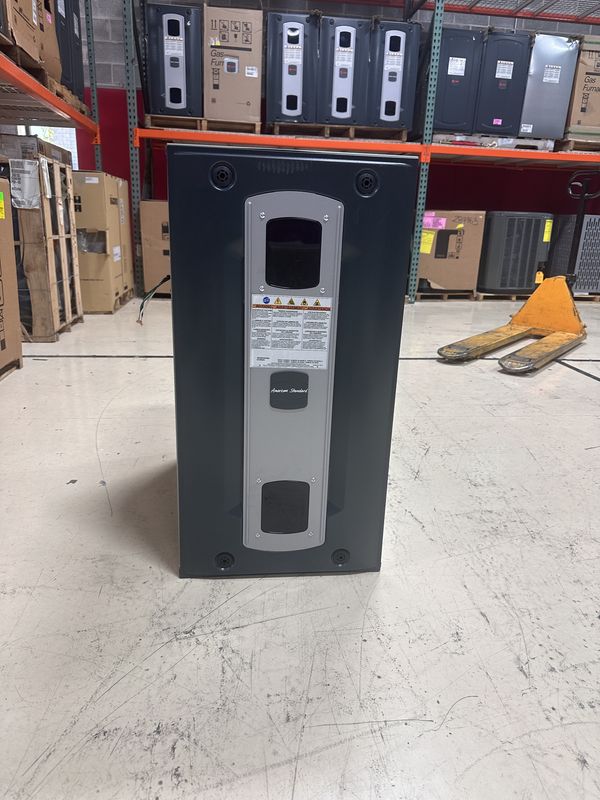
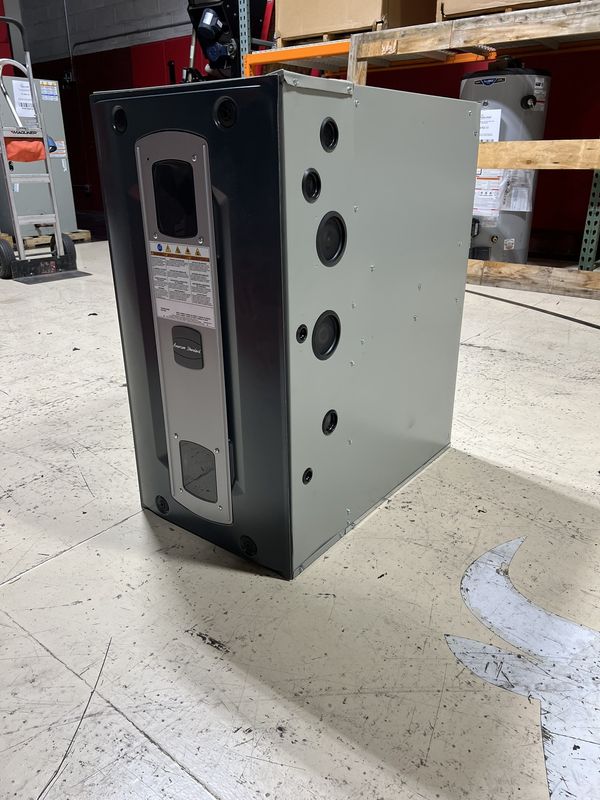
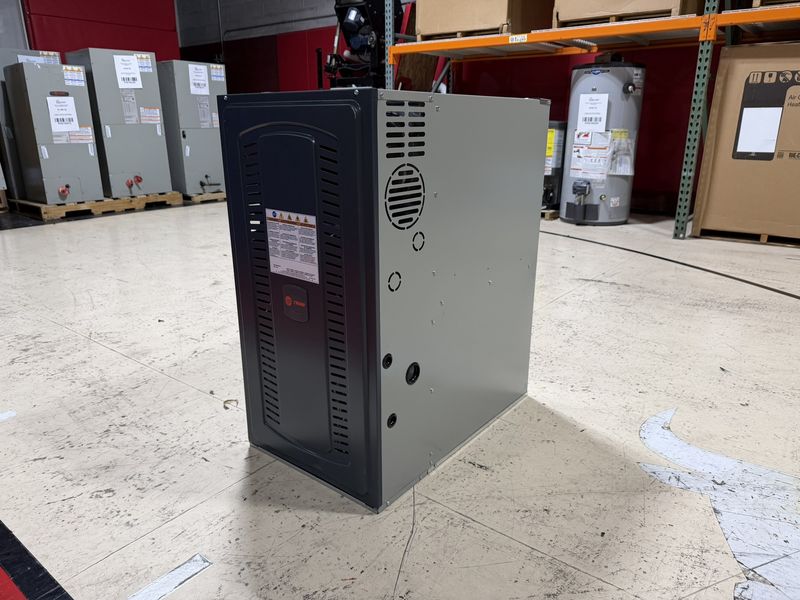
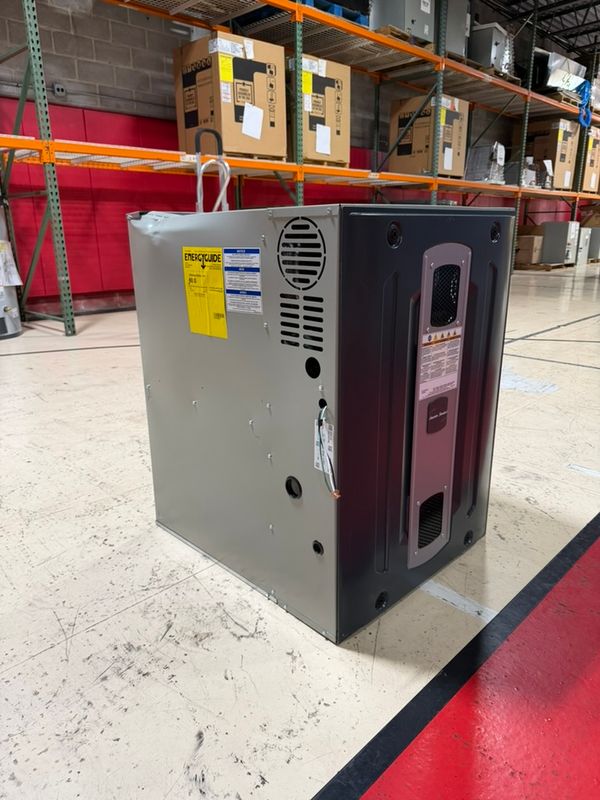
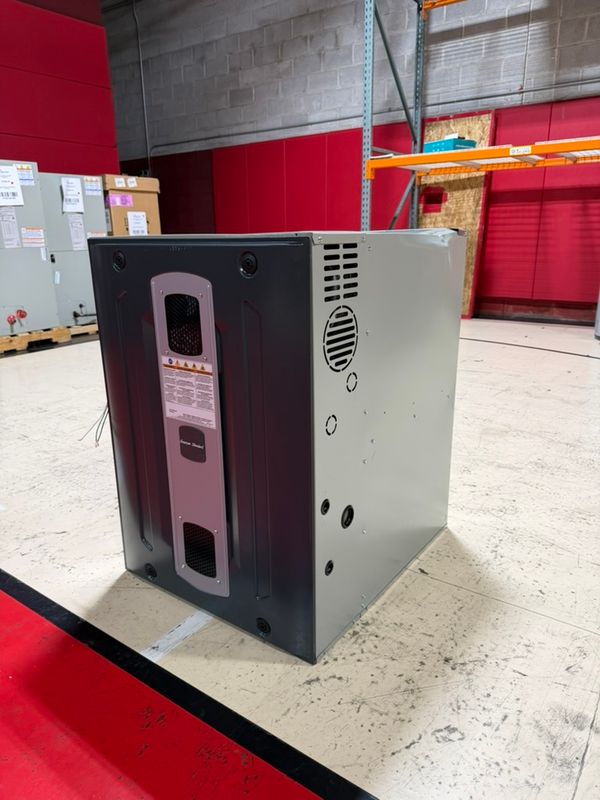
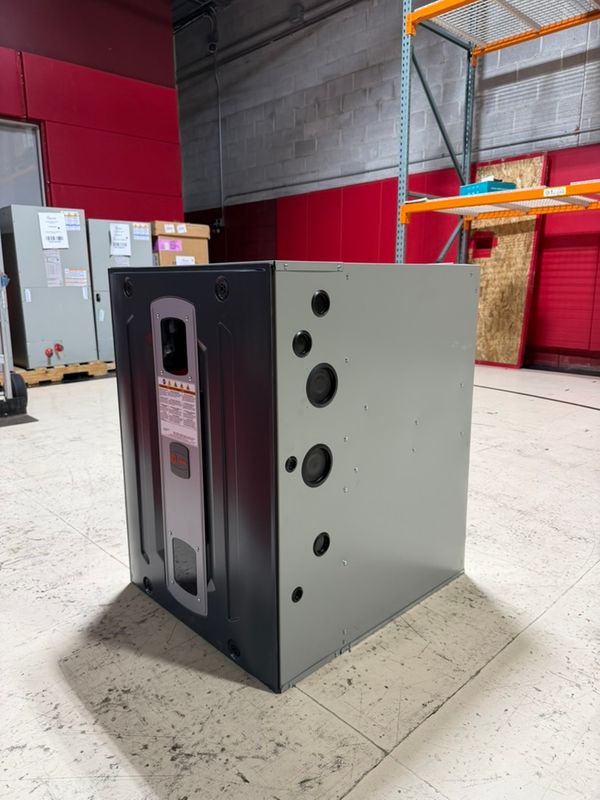
Trane AS 60K BTU 2 STAGE V SPEED Model S9V2B060U4PSB Furance
Trane AS 60K BTU 2 STAGE V SPEED Model S9V2B060U4PSB Furance
SKU PHS100207
$2 304.50
Out of stock
Sold out
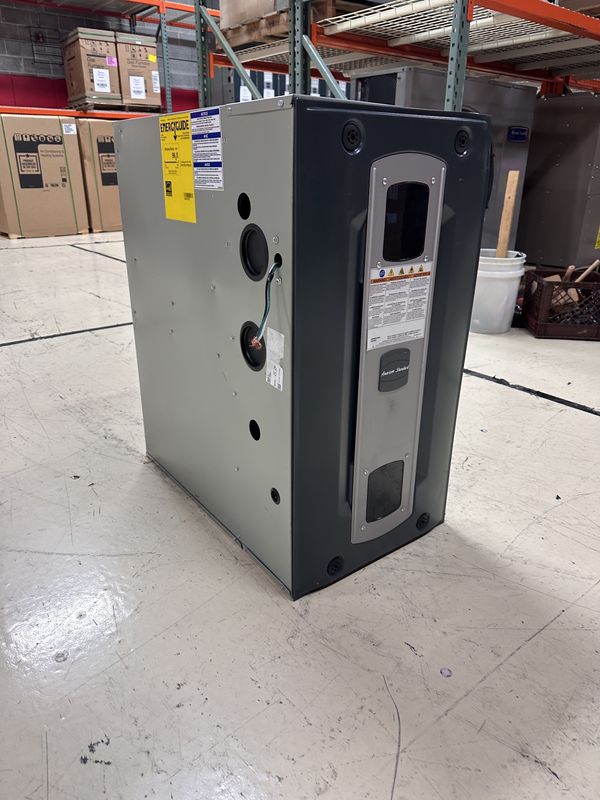
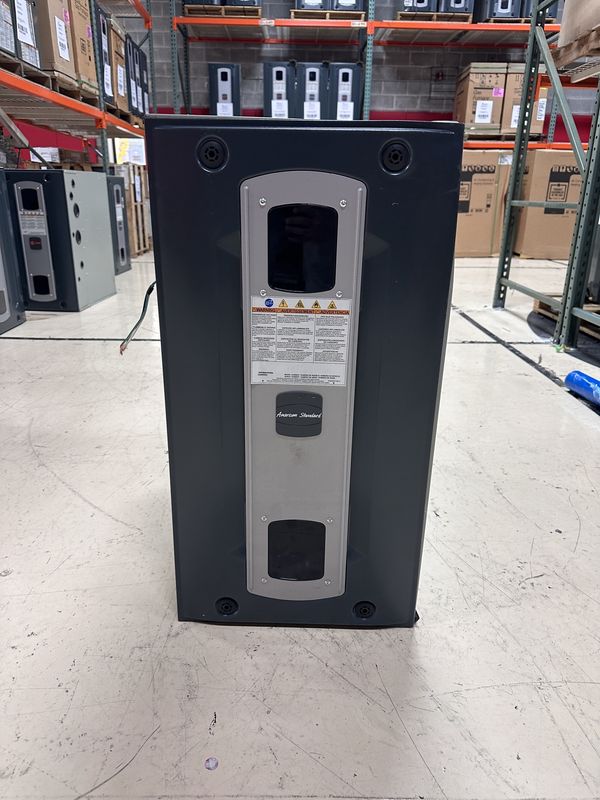
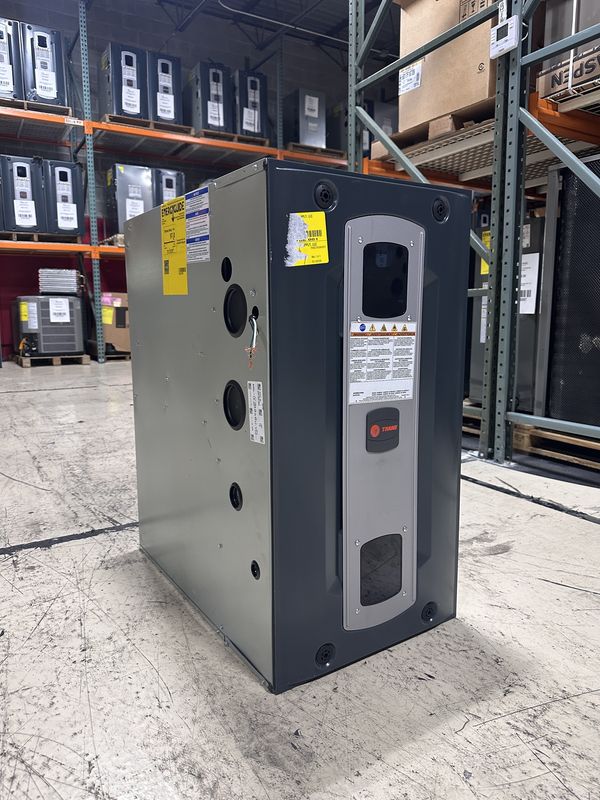
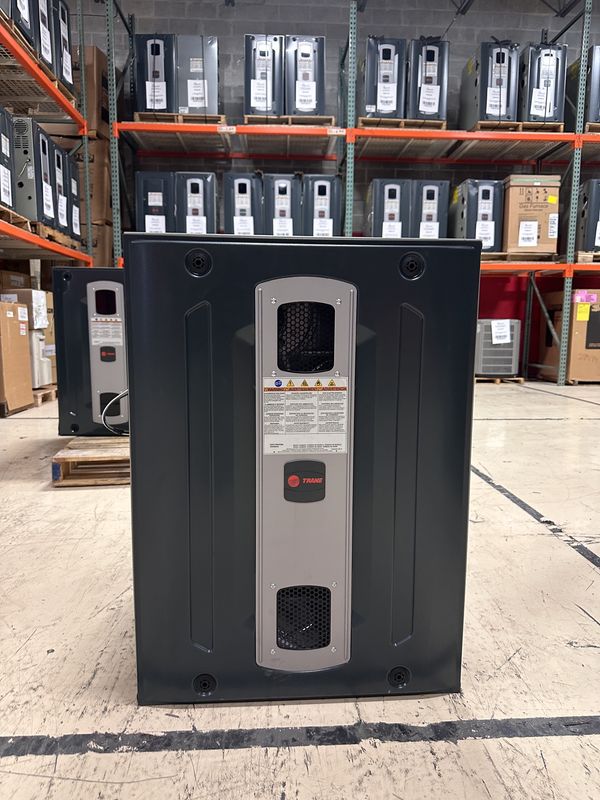
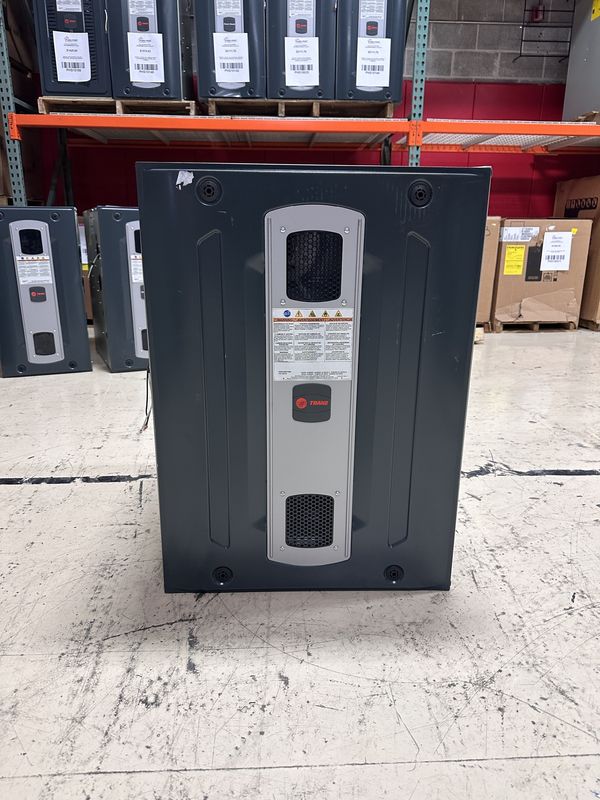
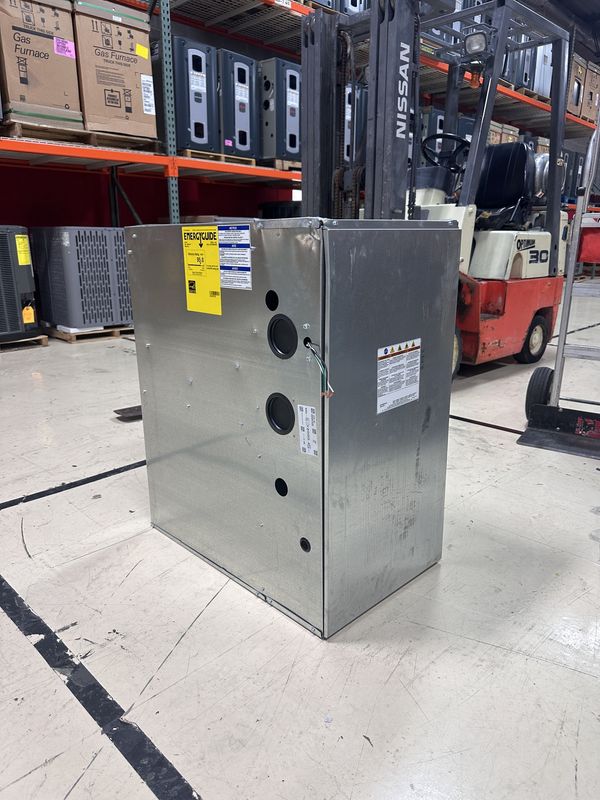
Trane AS 80K BTU 2 STAGE V SPEED MODEL S9V2B080U4PSBD Furance
Trane AS 80K BTU 2 STAGE V SPEED MODEL S9V2B080U4PSBD Furance
SKU PHS100204
$2 384.25
Out of stock