WE SHIP NATIONWIDE ACROSS THE UNITED STATES AND CANADA.
Hydronic Heating Systems
Shop hydronic heating systems and related equipment for residential, commercial and other heating applications at Public HVAC Solutions. Hydronic systems circulate heated water through a building to provide heat through radiators, baseboards, radiant flooring and other distribution methods. Browse boilers and other hydronic equipment for replacement systems, new installations and existing heating projects. Equipment is available in different capacities and configurations, so product specifications should be checked closely before ordering.
Hydronic Heating for Different Types of Buildings
Hydronic heating uses heated water to carry heat from the boiler or other heat source through the building. The water travels through piping to radiators, baseboard heat, radiant-floor tubing or other heat emitters and then returns to the heat source.
The system setup can vary considerably from one building to another. A residential boiler serving baseboard heat has different requirements than equipment serving a larger commercial or multifamily property.
Boiler capacity is only one part of the selection process. Water temperature, piping, circulation, zoning and the type of heat emitters all affect how the system operates. When replacing existing equipment, it is important to understand how the new unit will work with the rest of the hydronic system.
Boilers and Hydronic Heating Equipment
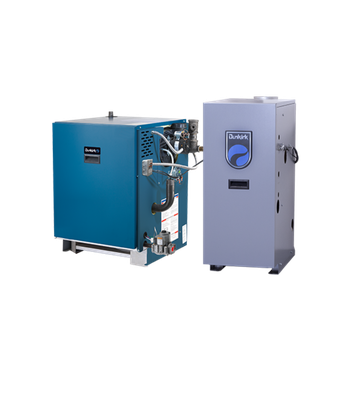
Boilers are one of the primary pieces of equipment used in hydronic heating systems. They heat the water that circulates through the building's piping and heating equipment.
Models vary by fuel type, heating capacity, venting requirements, controls and other specifications. Some boilers are used only for space heating, while combi boilers can provide space heating and domestic hot water from the same unit. Capabilities vary by model, so individual specifications should be reviewed before purchase.
Hydronic systems may also include circulators, expansion tanks, valves, controls and air-management components. These parts are selected based on the way the system is piped and operated, not simply by boiler size.
Buyers looking specifically for the main heating equipment can also browse our hydronic heating equipment category.
What to Check Before Buying Hydronic Heating Equipment
Before ordering a boiler or other major hydronic equipment, compare the product specifications with the requirements of the building and existing system.
- Heating capacity: Confirm the required BTU input and output for the application.
- Boiler type: Determine whether the project requires a heating-only boiler, combi boiler or another configuration.
- Fuel source: Make sure the equipment matches the available fuel supply.
- Venting: Check the venting requirements for the specific boiler model.
- Water temperature: Radiant floors, baseboard systems and other heat emitters may operate at different temperatures.
- Piping and circulation: The piping layout and circulators need to support the required water flow.
- Controls and zoning: Check compatibility with thermostats, zone valves, pumps and other system controls.
Boiler sizing should be based on the heating requirements of the building, not simply the capacity of the unit being removed. For replacement projects, a qualified HVAC or hydronic professional should confirm sizing and system compatibility before installation.
Choosing Equipment for an Existing Hydronic System
Replacing part of a hydronic system often requires more than matching the old equipment by size. Older systems may use different water temperatures, controls, venting arrangements or piping than newer equipment.
The type of heat distribution in the building is also important. Radiators, baseboard heat and radiant-floor systems do not all operate under the same conditions. A boiler that works well in one type of system may need different controls or operating settings in another.
If the project centers on replacing the boiler or other primary heating equipment, browse the dedicated hydronic heating equipment category. For valves, controls, pumps and other replacement components, Parts & Supplies may be the better place to start.
If you are unsure which equipment fits an existing installation, Public HVAC Solutions can help you review available equipment and product specifications.
Hydronic Heating Systems Shipped Across the U.S. and Canada
Public HVAC Solutions ships HVAC equipment across the United States and Canada for contractors, property owners, facility teams and other buyers.
Hydronic inventory changes as models and configurations become available or sell through. Individual product pages provide the most current information on availability, capacity, fuel type and other equipment specifications. Check those details carefully when comparing equipment for a replacement or new installation.
Hydronic Heating Systems FAQs
What is the difference between hydronic heating and forced-air heating?
Hydronic heating moves heat through water and piping. Forced-air systems heat air and distribute it through ductwork.
Hydronic systems commonly use radiators, baseboards or radiant-floor tubing to deliver heat into the building. Because the two systems use completely different distribution methods, equipment from one type of system generally cannot be substituted directly into the other.
Can an older boiler be replaced with a high-efficiency boiler?
In many cases, yes, but it is not always a direct swap. A contractor may need to review the existing piping, venting, controls, water temperatures and heat emitters before selecting a replacement.
Newer condensing boilers can have different operating and venting requirements than older conventional boilers. The heating load of the building should also be checked rather than assuming the new boiler should have the same capacity as the old one.
Do hydronic heating systems need regular maintenance?
Yes. Boilers and other hydronic components should be serviced according to the manufacturer's recommendations.
Maintenance can include inspecting the boiler, controls, pumps, system pressure, venting and other components. Problems such as air in the piping, circulation issues or improper pressure can also affect performance. The specific maintenance required depends on the boiler and the way the system is configured.
On Sale
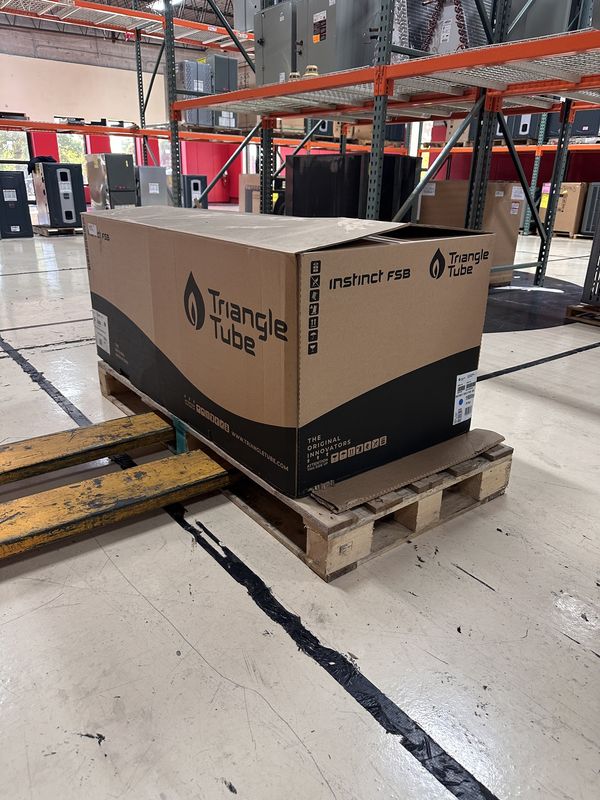
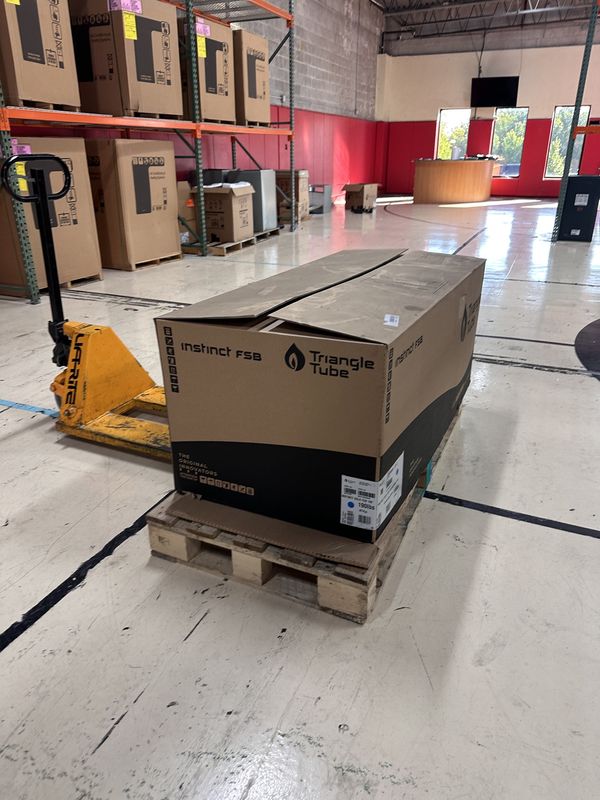
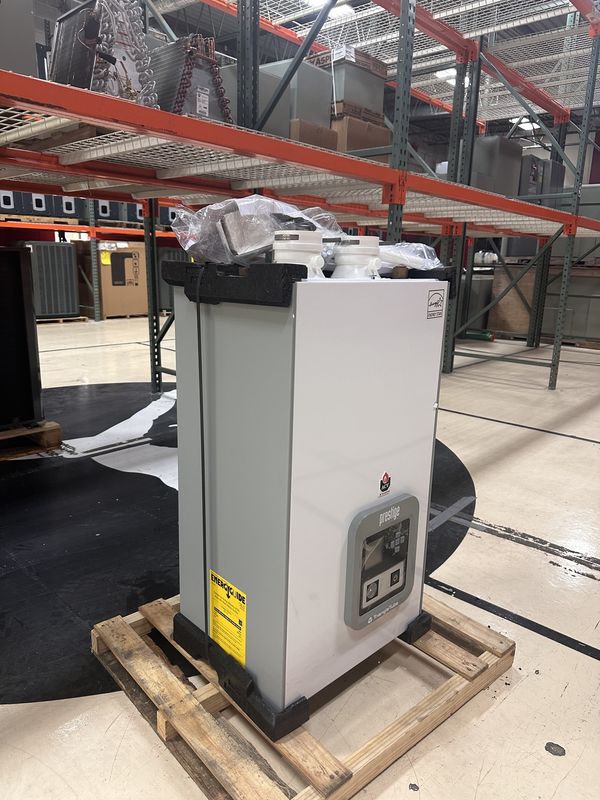
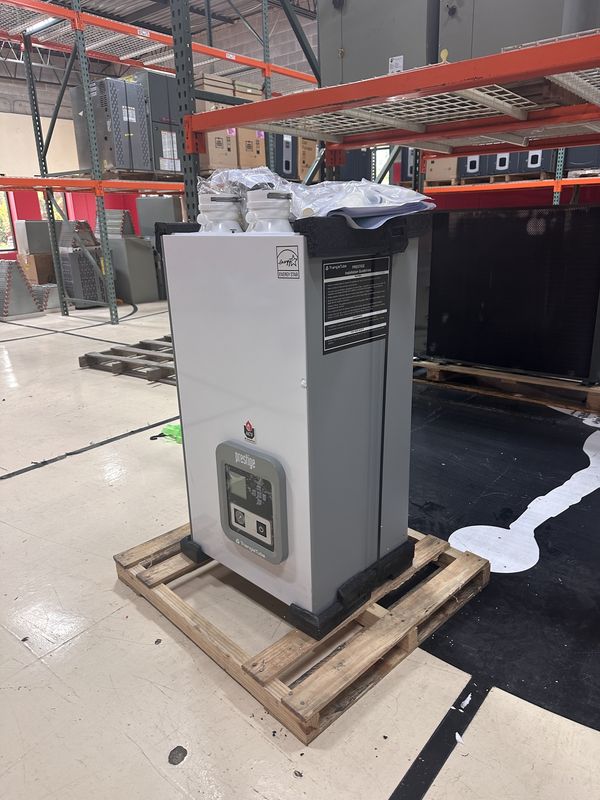
Triangle Tube 199K BTR HR - INSFS199S
Triangle Tube 199K BTR HR - INSFS199S
SKU PHS10188
was $5 450.00
Save 22%
$4 250.00