WE SHIP NATIONWIDE ACROSS THE UNITED STATES AND CANADA.
HVAC Transformers
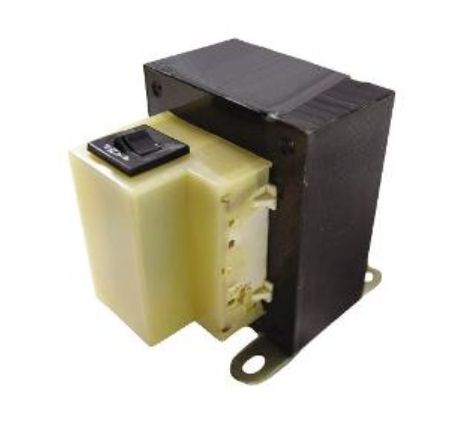
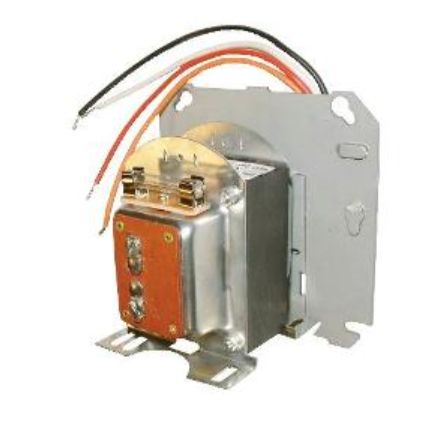
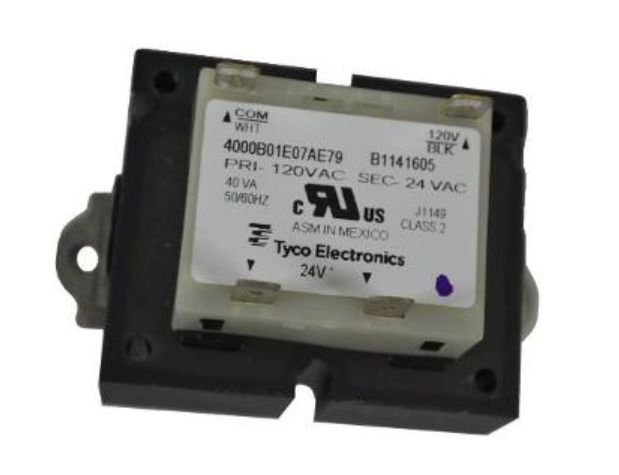
Shop HVAC transformers for replacement, repair, and HVAC control applications. Transformers supply the low-voltage power used by thermostats and other control components in many heating and cooling systems. Public HVAC Solutions carries transformers with different input voltages, output ratings, VA capacities, and mounting configurations. When replacing an existing transformer, compare the electrical specifications and installation requirements carefully rather than choosing a part based on appearance alone.
HVAC Control Transformers for Heating and Cooling Systems
HVAC control transformers reduce incoming electrical voltage to the lower voltage required by the system's control circuit. In many heating and cooling applications, that means supplying 24 VAC power to thermostats, control boards, relays, zoning equipment, and other low-voltage components.
Not every transformer is interchangeable. Input voltage, secondary voltage, volt-ampere capacity, wiring connections, and mounting style can vary from one model to another. Some transformers mount inside furnaces or air handlers, while others are used with separate controls or accessories.
The transformer also needs enough capacity for the components connected to it. Systems with multiple powered controls may place a greater load on the transformer than a simpler control circuit. Checking the existing part number, equipment documentation, and electrical specifications can make it easier to identify an appropriate replacement.
Understanding 24V HVAC Transformers
A 24V HVAC transformer is commonly used to power the low-voltage controls found in furnaces, air conditioners, heat pumps, and zoning systems. It converts the equipment's incoming electrical supply to the lower voltage required by the control circuit.
That circuit may power an HVAC thermostat along with other components such as control boards, relays, zone panels, or powered accessories.
Secondary voltage is only one part of the replacement decision. The transformer must also have the correct primary voltage, adequate VA capacity, suitable wiring connections, and an appropriate mounting configuration. Some HVAC systems use one transformer for the main control circuit, while others may use a separate transformer for zoning equipment or accessories.
What to Check Before Buying an HVAC Transformer
Start with the specifications of the transformer being replaced and the requirements of the equipment it serves. A transformer that looks similar may have very different electrical characteristics.
- Primary voltage: Confirm the incoming voltage the transformer is designed to accept.
- Secondary voltage: Verify the required low-voltage output, such as 24 VAC where specified.
- VA rating: Make sure the transformer has enough capacity for the connected control load.
- Mounting configuration: Compare the mounting method, physical dimensions, and available installation space.
- Wiring and terminals: Check the terminal layout and wiring arrangement against the original component and equipment documentation.
- Equipment application: Use the furnace, air handler, control panel, or other equipment information to confirm the required transformer specifications.
Two transformers are not necessarily compatible simply because both provide 24 volts. A different primary voltage, insufficient VA capacity, or the wrong wiring configuration can make a replacement unsuitable. When the required specifications are unclear, have the equipment and control circuit checked by a qualified HVAC professional.
Choosing a Replacement HVAC Transformer
Transformer replacement often starts with the original part number, equipment model, and wiring information. If the exact part is no longer available, compare the electrical requirements of the original transformer with the specifications of the replacement.
A furnace transformer serving a basic thermostat and control board may have different load requirements than a transformer powering a zoning panel and several connected devices. Added controls can increase the amount of VA capacity required even though the system still operates on a 24-volt control circuit.
It is also worth confirming that the transformer is actually the failed component. A blown fuse, damaged wiring, shorted control, or excessive electrical load can interrupt low-voltage power or damage a transformer. Finding the cause of the problem before replacing the part can help prevent the same issue from happening again.
Public HVAC Solutions also carries related HVAC controls and replacement parts for heating and cooling systems.
HVAC Transformers Shipped Across the United States and Canada
Public HVAC Solutions supplies HVAC parts and equipment to contractors, technicians, property owners, and other buyers across the United States and Canada.
Inventory and individual transformer specifications can change, so review each product listing before ordering to confirm voltage, VA rating, mounting, wiring, and other model-specific details. For current fulfillment information, review the Shipping & Payment Information page.
If you need help narrowing down the options, contact Public HVAC Solutions with the equipment model number, existing transformer information, and available electrical specifications.
HVAC Transformers FAQs
How do I know if my HVAC transformer is bad?
A failed HVAC transformer can cause the thermostat or other low-voltage controls to lose power, but those symptoms can have other causes. A blown fuse, damaged wiring, shorted component, or control-board problem may produce similar results.
Testing usually involves confirming that the transformer is receiving the correct incoming voltage and checking its low-voltage output with appropriate electrical test equipment. Because HVAC equipment contains both line-voltage and low-voltage wiring, electrical troubleshooting should be handled by someone qualified to work safely on the system.
Can I replace a 40 VA HVAC transformer with a higher-VA transformer?
Do not choose a replacement based on VA rating alone. The primary voltage, secondary voltage, wiring, mounting configuration, and equipment requirements still need to match the application.
VA represents the transformer's available load capacity. Systems with zoning equipment, multiple controls, or powered accessories may require more capacity than a simple control circuit. Before changing the VA rating, verify the manufacturer's requirements and the load connected to the transformer.
Why do HVAC systems use 24-volt transformers?
Many HVAC systems use a 24 VAC control circuit to operate thermostats and other low-voltage controls. The transformer steps the equipment's incoming voltage down to the level required by that circuit.
The same transformer may supply power to a thermostat, control board, relay, zone panel, or other connected component. The amount of power required varies by system, so transformer capacity still needs to match the controls and accessories it serves.