WE SHIP NATIONWIDE ACROSS THE UNITED STATES AND CANADA.
HVAC Fans and Ventilation
Public HVAC Solutions carries HVAC fans and ventilation products for residential and commercial heating and cooling systems. Shop products for air movement, ductwork, venting, air cleaning, humidity control, and related HVAC applications. Equipment and components vary by airflow, dimensions, electrical requirements, mounting style, duct connections, and system compatibility. Browse the available categories and products to find parts for repairs, replacements, new installations, and ventilation upgrades.
HVAC Ventilation Products for Airflow and Air Quality
Ventilation equipment handles several different jobs within an HVAC system. Some products move air through ductwork, others remove air from a space, and some support filtration or humidity control.
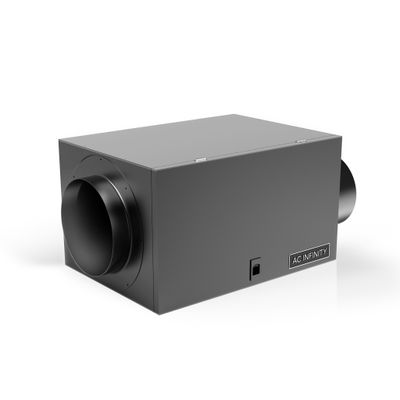
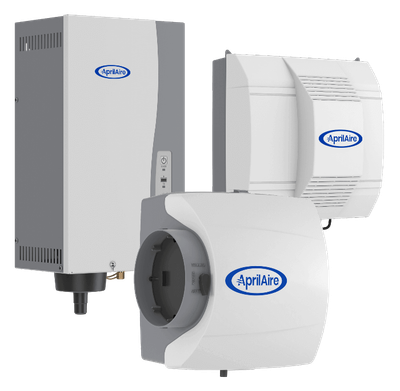
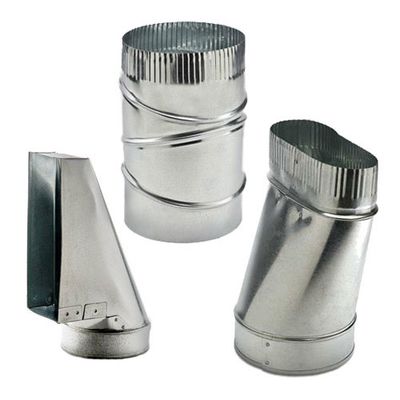
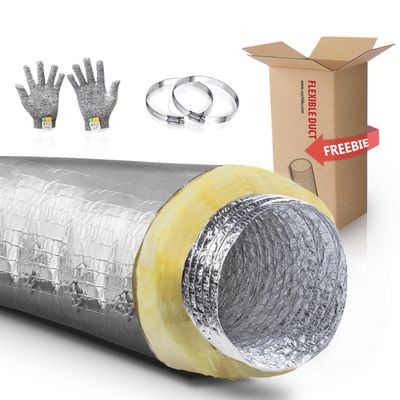
That means products within this category are not necessarily interchangeable or intended for the same purpose. Public HVAC Solutions organizes ventilation equipment into more specific categories so buyers can narrow their search based on the job at hand. These include air cleaners, humidity-control equipment, duct and venting materials, and duct insulation and accessories.
For replacement work, it is usually best to start with the existing equipment or component specifications. New installations may require a closer look at airflow requirements, duct layout, equipment location, and the way air needs to move through the building.
Fans, Ductwork and Indoor Air Quality Components
HVAC ventilation is made up of more than fans alone. Air movement can involve ductwork, vents, controls, filtration products, humidity equipment, and accessories that support the overall system.
Duct and venting materials create the path for supply, return, or exhaust air. Duct insulation and accessories may also be needed depending on the installation. Air cleaners help address airborne particles, while humidifiers and dehumidifiers are used to manage indoor humidity.
Controls also play an important role. Fan controls and related electrical components may regulate when equipment runs or how it operates. When replacing a control, confirm that it is compatible with the fan, motor, and HVAC equipment it is intended to serve.
What to Check Before Buying HVAC Fans and Ventilation Products
Start by identifying exactly what the component needs to do and where it fits into the system. Then compare the product specifications with the existing equipment, project plans, or manufacturer information.
- Airflow requirements: Check the required CFM when airflow is a listed specification.
- Application: Confirm whether the product is used for supply air, return air, exhaust, filtration, humidity control, or another function.
- Dimensions and connections: Compare overall size, duct dimensions, collars, mounting locations, and connection points.
- Electrical requirements: For powered equipment, verify voltage, wiring, motor, and control requirements.
- Duct compatibility: Make sure materials and accessories work with the existing duct system and installation.
- Control compatibility: Replacement controls should match the equipment and operating requirements.
- Installation location: Check whether the product is intended for indoor, outdoor, ceiling, wall, duct-mounted, or equipment-mounted use.
A matching size or electrical rating does not automatically mean a replacement component will work with the existing system. Model information and manufacturer specifications should be checked before ordering. When compatibility is unclear, have an HVAC professional confirm the replacement.
Choosing the Right Ventilation Products for Your HVAC System
The easiest way to narrow down the options is to start with the problem you are trying to solve. Replacing damaged ductwork is very different from correcting a humidity issue, replacing a fan control, or adding an exhaust component.
For work involving the air-distribution system, browse duct and venting materials. Filtration projects may require air-cleaning equipment, while moisture problems may point toward a humidifier or dehumidifier. If the problem involves how a fan starts, stops, or operates, a compatible control may be the part that needs replacement rather than the fan itself.
Airflow problems can also have more than one cause. Before replacing equipment, make sure the issue has been traced to the correct component, especially when working with an existing HVAC system.
HVAC Fans and Ventilation Products Shipped Nationwide
Public HVAC Solutions ships HVAC products throughout the United States and Canada. Inventory changes regularly, so individual product listings should be checked for current specifications, pricing, and availability.
Shipping methods depend on the product and destination. Smaller components may ship differently than larger HVAC equipment that requires freight service. Review the shipping and payment information for additional details, including freight delivery and inspection instructions.
Contractors, technicians, property owners, facility teams, and other HVAC buyers can shop available ventilation products online or contact Public HVAC Solutions for help identifying a replacement component.
HVAC Fans and Ventilation FAQs
What is the difference between an HVAC fan and a ventilation fan?
An HVAC fan is a broad term for a fan used within a heating, cooling, or air-distribution system. Depending on the equipment, it may circulate conditioned air, move return air, exhaust air, or perform another system-specific function. A ventilation fan is generally used to move air into or out of a particular space.
The terms can overlap, so the intended application matters more than the name alone. Check airflow, mounting style, duct connections, electrical requirements, controls, and equipment compatibility before selecting a replacement.
How do I know what CFM I need for a ventilation fan?
CFM, or cubic feet per minute, measures the volume of air a fan moves. The correct airflow depends on the application, the space being served, the duct system, and the job the fan is expected to perform.
There is no single CFM rating that works for every ventilation project. Bathroom exhaust, ducted HVAC systems, commercial ventilation, and equipment-mounted fans all have different requirements. When replacing an existing fan, start with the original equipment specifications rather than choosing a higher or lower CFM rating based on airflow alone.
Can I replace an HVAC fan or ventilation component with one that has similar specifications?
Not always. Matching CFM, voltage, dimensions, or another individual specification does not confirm that two components are interchangeable. Fans and ventilation products may also differ in motor characteristics, mounting style, controls, rotation, duct connections, clearances, and equipment-specific requirements.
For equipment-mounted or OEM components, use the model number and manufacturer information when looking for a replacement. If a direct replacement cannot be confirmed, an HVAC technician can determine whether another component is suitable for the system.