WE SHIP NATIONWIDE ACROSS THE UNITED STATES AND CANADA.
Furnace Ignition Controls
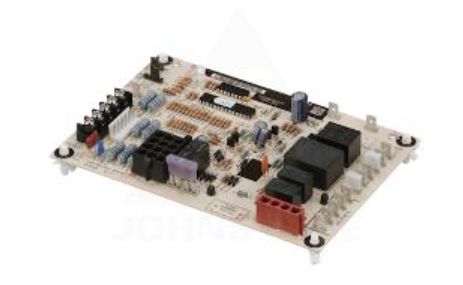
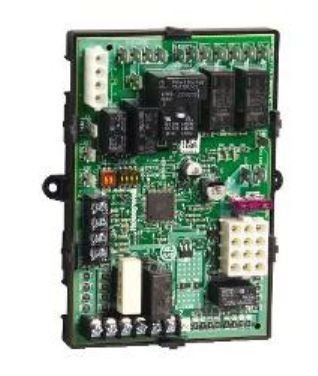
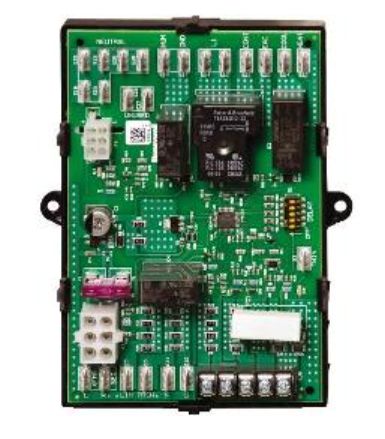
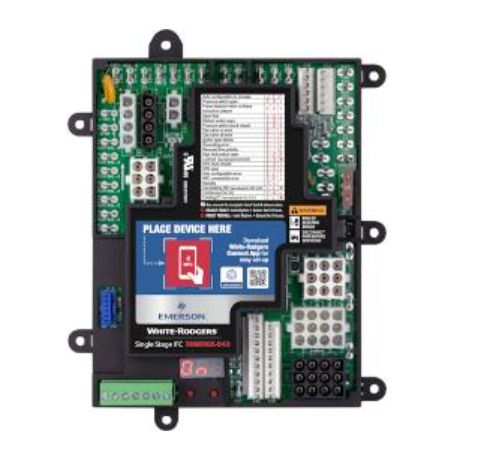
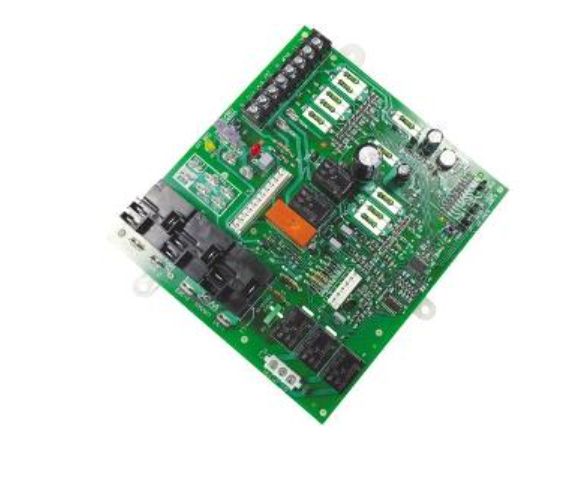
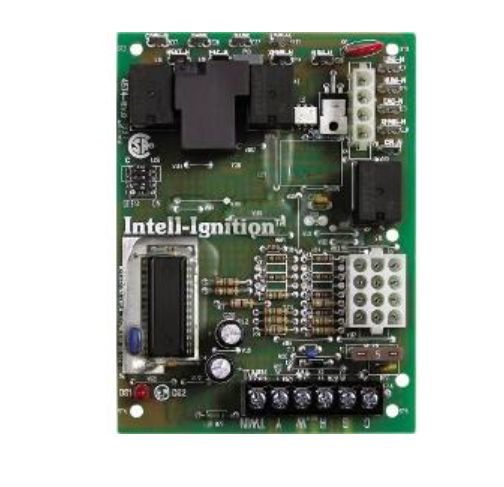
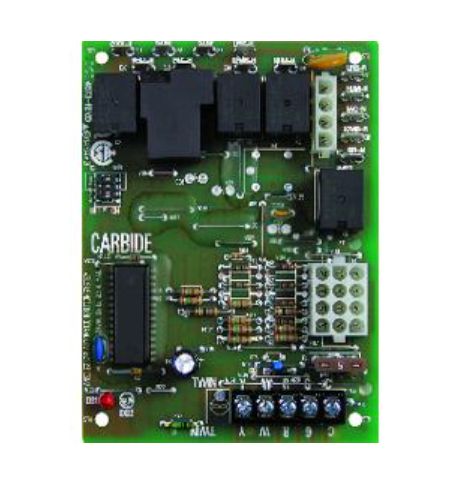
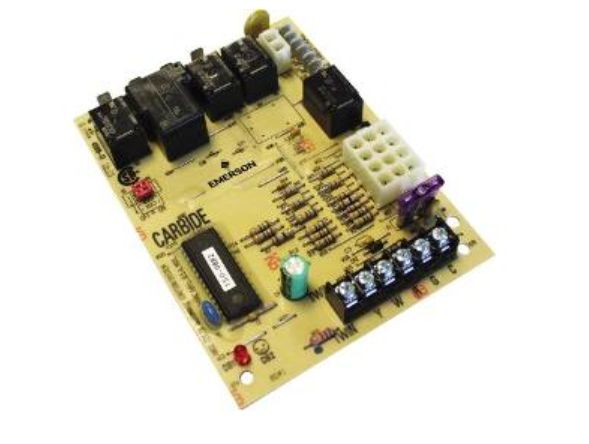
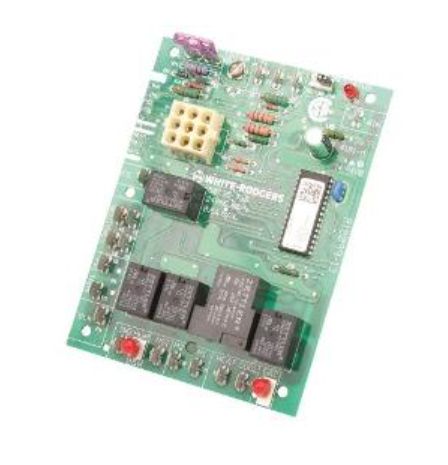
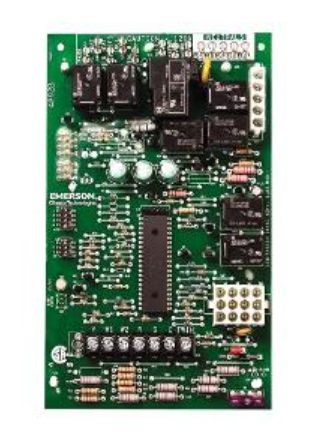
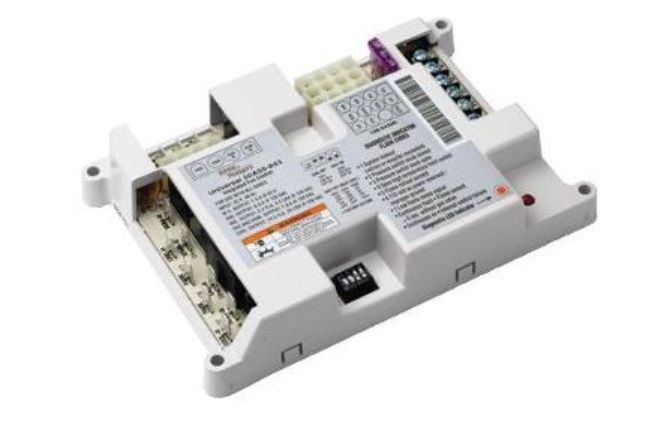
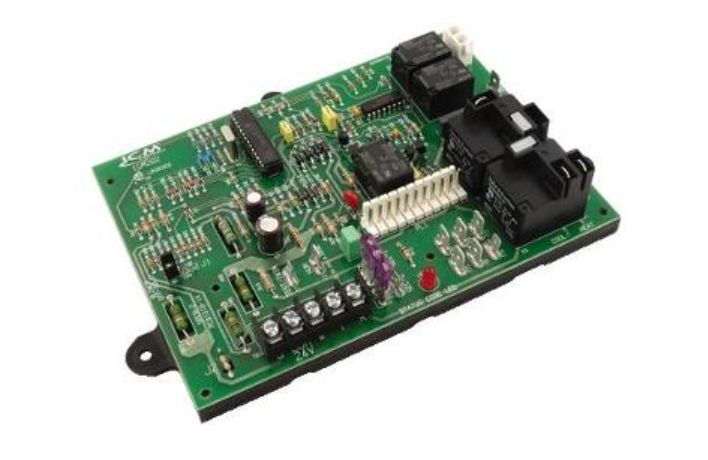
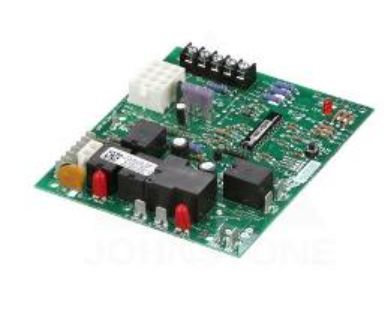
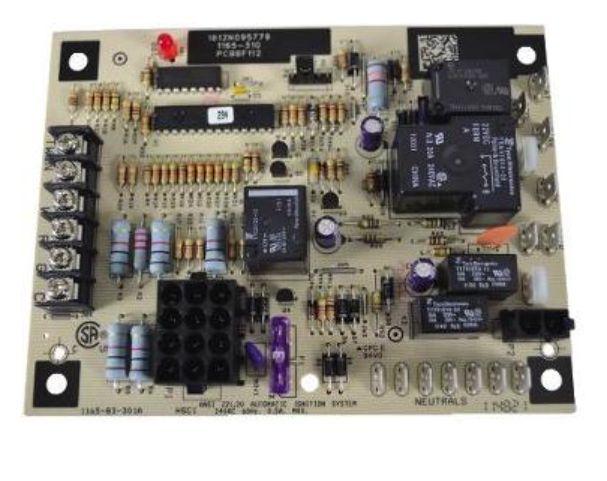
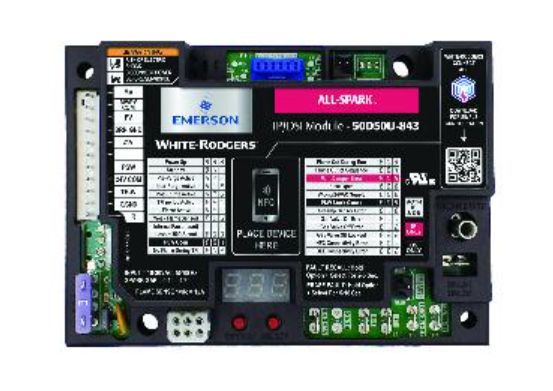
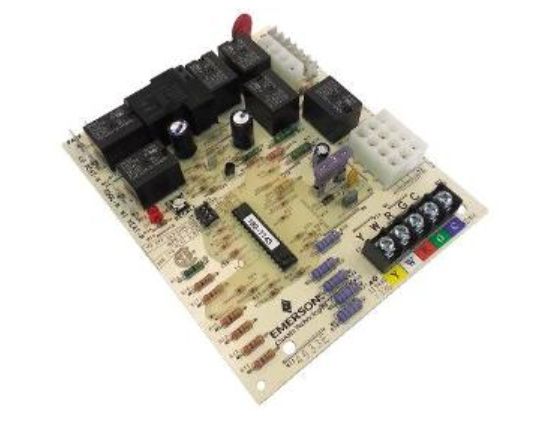
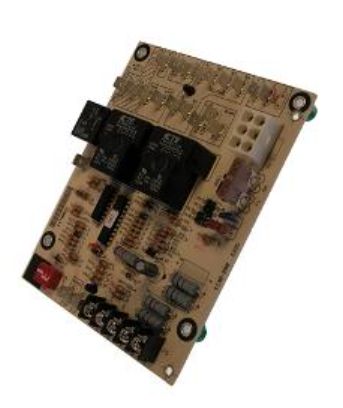
Shop furnace ignition controls for gas furnace repair and replacement projects at Public HVAC Solutions. This category includes furnace control boards, hot surface ignition controls, ignition modules, integrated furnace controls, and OEM or universal replacement options. Controls are available for different furnace brands, ignition types, electrical requirements, and operating configurations. Before ordering, compare the existing control number, furnace model, wiring requirements, and manufacturer replacement information to confirm compatibility.
Furnace Ignition Controls for Gas Heating Systems
Furnace ignition controls manage key parts of the heating sequence in a gas furnace. Depending on the control, that can include starting the ignition process, proving flame, responding to the thermostat, operating the inducer, controlling the circulating blower, and monitoring furnace safety circuits.
Some furnaces use a dedicated ignition module, while others use an integrated furnace control board that handles several furnace functions from a single board. The ignition method also matters. Controls may be built for hot surface ignition, intermittent pilot, direct spark, or another manufacturer-specific setup.
Identifying the type of control already installed is one of the most important steps when selecting a replacement.
Furnace Control Boards and Ignition Modules
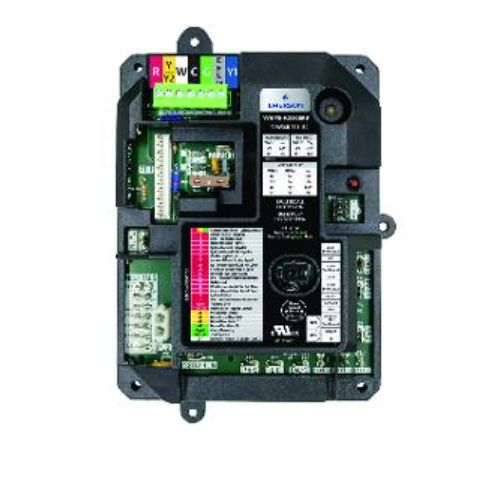
A furnace control board acts as the electronic control center for many modern gas furnaces. An integrated furnace control can coordinate the sequence that begins with a thermostat call for heat and continues through inducer operation, ignition, flame proving, and blower operation.
Other systems use a separate ignition module alongside additional furnace controls. That difference is important because an integrated control board and a stand-alone ignition module do not necessarily perform the same job.
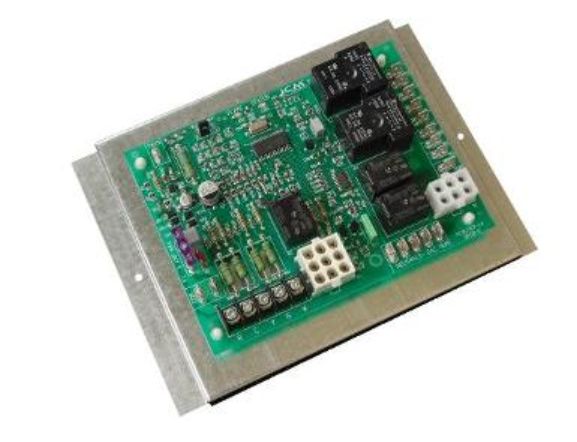
Public HVAC Solutions carries furnace ignition controls from manufacturers such as Honeywell, White-Rodgers, and ICM, along with OEM replacement controls for specific furnace brands. Universal controls can replace multiple original control numbers, but the approved application and setup still need to match the furnace.
What to Check Before Buying a Furnace Ignition Control
Furnace controls should be matched to the equipment and the function of the original part, not selected by appearance alone. Before ordering, check:
- Original control number: Use the number from the existing board or module as the starting point for replacement research.
- Furnace make and model: Confirm that the control is approved for the specific furnace or equipment family.
- Ignition type: Determine whether the furnace uses hot surface ignition, intermittent pilot, direct spark, or another ignition setup.
- Control type: Check whether the existing part is an integrated furnace control or a separate ignition module.
- Electrical requirements: Compare voltage, thermostat connections, ignitor requirements, motor outputs, and other electrical specifications.
- Heating stages and blower setup: Single-stage, two-stage, PSC, ECM, and variable-speed systems can require different controls.
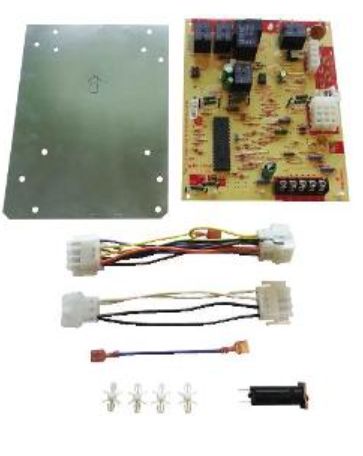
- Connections and accessories: Review harnesses, terminals, mounting points, and any adapters or accessories required for installation.
A control that looks similar is not automatically a direct replacement. Manufacturer cross-reference information and furnace service documentation should be used to verify the correct part.
OEM and Universal Furnace Ignition Controls
OEM furnace control boards are typically made for specific equipment families or furnace models. They are often the most straightforward choice when the original manufacturer part number or an approved replacement number is known.
Universal furnace ignition controls are built to replace multiple OEM control numbers. They can be useful when an original board has been discontinued or when one replacement control is approved for several applications. Universal does not mean interchangeable with every furnace. Ignition method, staging, blower motor type, voltage, wiring, safety inputs, and configuration still need to match.
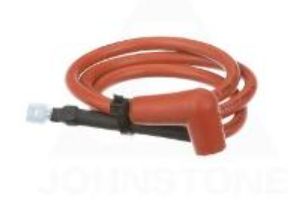
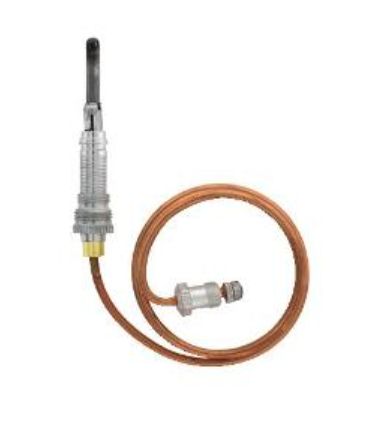
If testing shows that the problem is with the actual ignition component instead of the control board, a replacement furnace ignitor may be the part you need. Flame-proving problems can also involve a separate flame sensor. Correct diagnosis helps avoid replacing an expensive control when another component is causing the problem.
Furnace Ignition Controls Shipped Across the U.S. and Canada
Public HVAC Solutions ships HVACR parts across the United States and Canada. Furnace ignition control inventory can change as OEM boards, universal controls, and individual models become available.
Check each product listing for the current model number, manufacturer information, pricing, and available specifications. Contractors, HVAC technicians, property owners, and other buyers can also contact Public HVAC Solutions for help identifying the appropriate control for a furnace repair or replacement project.
Furnace Ignition Controls FAQs
What is the difference between a furnace ignitor and an ignition control?
The ignitor is the component that produces the heat or spark used to begin burner ignition. The ignition control or furnace control board manages the electrical sequence that tells the ignition components when to operate.
In a hot surface ignition furnace, for example, the control energizes the ignitor and then operates the gas valve at the proper point in the sequence. An integrated furnace control may also monitor the flame signal, pressure switches, limit circuits, inducer, and blower. The ignitor and ignition control perform different jobs and are not interchangeable.
Can a universal furnace control board replace an OEM control?
Yes, in some applications. Universal furnace control boards are designed to replace multiple OEM control numbers, but the specific furnace still needs to be listed as a compatible application.
Compare the manufacturer's cross-reference information along with ignition type, voltage, heating stages, blower motor configuration, thermostat terminals, safety circuits, mounting, and wiring requirements. Some universal controls also require setup changes or included wiring harnesses during installation. Do not rely on connector location or board dimensions alone when determining compatibility.
How do I know if the furnace ignition control is bad?
A furnace that does not ignite does not automatically have a bad control board. Similar symptoms can be caused by a failed ignitor, dirty or damaged flame sensor, pressure switch problem, gas valve issue, thermostat signal, limit circuit, wiring problem, or loss of power.
Many modern furnace control boards use indicator lights or fault codes to show where the operating sequence stopped. Diagnosis should follow the furnace manufacturer's service information. Because the ignition control is connected to gas and electrical safety circuits, testing and replacement are generally best handled by a qualified HVAC professional.