WE SHIP NATIONWIDE ACROSS THE UNITED STATES AND CANADA.
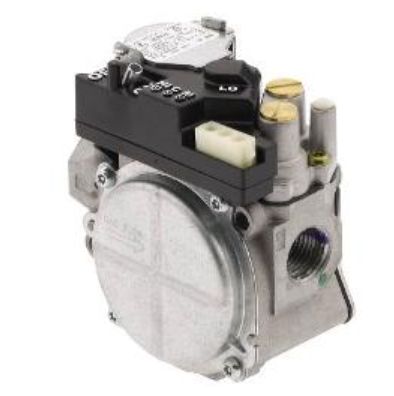
Furnace Gas Valves
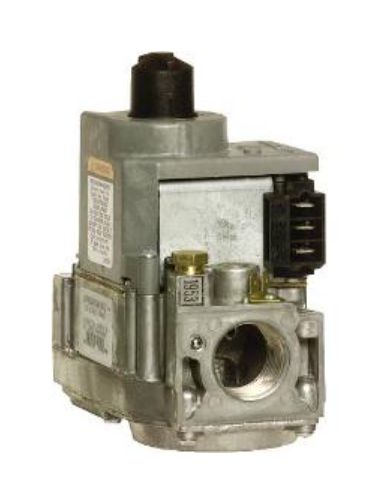
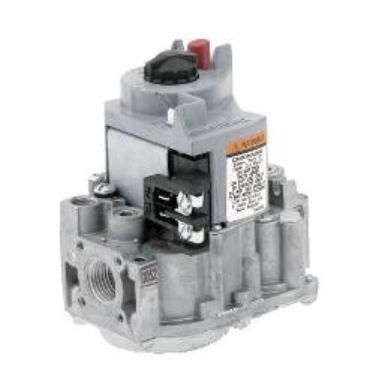
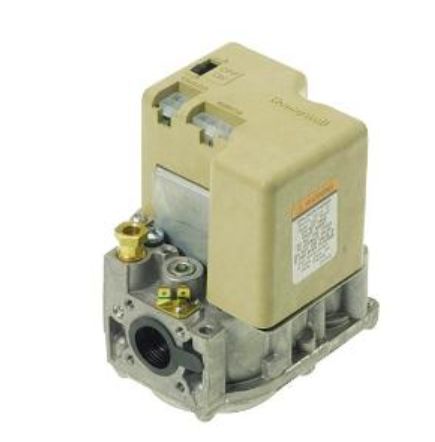
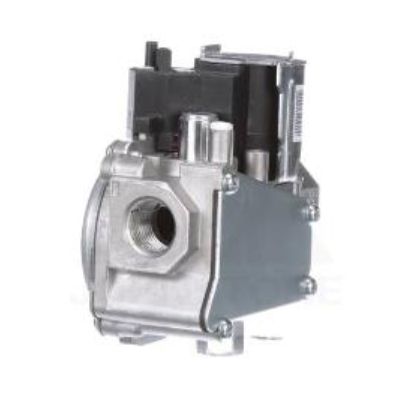
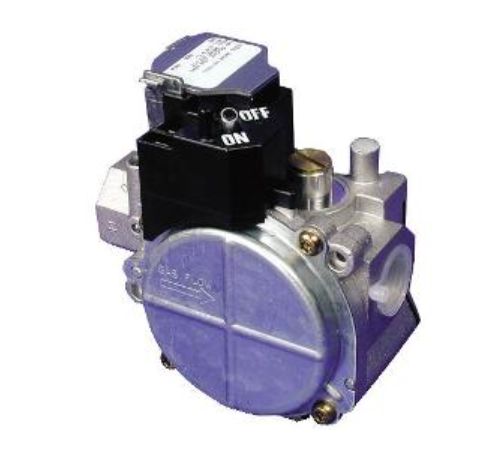
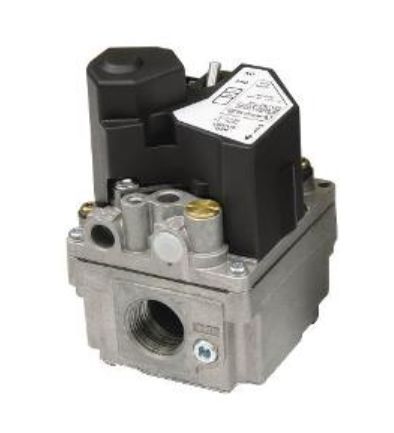
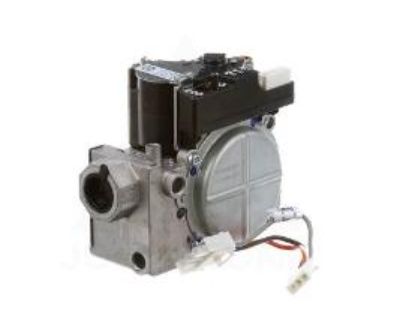
Shop furnace gas valves for repair and replacement applications at Public HVAC Solutions. Gas valves are available in different control types, connection sizes, voltages, opening characteristics, capacities, and configurations for compatible gas-fired heating equipment. Options may include single-stage and two-stage controls, along with valves made for different ignition systems. Because these components are application-specific, compare the replacement valve specifications with the furnace and existing control before ordering.
Furnace Gas Valves for Heating System Repair
The gas valve controls fuel flow to the furnace burners. It works with the furnace's electrical controls and ignition system, opening when the heating sequence calls for burner operation and closing when the cycle ends or the control system calls for shutdown.
Replacement valves can look similar while having very different operating requirements. Gas type, voltage, inlet and outlet size, staging, pressure settings, opening characteristics, and ignition application can all affect whether a valve is suitable for a particular furnace.
Some furnace gas valves are direct service replacements, while others are universal controls that can replace several compatible models. "Universal" does not mean a valve works with every furnace. The specifications and approved replacement information still need to match the application.
Gas Control Valve Types and Applications
Furnace gas control valves are used with several burner and ignition arrangements. Depending on the equipment, a valve may work with a standing pilot, intermittent pilot, direct spark ignition, hot surface ignition, or another manufacturer-specified control sequence.
Single-stage gas valves provide one firing level when energized. Two-stage valves are used with compatible furnaces that operate at separate low- and high-fire levels. Opening characteristics can differ as well, with manufacturers specifying standard-opening, slow-opening, step-opening, or other valve operation for particular equipment.
Public HVAC Solutions carries gas controls from brands represented throughout its HVAC parts inventory, including Resideo and Honeywell products. Inventory changes over time, so the furnace model number and valve specifications are generally more useful for selecting a replacement than brand alone.
What to Check Before Buying a Furnace Gas Valve
A furnace gas valve should be matched to the complete application, not selected by appearance or pipe size alone. Before ordering, compare the existing valve, furnace documentation, and proposed replacement.
- Furnace make and model: Use the equipment model number to identify the specified control or an approved replacement.
- Gas type: Confirm whether the application uses natural gas or LP and whether conversion is permitted for the specific valve.
- Electrical rating: Check the required control voltage and wiring configuration.
- Valve staging: Determine whether the furnace uses a single-stage or two-stage gas control.
- Inlet and outlet connections: Verify the pipe connection size and valve body arrangement.
- Opening characteristics: Match standard, slow, step, or other specified opening behavior.
- Ignition system: Confirm compatibility with the furnace's pilot, hot surface ignition, direct spark, or other control system.
- Pressure and capacity ratings: Compare the manufacturer's operating requirements with the replacement valve.
Two valves are not necessarily interchangeable just because the voltage or connection size matches. Gas controls affect fuel delivery and combustion, so final part selection and installation should be confirmed by a qualified HVAC professional familiar with the equipment.
Choosing the Correct Replacement Furnace Gas Valve
The model number on the existing valve is usually the best place to start, along with the furnace model and manufacturer service information. On older equipment, the original gas valve may have been discontinued and replaced by a newer service part or an approved universal control.
A replacement part can carry a different model number and still be correct for the furnace, but the important operating characteristics still have to match. That is why cross-reference information and equipment documentation matter when an exact part number is no longer available.
If a furnace is not firing, the gas valve is also not automatically the problem. Other parts in the burner sequence, including ignition controls, flame sensors, and air pressure switches, can affect furnace operation and should be considered during diagnosis.
If the furnace itself is due for replacement rather than repair, browse available residential gas furnaces instead of trying to adapt a gas control that was not made for the existing equipment.
Furnace Gas Valves Shipped Nationwide
Public HVAC Solutions ships HVAC equipment, parts, and supplies throughout the United States and Canada. Furnace gas valve inventory can vary by model and application, so review individual product listings for current specifications, pricing, and availability.
Contractors, technicians, property owners, and other buyers can compare available gas controls online and use furnace and valve model information to narrow the options. If you need additional product information before ordering, contact Public HVAC Solutions for assistance.
Furnace Gas Valves FAQs
Can I replace a furnace gas valve with a universal gas valve?
Sometimes. A universal gas valve is made to replace a specific group of compatible controls, not every valve used in every furnace. Voltage, gas type, pipe connections, opening characteristics, pressure requirements, staging, ignition configuration, and capacity still need to match the application. When the original valve has been discontinued or superseded, check manufacturer cross-reference information to identify the approved replacement rather than choosing a valve based on appearance alone.
How can I tell if a furnace gas valve is single-stage or two-stage?
Check the valve model number and the furnace specifications. A single-stage furnace normally uses a valve that provides one firing level, while a two-stage furnace uses a compatible valve that can operate at low and high fire. The control board, wiring, burner setup, and gas valve all need to work together as intended. If the markings on an older valve are difficult to read, the furnace model number can help identify the correct replacement information.
Does a furnace that will not ignite always need a new gas valve?
No. A no-heat or no-ignition condition can involve several parts of the furnace operating sequence. The issue may be related to the ignition control, pressure switch, flame-sensing circuit, wiring, safety controls, gas supply, or another component. Proper troubleshooting should determine whether the valve is receiving the correct control signal and whether the rest of the ignition sequence is operating normally before the gas valve is replaced.