WE SHIP NATIONWIDE ACROSS THE UNITED STATES AND CANADA.
Commercial HVAC Systems
Shop commercial HVAC systems for replacement projects, equipment upgrades, and new installations at Public HVAC Solutions. Available equipment includes packaged rooftop units, split-system equipment, and other heating and cooling options for commercial buildings. Models vary by capacity, electrical requirements, heating configuration, refrigerant, efficiency, and installation requirements. Browse available equipment and current pricing online, or contact Public HVAC Solutions if you need help narrowing down options for a specific project.
Commercial HVAC Equipment for Different Building Applications
Commercial buildings do not all use HVAC equipment the same way. An office, retail space, warehouse, multifamily property, or mixed-use building may have very different heating, cooling, ventilation, and zoning needs.
Some properties rely on packaged equipment that combines major system components in one cabinet. Others use split systems with separate indoor and outdoor equipment. Existing ductwork, electrical service, heating requirements, building controls, roof configuration, and the equipment already in place can all affect which type of system fits the project.
Public HVAC Solutions carries commercial HVAC equipment in a range of capacities and configurations. Because inventory changes, individual product listings should be used to confirm current specifications, pricing, and availability.
Packaged and Rooftop Commercial HVAC Systems
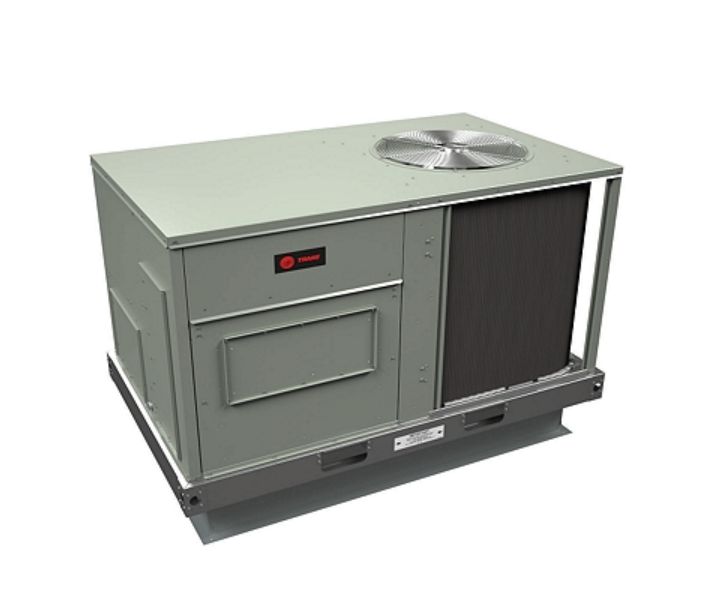
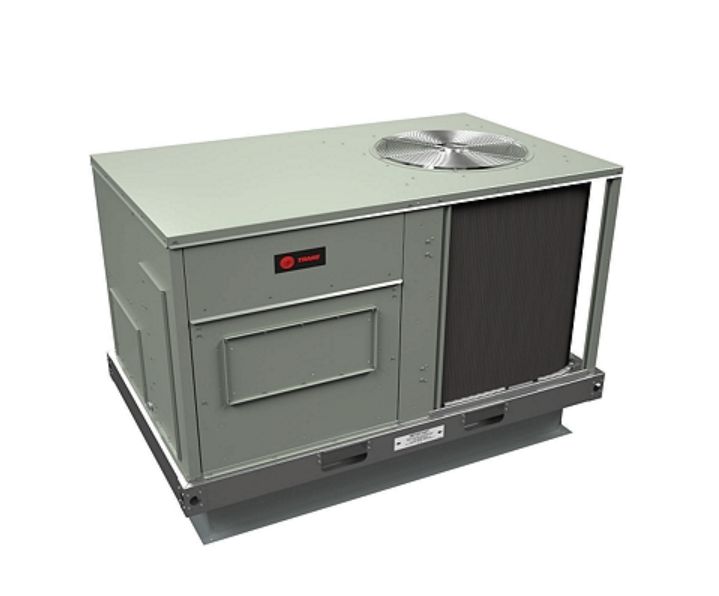
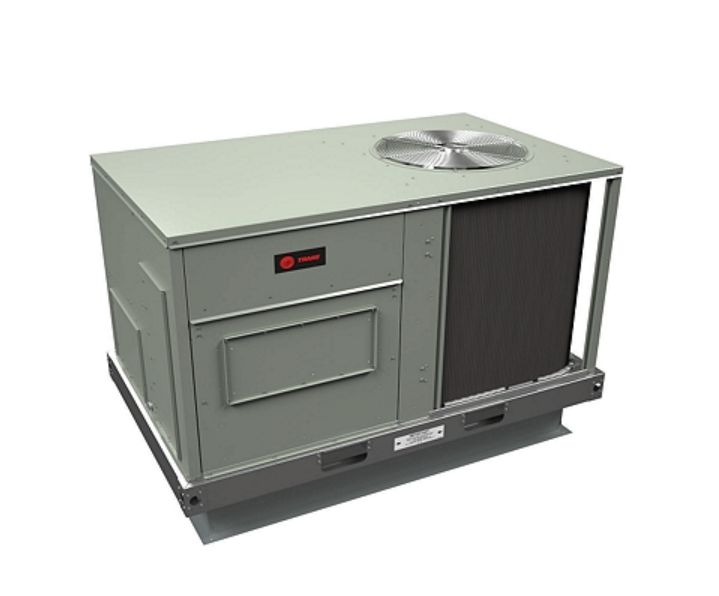
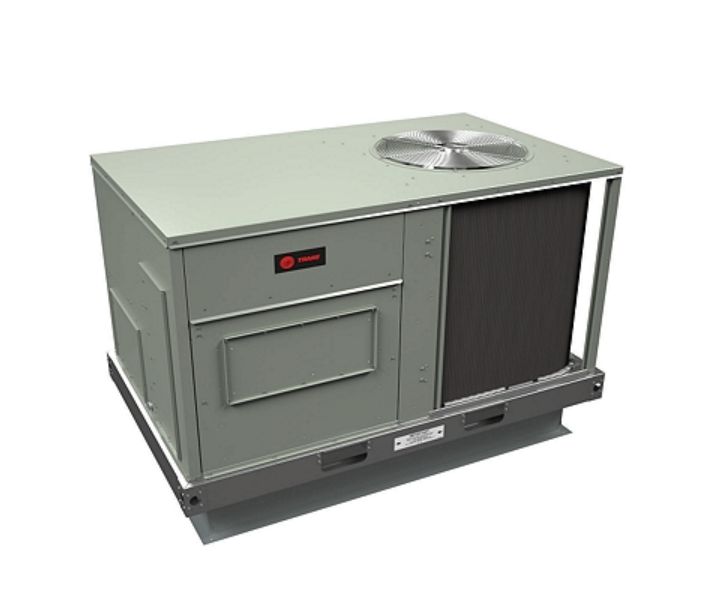
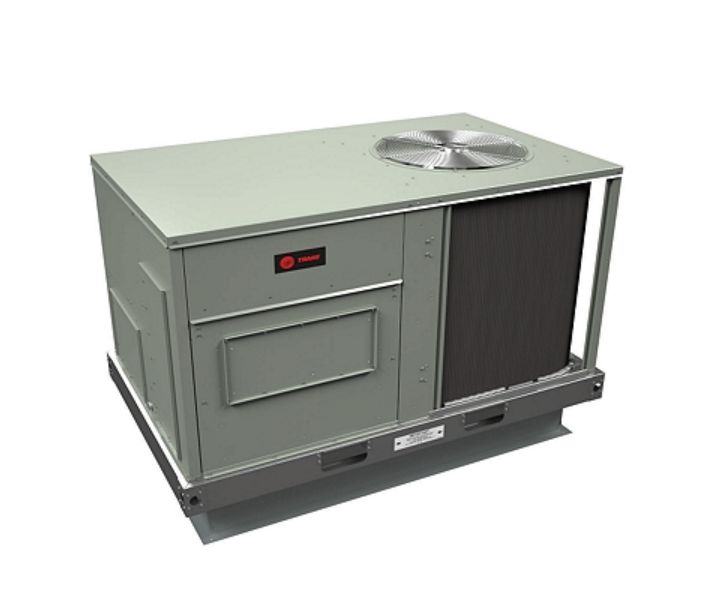
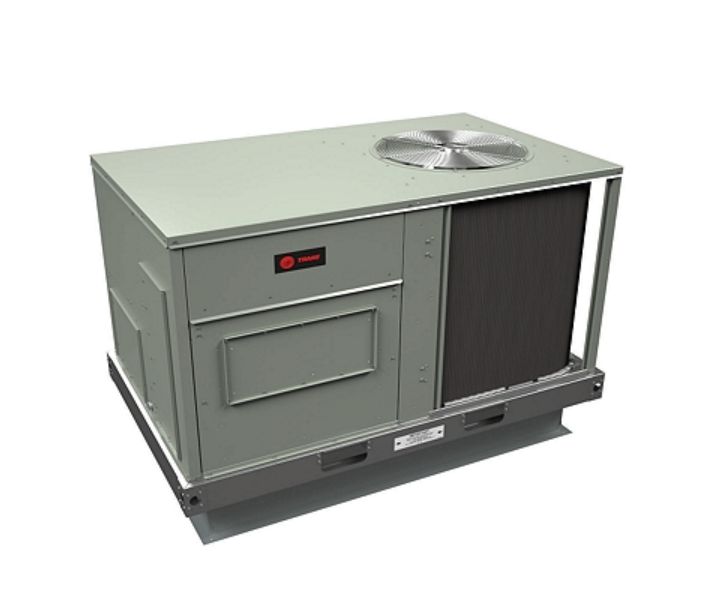
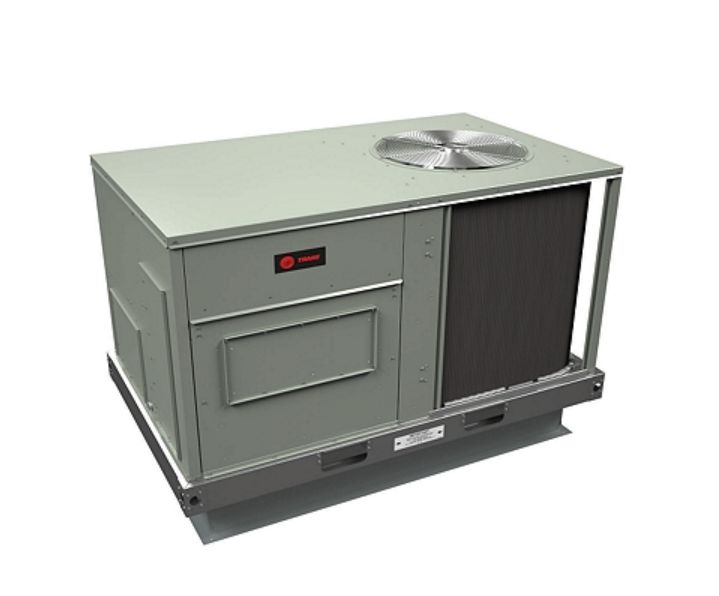
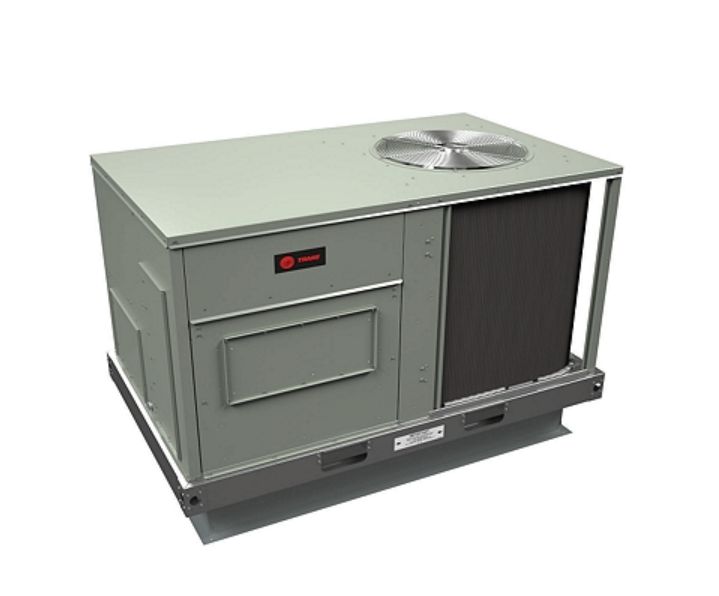
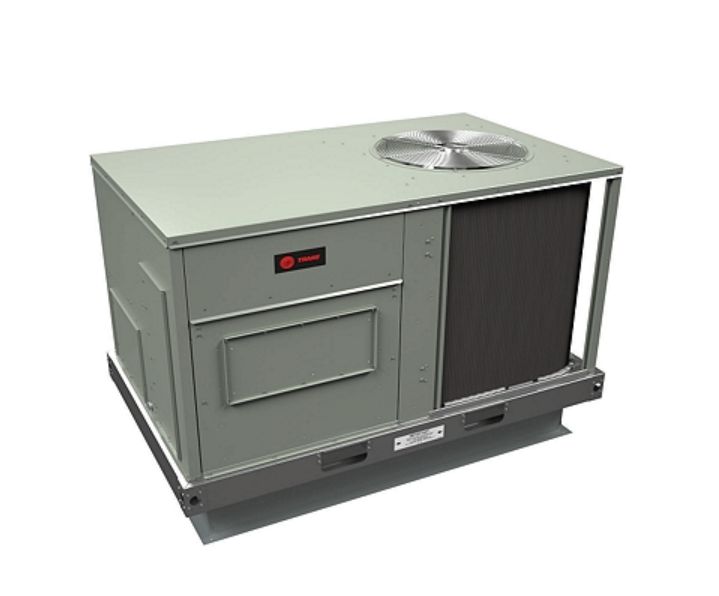
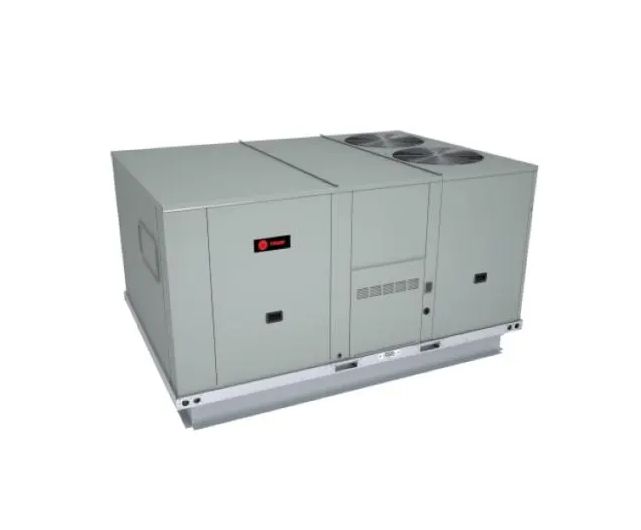
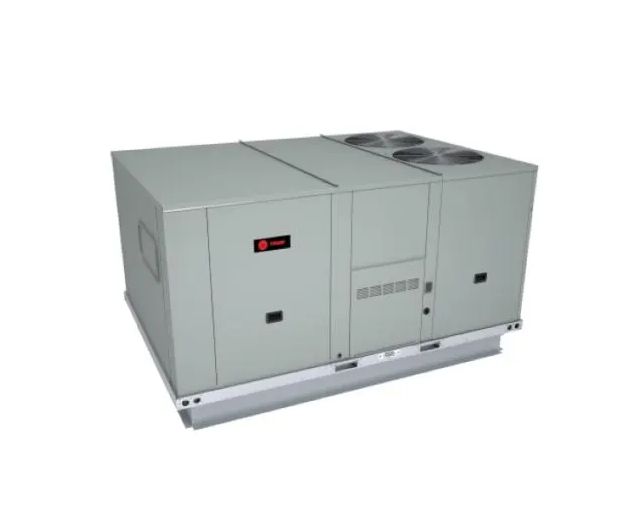
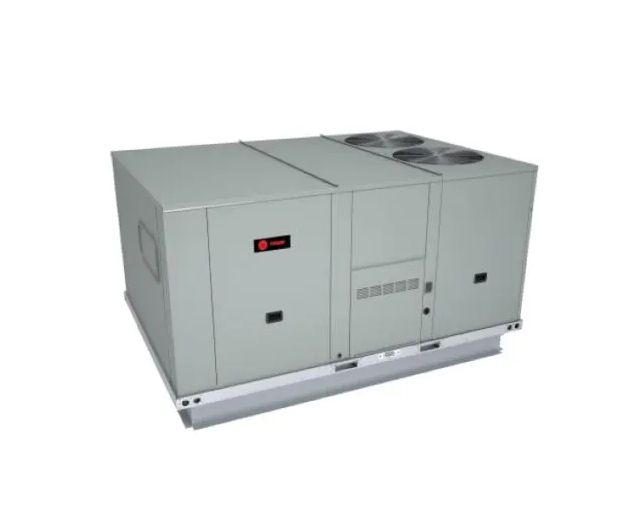
Packaged rooftop units are widely used in commercial buildings because heating, cooling, air movement, and ventilation components can be housed together in one outdoor cabinet. These systems are often called rooftop units or RTUs.
Available commercial packaged equipment may differ considerably from one model to another. Tonnage, voltage, electrical phase, heating configuration, refrigerant, airflow arrangement, efficiency ratings, controls, and accessories all need to match the project.
Rooftop equipment is not the only option. Some buildings are set up for split-system equipment or other configurations. On replacement jobs, matching nominal tonnage alone is not enough. The new equipment also needs to work with the building's electrical service, duct system, controls, physical layout, and installation conditions.
What to Check Before Buying a Commercial HVAC System
Two units with similar capacities can still have major differences that affect installation. Before ordering, compare the project requirements with the manufacturer's specifications for the exact model being considered.
- Cooling capacity and tonnage: Confirm the required capacity based on the building load and system design.
- Voltage and phase: Verify that the equipment matches the electrical service available at the property.
- Heating configuration: Check the heating type and output when the unit provides both heating and cooling.
- Refrigerant: Confirm the refrigerant used by the equipment and any related installation requirements.
- Airflow and duct arrangement: Review supply and return locations, airflow orientation, and duct connections.
- Cabinet and curb dimensions: For rooftop replacements, compare the existing footprint, curb, and roof opening with the replacement unit.
- Controls and accessories: Thermostats, sensors, economizers, and building controls are not automatically compatible across models.
- Efficiency ratings: Compare the efficiency specifications that apply to the equipment and application.
A qualified commercial HVAC professional should confirm sizing, electrical requirements, installation conditions, and equipment compatibility before the unit is ordered.
Choosing Equipment for an Existing Commercial Building
Existing conditions usually narrow the equipment choices quickly. A building already designed around rooftop units may be well suited for another packaged system. A property with separate indoor and outdoor components may need a split-system replacement instead.
Many commercial buildings also use multiple systems to serve separate tenants, floors, or zones. In those cases, equipment selection needs to account for how each area is used, when it is occupied, and how the existing system distributes heating and cooling.
For a replacement project, start with the nameplate information from the existing equipment. Record the manufacturer, model number, capacity, voltage, phase, heating configuration, refrigerant, and any other useful specifications. Physical dimensions, duct connections, curb details, and controls should also be checked before choosing a replacement.
Commercial HVAC Systems Shipped Across the U.S. and Canada
Public HVAC Solutions ships HVAC equipment throughout the United States and Canada for contractors, facility teams, property owners, and other commercial buyers.
Inventory changes as equipment becomes available, so check each product listing for current specifications, condition, pricing, and availability. Larger commercial units may require freight shipping depending on the equipment and destination. Review the applicable shipping information before ordering and make arrangements to receive and inspect the equipment before installation is scheduled.
Commercial HVAC Systems FAQs
How long do commercial HVAC systems last?
Service life varies by equipment type, operating hours, climate, maintenance history, installation quality, and building use. Packaged rooftop units are often evaluated for replacement as they get into the 15- to 20-year range, but age by itself does not determine when a unit should be replaced.
Maintenance history, repair frequency, equipment condition, comfort problems, and operating performance all provide useful context. A well-maintained unit may remain serviceable longer, while equipment with repeated failures or major component problems may need to be replaced sooner.
How much does a commercial HVAC system cost?
Commercial HVAC equipment varies too much for one useful price range to apply across the category. Capacity, heating type, efficiency, voltage, phase, controls, accessories, manufacturer, and system configuration all affect equipment cost.
Installation is separate and can add significant project-specific expenses. Rooftop work may involve rigging, curb modifications, duct changes, electrical work, control updates, or other building modifications. The most useful comparison is between units that actually meet the project's specifications rather than a general cost-per-ton estimate.
When should a commercial HVAC system be replaced?
Replacement becomes worth considering when repairs are becoming frequent, major components are failing, comfort problems are increasing, or the equipment is no longer performing reliably. Difficulty finding appropriate parts for older equipment can also affect the decision.
For aging rooftop units, it is useful to compare the expected cost of continued repairs with the condition and performance of the system as a whole. Planning the replacement before a major failure can also give the building owner or facility team more time to confirm specifications, evaluate equipment options, and coordinate installation.
On Sale
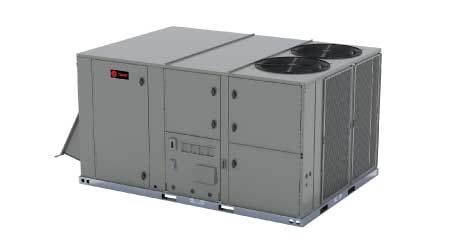
Trane Foundation - Medium ECC090A4E0B3YXA* Commerical Unit
Trane Foundation - Medium ECC090A4E0B3YXA* Commerical Unit
SKU PHS243130003MX01ALL
was $10 899.49
Save 40%
$6 539.69
On Sale
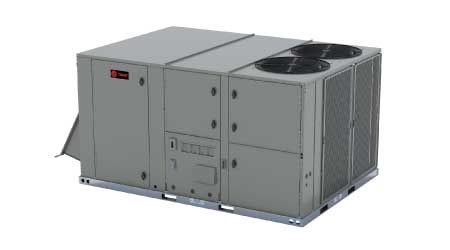
Trane Foundation - Medium ECC102A3E0B3YXA* Commerical Unit
Trane Foundation - Medium ECC102A3E0B3YXA* Commerical Unit
SKU PHS234730002MX12ALL
was $11 211.49
Save 40%
$6 726.89
On Sale
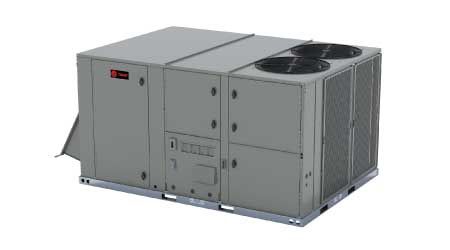
Trane Foundation - Medium GCC090A4EMB3YXA* Commerical Unit
Trane Foundation - Medium GCC090A4EMB3YXA* Commerical Unit
SKU PHS244160022MX01ALL
was $12 539.49
Save 40%
$7 523.69
On Sale
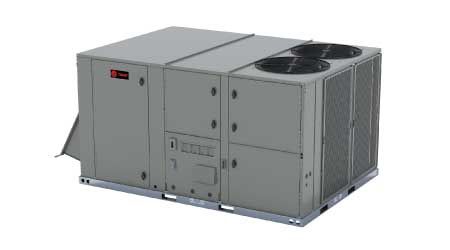
Trane Foundation - Medium GCC090A4EMB4260* Commerical Unit
Trane Foundation - Medium GCC090A4EMB4260* Commerical Unit
SKU PHS235140040MX01ALL
was $11 641.71
Save 40%
$6 985.03
On Sale
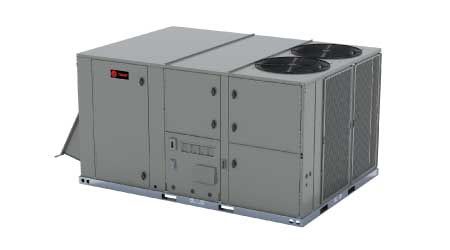
Trane Foundation - Medium GCC090A4EHB4260* Commerical Unit
Trane Foundation - Medium GCC090A4EHB4260* Commerical Unit
SKU PHS235260000MX02ALL
was $11 986.29
Save 40%
$7 191.77
On Sale
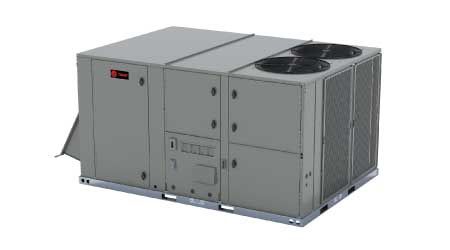
Trane Foundation - Medium GCC090A4EHB3YXA* Commerical Unit
Trane Foundation - Medium GCC090A4EHB3YXA* Commerical Unit
SKU PHS240850053MX12ALL
was $11 839.10
Save 40%
$7 103.46
On Sale
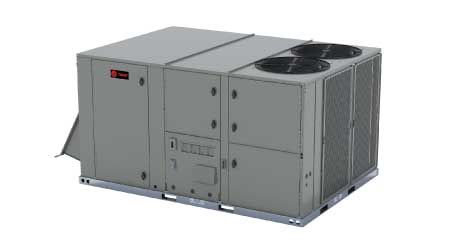
Trane Foundation - Medium GCC102A3ELB4260* Commerical Unit
Trane Foundation - Medium GCC102A3ELB4260* Commerical Unit
SKU PHS242830001MX01ALL
was $13 162.41
Save 40%
$7 897.45
On Sale
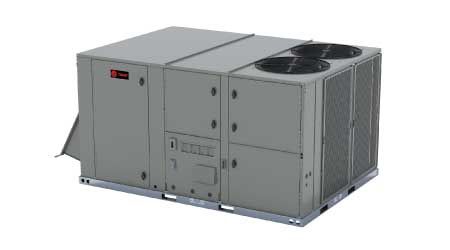
Trane Foundation - Medium GCC102A3EMB4260* Commerical Unit
Trane Foundation - Medium GCC102A3EMB4260* Commerical Unit
SKU PHS242170018MX01ALL
was $13 585.56
Save 40%
$8 151.34
On Sale
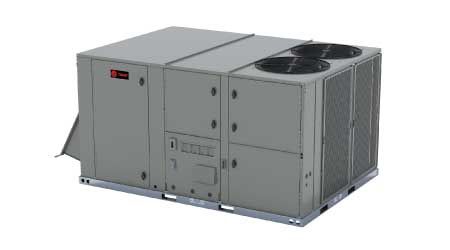
Trane Foundation - Medium GCC102A3EMB3YXA* Commerical Unit
Trane Foundation - Medium GCC102A3EMB3YXA* Commerical Unit
SKU PHS243410014MX01ALL
was $13 505.55
Save 40%
$8 103.33
On Sale
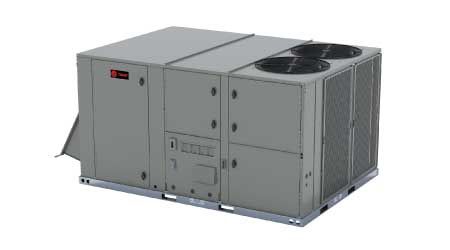
Trane Foundation - Medium GCC102A3EHB3YXA* Commerical Unit
Trane Foundation - Medium GCC102A3EHB3YXA* Commerical Unit
SKU PHS234910005MX06ALL
was $12 772.41
Save 40%
$7 663.45
On Sale
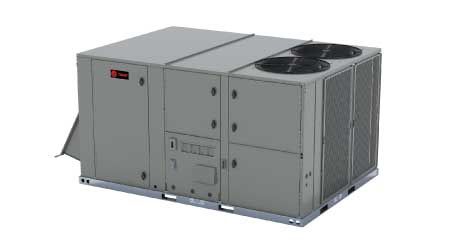
Trane Foundation - Medium GCC150A3ELB4260* Commerical Unit
Trane Foundation - Medium GCC150A3ELB4260* Commerical Unit
SKU PHS243730008MX02ALL
was $16 787.16
Save 40%
$10 072.30
On Sale
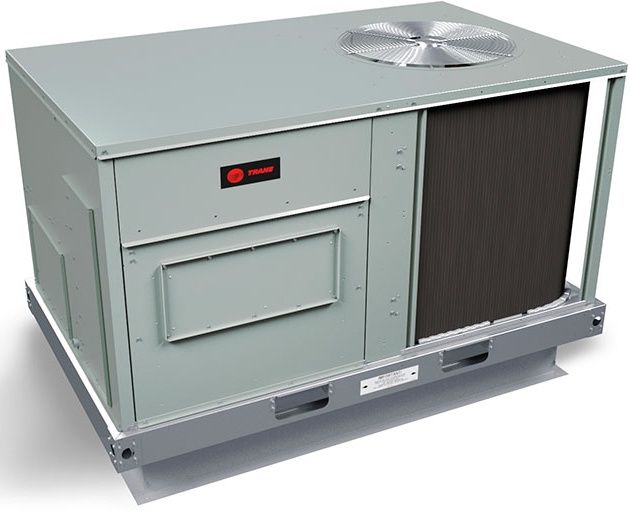
Trane Foundation - Small EBC036AWE0B0000* Commerical Unit
Trane Foundation - Small EBC036AWE0B0000* Commerical Unit
SKU PHS24216708PA06ALL
was $4 160.14
Save 40%
$2 496.08
On Sale
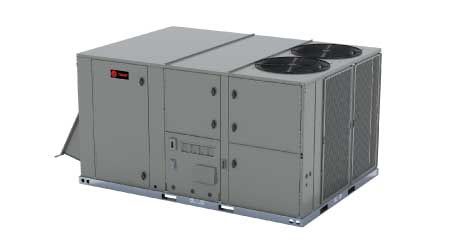
Trane Foundation - Medium GCC150A3EHB4260* Commerical Unit
Trane Foundation - Medium GCC150A3EHB4260* Commerical Unit
SKU PHS242350047MX05ALL
was $18 073.81
Save 40%
$10 844.29
On Sale
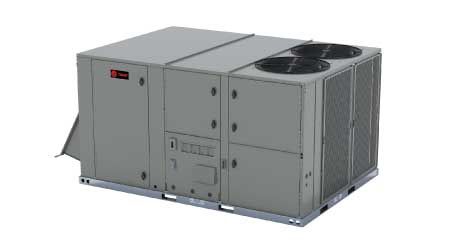
Trane Foundation - Medium GCC150A3EMB4260* Commerical Unit
Trane Foundation - Medium GCC150A3EMB4260* Commerical Unit
SKU PHS244150032MX02ALL
was $17 799.94
Save 40%
$10 679.96
On Sale
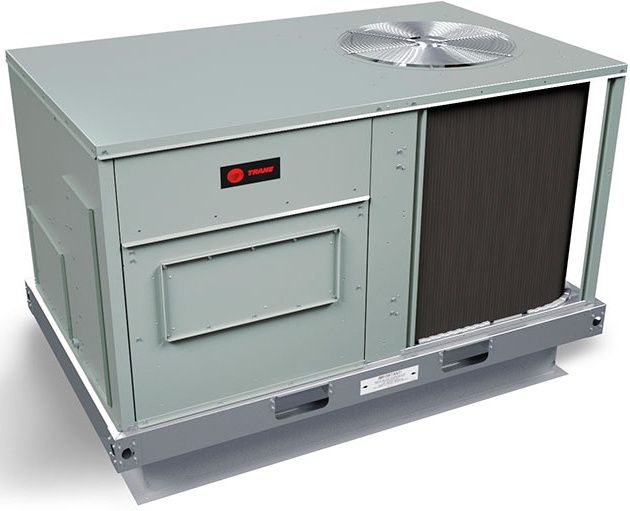
Trane Foundation - Small EBC048A3E0B0001* Commerical Unit
Trane Foundation - Small EBC048A3E0B0001* Commerical Unit
SKU PHS23505819PA06ALL
was $5 285.78
Save 40%
$3 171.47
On Sale
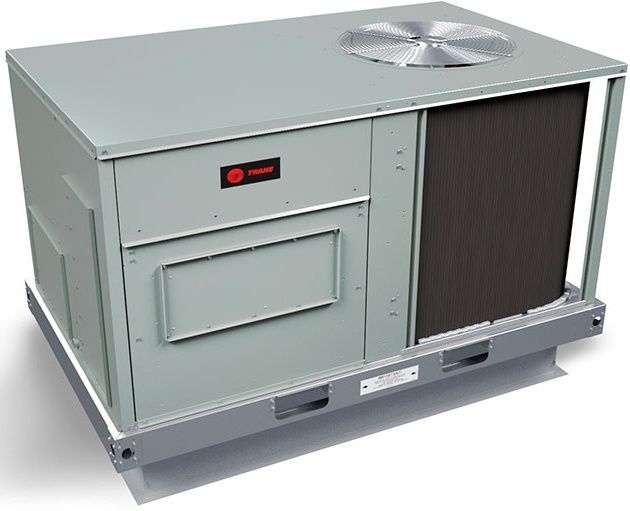
Trane Foundation - Small GBC048A4EMB0000* Commerical Unit
Trane Foundation - Small GBC048A4EMB0000* Commerical Unit
SKU PHS24079888PA02ALL
was $5 242.95
Save 40%
$3 145.77
On Sale
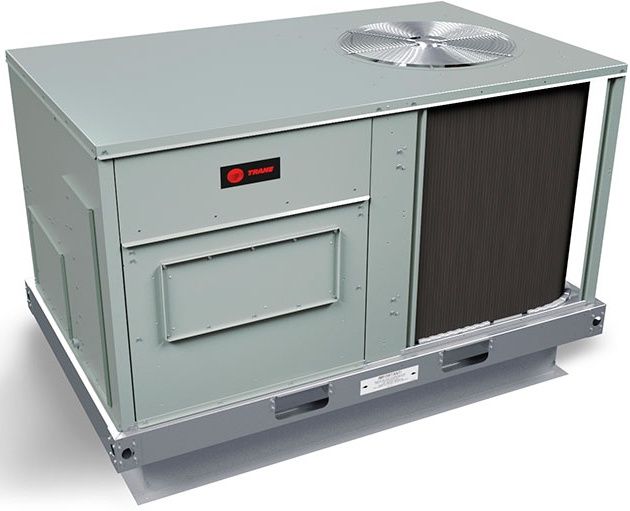
Trane Foundation - Small GDK036AWELA0000* Commerical Unit
Trane Foundation - Small GDK036AWELA0000* Commerical Unit
SKU PHS24351665PA03ALL
was $5 169.70
Save 40%
$3 101.82
On Sale
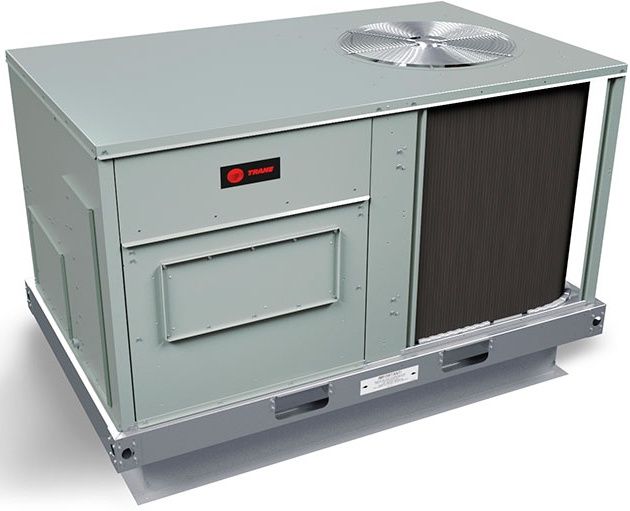
Trane Foundation - Small EBC048A4E0B0000* Commerical Unit
Trane Foundation - Small EBC048A4E0B0000* Commerical Unit
SKU PHS24295262PA03ALL
was $4 866.83
Save 40%
$2 920.10
On Sale
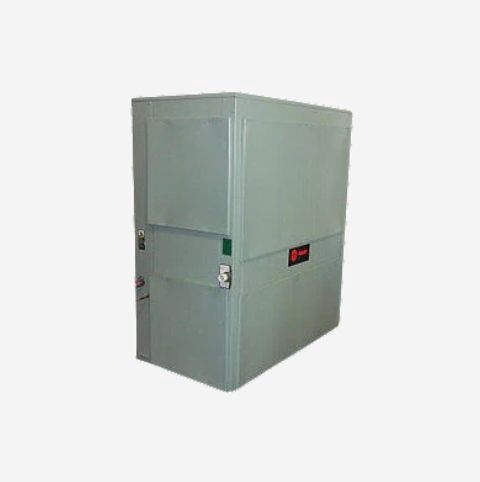
Trane Odyssey Air Handler TWE06043AAAP01J* Commerical Unit
Trane Odyssey Air Handler TWE06043AAAP01J* Commerical Unit
SKU PHS24405339BA01ALL
was $2 868.65
Save 40%
$1 721.19
On Sale
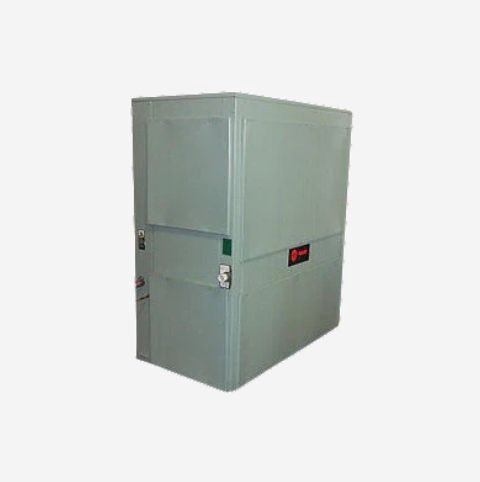
Trane Odyssey Air Handler TWE07244BAAP01H* Commerical Unit
Trane Odyssey Air Handler TWE07244BAAP01H* Commerical Unit
SKU PHS24461581BA10ALL
was $4 189.67
Save 40%
$2 513.80
On Sale
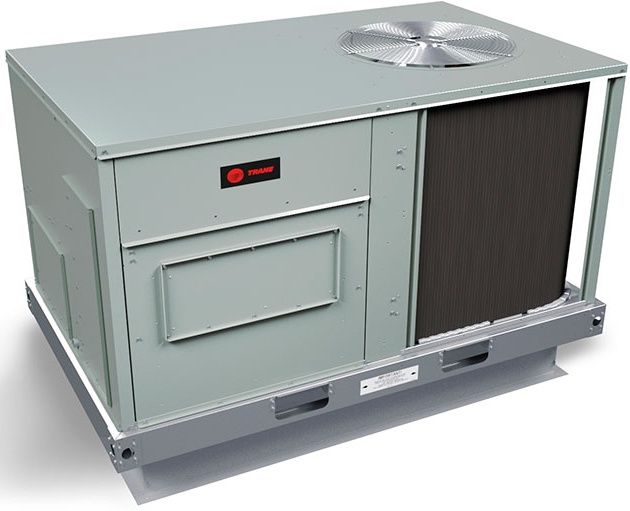
Trane Foundation - Small GDK060AWELA0000* Commerical Unit
Trane Foundation - Small GDK060AWELA0000* Commerical Unit
SKU PHS24503821PA01ALL
was $6 685.11
Save 40%
$4 011.07
On Sale
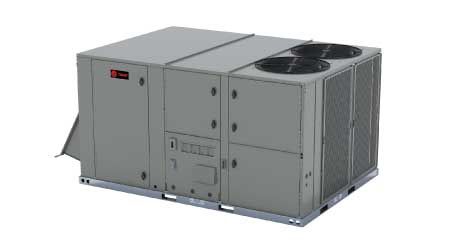
Trane Foundation Unit EAC240A3E0A0000* Commerical Unit
Trane Foundation Unit EAC240A3E0A0000* Commerical Unit
SKU PHS24411010JA06ALL
was $19 638.09
Save 40%
$11 782.85
On Sale
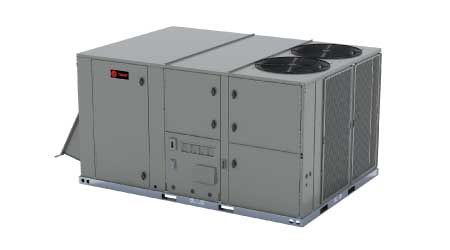
Trane Foundation Unit EBC300A3ENB0000* Commerical Unit
Trane Foundation Unit EBC300A3ENB0000* Commerical Unit
SKU PHS22024087JA02ALL
was $22 411.70
Save 40%
$13 447.02
On Sale
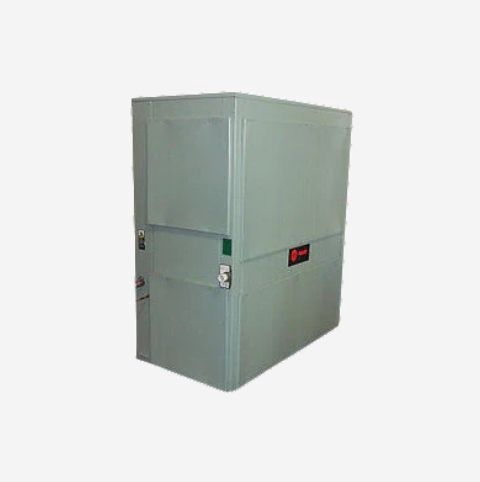
Trane Odyssey Air Handler TWE09043BAAP01H* Commerical Unit
Trane Odyssey Air Handler TWE09043BAAP01H* Commerical Unit
SKU PHS24461553BA06ALL
was $5 697.57
Save 40%
$3 418.54
On Sale
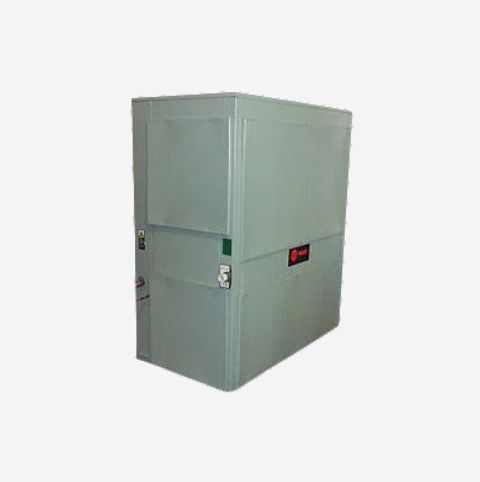
Trane Odyssey Air Handler TWE0604WAAAP01J* Commerical Unit
Trane Odyssey Air Handler TWE0604WAAAP01J* Commerical Unit
SKU PHS23364937BA01ALL
was $2 629.60
Save 40%
$1 577.76
On Sale
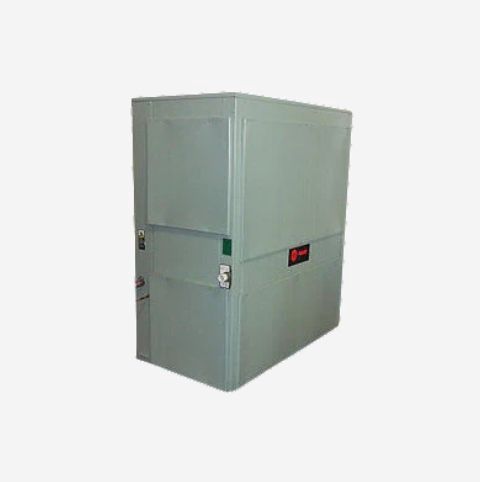
Trane Odyssey Air Handler TWE06044AAAP01J* Commerical Unit
Trane Odyssey Air Handler TWE06044AAAP01J* Commerical Unit
SKU PHS24411385BA03ALL
was $2 868.65
Save 40%
$1 721.19
On Sale
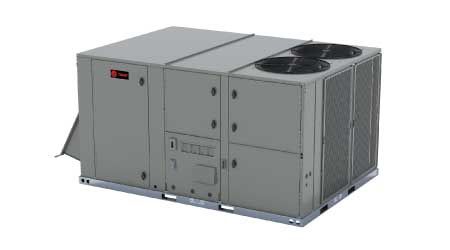
Trane Foundation Unit GCC210AWELA1DQY* Commerical Unit
Trane Foundation Unit GCC210AWELA1DQY* Commerical Unit
SKU PHS24096470JA05ALL
was $22 893.07
Save 40%
$13 735.84
On Sale
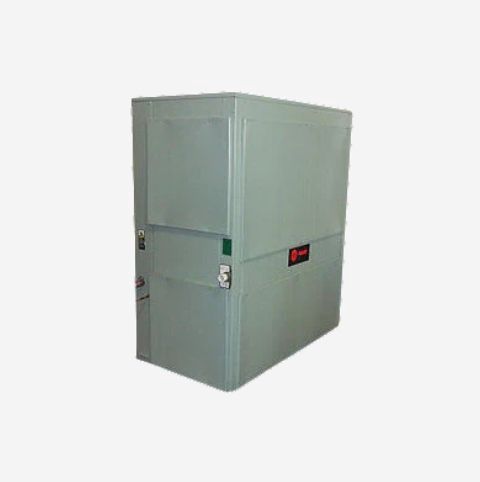
Trane Odyssey Air Handler TWE12044BAAP01K* Commerical Unit
Trane Odyssey Air Handler TWE12044BAAP01K* Commerical Unit
SKU PHS24494747BAALL
was $7 929.34
Save 40%
$4 757.60
On Sale
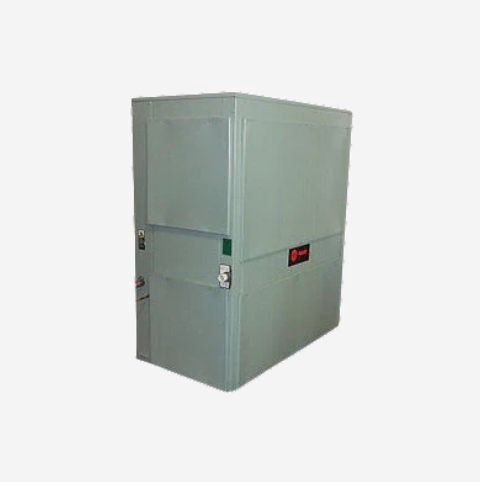
Trane Odyssey Air Handler TWE12043BAAP01H* Commerical Unit
Trane Odyssey Air Handler TWE12043BAAP01H* Commerical Unit
SKU PHS24391671BA05ALL
was $7 030.94
Save 40%
$4 218.56
On Sale
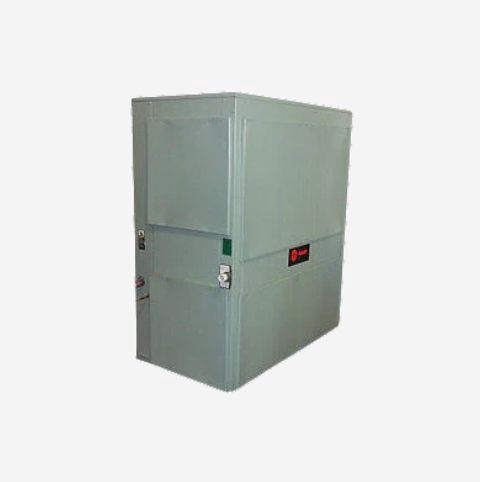
Trane Odyssey Air Handler TWE09044BAAP01H* Commerical Unit
Trane Odyssey Air Handler TWE09044BAAP01H* Commerical Unit
SKU PHS24283796BA07ALL
was $5 697.57
Save 40%
$3 418.54
On Sale
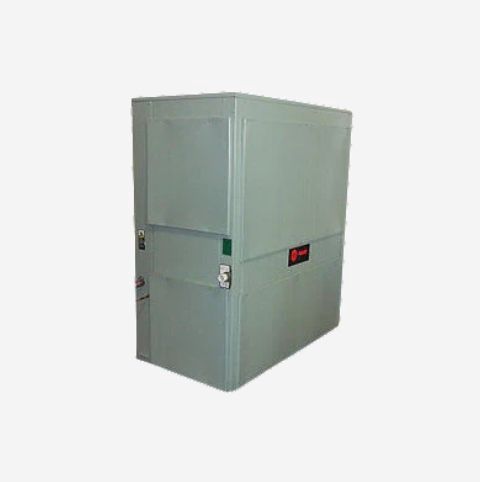
Trane Odyssey Air Handler TWE12041AAAP006* Commerical Unit
Trane Odyssey Air Handler TWE12041AAAP006* Commerical Unit
SKU PHS21501010BA02ALL
was $3 382.21
Save 40%
$2 029.33
On Sale
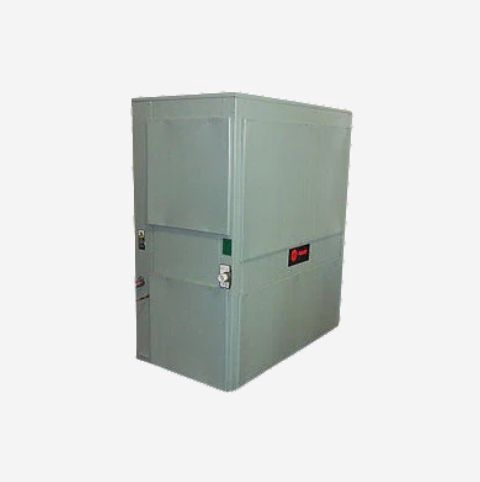
Trane Odyssey Air Handler TWE15043BAAP004* Commerical Unit
Trane Odyssey Air Handler TWE15043BAAP004* Commerical Unit
SKU PHS22511137WA05ALL
was $5 152.07
Save 40%
$3 091.24
On Sale
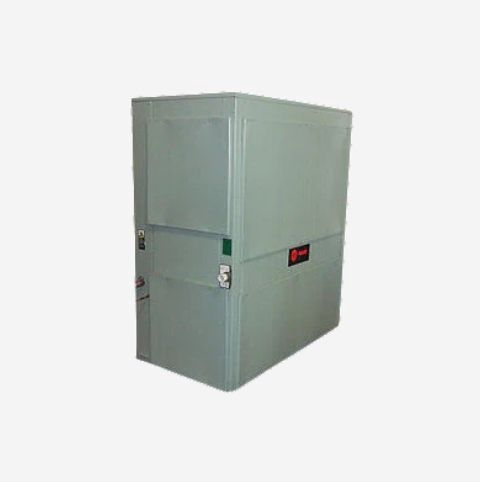
Trane Odyssey Air Handler TWE15043BAAP01H* Commerical Unit
Trane Odyssey Air Handler TWE15043BAAP01H* Commerical Unit
SKU PHS24391778WA02ALL
was $9 417.37
Save 40%
$5 650.42
On Sale
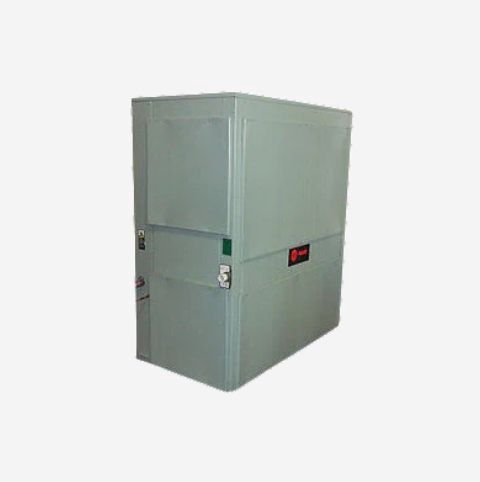
Trane Odyssey Air Handler TWE30043BAAP01H* Commerical Unit
Trane Odyssey Air Handler TWE30043BAAP01H* Commerical Unit
SKU PHS24411579WA01ALL
was $11 181.41
Save 40%
$6 708.85
On Sale
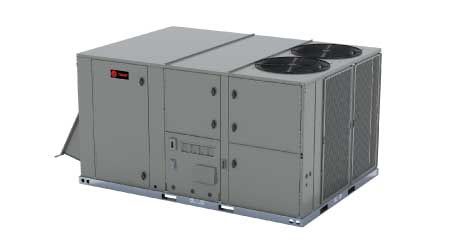
Trane Precedent - Large TSH240G3R0C005D* Commerical Unit
Trane Precedent - Large TSH240G3R0C005D* Commerical Unit
SKU PHS230210225D06ALL
was $21 498.80
Save 40%
$12 899.28
On Sale
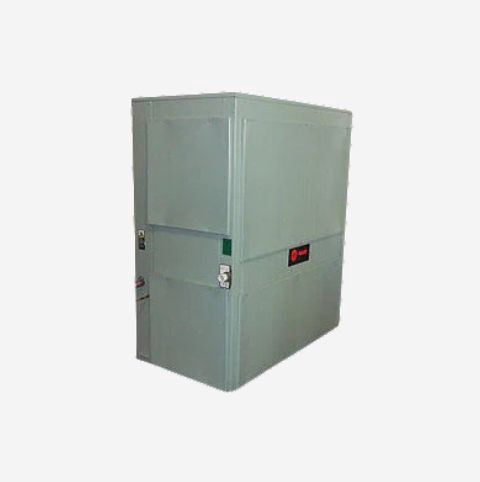
Trane Odyssey Air Handler TWE30044BAAP01H* Commerical Unit
Trane Odyssey Air Handler TWE30044BAAP01H* Commerical Unit
SKU PHS24435798WA25ALL
was $11 181.41
Save 40%
$6 708.85
On Sale
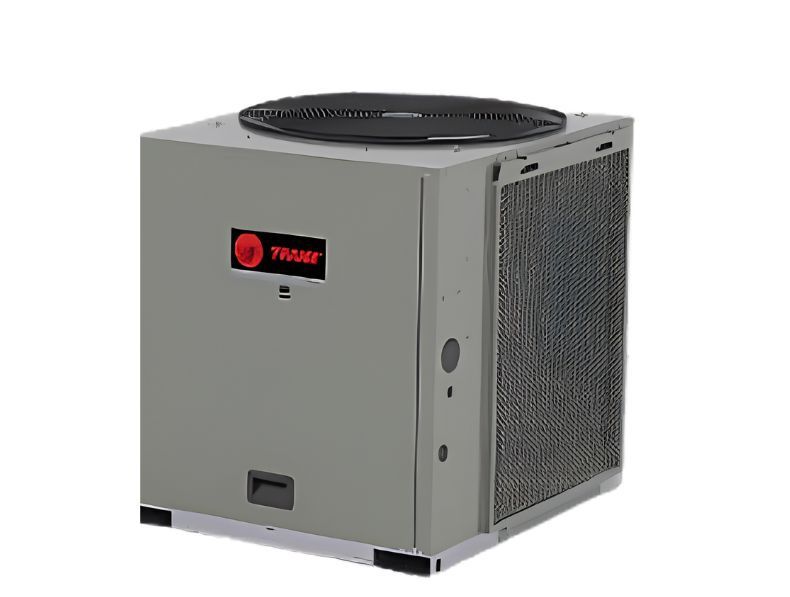
Trane Odyssey Condenser TTA15044DAAE02P* Commerical Unit
Trane Odyssey Condenser TTA15044DAAE02P* Commerical Unit
SKU PHS24481432YA03ALL
was $12 540.02
Save 40%
$7 524.01
On Sale
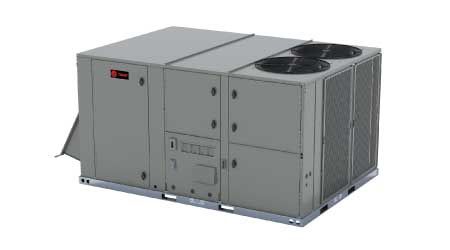
Trane Precedent - Large THD240G3R0D005D* Commerical Unit
Trane Precedent - Large THD240G3R0D005D* Commerical Unit
SKU PHS225110310D01ALL
was $25 032.70
Save 40%
$15 019.62