WE SHIP NATIONWIDE ACROSS THE UNITED STATES AND CANADA.
Boiler Systems
Shop boiler systems for hydronic heating applications at Public HVAC Solutions. Available equipment includes condensing and combination boilers in a range of heating capacities, efficiency levels and configurations. Boiler systems heat water that circulates through radiators, baseboards, radiant flooring and other hydronic heating components. Some boilers are built strictly for space heating, while combination models can also provide domestic hot water. Check individual product specifications carefully to make sure the equipment fits the requirements of your project.
Boiler Systems for Hydronic Heating
A boiler heats water and circulates it through piping to deliver heat throughout a building. The heated water may flow through radiators, baseboard heaters, radiant-floor tubing or other hydronic components.
Boilers are available in different capacities, efficiencies and operating configurations. Some provide space heating only. Others combine space heating and domestic hot water in one unit. Condensing models are built to capture additional heat from the combustion process rather than allowing as much of that heat to leave through the exhaust.
The boiler is only one part of a complete hydronic heating system. Existing piping, radiators or other heat emitters, pumps, controls and the building's heating requirements all play a role in selecting replacement equipment.
Condensing and Combination Boiler Options
Gas boilers are available in several configurations based on how the heating system will be used.
A condensing boiler captures heat from combustion gases before they are exhausted from the unit. How efficiently it operates is affected by the heating system itself, especially the temperature of the water returning to the boiler.
A combination boiler handles both space heating and domestic hot water with one appliance. For some properties, this eliminates the need for a separate water heater. The boiler still needs to have enough heating and hot-water capacity for the application, so a combination model is not automatically the best choice for every building.
Boiler models can also vary in heating capacity, modulation range, venting, controls, physical size and fuel requirements. Review the specifications for the individual unit rather than assuming two boilers with similar BTU ratings will be interchangeable.
What to Check Before Buying a Boiler System
Boiler replacement involves more than matching the capacity listed on the old equipment. The new boiler also needs to work with the existing hydronic system and the heating demands of the building.
- Heating capacity: Compare the boiler's rated heating output with the building's heating load.
- Boiler type: Determine whether the application calls for space heating only or a combination boiler that also supplies domestic hot water.
- Fuel type: Confirm the boiler is designed for the fuel available at the property.
- Efficiency: Review the model's efficiency specifications, including AFUE when provided.
- Venting: Check the manufacturer's venting and combustion-air requirements.
- System water temperatures: Radiators, baseboards and radiant-floor systems may operate at different water temperatures.
- Connections and dimensions: Verify piping connections, gas connections, condensate requirements and available installation space.
- Controls and accessories: Check compatibility with circulators, thermostats, zone controls and other system components available through Parts & Supplies.
A qualified HVAC or hydronics professional should confirm boiler sizing and compatibility before installation. Matching BTU ratings alone does not mean a replacement boiler will work correctly with the existing system.
Choosing a Boiler for Your Heating System
Boilers are most commonly used in buildings that already rely on hydronic heat. Existing radiators, baseboards or radiant flooring often make boiler replacement more straightforward than changing to an entirely different type of heating system.
Even so, an older boiler should not automatically be replaced with equipment of the same capacity. Improvements made to the property over the years, such as new windows, insulation or building additions, can change the heating load. The existing piping and heat emitters also need to be considered.
If the property distributes heat through ductwork instead of hot-water piping, a furnace or another forced-air system may be a better fit. Understanding how the building currently delivers heat is one of the simplest ways to narrow down the correct equipment category before comparing individual models.
Boiler Systems Shipped Nationwide
Public HVAC Solutions ships HVAC and hydronic equipment throughout the United States and Canada. Boiler inventory changes as individual models, capacities and configurations become available or sell out, so use the product listings for current availability and detailed specifications.
Contractors, property owners, facility teams and other equipment buyers can compare available boilers online before ordering. Pay particular attention to capacity, boiler configuration, fuel requirements, dimensions and installation requirements. If you are unsure whether a specific model will work with an existing system, contact Public HVAC Solutions for help reviewing the equipment specifications.
Boiler System FAQs
What is the difference between a boiler and a furnace?
A boiler and furnace both provide heat, but they deliver it in different ways. A boiler heats water and circulates it through piping connected to radiators, baseboards, radiant flooring or other hydronic components.
A furnace heats air and distributes it through ductwork with a blower. Because the two systems use different methods of heat distribution, a boiler is generally not a direct replacement for a furnace. Before shopping for replacement equipment, determine whether the building uses hot-water piping or forced-air ductwork.
What does condensing mean on a boiler?
A condensing boiler is designed to recover more heat from the combustion gases before they leave the unit. As those gases cool, water vapor condenses and additional heat can be transferred into the boiler water.
The heating system affects how well this process works. Condensing boilers generally benefit from lower return-water temperatures, which is why the type and design of the existing hydronic system matter. Radiators, baseboards and radiant-floor systems can operate under different conditions, so the boiler should be selected with the entire system in mind.
Does a boiler system need regular maintenance?
Yes. Boilers should be inspected and maintained according to the manufacturer's recommendations and the needs of the individual heating system.
Maintenance can include checking combustion components, venting, controls, pumps, system pressure and water-related components. Condensing boilers also produce condensate, so the condensate drain and related components may need attention. A qualified technician can also check for leaks, circulation problems, control issues and combustion problems that may affect heating performance.
On Sale
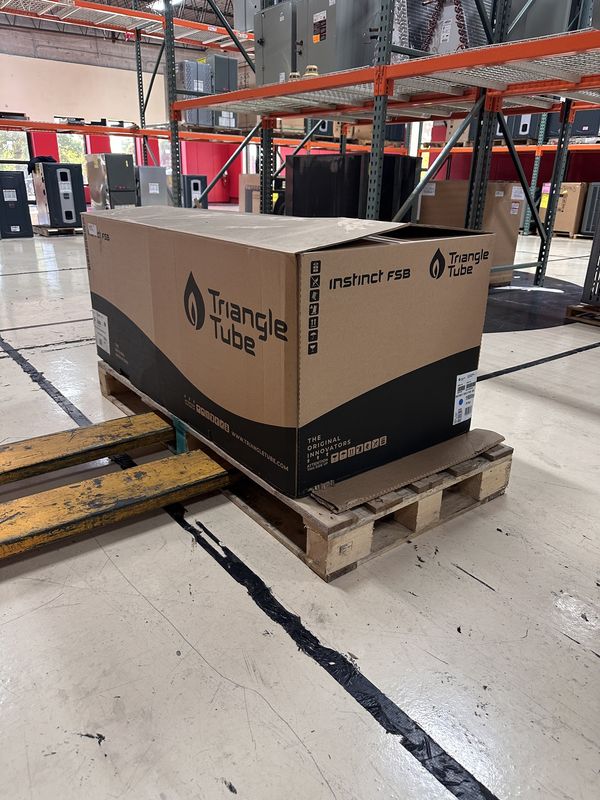
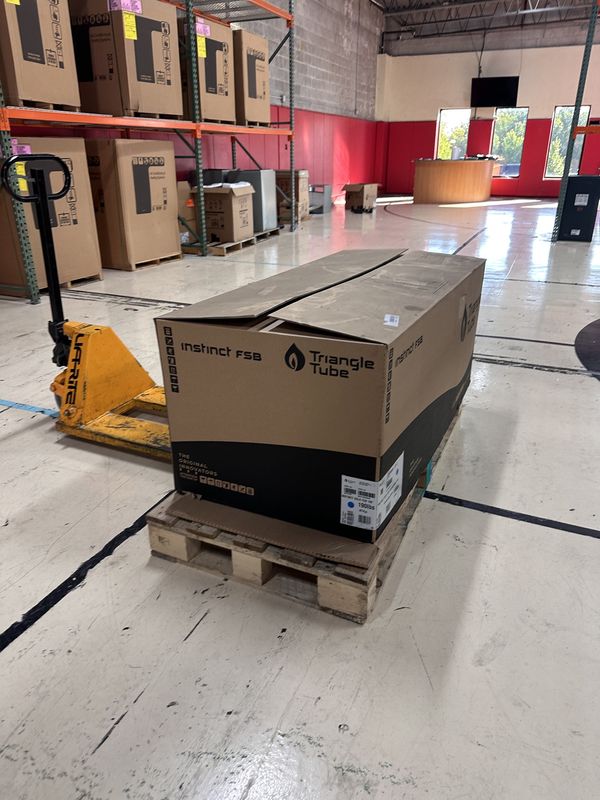
Triangle Tube 199K BTR HR - INSFS199S
Triangle Tube 199K BTR HR - INSFS199S
SKU PHS10188
was $5 450.00
Save 22%
$4 250.00